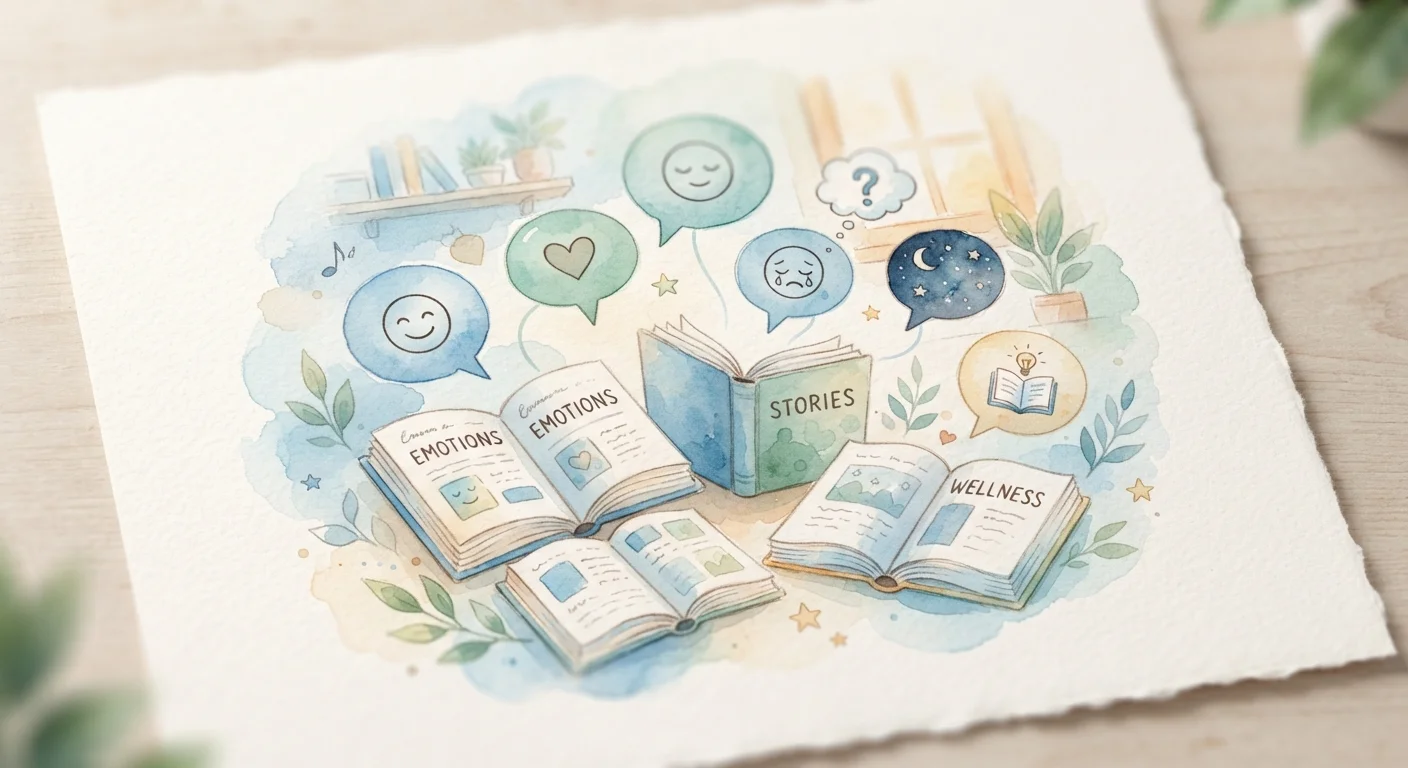

What Emotional Wellbeing Actually Means
Emotional wellbeing is your capacity to experience, process, and manage your feelings in ways that allow you to function well and engage meaningfully with your life. It doesn't mean feeling happy all the time - it means having the inner resources to navigate the full range of human experience without being overwhelmed by it.
This is an important distinction. Many people approach emotional wellbeing as an absence of negative feelings, then feel like they've failed when difficult emotions arise. In reality, discomfort, grief, frustration, and anxiety are all normal parts of emotional life. What differs between people who manage well and those who struggle is not the presence of hard feelings, but what they do with them.
Emotional wellbeing exists on a continuum and shifts over time. Stress, life circumstances, physical health, and relationships all influence where you are on that continuum on any given day. That fluidity is not a weakness - it's how the system is designed to work.
Emotional wellbeing and mental illness are not opposites
It's possible to live with a diagnosed mental health condition and still experience strong emotional wellbeing - and equally possible to have no diagnosis while struggling significantly. Wellbeing is shaped by skills, habits, relationships, and environment, not only by the presence or absence of clinical conditions. This distinction matters because it means improvement is possible regardless of diagnosis status.
Core Concepts to Understand First
Before building habits, it helps to understand the concepts that underpin emotional health. Familiarity with these ideas makes it easier to recognize what's happening in your inner world - and respond more skillfully.
Emotional regulation
The ability to manage your emotional responses - not suppressing feelings, but navigating them without being overtaken. It's a learnable skill, not a fixed trait.
Self-awareness
The capacity to notice your own thoughts, feelings, and behavioral patterns in the moment. Greater self-awareness generally makes emotional regulation easier.
Resilience
The ability to adapt and recover from adversity, stress, or setbacks. Resilience is not the absence of difficulty but the capacity to move through it - and it can be strengthened over time.
Coping mechanisms
Strategies - conscious or unconscious - that people use to manage stress and difficult emotions. Some coping mechanisms are helpful; others (like avoidance or substance use) can increase distress over time.
Protective factors
Conditions or habits that reduce vulnerability to poor mental health. Strong social relationships, adequate sleep, and physical activity are well-established protective factors.
For a broader glossary of mental health terminology explained accessibly, see Mental Health Terms Explained in Plain Language. If you're curious about where everyday low mood ends and clinical depression begins, Understanding the Spectrum: From Low Mood to Clinical Depression offers clear, evidence-grounded context.
Foundational Habits That Make a Real Difference
Emotional wellbeing is shaped by what you do consistently, not occasionally. Research in psychology and behavioral health points to a cluster of habits that reliably support mood, regulation, and resilience - none of which require dramatic life changes to begin.
- Sleep: Sleep deprivation directly impairs emotional regulation. Prioritizing seven to nine hours for most adults is one of the highest-leverage things you can do for your emotional state.
- Physical movement: Regular activity - even walking - is associated with reduced anxiety and improved mood through multiple physiological pathways. Consistency matters more than intensity.
- Social connection: Isolation is a significant risk factor for poor emotional health. Even brief, low-effort connection with others provides meaningful protective benefit.
- Reducing avoidance: Avoiding difficult thoughts or situations offers short-term relief but typically worsens emotional distress over time. Gently facing what you're avoiding - often with professional guidance - tends to build greater resilience.
- Mindful awareness: Simply noticing your emotional state without immediately trying to change or escape it is a foundational skill. Brief daily check-ins with how you're feeling build the self-awareness that underpins everything else.
Start smaller than feels worthwhile
When building new habits, the biggest barrier is usually the perceived size of the first step. If 30 minutes of exercise feels like too much, start with a 10-minute walk. If journaling feels overwhelming, try one sentence. Consistency at a small scale produces more durable change than intensity you can't sustain.
Ready to structure these habits into your day? Our guide Building a Daily Routine That Supports Emotional Stability offers a practical framework. And for readers interested in how nutrition intersects with mood, plant-forward eating is one area worth exploring through our Nutrition & Diet hub.
When to Seek Professional Support
Professional support - whether from a therapist, counselor, or psychiatrist - is not reserved for people in crisis. It's appropriate for anyone who wants to understand themselves better, develop coping skills, or work through persistent emotional difficulty.
Consider reaching out to a qualified mental health professional if you experience:
- Persistent low mood, anxiety, or emotional numbness lasting more than two weeks
- Difficulty functioning at work, in relationships, or with daily tasks
- Thoughts of self-harm or hopelessness
- Increased use of alcohol, substances, or avoidance behaviors as coping strategies
- A sense that emotional struggles are beyond what self-help approaches can address
Don't wait for a crisis to get support
A common barrier to seeking help is the belief that your struggles aren't 'bad enough' to warrant professional attention. Mental health care is most effective when started early - not only at a breaking point. If you're on the fence, that uncertainty itself is a reasonable reason to reach out to a qualified professional.
For those ready to go deeper on resilience-building with a longer-term lens, Sustainable Habits for Long-Term Emotional Resilience offers evidence-informed strategies for lasting emotional steadiness.
This article is for general informational and educational purposes only. It is not a substitute for professional mental health advice, diagnosis, or treatment. If you are experiencing a mental health emergency, contact a qualified healthcare professional or emergency services immediately.