What Plant-Based Eating Actually Means
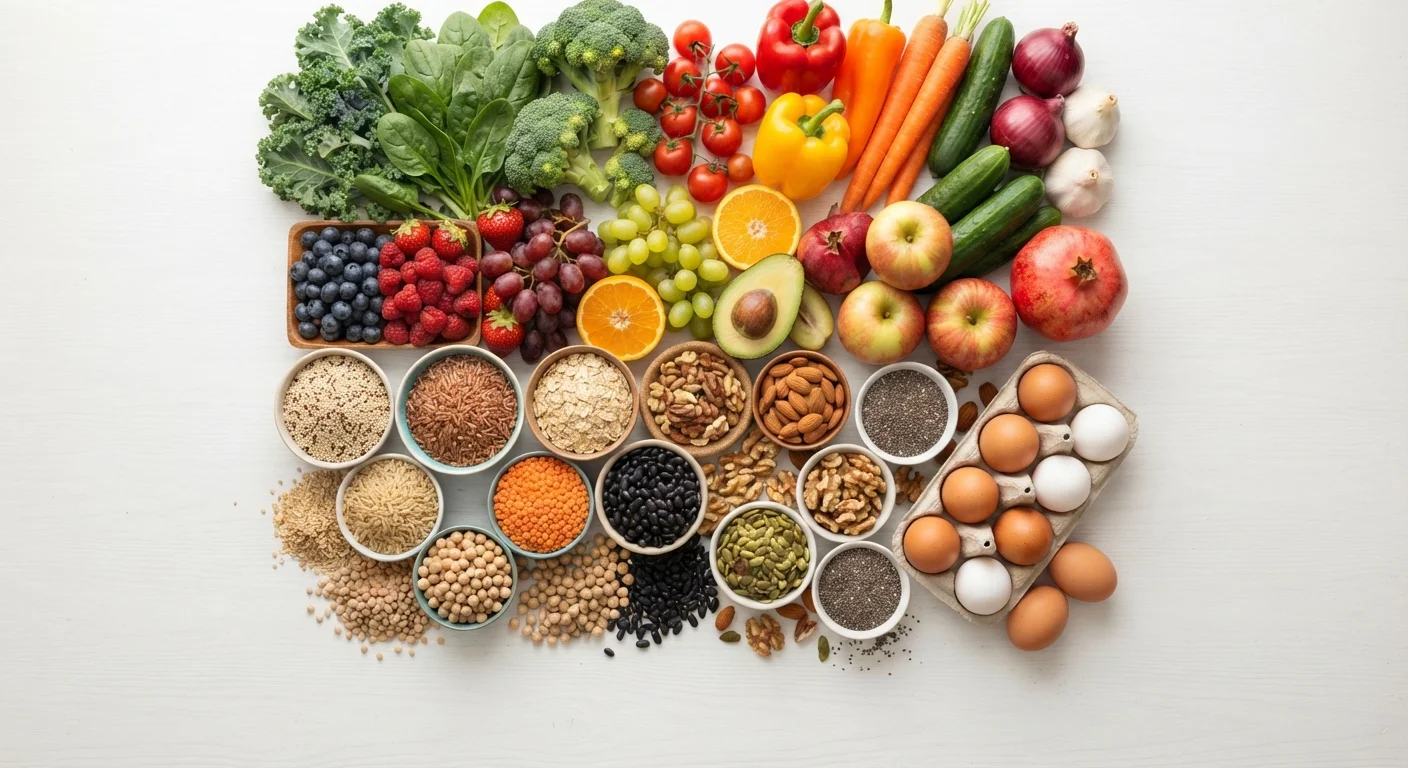
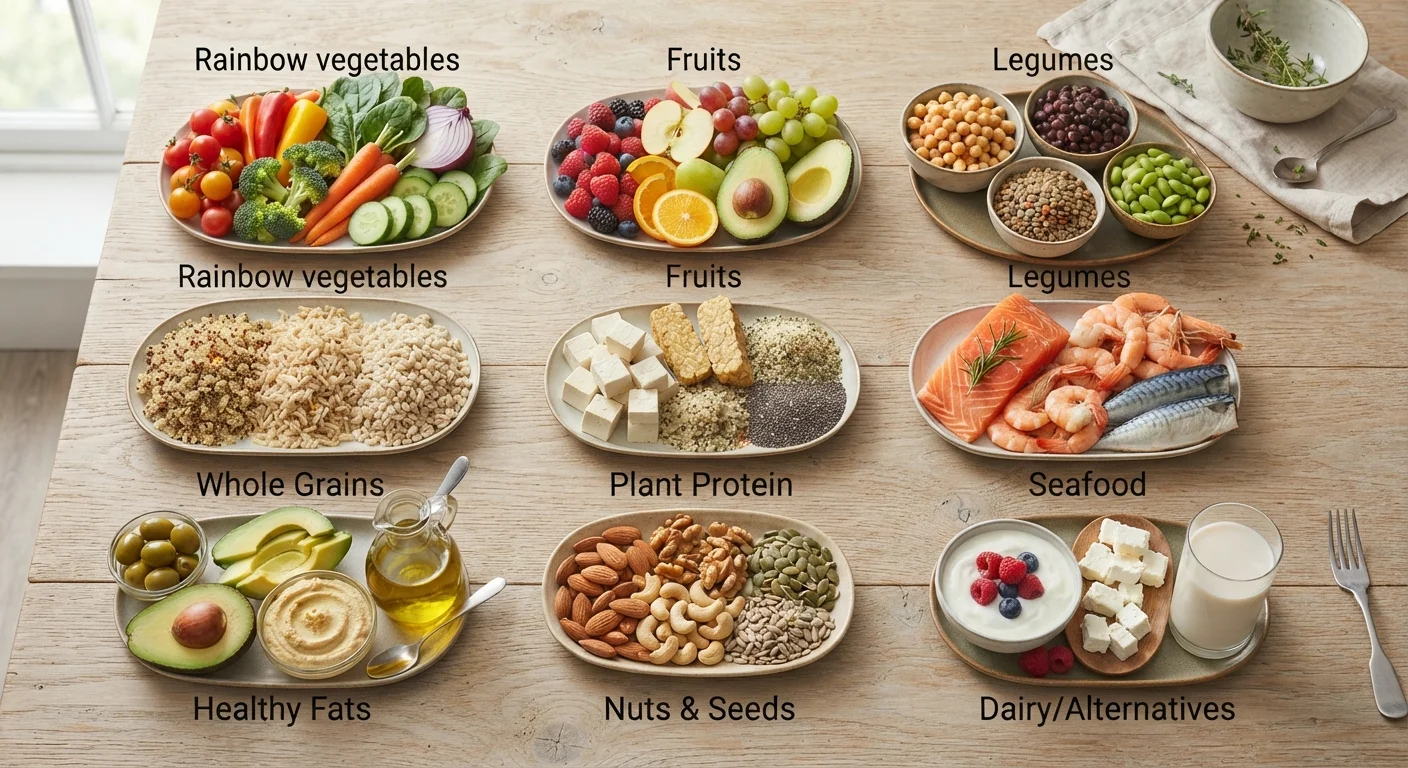
The term plant-based gets used in many different ways, which creates genuine confusion. In its broadest sense, it describes a way of eating that centers fruits, vegetables, legumes, whole grains, nuts, and seeds - without necessarily requiring that you eliminate meat, dairy, or eggs entirely.
This distinguishes it from veganism, which is a stricter ethical stance excluding all animal products. Plant-based eating is better understood as a dial, not a switch. Someone eating two plant-heavy meals a day and one that includes chicken is already eating more plant-forward than most Americans.
If you're new to thinking about dietary patterns, the guide to understanding nutrition for the first time offers a useful foundation before exploring any specific approach. For a wider look at how plant-based eating compares with other popular frameworks, see the comparison of popular eating patterns.
Plant-based eating
A dietary approach that emphasizes whole foods from plants - vegetables, fruits, legumes, grains, nuts, and seeds - as the primary source of nutrition, without necessarily eliminating all animal foods.
Legumes
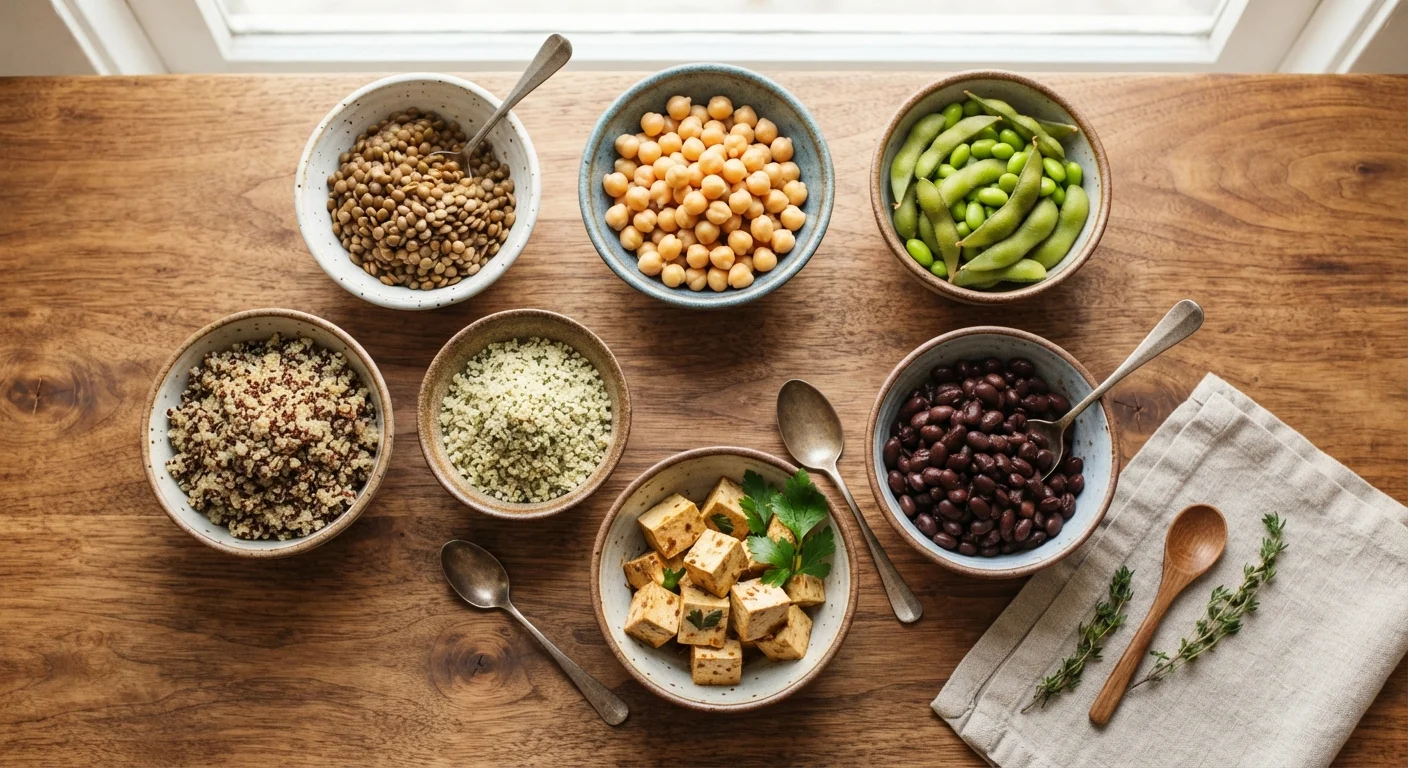
A food group that includes beans, lentils, chickpeas, and peas. They are rich in protein, fiber, and key minerals, making them a cornerstone of plant-forward diets.
Whole grains
Grains that retain all three parts of the grain kernel - bran, germ, and endosperm - such as oats, brown rice, quinoa, and whole wheat. These contain more fiber and nutrients than refined grains.
Non-heme iron
The form of iron found in plant foods, which is absorbed less efficiently by the body than the heme iron in meat. Eating it alongside vitamin C-rich foods improves absorption.
Vitamin B12
A nutrient essential for nerve function and red blood cell production, found almost exclusively in animal-derived foods. It is one of the key nutrients to monitor when significantly reducing animal product intake.
ALA (alpha-linolenic acid)
A plant-derived omega-3 fatty acid found in flaxseeds, chia seeds, and walnuts. The body can convert it into the more active omega-3 forms, but only in small amounts.
Key Nutrients to Keep on Your Radar
Whole plant foods are rich in fiber, antioxidants, and many vitamins and minerals. But when animal foods decrease significantly, a handful of nutrients deserve deliberate attention.
- Vitamin B12: Found almost exclusively in animal products. This is the most important nutrient to monitor when reducing animal foods. Talk to a healthcare provider about whether your intake and blood levels are adequate.
- Iron: Plant foods contain non-heme iron, which the body absorbs less efficiently than the heme iron in meat. Pairing iron-rich plant foods (lentils, spinach, fortified cereals) with vitamin C helps improve absorption.
- Omega-3 fatty acids: Fatty fish are a concentrated source. Plant sources like flaxseeds, chia seeds, and walnuts provide ALA, a precursor form. The body converts ALA to the more active forms (EPA and DHA) only in limited amounts.
- Calcium and vitamin D: Dairy is a common source; plant-forward eaters can find calcium in fortified plant milks, tofu made with calcium sulfate, and leafy greens like bok choy. Vitamin D is relevant for most Americans regardless of dietary pattern.
- Zinc and iodine: Worth noting for those significantly reducing animal foods, as these can be less abundant in purely plant-based diets.
This is general educational information, not medical advice. Discuss your individual nutritional needs with a registered dietitian or qualified healthcare provider.
Supplements Are Not One-Size-Fits-All
The fact that some nutrients require more attention on a plant-forward diet does not mean everyone needs the same supplements. Taking high-dose supplements without knowing your baseline levels can cause harm in some cases. Always discuss supplementation - especially B12, vitamin D, and iron - with a healthcare provider who can assess your individual needs.
Simple Ways to Shift Without Overhauling Everything
The most sustainable changes tend to be gradual. Here are realistic entry points rather than dramatic overhauls:
- Start with one meal. Make breakfast or lunch consistently plant-forward before tackling dinner. Oatmeal with fruit and seeds, or a lentil soup, are easy starting points.
- Use the half-plate rule. Aim to fill at least half your plate with vegetables and/or legumes at each meal. This visual cue is more practical than tracking grams. The balanced plate guide covers this approach in detail.
- Swap incrementally. Replace ground beef with lentils in a familiar dish like chili or pasta sauce. Add chickpeas to a salad that already works for you. Familiarity reduces friction.
- Stock your pantry strategically. Canned beans, dried lentils, whole-grain pasta, and frozen vegetables make plant-forward eating faster on weeknights. Meal planning supports this significantly - see the guide to meal planning for a practical starting structure.
Make Beans Your Default Protein
When building a new plant-forward meal, starting with a legume as the protein anchor tends to simplify the rest of the plate. A can of white beans, black beans, or lentils takes under five minutes to prepare and pairs well with almost any vegetable or grain you have on hand. Building this habit before worrying about more complex plant-based cooking makes the overall shift much more manageable.
Common Concerns - and Honest Answers
"I won't feel full enough." Fiber and protein are both satisfying nutrients, and legumes deliver both. The adjustment period is real - higher-fiber diets can initially cause bloating as gut bacteria adapt - but satiety generally improves as eating patterns stabilize.
"It's too expensive." Whole plant staples - dried lentils, canned beans, oats, brown rice - are consistently among the most affordable foods at any grocery store. Cost increases mainly with heavily processed plant-based convenience products, which aren't required for a nutritious plant-forward diet.
"I don't know how to cook this way." Most plant-forward cooking is straightforward. The cooking basics hub covers foundational techniques that apply directly to plant-forward meals. Roasting vegetables, cooking grains, and building legume-based dishes are skills with a modest learning curve.
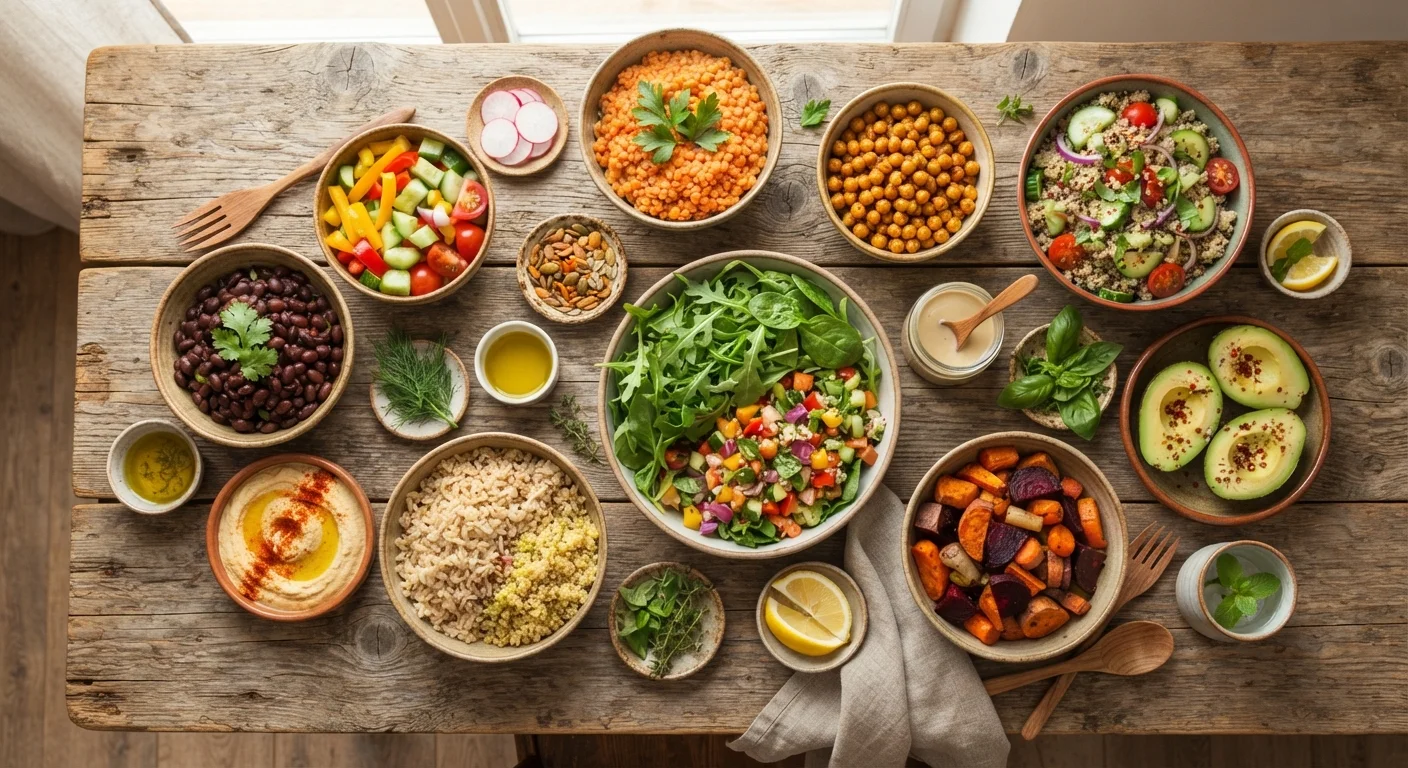
"My family won't eat this." Mixed-household eating is common. Many plant-based dishes - tacos, stir-fries, grain bowls - can easily be built modularly so different family members customize with or without animal protein.
How to Take a Next Step That Actually Fits Your Life
There's no universally correct pace or endpoint for moving toward plant-forward eating. The goal is a sustainable shift, not a sudden identity change.
A practical week-one objective: identify two meals you already enjoy that are naturally plant-heavy or easy to make so, and commit to eating those regularly. From there, you can gradually introduce new dishes without abandoning foods that work for you.
Structured planning helps. The weekly meal planning checklist is designed specifically to help you build nutritionally balanced eating across the week without guesswork. As your confidence grows, the guide to plant-based protein sources offers a deeper look at how to meet protein needs from plants alone.
If you have a chronic condition, are pregnant, or are managing a health concern, speak with a registered dietitian before making significant dietary changes. This article provides general educational information and is not a substitute for personalized medical or nutritional guidance.
This article is for informational purposes only and does not constitute medical or nutritional advice. Consult a qualified healthcare professional before making significant changes to your diet, particularly if you have a medical condition or specific health needs.