Why Visual Portioning Works Better Than Calorie Counting for Most People
Calorie counting can be a useful clinical tool, but for most everyday eaters it introduces a level of complexity that is difficult to sustain. Research consistently shows that people significantly underestimate portion sizes regardless of nutrition knowledge, and that the cognitive load of tracking every gram can erode long-term dietary consistency.
Visual portioning frameworks - most notably the plate method - offer a durable alternative. Rather than measuring grams of macronutrients, you use the physical space on your plate as a proportional guide. This approach aligns with guidance from the USDA and is widely used by registered dietitians as a starting framework for patients without specific medical dietary targets.
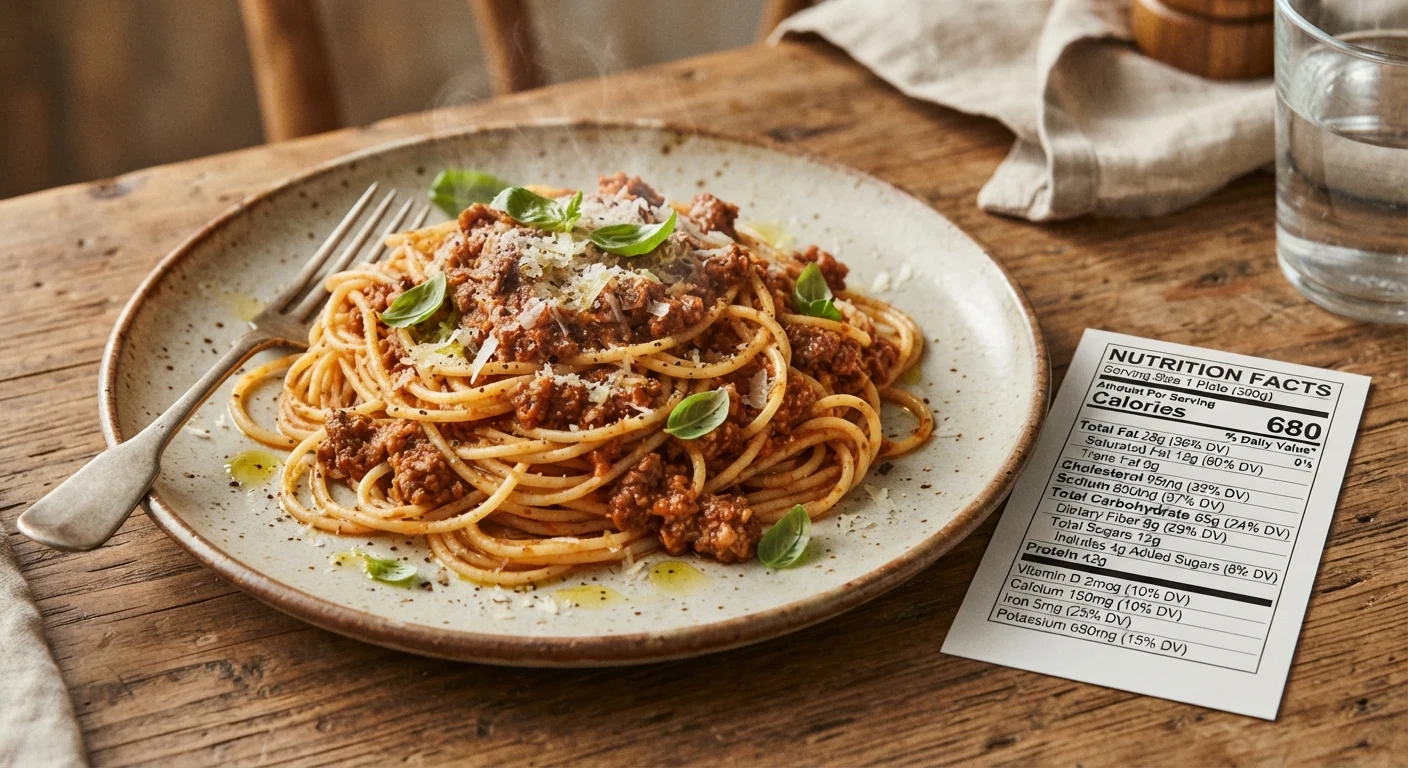
If you are completely new to thinking about what you eat, the foundational nutrition guide covers food groups, nutrients, and labels from scratch before you start applying any framework. You can also learn to interpret Nutrition Facts labels without confusion as a complement to this visual method.
This Is General Nutrition Education
The guidance in this article is for general informational purposes and is not a substitute for personalized medical or dietary advice. Individual nutritional needs vary based on age, health status, activity level, and other factors. Consult a registered dietitian or your healthcare provider before making significant changes to your eating pattern, especially if you have a chronic condition.
The goal of this article is not to prescribe an exact diet but to give you a practical, low-friction starting point you can adapt over time. Flexibility and repetition matter far more than precision.
How to Build Your Balanced Plate: Step-by-Step
The following steps walk you through the plate method in practical terms. You don't need any special equipment - a standard dinner plate and your hand are the only tools required.
What you will need
Standard 9-inch dinner plate
Provides the visual canvas for dividing food into proportional sections without measuring.
Your hand
Acts as a portable portion estimator - palm for protein, cupped hand for grains, fist for vegetables.
Measuring cups (occasional use)
Useful for recalibrating your visual estimates a few times per year, not for daily use.
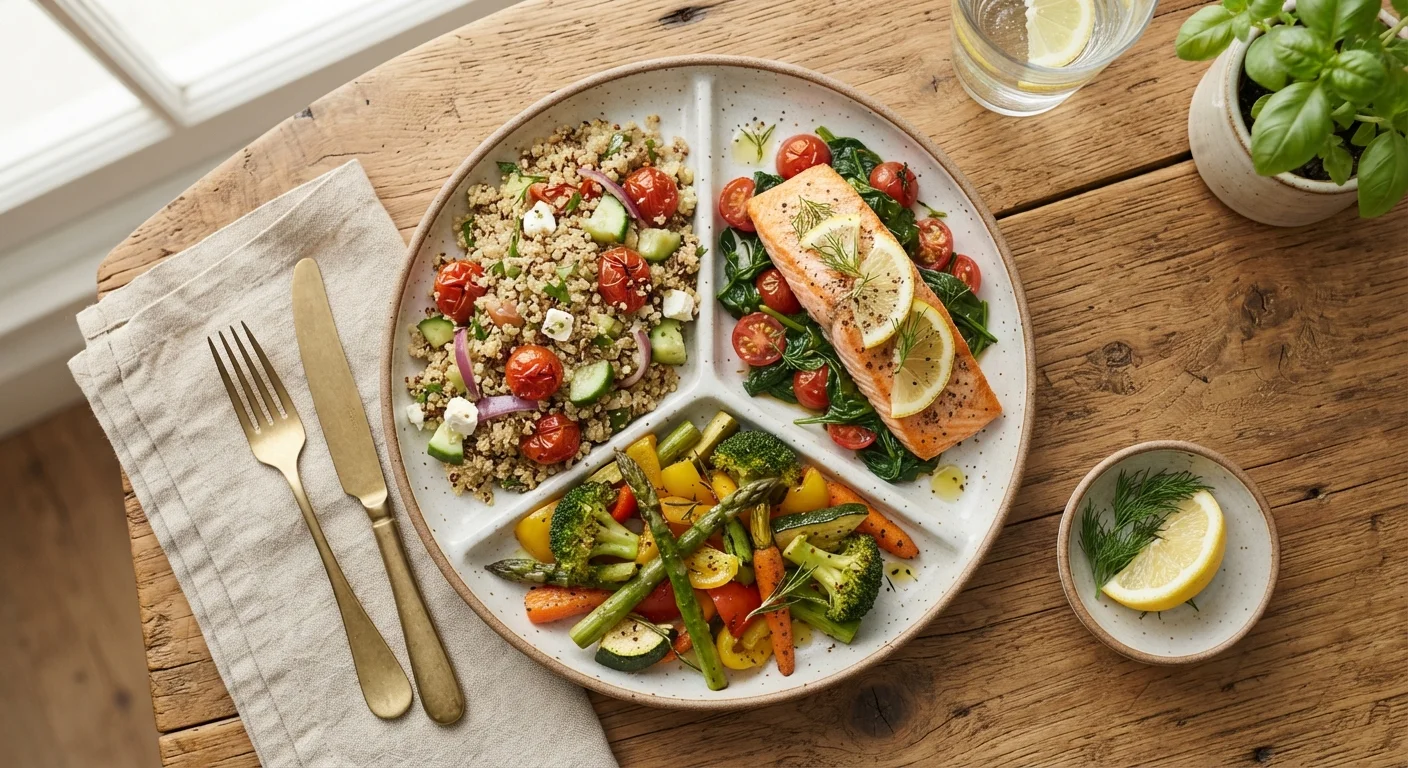
Fill half your plate with non-starchy vegetables
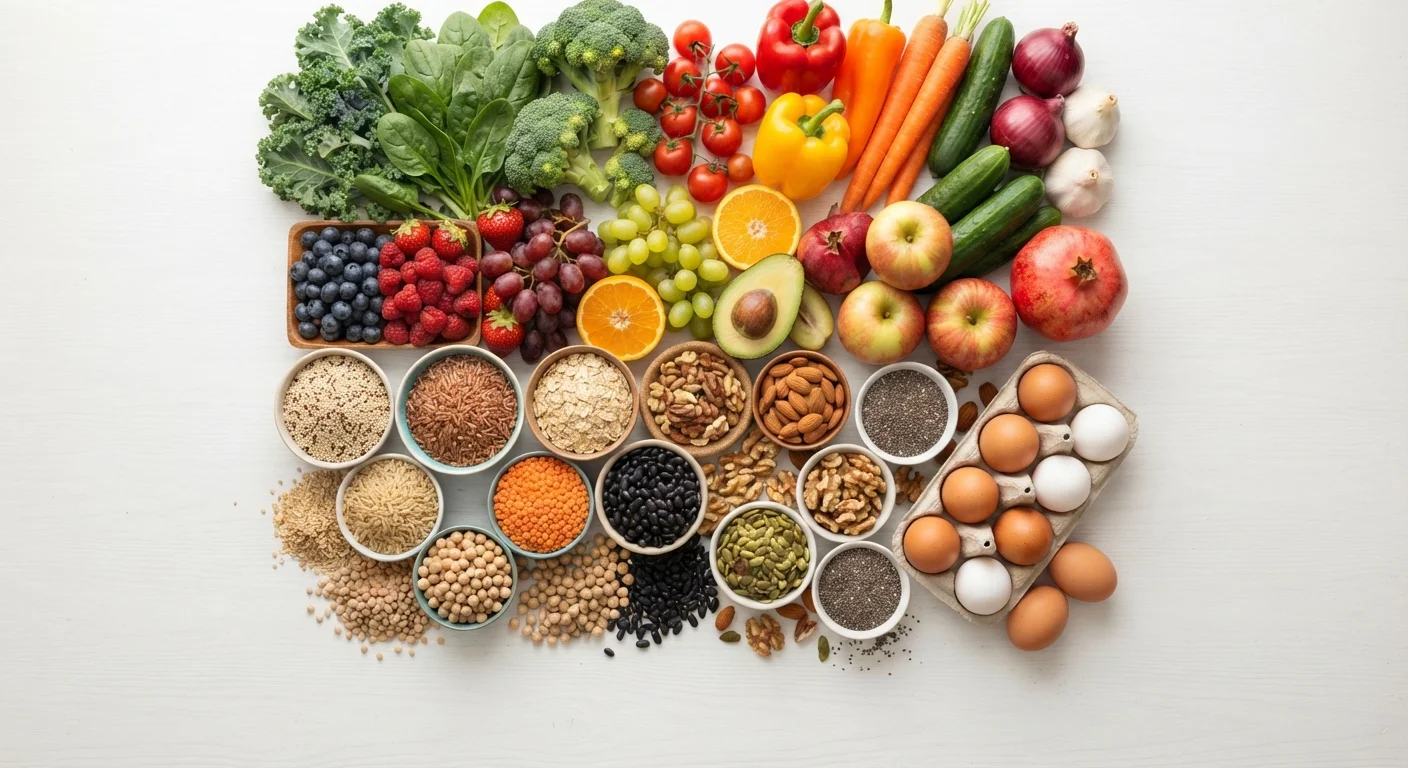
Start by covering roughly half of your plate with non-starchy vegetables - think leafy greens, broccoli, bell peppers, cucumbers, zucchini, tomatoes, or carrots. This half-plate habit is the cornerstone of the USDA's MyPlate framework and is broadly endorsed by major nutrition organizations as a practical starting point.
Variety within this half matters: rotating colors and types throughout the week broadens the range of vitamins, minerals, and dietary fiber you consume. Frozen and canned vegetables (with no added salt or sauce) count equally toward this goal.
Dedicate one quarter to lean or plant-based protein
Reserve approximately one quarter of your plate for a protein source. Options include poultry, fish, eggs, legumes (beans and lentils), tofu, tempeh, or lower-fat cuts of meat. Protein supports muscle maintenance, satiety, and numerous metabolic functions.
A practical portion reference: a serving of protein is roughly the size and thickness of your palm. If you are new to thinking about food composition, the nutrition essentials overview explains these food groups from the ground up.
Use the remaining quarter for whole grains or starchy vegetables
The final quarter of your plate is for energy-dense carbohydrates. Prioritize whole grains - brown rice, quinoa, whole-wheat pasta, oats, or whole-grain bread - over refined versions. Starchy vegetables like sweet potatoes, corn, and peas also fit well here.
A cupped hand is a useful portion proxy for cooked grains. Whole grains provide dietary fiber, B vitamins, and sustained energy release compared with their refined counterparts.
Add a beverage and a small healthy fat
Water, unsweetened sparkling water, low-fat milk, or a milk alternative rounds out a balanced meal without adding significant added sugar. For healthy fats - which support nutrient absorption and cardiovascular health - think avocado slices, a small handful of nuts, olive oil-based dressing, or a sprinkle of seeds.
Fat is not a separate plate section but an accompaniment. A thumb-sized amount of added fat per meal is a common visual reference used by registered dietitians.
Apply the same framework flexibly in real-world settings
The plate method doesn't require a plate. When eating a bowl meal, a wrap, or a restaurant entrée, mentally map the same proportions: roughly half the volume as vegetables, a palm's worth of protein, a cupped-hand portion of grains. You can also use this approach when auditing your eating patterns across a full week to spot consistent gaps.
If you're curious about eating more plants within this framework, a plant-forward eating starter framework can help you adjust proportions without a complete dietary overhaul.
Consistency Beats Perfection Every Time
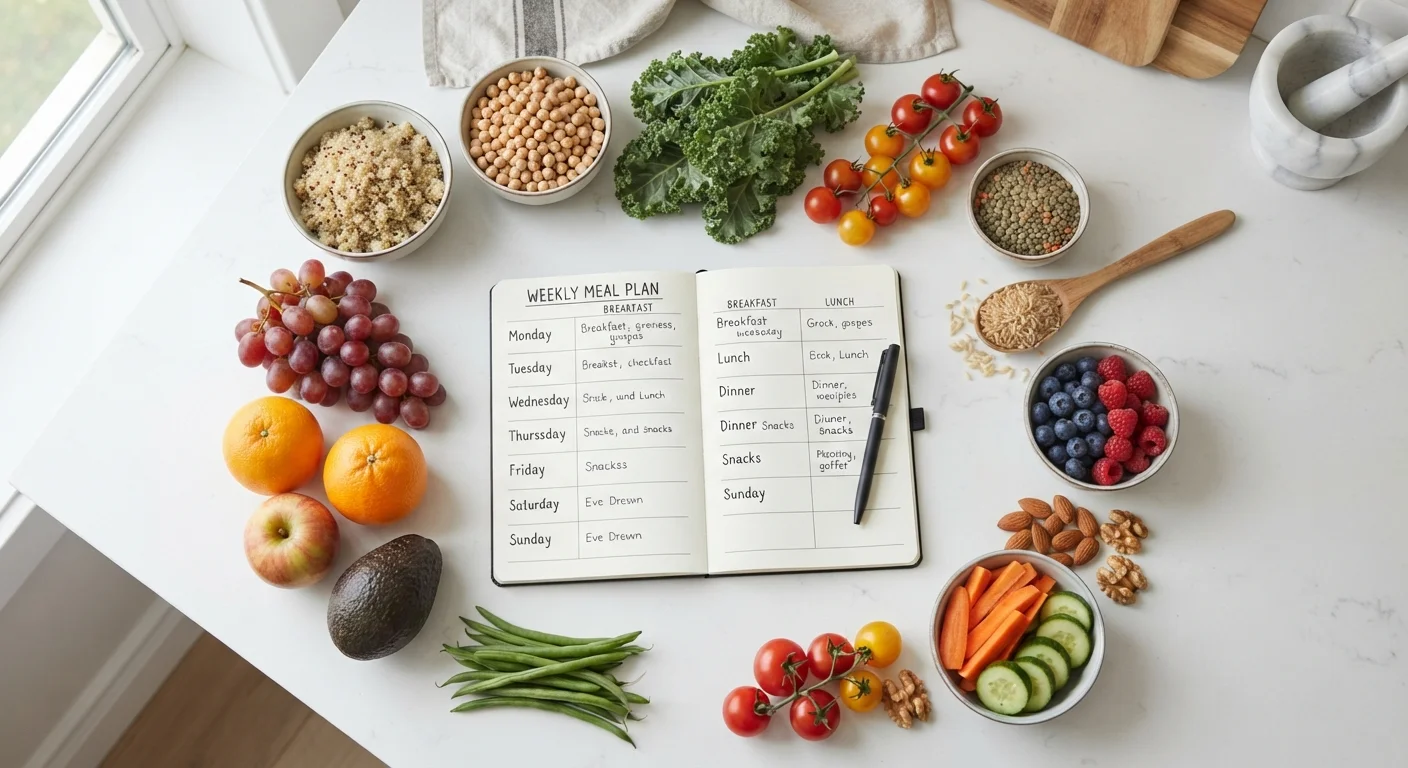
A nutritionally reasonable lunch six days a week is far more valuable than one perfect meal on Sunday. Focus on building repeatable habits across a week rather than optimizing a single plate. For a structured approach, see our weekly meal planning checklist.
Avoid Applying Rigid Rules to Every Meal
Portion frameworks are meant to be flexible guides, not strict rules you must follow at every sitting. Treating any eating framework as an all-or-nothing system can contribute to unnecessary stress around food. If you notice persistent anxiety about eating, speaking with a healthcare professional is a worthwhile step.
This article is for general informational and educational purposes only and does not constitute medical or dietary advice. Speak with a qualified healthcare provider or registered dietitian for guidance tailored to your individual health needs.