Why the Wrong Product Always Fails
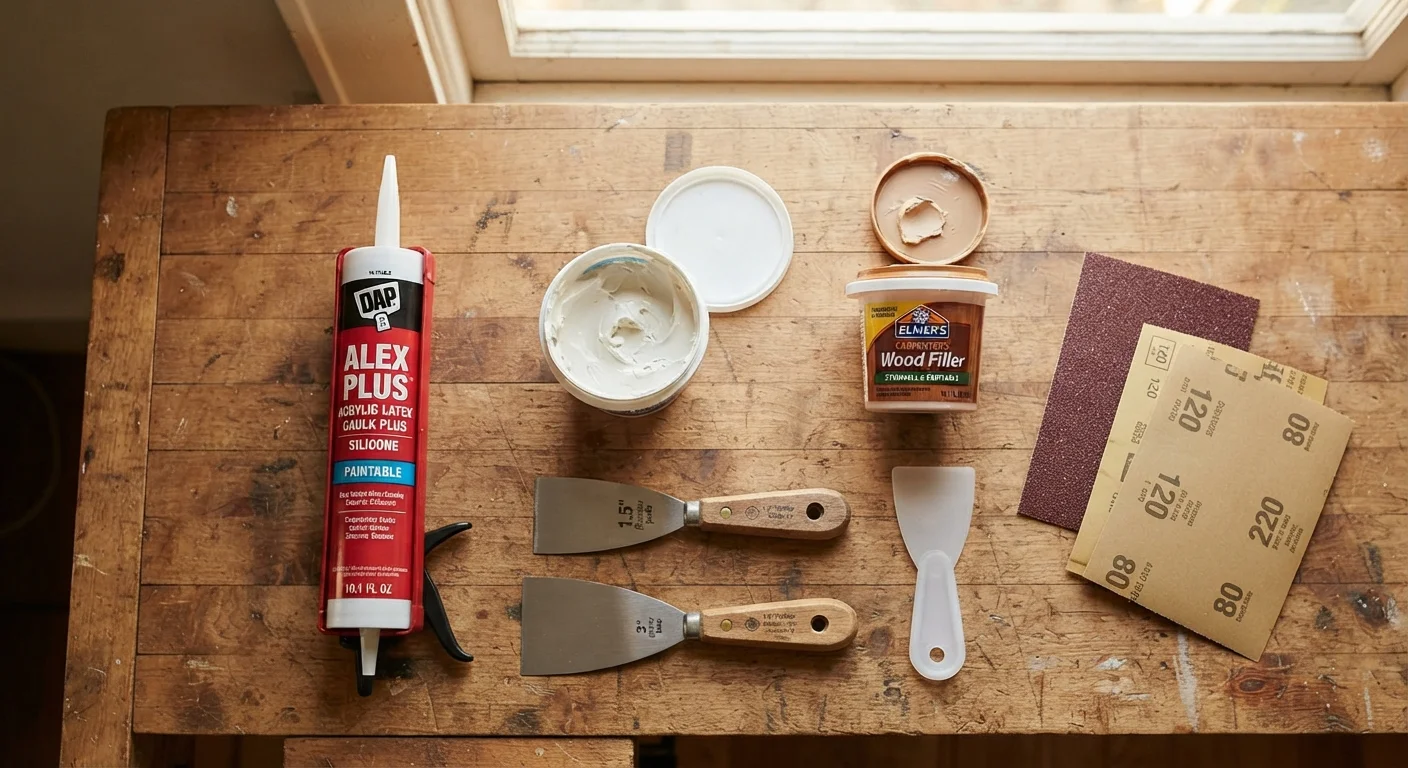
Most DIY patch jobs fail not because of poor technique, but because of the wrong material. Caulk, spackle, and wood filler look similar in the hardware store aisle and even apply with similar tools - but they are engineered for fundamentally different problems. Use spackle where caulk belongs and it will crack within months. Use caulk on a nail hole in drywall and it will never sand or paint properly. Getting the match right the first time is the single most reliable way to get a repair that lasts.
The core distinction comes down to two questions: Is the surface rigid or does it move? And what material is being patched? A gap between a window frame and a wall shifts seasonally as wood expands and contracts. A dent in drywall does not. A gouged piece of trim needs a filler that accepts stain or paint the same way wood does. Each scenario demands a different chemistry.
| Best for flexible joints | Caulk |
| Best for drywall holes | Spackle |
| Best for wood gouges | Wood filler |
| Paintable when dry | All three (check label for caulk type) |
| Sandable when dry | Spackle and wood filler; most caulk is not |
| Suitable for wet/exterior areas | Silicone or exterior caulk only |
Caulk: For Gaps That Move
Caulk is a flexible sealant designed to bridge joints between two different materials or surfaces that experience movement. Its flexibility - once cured - allows it to stretch and compress without losing adhesion. That property is precisely why it belongs at transitions, not at static surface defects.
Use caulk when you see:
- Gaps between window or door frames and surrounding drywall or trim
- The joint where baseboards, crown molding, or chair rail meets a wall
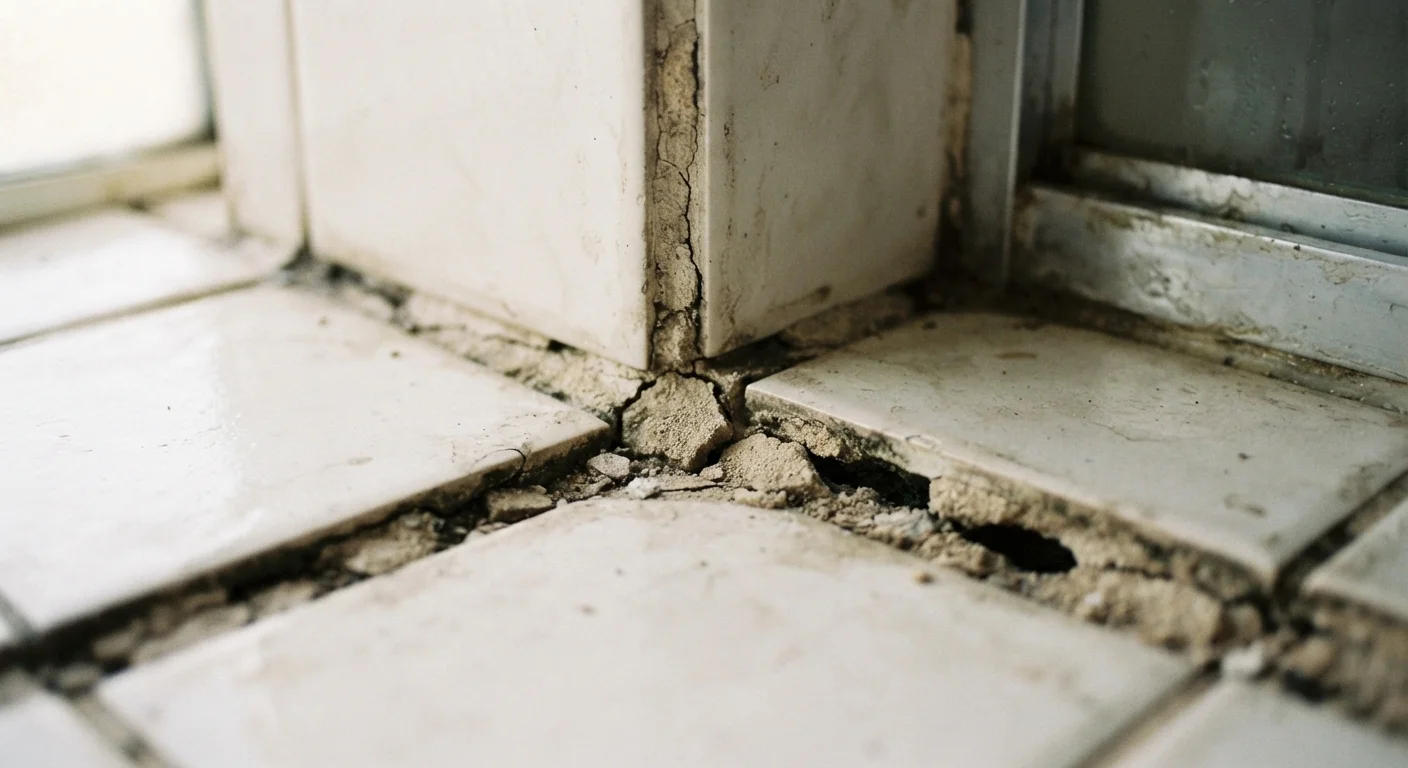
- Seams around a bathtub, shower, or sink where tile meets a fixture
- Exterior gaps around pipes, vents, or siding joints exposed to weather
Do not use caulk for:
- Nail holes, dents, or gouges in drywall or wood - it won't sand flat
- Large voids - most caulk is designed for gaps under ½ inch wide
- Surfaces you intend to stain - most caulks don't accept penetrating stain
Silicone caulk offers superior water resistance for wet areas. Paintable latex (acrylic) caulk is generally preferred for interior trim and wall transitions where the surface will be painted.
Caulk
A flexible sealant applied to joints and seams between surfaces to block air, moisture, or pests. It remains somewhat pliable after curing, allowing it to accommodate seasonal movement without cracking.
Spackle
A lightweight patching compound designed for small holes and dings in drywall or plaster. It dries rigid, sands smooth, and is typically used only on static interior wall surfaces.
Wood Filler
A dense putty formulated to bond with wood fibers and fill gouges, knot holes, or nail voids. When cured, it can be sanded, shaped, painted, and in some formulations, stained.
Joint Compound
A plaster-like material used to finish drywall seams and tape joints. It is similar to spackle but better suited to larger areas and multi-coat applications.
Spackle: For Small, Static Drywall Defects
Spackle is a lightweight compound formulated specifically for repairing minor damage in drywall and plaster. It dries hard, sands easily, and accepts paint without special primers when used correctly. The critical word is static: spackle has no flexibility once cured, making it a poor choice anywhere movement occurs.
Use spackle when you see:
- Nail holes and small screw holes in drywall or plaster walls
- Minor surface dings and dents in interior walls or ceilings
- Small cracks in plaster that are stable and not actively growing
Do not use spackle for:
- Joints between two different materials (e.g., trim to wall) - it will crack
- Large holes in drywall over roughly ¾ inch - use joint compound with mesh backing instead
- Wood surfaces - it doesn't bond or flex with wood grain movement
Lightweight spackle dries faster and sands more easily than standard spackle, making it the go-to for most small wall repairs. For hairline cracks that keep reappearing, consider that the cause may be structural - see our guide on recurring surface cracks for what to look for.
Wood Filler: For Damaged Wood Surfaces
Wood filler is a dense, putty-like compound formulated to bond with wood fibers, fill voids, and cure hard enough to be shaped, sanded, drilled, and painted. Unlike the other two products, wood filler is designed to mimic wood's behavior - including accepting stain in some formulations.
Use wood filler when you see:
- Gouges, splits, or knot holes in wood trim, furniture, or flooring
- Nail holes and screw voids in hardwood or softwood surfaces
- Rot damage being stabilized before repainting (use two-part epoxy filler for significant rot)
- Gaps in wood furniture joints or raised grain defects
Do not use wood filler for:
- Drywall or plaster - it doesn't adhere well and is harder to feather out
- Flexible gaps - standard wood filler is rigid when cured and will crack under movement
Solvent-based fillers cure harder and are better for exterior use or surfaces that take heavy wear. Water-based fillers are easier to clean up, lower in fumes, and adequate for most interior work. Always check the label for stainability if a natural wood finish is planned.
Not sure whether your repair is a reasonable weekend project or something that warrants professional help? This practical framework for home repairs walks through the key questions to ask before you start.
When a Repair Needs More Than Filler
If a crack in wood or drywall keeps returning after you've patched it, surface treatment alone may not be the solution. Recurring cracks can signal foundation movement, moisture intrusion, or structural settling - issues that fillers cannot fix. In those cases, consult a licensed contractor or structural inspector before repatching to avoid masking a more serious problem.