What Makes a Sugar 'Natural' or 'Added'?
The distinction isn't about the sugar molecule itself - both natural and added sugars are chemically similar forms of simple carbohydrates like glucose, fructose, and sucrose. The difference lies in origin and context.
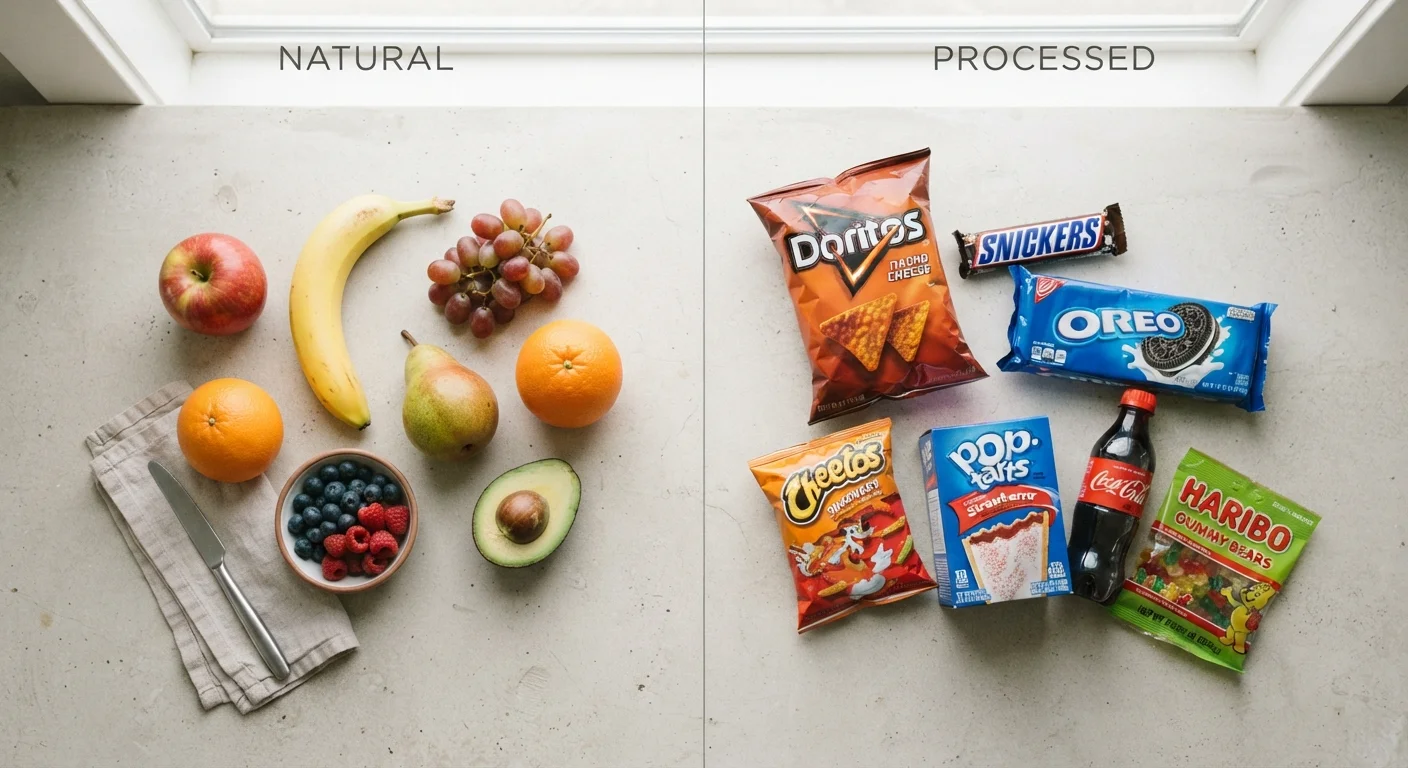
Natural sugars are those present in whole, unprocessed foods as they exist in nature. The lactose in milk and the fructose in an apple are natural sugars. They were never introduced by a manufacturer; they're intrinsic to the food's structure.
Added sugars, by contrast, are sugars or syrups incorporated into food during processing, preparation, or cooking. This includes obvious examples like table sugar stirred into coffee, but also less visible sources: high-fructose corn syrup in bread, honey in granola bars, and concentrated fruit juice used as a sweetener in packaged products.
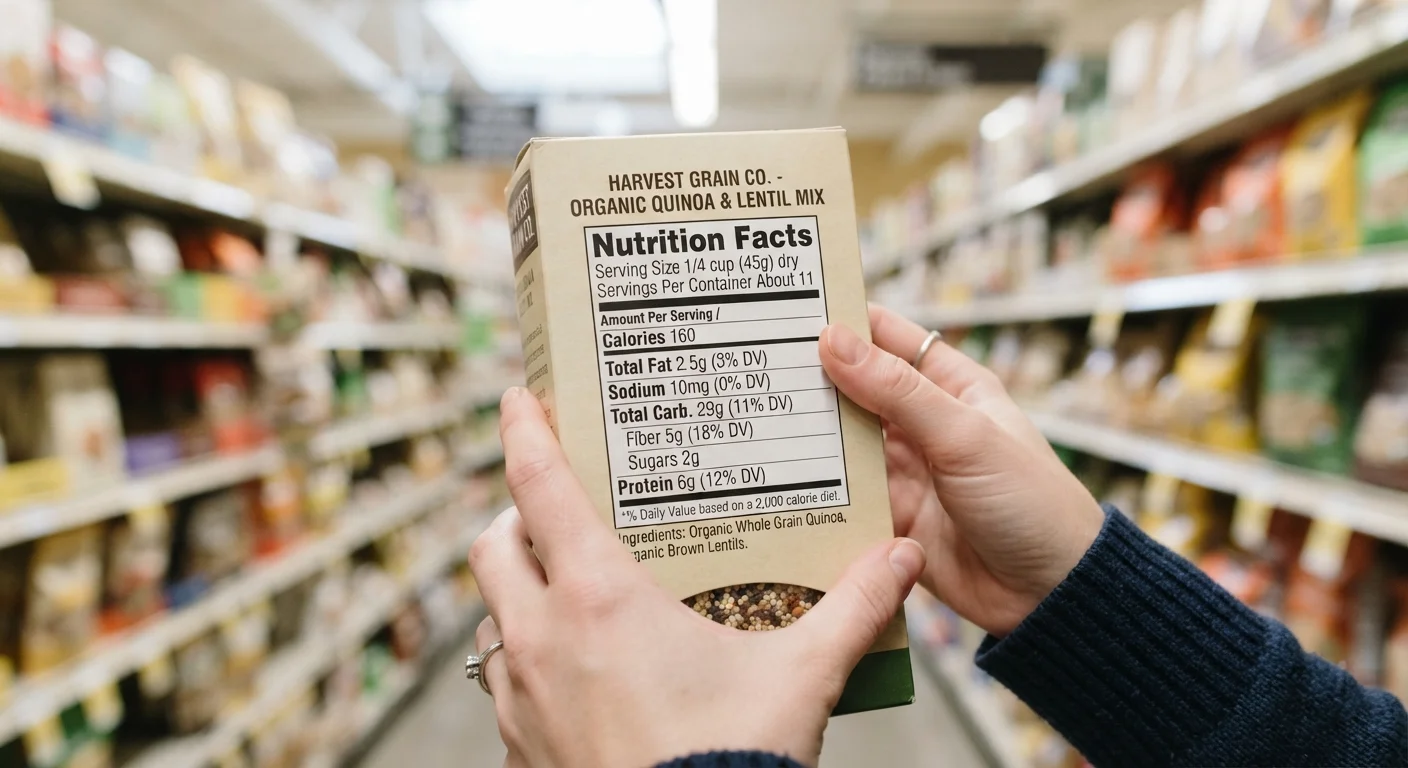
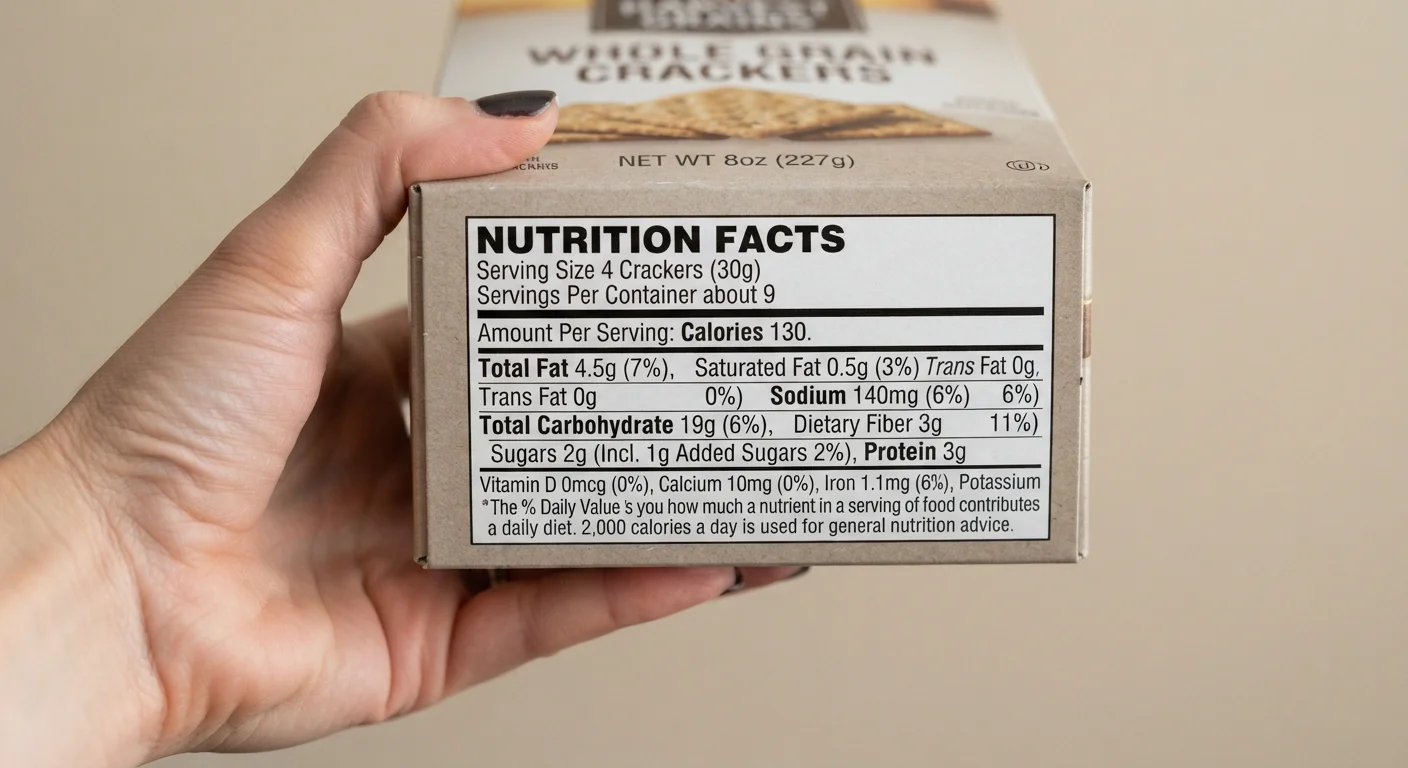
The U.S. Food and Drug Administration (FDA) now requires food manufacturers to list added sugars separately on the Nutrition Facts panel - a change that took effect between 2020 and 2021 for most manufacturers. This makes it considerably easier to distinguish between sugars that were always in a food and those that were put there. See our guide to reading a Nutrition Facts label for a full walkthrough of the panel.
| Criterion | Natural Sugar | Added Sugar |
|---|---|---|
| Origin | Inherent in whole foods | Introduced during processing |
| Example sources | Fruit, milk, plain vegetables | Soda, candy, flavored yogurt, bread |
| Comes with nutrients? | Yes - fiber, vitamins, minerals | Rarely, if ever |
| Listed separately on label? | No | Yes - dedicated FDA-required line |
| Subject to dietary limits? | No specific guideline limit | Under 10% of daily calories (DGA) |
| Absorption speed | Moderated by food matrix | Generally faster, less buffering |
Why the Distinction Matters for Your Health
The practical concern isn't the sugar molecule - it's what comes with it. When you eat an orange, the fructose arrives alongside fiber, vitamin C, potassium, and water. That matrix of nutrients slows digestion, promotes fullness, and delivers measurable nutritional benefit.
Added sugar offers none of that buffering. A can of soda or a sweetened yogurt delivers a concentrated sugar load with little or no accompanying fiber or protein to moderate absorption. Over time, high added-sugar intake has been consistently associated in nutrition research with increased risk of weight gain, dental cavities, and metabolic disruption - though it's important to note that diet is complex and individual context matters.
17 tsp
Average daily added sugar intake (US adults)
According to CDC analyses of national dietary surveys, US adults consume an estimated 17 teaspoons of added sugar daily - well above the recommended ceiling.
~36%
Share of added sugar from beverages
The CDC estimates that sugar-sweetened beverages, including sodas, energy drinks, and fruit drinks, account for roughly a third of added sugar intake in the US diet.
50g
FDA Daily Value for added sugars
The FDA set the Daily Value for added sugars at 50 grams per day, the reference figure used to calculate the percent Daily Value on Nutrition Facts labels.
The 2020-2025 Dietary Guidelines for Americans, published by the U.S. Departments of Agriculture and Health and Human Services, specifically recommend limiting added sugars to less than 10% of daily calorie intake. Natural sugars are not subject to the same guidance because they come embedded in nutritionally valuable foods.
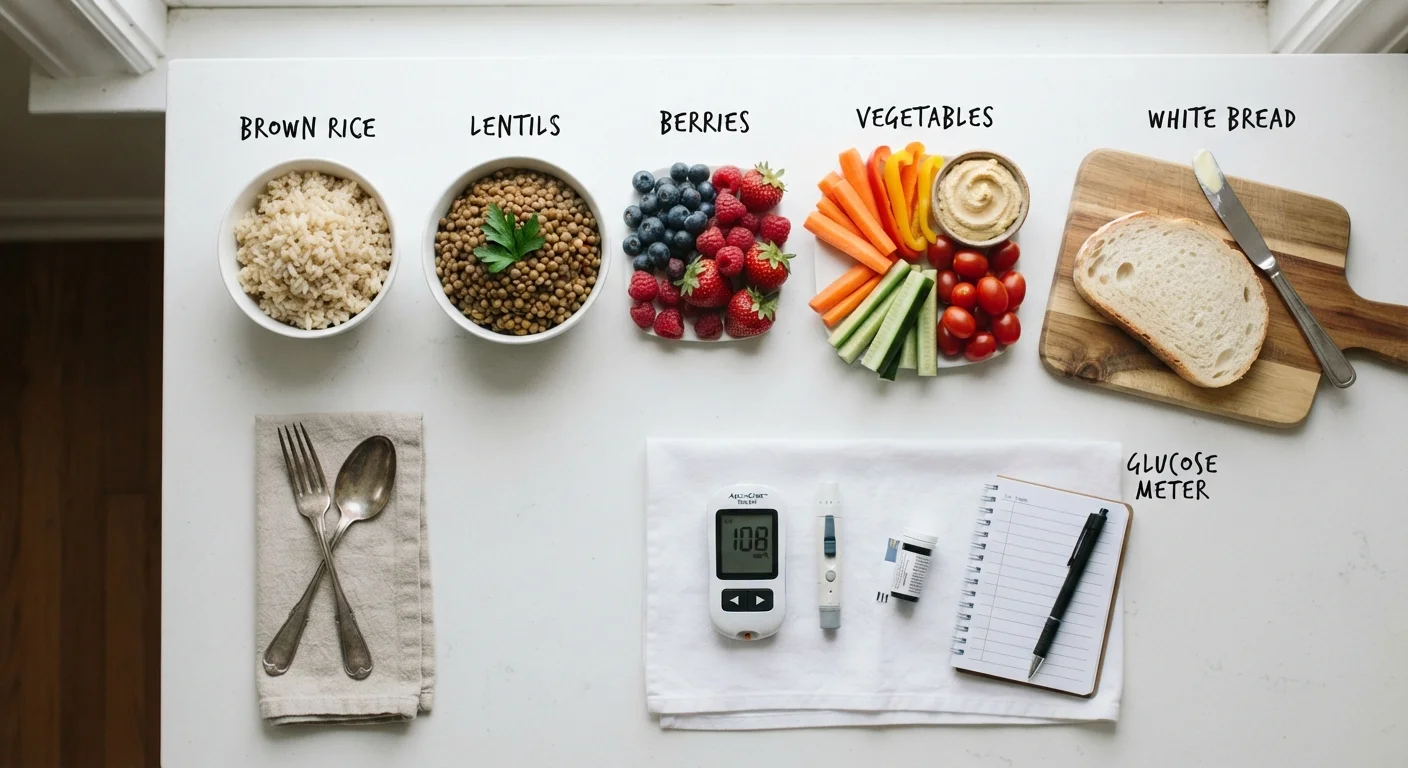
For related context on how blood sugar response varies across foods, see what the glycemic index measures and when it's useful.
Where Added Sugar Hides - and How to Spot It
Many Americans consume more added sugar than they realize because it appears in foods not typically perceived as sweet. Bread, pasta sauce, salad dressing, flavored oatmeal, protein bars, and low-fat yogurt are common carriers.
On ingredient lists, added sugar appears under dozens of names: cane sugar, brown rice syrup, agave nectar, maltose, dextrose, evaporated cane juice, and fruit juice concentrate are among the most common. A useful rule: if multiple sweetener names appear in the first several ingredients, that product likely has a meaningful added-sugar content.
The quickest check, however, is the Nutrition Facts panel. The dedicated Added Sugars line, expressed in grams and as a percentage of the Daily Value (based on 50 grams per day), tells you directly how much was put in - not how much was always there. Our nutrition label decoder explains what those percentage values actually mean in practice.
Understanding the sugar distinction also pairs well with awareness of other hidden dietary inputs. Sodium follows a similar pattern - most of it enters the diet through processed foods rather than through deliberate addition at the table.
This article is for general informational purposes only and is not a substitute for professional medical or nutritional advice. Consult a qualified healthcare provider before making significant changes to your diet, particularly if you have a medical condition.