Understanding the Core Differences
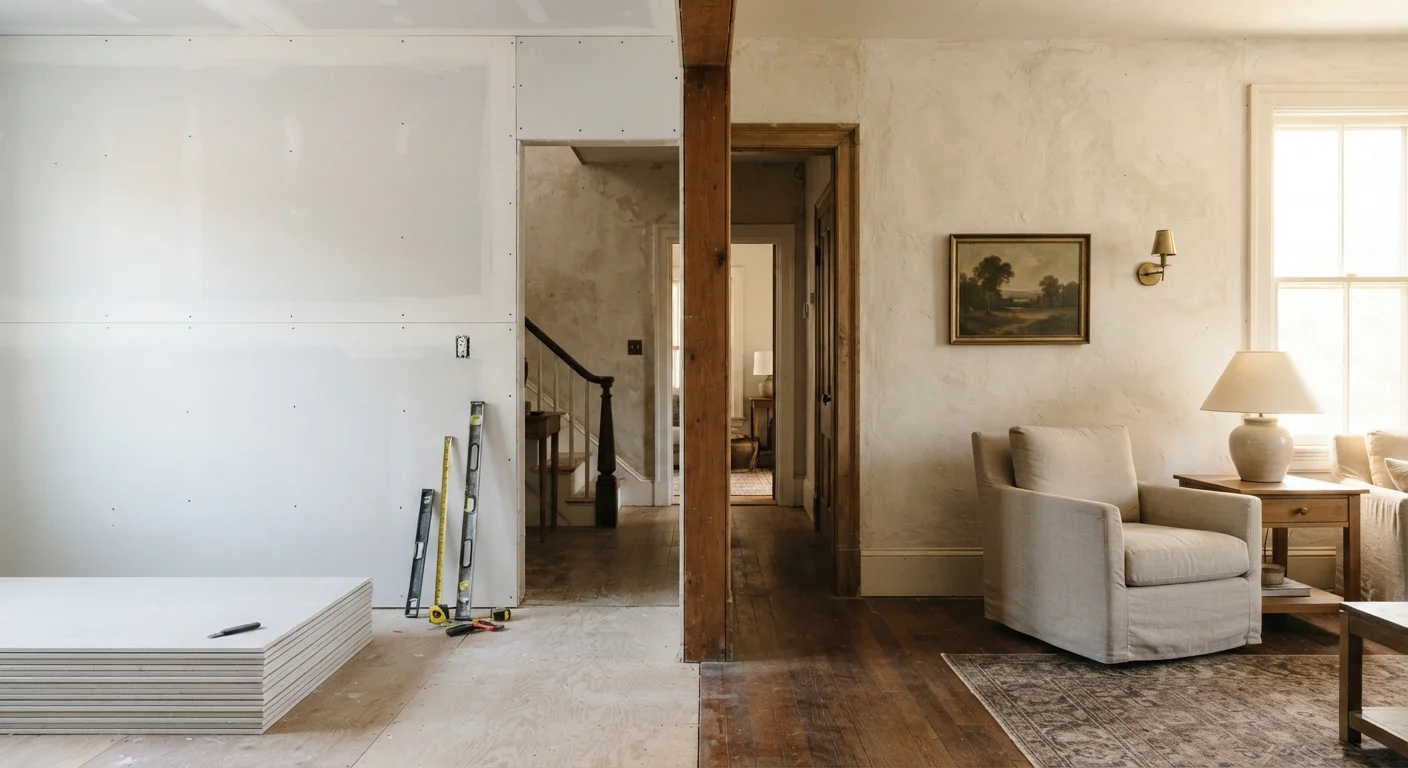
At their most basic, drywall and plaster are both interior wall systems - but they're built and applied in fundamentally different ways. Drywall (also called gypsum board or wallboard) consists of a gypsum plaster core pressed between two sheets of paper. Panels are manufactured in standard sizes, screwed to wall studs, and finished with joint compound and tape. The entire process is relatively fast and forgiving.
Plaster, by contrast, is a wet-applied system. Traditional plaster involves multiple coats - typically a scratch coat, a brown coat, and a finish coat - applied over a base called lath (historically thin wood strips, now often metal mesh or gypsum board). Each coat must cure before the next is applied, making plaster installation significantly more time-intensive.
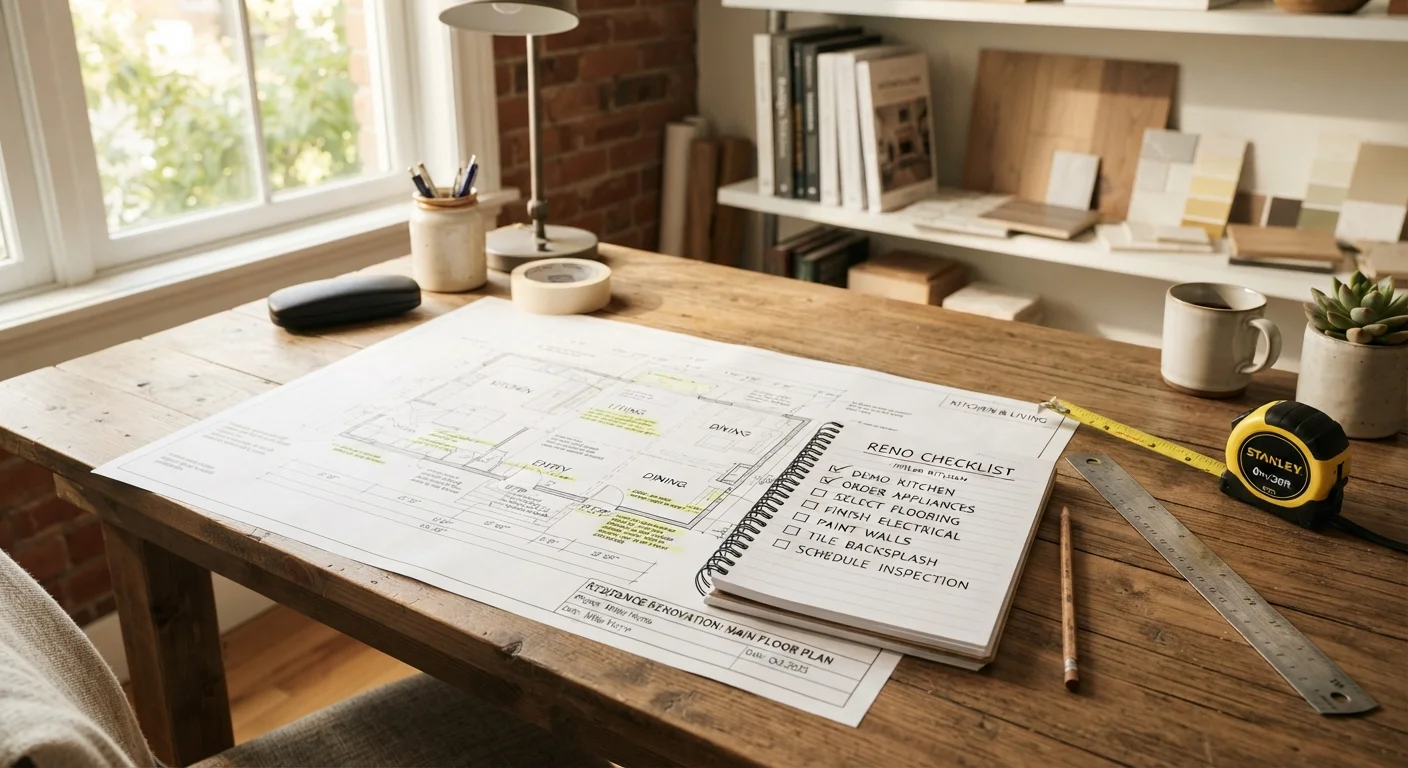
Before deciding, it's worth running through your full renovation scope. See our renovation planning checklist to map out budget, timeline, and permit considerations before committing to either system.
| Criterion | Drywall | Plaster |
|---|---|---|
| Installation speed | Fast (days) | Slow (days to weeks) |
| Material cost | Lower | Higher |
| Labor skill required | Moderate (DIY-friendly) | High (trade skill) |
| Surface hardness | Moderate | High |
| Sound dampening | Moderate | Superior |
| Repairability (DIY) | Easy to patch | Difficult; often needs pro |
| Historic compatibility | Low | High |
| Moisture resistance (standard) | Low (use moisture-resistant type) | Low (use appropriate finish) |
Cost, Labor, and DIY Feasibility
Drywall is generally less expensive in both materials and labor. A professional drywall installation typically runs less per square foot than a plastered finish, largely because drywall goes up quickly and requires less specialized skill. For confident DIYers, hanging and finishing drywall is achievable with patience and practice - mistakes are correctable, and materials are easy to source.
Plaster work is a trade craft. Achieving a smooth, crack-free plaster finish requires experience with mixing, timing, and application technique. Skilled plasterers are less common than drywall contractors, which can push labor costs higher and extend project timelines. That said, plaster's density means fewer callbacks for nail pops or surface dents over time.
90%+
New US homes built with drywall
Drywall has dominated new residential construction in the United States since the mid-20th century, according to industry estimates from the Gypsum Association.
3-5x
Longer installation time for plaster vs. drywall
Multi-coat plaster systems require curing time between layers, making the overall installation process significantly longer than drywall in comparable spaces.
100+ years
Lifespan of intact plaster walls
Historic preservation organizations note that original plaster walls in well-maintained older homes frequently remain structurally sound after a century of use.
It's also worth noting a common renovation myth: assuming DIY always cuts costs. Labor savings are real with drywall, but botched plaster work can be expensive to redo. Our article on renovation myths that cost homeowners money explores this dynamic in more depth.
Durability, Acoustics, and Moisture Resistance
Plaster has a clear durability advantage in its cured state. A properly applied three-coat plaster wall is harder and more resistant to dents and surface damage than standard half-inch drywall. In older homes, intact plaster walls can last well over a century with minimal maintenance.
On acoustics, plaster wins again. Its greater mass and density absorb and block sound more effectively than a single layer of drywall. Homeowners in urban areas or multi-story homes often notice the difference. (Note: specialty acoustic drywall products exist, but they add cost.)
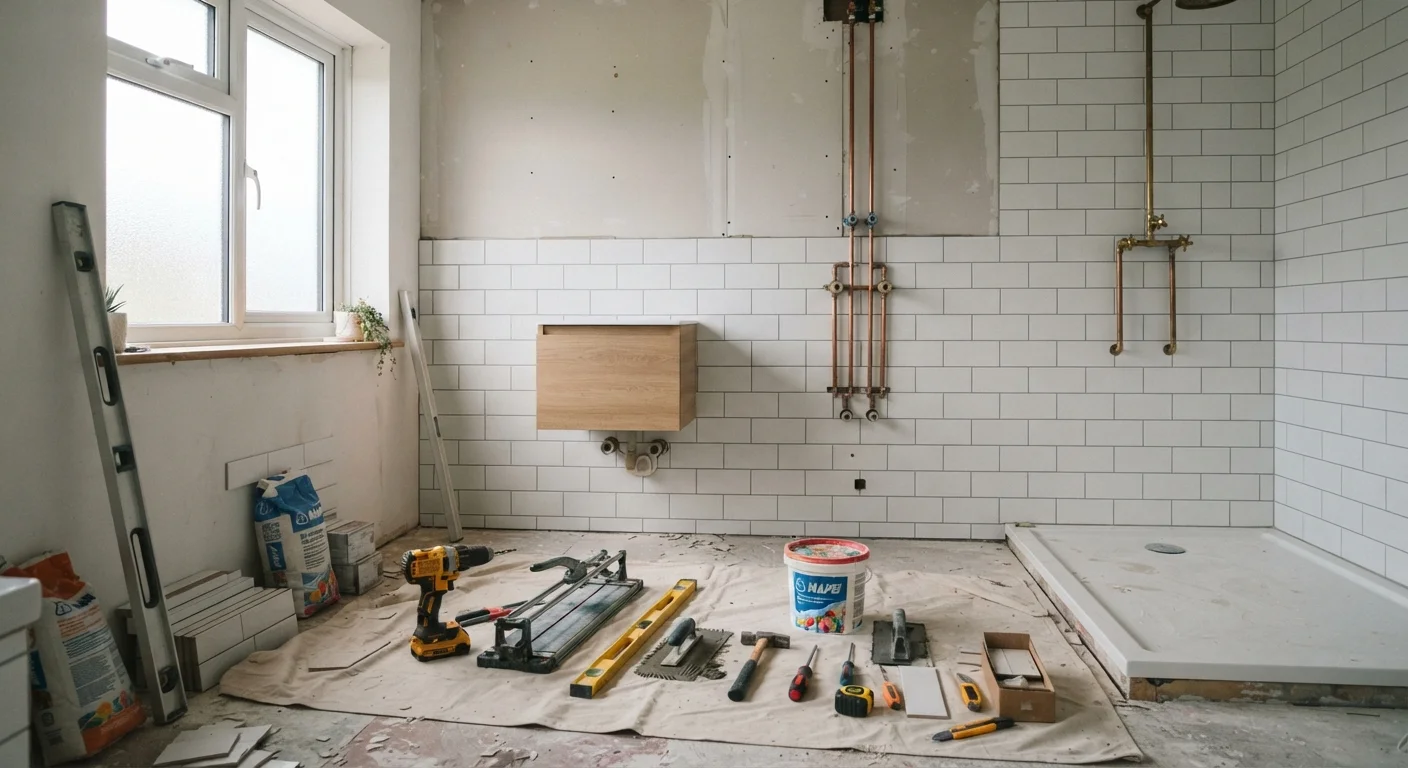
Moisture resistance is more nuanced. Neither standard drywall nor plaster handles sustained moisture well without appropriate treatment. In wet areas like bathrooms, cement board or moisture-resistant drywall (sometimes called greenboard) is the standard approach regardless of what the rest of the home uses. For bathroom remodel specifics - including where wall material choices intersect with tile and plumbing decisions - our bathroom remodel guide covers those tradeoffs in detail.
Permits and Historic District Rules
If your home is located in a designated historic district, local preservation guidelines may specify which wall materials are acceptable during renovation. Some municipalities require that visible finishes - including walls - match the period character of the structure. Always check with your local building department or historic preservation office before demolishing existing plaster or substituting materials. Permit requirements for wall work vary by jurisdiction, and what's allowed in one city may require review in another.
Which Should You Choose?
For most contemporary renovations, drywall is the practical default - it's affordable, widely available, and well within reach for skilled DIYers. It pairs naturally with modern framing standards and finishes cleanly under paint or wallpaper.
Choose plaster if your home is pre-1950s and already has plaster walls (matching materials avoids compatibility headaches), if you're in a historic district with preservation requirements, or if acoustic performance is a priority and budget allows for skilled labor.
When in doubt, consult with a licensed contractor who can assess your existing wall system, local code requirements, and structural conditions before you commit. Material choices interact with many other renovation decisions - what looks straightforward on paper can carry hidden complexity once walls come open.