Why Regular Maintenance Matters
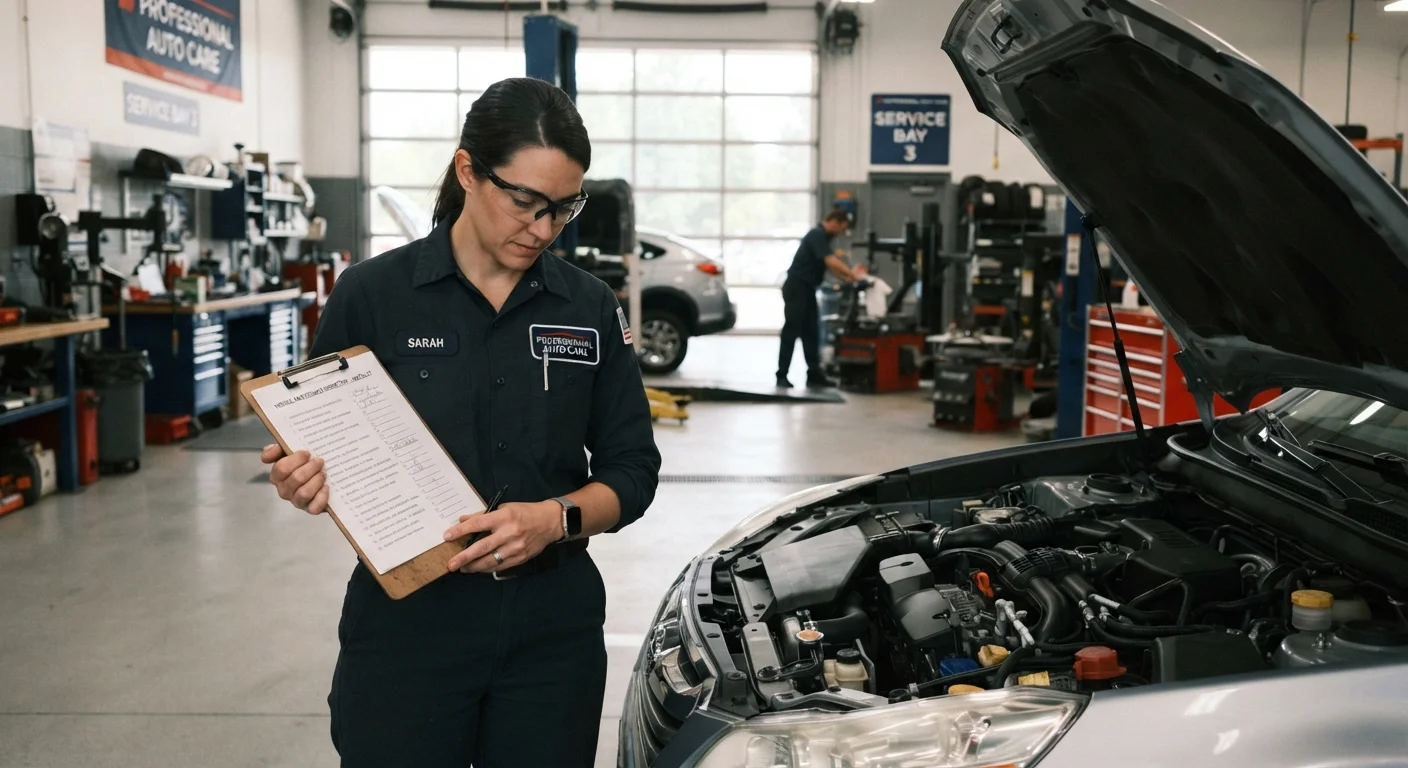
A vehicle is a significant financial investment, and like any complex machine, it performs best when serviced on a predictable schedule. The logic is straightforward: small, inexpensive interventions-changing oil, inspecting brakes, rotating tires-prevent the large, costly failures that sideline drivers unexpectedly.
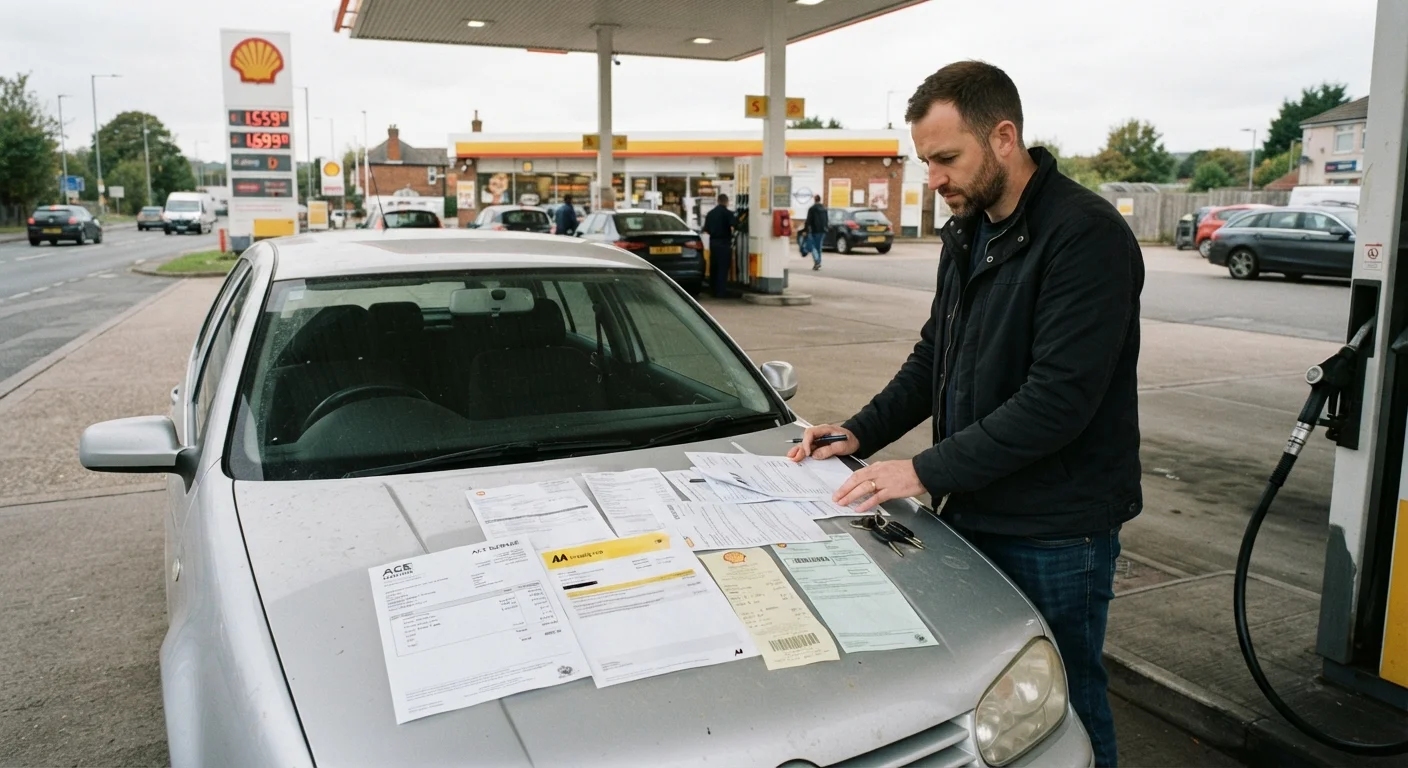
The long-term financial case for scheduled maintenance extends beyond breakdowns. Well-documented service history supports higher resale values, and a mechanically sound vehicle is a safer one. For drivers thinking about what ownership truly costs, our full breakdown of ongoing ownership costs provides useful context.
~$1,200
Average annual car maintenance cost per vehicle
AAA's annual Your Driving Costs study consistently estimates annual maintenance and repair costs in this range for average US drivers.
35%
Of vehicles on road with low or degraded engine oil
Industry surveys from automotive research groups suggest a significant share of vehicles operate with oil that is overdue for a change or at low levels.
60,000-100,000 mi
Typical timing belt replacement interval
Manufacturer service schedules vary; consult your specific owner's manual rather than relying on general industry estimates.
Engine Oil and Other Essential Fluids
Engine oil lubricates moving parts, reduces heat, and carries contaminants away from critical components. Most modern vehicles use either full synthetic or synthetic-blend oil; check your owner's manual for the correct viscosity grade rather than defaulting to a universal recommendation. Oil change intervals vary by vehicle and oil type-many newer models can go 7,500 to 10,000 miles between changes, but older vehicles or those driven under severe conditions (frequent short trips, extreme temperatures, towing) may need changes closer to 5,000 miles.
Beyond oil, these fluids deserve regular attention:
- Coolant (antifreeze): Regulates engine temperature. Check the reservoir level when the engine is cold and inspect for discoloration or debris that signals contamination.
- Brake fluid: Hydraulic fluid that transfers force to brake calipers. It absorbs moisture over time, which lowers its boiling point and reduces braking effectiveness.
- Power steering fluid: Many modern vehicles use electric power steering and don't have this reservoir, but older models do-low levels often cause whining or heavy steering.
- Windshield washer fluid: Low stakes, but running dry at the wrong moment is a genuine visibility hazard.
- Transmission fluid: Often overlooked; dirty or low fluid can cause rough shifting and, eventually, expensive transmission damage.
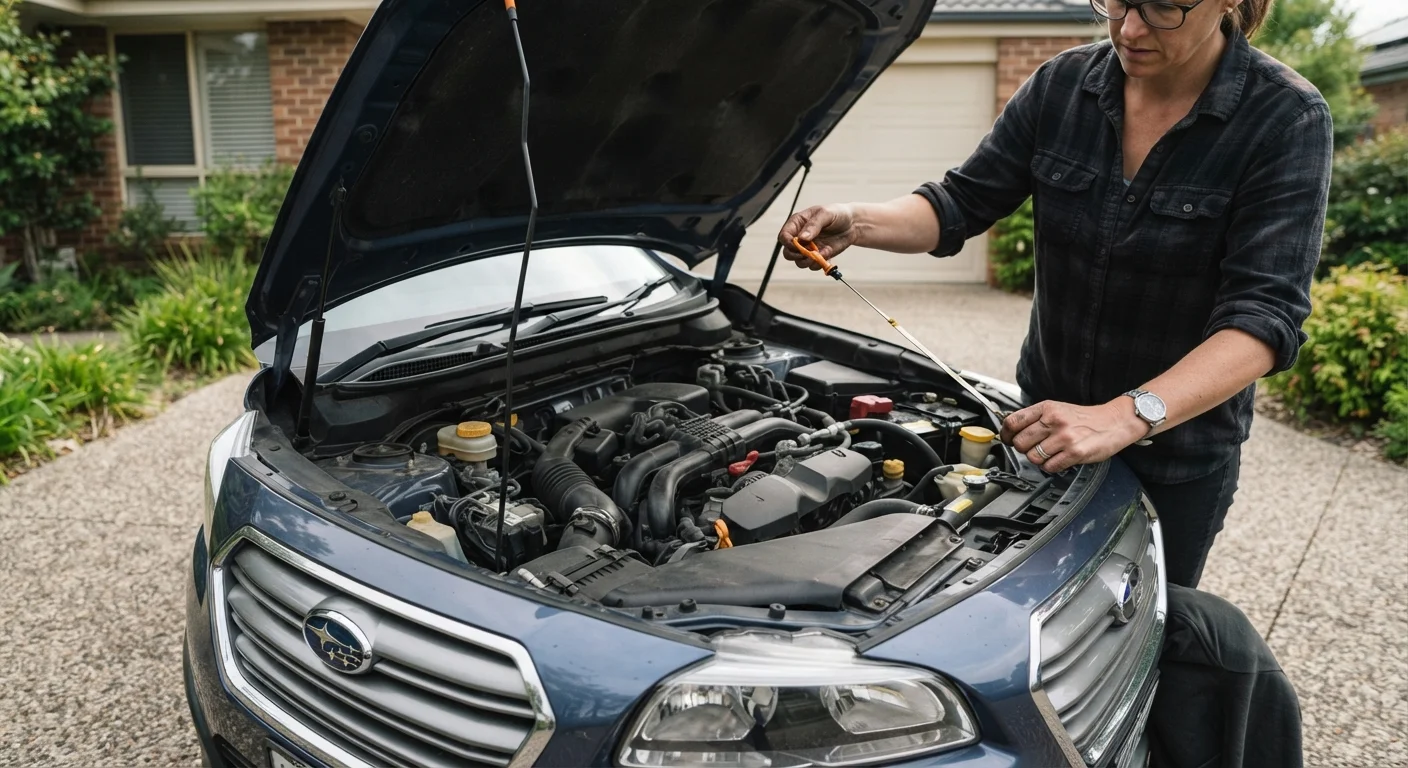
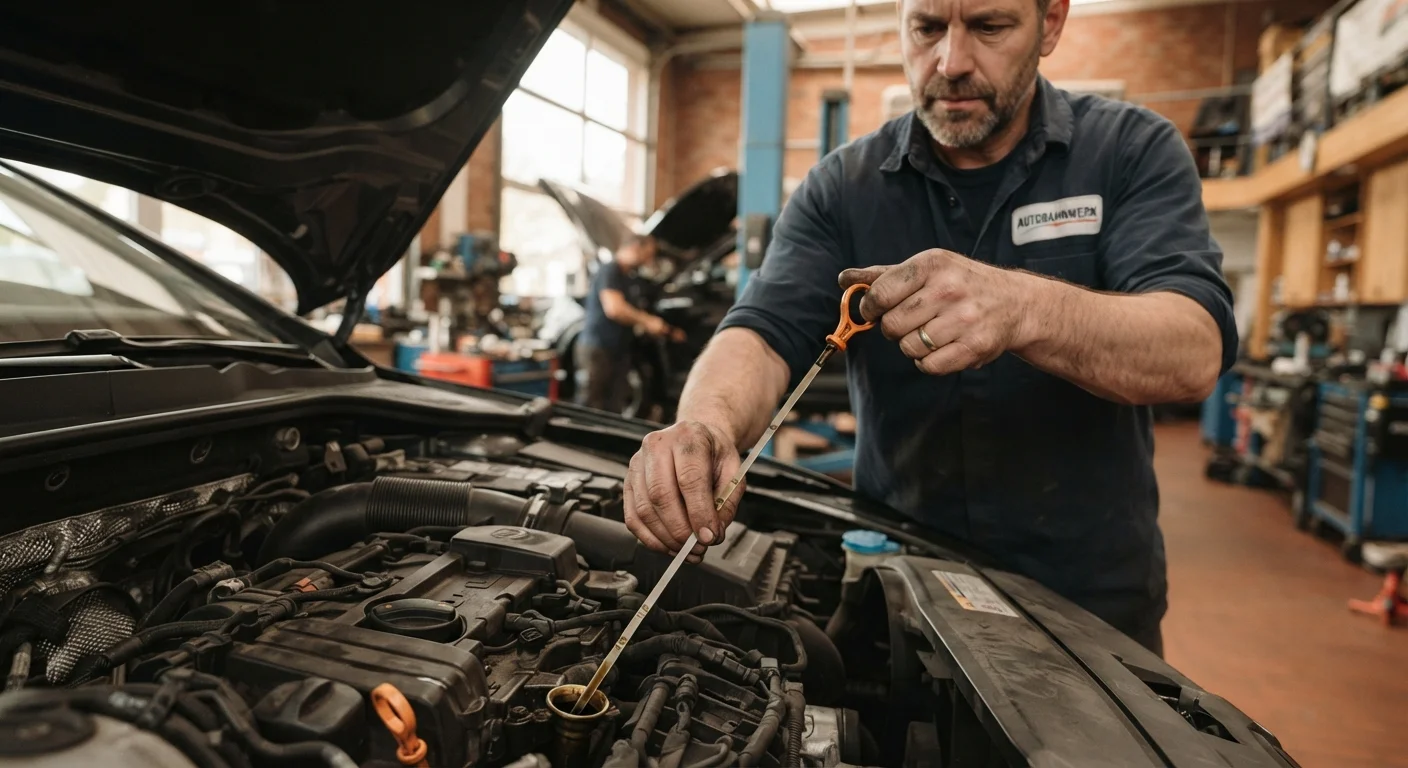
Check your oil when the engine is warm but off for at least five minutes-this gives you a stable reading without the risk of hot oil splashing. Wipe the dipstick clean, reinsert fully, then withdraw for an accurate level check.
A common mistake is reading the dipstick immediately after shutting down a hot engine, when oil is still draining back from the upper engine, leading to an artificially low reading.
When in doubt about any fluid specification-oil viscosity, coolant type, transmission fluid-always defer to your owner's manual over the label on the product shelf. Using the wrong specification can void warranty coverage and cause component damage.
Modern vehicles use an increasingly diverse range of fluid specifications; a generic recommendation at a parts counter is not a substitute for manufacturer-specified requirements.
Tires: Pressure, Rotation, and Tread
Tires are the only part of your vehicle touching the road, making their condition a direct safety factor. Three checks matter most:
- Tire pressure: Check monthly with a quality gauge when tires are cold (driven fewer than a mile). The correct pressure is printed on the sticker inside your driver's door jamb-not on the tire's sidewall, which shows the maximum allowable pressure.
- Tread depth: Insert a quarter into a tread groove with Washington's head pointing down. If the top of his head is visible, tread depth is at or below 4/32 inch-consider replacement. At 2/32 inch (penny test), tires are legally worn out in most states.
- Rotation: Rotating tires every 5,000 to 7,500 miles evens out wear patterns, extending tire life and maintaining handling balance.
Also inspect tires periodically for sidewall cracks, bulges, or embedded objects. A bulge is a structural failure waiting to happen and warrants immediate replacement.
Brakes: What to Watch and When to Act
Brakes are a safety-critical system. Recognizing the warning signs early keeps repair costs reasonable and, more importantly, keeps you and others safe on the road.
Never Ignore Brake Warning Signs
Squealing, grinding, or a spongy brake pedal are not symptoms to monitor-they are prompts to schedule an inspection immediately. Brake system failures can occur without further warning once wear reaches a critical threshold. If your brake warning light illuminates on the dashboard, have the vehicle inspected before driving it further whenever safely possible.
Common indicators of brake wear or problems include:
- Squealing or squeaking: Most brake pads include a metal wear indicator designed to squeal when the pad is getting thin-this is a prompt to have brakes inspected, not ignored.
- Grinding: Metal-on-metal contact means the pad material is gone. This can damage rotors quickly and substantially increases repair cost.
- Pulsating or vibrating brake pedal: Often signals warped rotors, which reduce consistent stopping power.
- Pulling to one side: Can indicate uneven brake wear, a stuck caliper, or a fluid issue.
- Soft or spongy pedal: A pedal that sinks toward the floor suggests air in the brake lines or a brake fluid issue-have it inspected promptly.
Brake inspection is also a good time to check brake fluid level and condition. If the fluid appears dark brown rather than clear-to-light-yellow, a flush is likely overdue.
Belts, Filters, and Battery
Timing belt or timing chain: The timing belt synchronizes your engine's internal components. On interference engines, a snapped belt can cause severe internal engine damage. Most manufacturers specify replacement between 60,000 and 100,000 miles-check your owner's manual and don't skip this service. Many newer vehicles use a metal timing chain instead, which generally lasts the life of the engine but still requires proper oil maintenance to stay healthy.
Serpentine belt: Drives the alternator, power steering pump, air conditioning compressor, and other accessories. Look for cracking, fraying, or glazing. Replacement is typically recommended around 60,000 to 100,000 miles.
Air filter: A clogged engine air filter reduces airflow and can affect fuel economy and performance. Inspect annually or every 12,000-15,000 miles; replace when visibly dirty or per the manufacturer's schedule.
Cabin air filter: Filters air entering the passenger compartment. A clogged cabin filter can reduce HVAC system effectiveness and airflow. Easy to replace and often done more cheaply as a DIY task.
Battery: Most car batteries last three to five years. Signs of a weakening battery include slow engine cranking, the battery warning light, or headlights dimming at idle. Many auto parts stores offer free battery testing, which is useful before a battery reaches three years of age.
Reading Warning Lights and Using Your Owner's Manual
Modern vehicles monitor dozens of systems and display warning lights when something needs attention. A few critical ones:
- Check Engine Light (CEL)
- Can indicate anything from a loose gas cap to a misfiring engine. A steady CEL typically means a non-urgent fault; a flashing CEL usually signals an active misfire that can damage the catalytic converter-reduce speed and seek service promptly.
- Oil Pressure Warning
- A red oil can icon means low oil pressure, not just low oil level. Pull over safely and turn off the engine as soon as possible-driving on low oil pressure can destroy an engine rapidly.
- Temperature Warning
- An overheating engine should be shut off promptly. Do not remove the radiator cap while hot.
- TPMS (Tire Pressure Monitoring System)
- Alerts when one or more tires are significantly under-inflated. Note that TPMS is a backup warning-it doesn't replace monthly manual pressure checks.
Your owner's manual is the most accurate source of information for your specific vehicle. It details correct fluid specifications, service intervals, and what each warning symbol means. If you don't have a physical copy, most manufacturers make them available as free PDF downloads.
Oil Pressure Light Means Stop Now
The red oil pressure warning light is one of the few dashboard indicators that requires immediate action-not a scheduled appointment. Continuing to drive with low oil pressure, even for a short distance, can cause catastrophic and irreversible engine damage. Pull over safely, shut off the engine, and check oil level only after the engine has cooled. Contact a mechanic before restarting.
Building a Maintenance Routine That Sticks
The biggest barrier to good maintenance isn't knowledge-it's follow-through. A few practical approaches help:
- Use your odometer, not the calendar: For most maintenance items, mileage is a more reliable trigger than elapsed time, especially for drivers with irregular schedules.
- Keep a simple service log: A notes app or a dedicated maintenance log app can record dates, mileage, and what was done. This documentation also supports a vehicle's resale value.
- Know which tasks are worth doing yourself: Cabin air filter swaps, washer fluid top-offs, and visual tire inspections are genuinely beginner-friendly. Other jobs-brake work, suspension components, anything involving the fuel system-are best handled by a qualified mechanic. See our guide on DIY tasks worth learning versus jobs best left to a mechanic for a clear breakdown.
- Schedule appointments in advance: Treat oil changes like dentist appointments-book the next one before you leave.
If you're still in the process of choosing a vehicle, understanding its maintenance requirements upfront is worthwhile. Our car buying guidance covers what to evaluate before you commit. And for drivers introducing a teenager to vehicle ownership, teaching new drivers maintenance basics alongside road skills is a meaningful head start.
Set a Mileage-Based Reminder
Add a recurring reminder to your phone tied to your current odometer reading plus the service interval mileage. This takes the guesswork out of timing and prevents the common drift of 'I'll do it next month.' Most smartphone calendar apps allow you to add a note field where you can log what was last serviced.