
A Two-Way Street: How Sleep and Mental Health Influence Each Other
Most people know that a bad night's sleep leaves them irritable and foggy. What's less widely understood is that this relationship runs in both directions - and that it operates on a neurological level, not just an experiential one.
When you sleep poorly, the brain's emotional processing centers become more reactive. Research using neuroimaging has shown that sleep-deprived individuals show significantly stronger responses to negative stimuli in the amygdala - the brain region central to fear and threat detection - with weakened connection to the prefrontal cortex, which governs rational thinking and impulse control. In plain terms: poor sleep makes emotions harder to manage.
The reverse is equally true. Anxiety can prime the brain into a state of hyperarousal that prevents restful sleep. Depression is often accompanied by changes in sleep architecture - particularly reduced REM sleep or early-morning waking. This creates a reinforcing loop that can be difficult to interrupt without addressing both sides simultaneously.
Sleep quality matters as much as quantity
Logging eight hours in bed doesn't guarantee restorative sleep. Fragmented sleep - where you wake repeatedly - can reduce time spent in REM and deep sleep stages even if total duration appears adequate. If you often feel unrefreshed after a full night, it's worth discussing sleep quality with a healthcare provider, as conditions such as sleep apnea can be a factor.
This bidirectional dynamic is one reason why sleep is increasingly considered a core pillar of mental wellness - alongside physical activity and social connection.
What Happens in the Brain During Sleep
Sleep is not a passive state. The brain cycles through distinct stages - including light sleep, deep (slow-wave) sleep, and REM sleep - each serving different restorative functions.
REM sleep is particularly relevant to mental health. During REM, the brain replays and processes emotional experiences from the day, helping to reduce the emotional charge of difficult memories - a process sometimes described as "overnight therapy." Disrupting or shortening REM sleep compromises this function, leaving emotions less processed and more raw the following day.
Deep slow-wave sleep, meanwhile, is critical for clearing metabolic waste from the brain and consolidating memories. Chronically disrupted deep sleep is associated with cognitive difficulties including impaired concentration and reduced problem-solving ability.
~1 in 3
US adults regularly not getting enough sleep
According to data from the Centers for Disease Control and Prevention (CDC), insufficient sleep is a recognized public health concern across the United States.
10×
Increased odds of depression with insomnia
Studies published in sleep medicine literature suggest that people with chronic insomnia are significantly more likely to develop depression than those without sleep disorders.
7-9 hrs
Recommended nightly sleep for most adults
This range reflects guidance from major sleep research bodies and is associated with better cognitive performance and emotional regulation in observational studies.
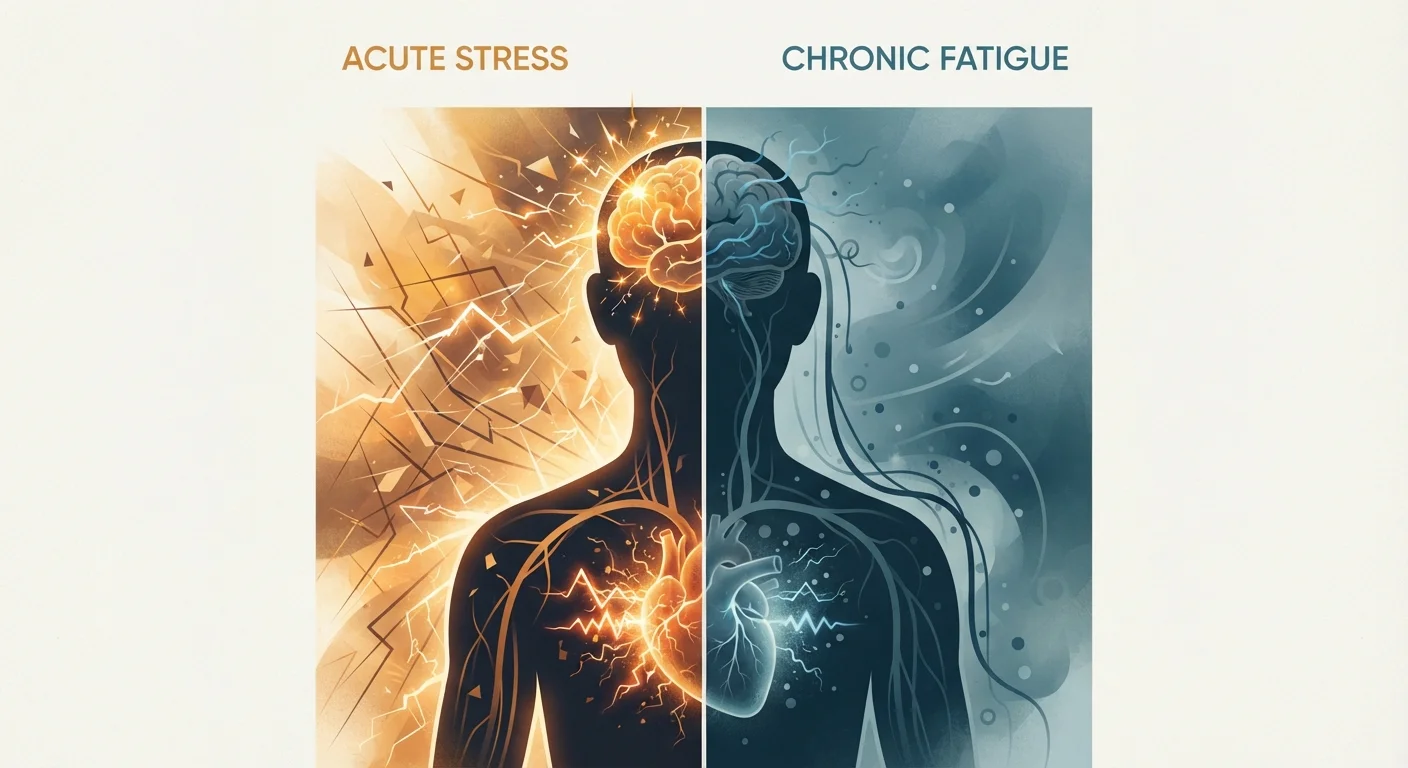
Understanding how stress affects the brain and body adds further context here: elevated cortisol - a key stress hormone - disrupts both sleep onset and sleep depth, creating another pathway by which mental and physical stress can undermine rest.
Recognising the Signs and Practical Considerations
Sleep problems manifest differently depending on the individual and their mental health context. Common patterns include difficulty falling asleep (often linked to anxiety), difficulty staying asleep or early-morning waking (often associated with depression), and hypersomnia - sleeping excessively - which can also accompany depressive episodes.
If you notice that your mood, emotional stability, or cognitive sharpness consistently correlates with how well you slept, that's a meaningful signal worth taking seriously. Structuring your daily routine around consistent sleep and wake times is one evidence-informed starting point.
Simple habits that support sleep quality
Going to bed and waking at consistent times - even on weekends - is one of the most well-supported behavioral strategies for improving sleep. Reducing bright screen exposure in the hour before bed and keeping the sleep environment cool and dark are also commonly recommended. These are general wellbeing practices; if sleep problems persist, seek professional guidance.
However, when sleep difficulties are persistent, severe, or intertwined with broader mental health concerns, self-help strategies alone may not be sufficient. A qualified healthcare professional can assess whether cognitive behavioral therapy for insomnia (CBT-I), medication, or treatment for an underlying condition is appropriate. This article provides general health education, not personal medical advice - always consult a professional for guidance specific to your situation.