Why Weekly Meal Planning Matters for Nutrition
Most nutritional gaps aren't caused by a lack of willpower - they're caused by a lack of preparation. When the week gets busy, meals default to whatever is fastest, not whatever covers the most food groups. A deliberate weekly plan interrupts that pattern by shifting decisions to a calmer, more intentional moment.
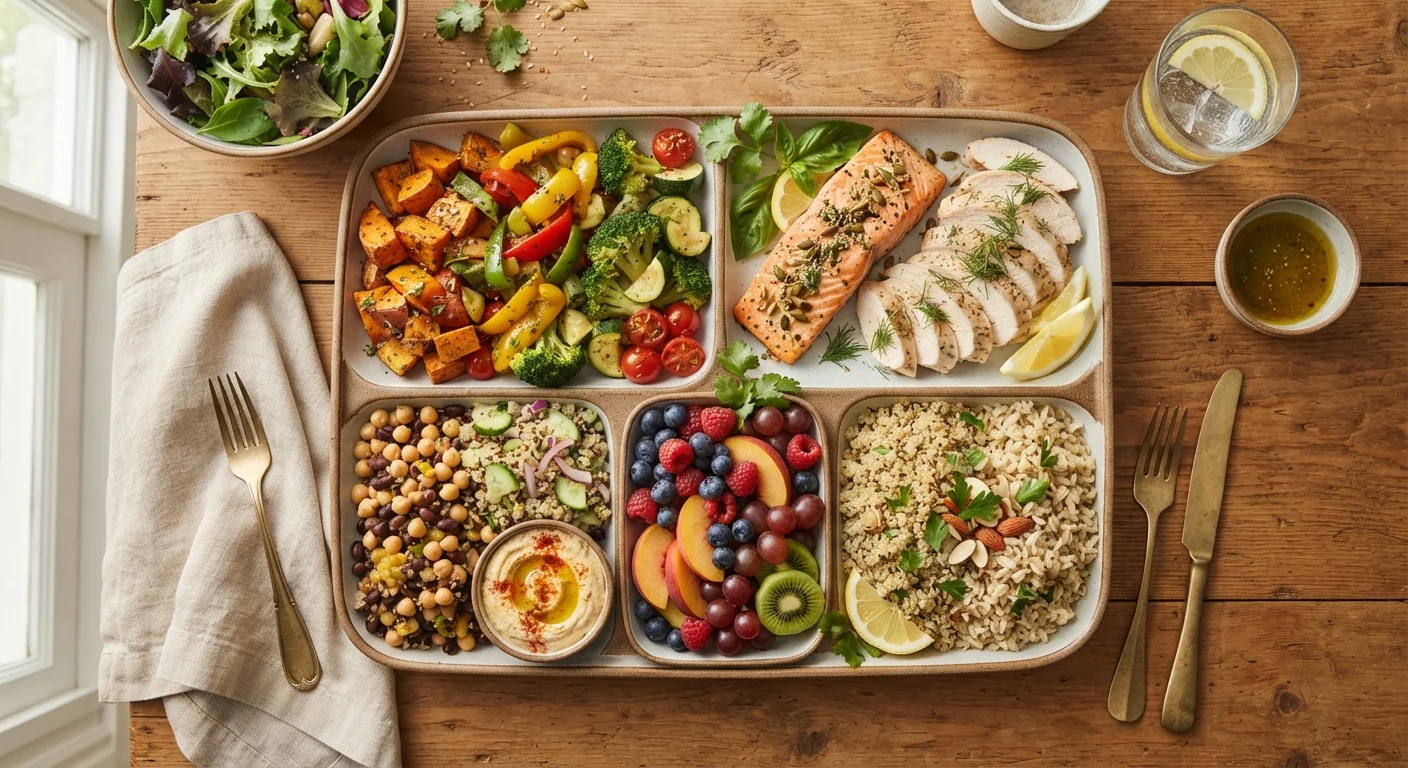
Meal planning also gives you a bird's-eye view of variety. It's easy to eat chicken and rice five nights in a row without noticing. A written plan exposes those repetitions before they happen, prompting you to swap in different vegetables, proteins, or grains. For a deeper look at how variety supports nutritional coverage, see our weekly eating audit guide.
The checklist below is organized into practical phases: assessing what you have, mapping meals to food groups, preparing your kitchen, and reviewing the final plan. Work through each section once a week - ideally before you grocery shop.
This Checklist Is Educational, Not Medical Advice
Nutritional needs vary significantly based on age, health status, activity level, and medical conditions. The guidance in this checklist reflects general public health principles and is not a substitute for personalized advice. If you have a chronic condition, specific dietary restrictions, or concerns about nutrient deficiencies, consult a registered dietitian or your healthcare provider before making significant changes to your diet.
Tools You'll Need
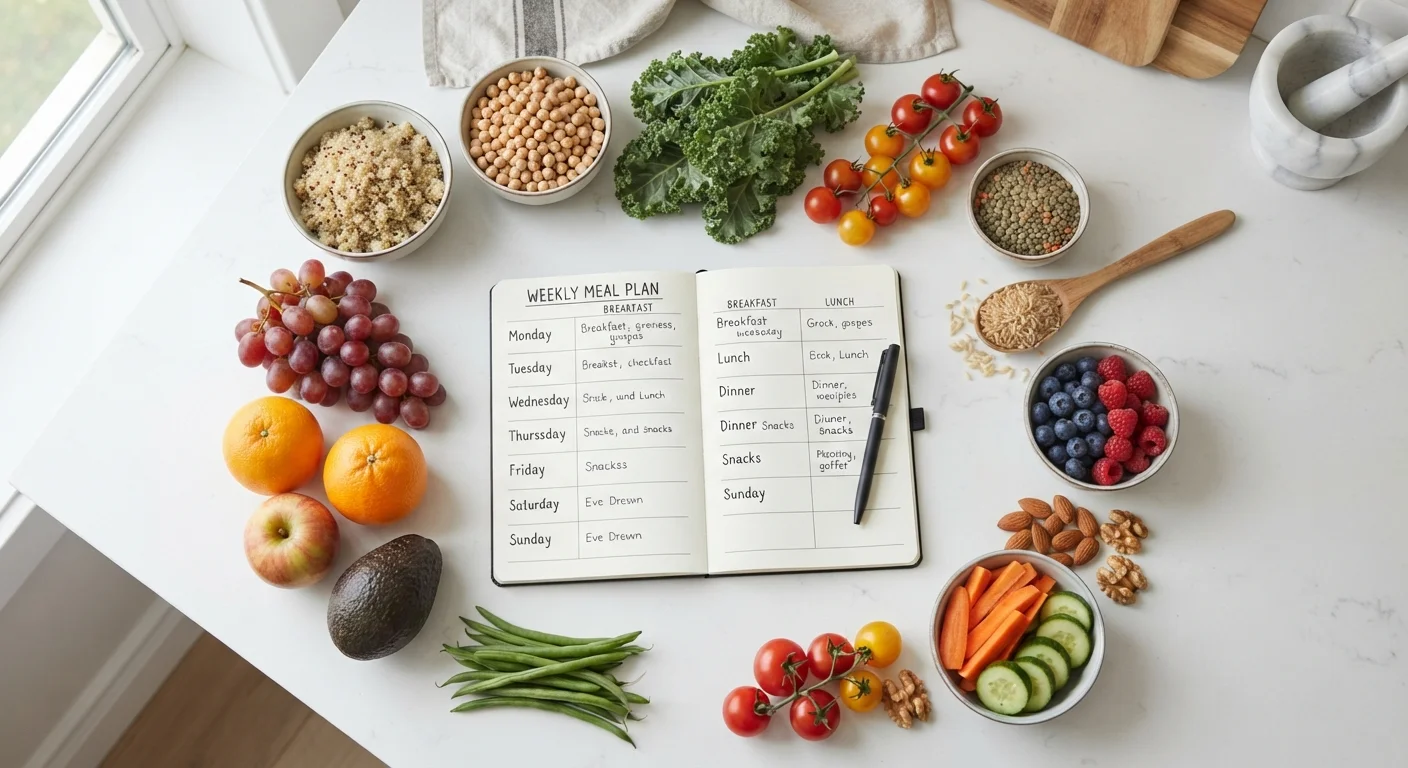
Before you start, gather a few simple resources. You don't need a specialized app - a notebook and a reference chart work just as well.
Weekly meal planning template (paper or digital)
Provides a structured grid to map breakfast, lunch, dinner, and snacks across seven days.
MyPlate food group reference
A free, government-produced visual guide from the USDA to help verify your plan covers key food groups.
Grocery list (notebook or app)
Consolidates all ingredients needed across the week's plan into a single organized shopping list.
Pantry and refrigerator inventory
A quick scan of what you already have on hand so you plan around existing ingredients and reduce waste.
Meal prep containers
Useful for storing batch-cooked grains, proteins, or chopped vegetables to speed up weeknight assembly.
The Weekly Meal Planning Checklist
Use this checklist each week, working through each group in order. Check items off as you complete them. The goal is not perfection - it's a plan that is nutritionally intentional and realistic for your schedule.
Assess Your Starting Point
Map Meals to Key Food Groups
Plan for Variety and Balance
Prepare Your Kitchen and Shopping List
Final Review
Don't Over-Plan to the Point of Rigidity
A plan that's too detailed or ambitious often collapses midweek, leaving you back at square one. Build in at least one 'flexible' meal slot - a night where leftovers, a simple grain bowl, or a rotisserie protein is the plan. A realistic plan you follow most of the week consistently outperforms a perfect plan you abandon by Wednesday.
Putting the Plan Into Practice
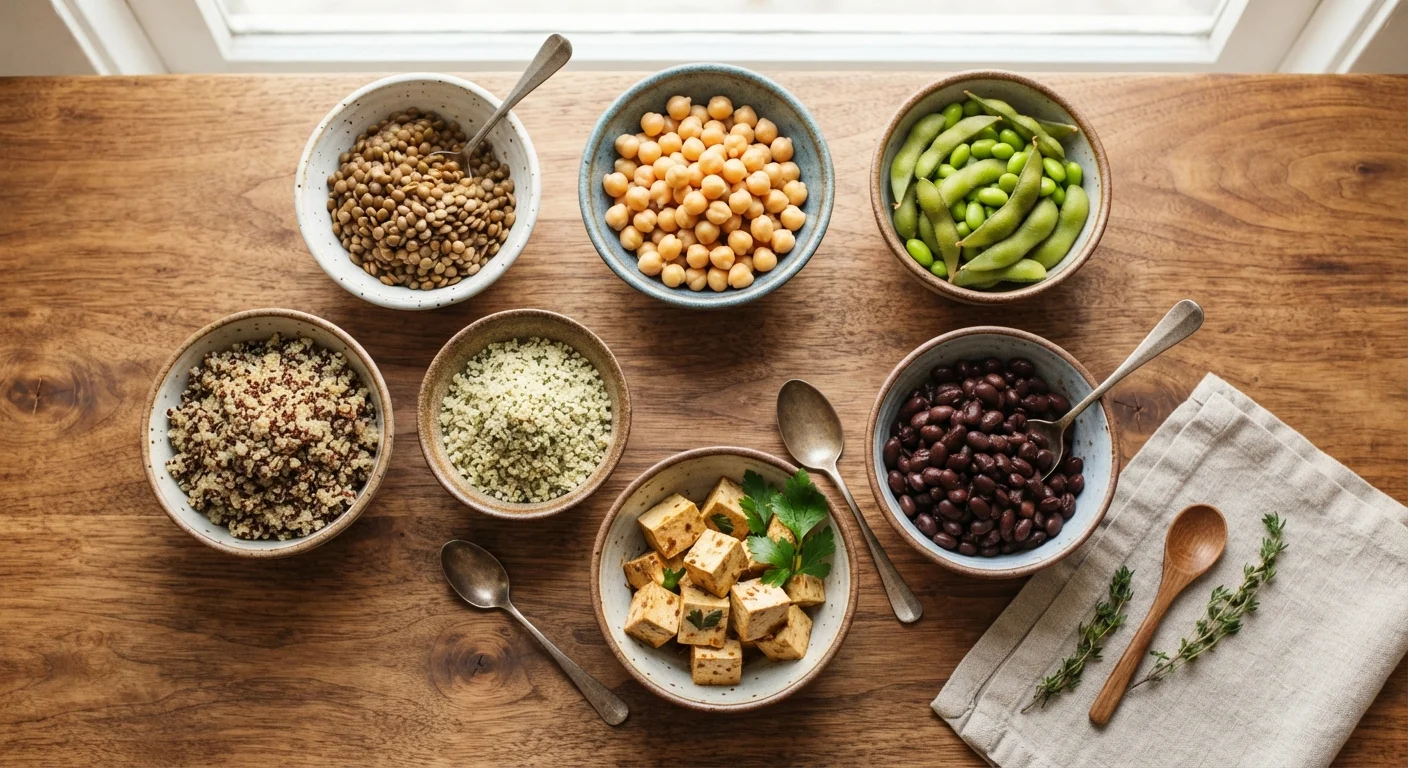
Once your plan is mapped, execution depends on a few habits. Batch-cooking a base grain (brown rice, farro, or quinoa) and a large batch of roasted vegetables on the weekend dramatically cuts weeknight prep time. If protein variety is a goal, plant-based protein sources like legumes and seeds are easy to add to existing meals without overhauling your entire diet.
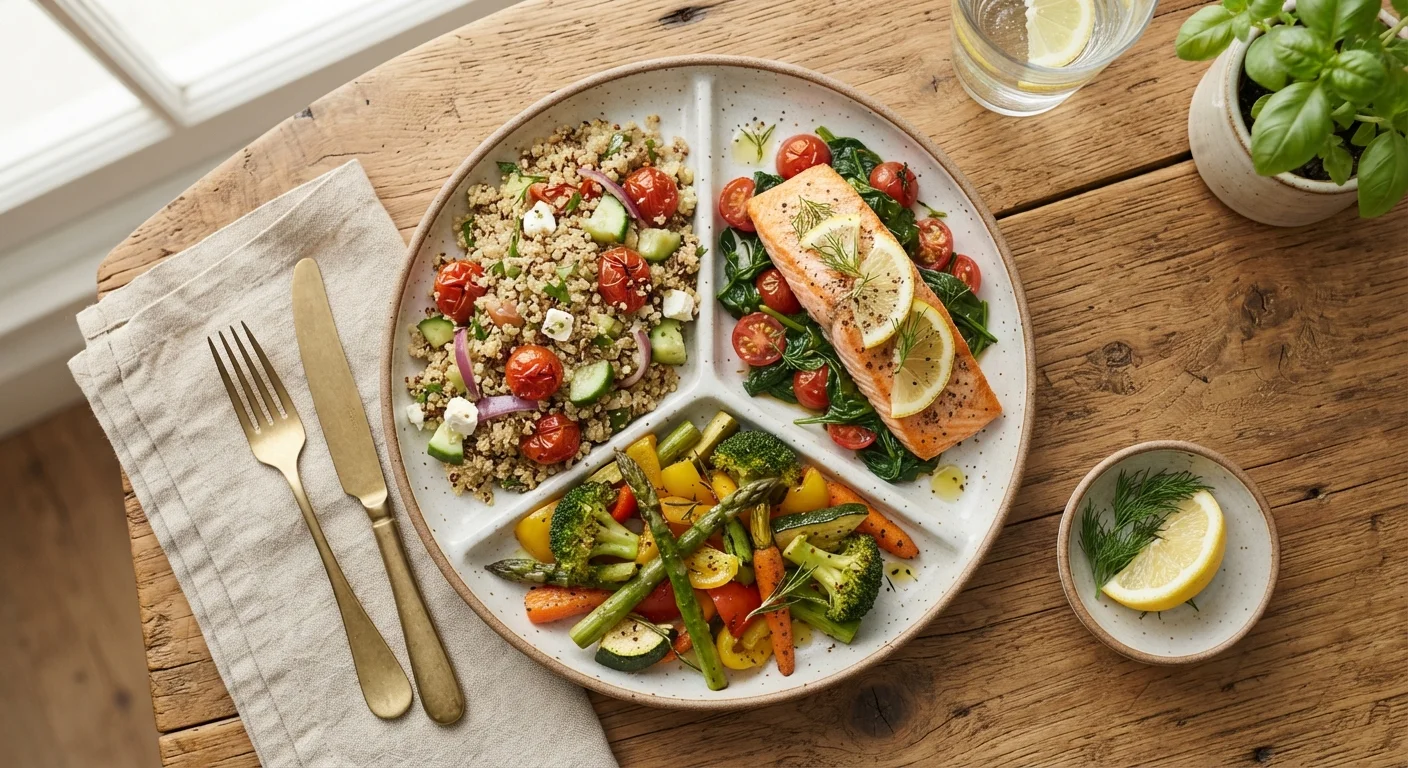
If you're newer to cooking from scratch, foundational cooking techniques can help you build the skills to execute your plan efficiently. And if you want a simpler framework for building balanced individual meals without tracking grams, portion-based visual cues offer a practical complement to this weekly approach.
Review your plan on Sunday - or whatever day precedes your main shopping trip. Adjust for any schedule changes, and carry forward any perishables from the previous week to reduce food waste.
This article is for general informational and educational purposes only and is not a substitute for personalized nutrition or medical advice. Consult a registered dietitian or qualified healthcare professional for guidance tailored to your health needs and circumstances.