Why Plans Fall Apart - and Why That's Normal
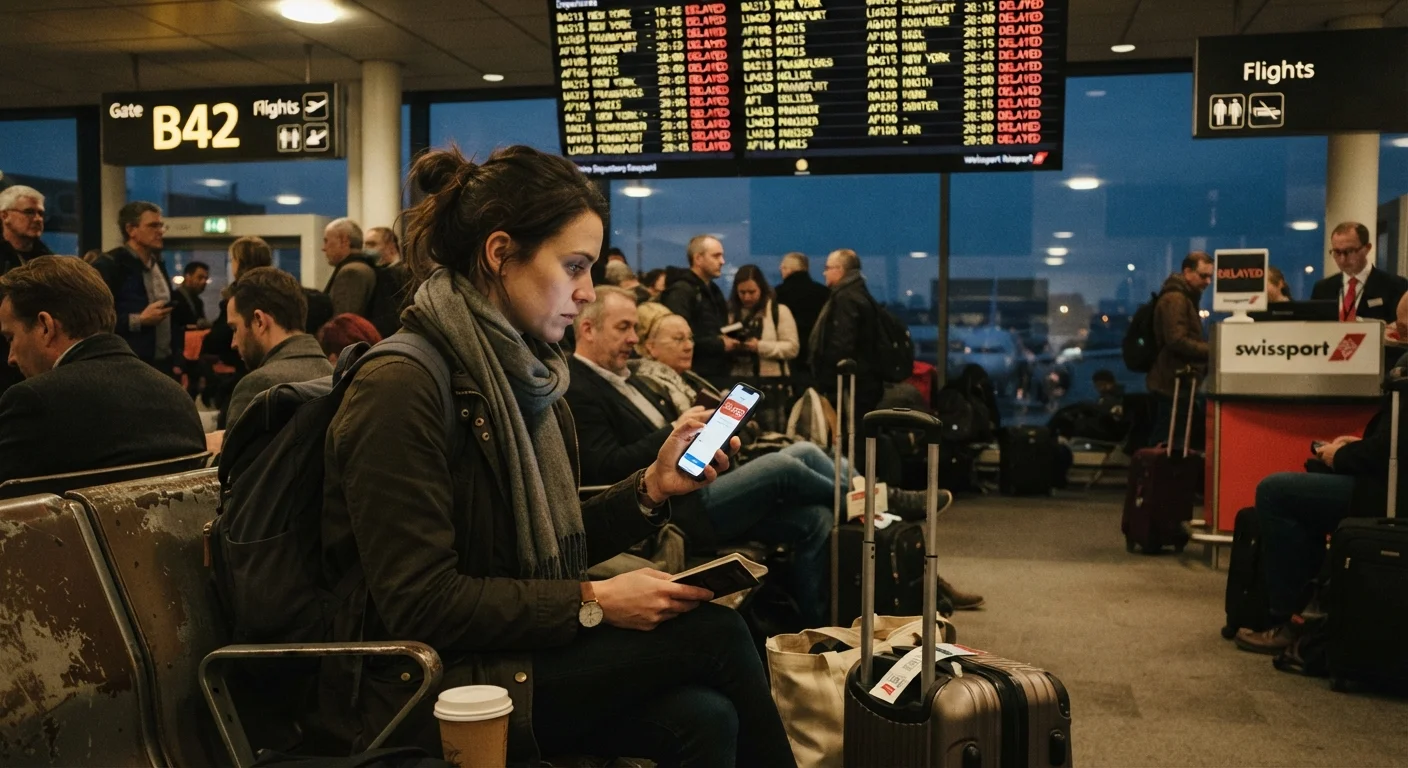
Flight delays affect tens of millions of passengers annually in the United States alone. Weather events, mechanical issues, staffing shortages, and unexpected closures at museums, parks, or attractions are routine occurrences - not rare exceptions. Understanding this upfront resets expectations and shifts your mindset from this shouldn't be happening to here's what I do next.
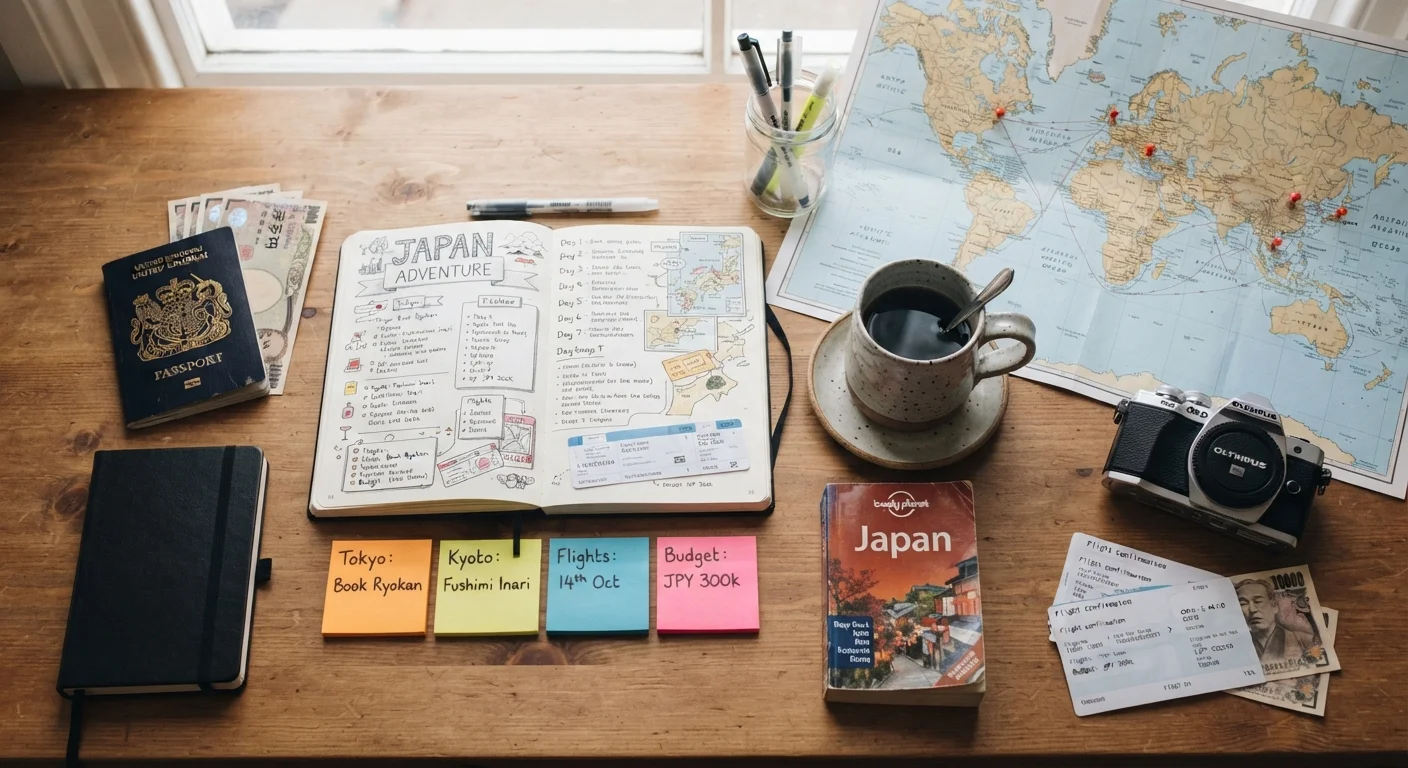
The travelers who navigate disruptions most smoothly aren't the ones with the most elaborate plans - they're the ones who built flexibility into their trip from the start. That means treating your itinerary as a framework, not a contract.
~20%
U.S. flights delayed in a typical year
The Bureau of Transportation Statistics reports that roughly one in five domestic U.S. flights experiences a reportable delay in most calendar years.
48%
Travelers without travel insurance on international trips
Industry surveys consistently find that roughly half of international travelers depart without any form of trip protection, leaving them without a financial safety net when disruptions occur.
Before You Go: Build a Disruption-Ready Foundation
The most effective disruption management happens at home, not at the gate. These pre-trip steps dramatically improve your ability to adapt on the fly.
Screenshot or print every booking confirmation, including contact numbers
Airport Wi-Fi is unreliable and roaming data can be expensive or unavailable abroad. Having offline access to confirmation numbers, hotel addresses, and airline customer service lines means you can act immediately when something changes.
Understand your travel insurance policy before departure, not after
Most travelers buy insurance but don't read it until they need it - by which point deadlines for filing claims may have passed. Knowing what's covered (trip interruption, delays, medical emergencies) helps you make faster, smarter decisions in the moment.
Identify at least one backup option for each critical booking
A single point of failure - one restaurant, one park, one flight - creates unnecessary fragility. A loose alternative for each major commitment takes minutes to research and provides real peace of mind.
Book morning flights when possible to protect the rest of your day
Flight delays cascade throughout the day - a delayed afternoon flight has fewer recovery options than a delayed morning one. Earlier departures also tend to have lower mechanical delay rates since aircraft haven't yet accumulated the day's disruptions.
Register with your government's travel advisory program for international trips
Programs like the U.S. State Department's Smart Traveler Enrollment Program (STEP) allow embassies to contact you during emergencies, natural disasters, or civil unrest. It costs nothing and provides a meaningful safety net.
In the Moment: How to Respond When Something Goes Wrong
When a disruption hits, the first 15 minutes matter most. Here's how to move efficiently instead of reactively.
Be Polite - It Produces Better Outcomes
Airline and hotel staff dealing with disruptions are managing dozens of stressed travelers at once. Agents consistently report that calm, respectful travelers receive more creative solutions - upgrades, vouchers, priority rebooking - than those who escalate immediately. State your situation clearly and ask what options are available rather than demanding a specific fix.
Keeping the Trip's Momentum Going
A disruption doesn't have to hollow out an entire day. The key is replacing lost plans with something reasonably close in spirit - not perfectly equivalent. If a booked restaurant is closed, find a neighborhood option you hadn't considered. If a flight delay eats your afternoon, use the airport time to rest and reset rather than spiral into frustration.
Travelers who understand the tradeoffs between fixed and flexible itineraries tend to have better backup instincts. Keep a short mental or written list of "if this falls through" alternatives for your most important activities - one or two per day is enough.
For longer trips, budget disruptions can compound quickly. Our guide on why travel budgets fall apart covers how to build a financial buffer that absorbs unexpected costs without derailing your overall spending. More practical travel tips across all stages of a trip are available in our Travel Tips hub.
Verify Entry and Safety Conditions Officially
For international disruptions involving border closures, natural disasters, or health advisories, always verify current conditions through official government sources such as travel.state.gov for U.S. citizens. Conditions can change faster than news coverage reflects, and third-party sources may lag behind official guidance. Never rely solely on social media or travel forums for safety-critical decisions.