Why Travel Budgets Break Down Before You Even Leave
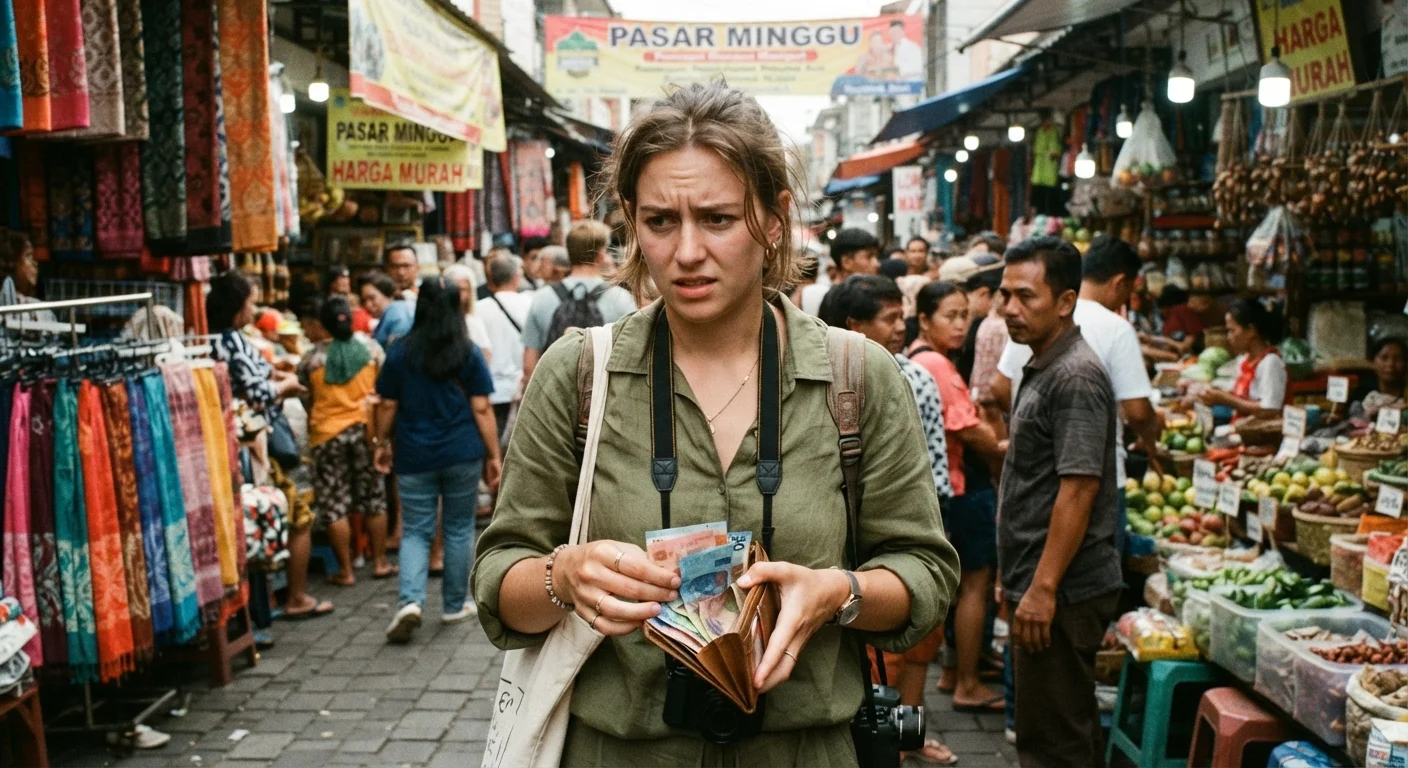
Most travelers put serious effort into finding flights and booking accommodation-then stop there. The problem is that fixed costs typically represent only 40-60% of total trip spend. Everything else: meals, local transportation, museum admissions, souvenirs, and gratuities, gets left to chance. When those costs aren't anticipated, they don't disappear-they just hit the credit card unplanned.
A compounding factor is that planning usually happens weeks or months before departure, when enthusiasm is high and caution is low. It's easy to underestimate how much three restaurant meals a day actually cost in a major city, or how quickly taxi fares stack up when you're covering unfamiliar ground. Common travel planning myths reinforce this optimism, leading travelers to assume costs will be lower than they turn out to be.
The fix starts before you book anything: build a complete cost model that accounts for every category of spend, not just the items that generate a confirmation email.
The Five Mistakes That Drain Travel Budgets
The following errors show up across trip types, destinations, and experience levels. Each one is predictable-which means each one is avoidable with a small adjustment to how you plan.
Budgeting only for fixed costs like flights and hotels while ignoring daily variable spending.
Why it happens: Big purchases feel concrete and plannable, so travelers focus there. Daily meals, transit, tips, and entry fees seem small individually but compound quickly across a multi-day trip.
Ignoring currency conversion rates and international transaction fees.
Why it happens: Travelers often assume their debit or credit card works the same abroad as at home, not realizing that exchange rate markups and foreign transaction fees are quietly applied to every purchase.
Treating the travel budget as a pre-trip exercise and never reviewing it during the trip.
Why it happens: Once travelers are in destination mode, checking spending feels like it disrupts the experience. Small overages on days one and two go unnoticed until the final days when the budget is gone.
Underestimating the cost of airport meals, transit between attractions, and gratuities.
Why it happens: These costs are invisible during the planning phase because they're not line items on any booking confirmation. Travelers assume they're negligible.
Comparing destinations on sticker price alone and missing hidden cost differences.
Why it happens: A cheaper flight to one city can make it appear more affordable overall, even if local costs for accommodation, food, and transport are significantly higher.
If your plans shift mid-trip due to delays or unexpected closures, spending pressure often intensifies. See how to keep a trip on track when plans change for strategies that help you adapt without blowing the budget entirely.
Building a Budget That Actually Holds
Foreign Transaction Fees Add Up Fast
Many travelers don't realize their bank or card charges 1-3% on every international purchase. On a $3,000 trip, that's $30-$90 in fees that never appeared in any budget spreadsheet. Check your card's fee structure before you travel, and research whether fee-free options make sense for your situation.
A travel budget that works isn't built from a single spreadsheet cell labeled "spending money." It's structured like any household budget: fixed costs in one column, variable daily costs in another, and a buffer category for friction expenses. Once you've totaled all three, that number-not just the airfare and hotel sum-is your real trip cost.
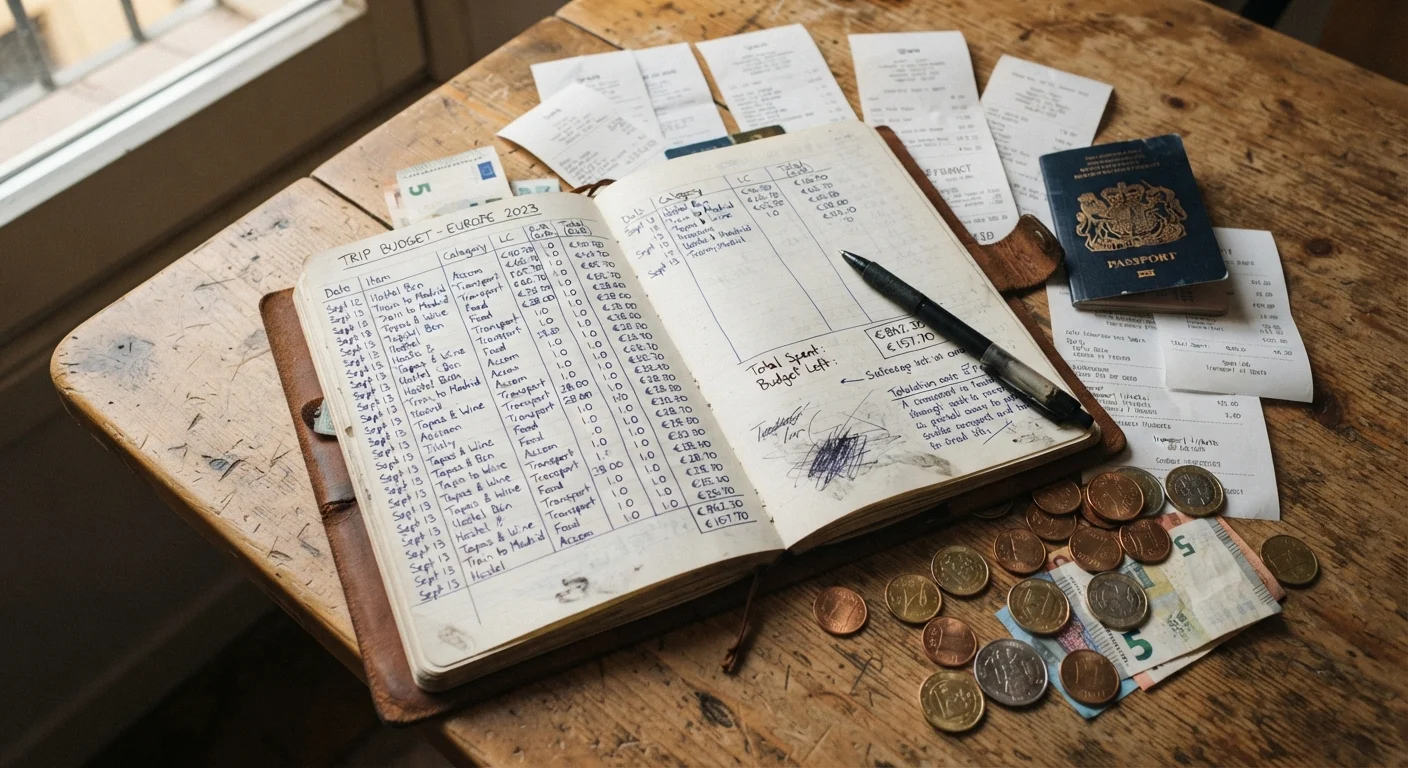
Track spending in real time using a notes app or a simple budgeting app. You don't need precision accounting; even a rough daily total reviewed every couple of days gives you enough signal to course-correct early. The same discipline that makes a monthly spending audit effective applies equally well to a week-long trip.
Budget Gaps Can Derail More Than Finances
Running out of money mid-trip isn't just stressful-it can force rushed decisions that affect safety and logistics. Before departure, confirm you have a financial backstop (such as an accessible emergency fund) separate from your travel budget. Always carry a backup payment method in case your primary card is declined abroad.
For more structured guidance on managing money across categories, the Budgeting Basics hub offers frameworks that translate naturally to travel planning. And for destination-specific tips on keeping spend in check, the Travel Tips hub covers practical logistics from packing to payment methods.
~30%
Travelers who exceed their trip budget
Survey data from multiple travel industry sources consistently shows roughly a quarter to a third of leisure travelers spend more than planned on a given trip.
15-20%
Recommended daily spending buffer
Travel finance educators commonly recommend adding 15-20% to estimated daily costs to absorb unplanned friction expenses like transit, tips, and entry fees.