
Why Social Connection Is a Health Issue, Not Just a Comfort
For decades, public health conversations focused on the usual suspects - diet, exercise, sleep, smoking. Social connection rarely made the list. That has changed substantially as the body of research has grown. Loneliness is now understood not as a mood inconvenience but as a physiological state with measurable downstream consequences.
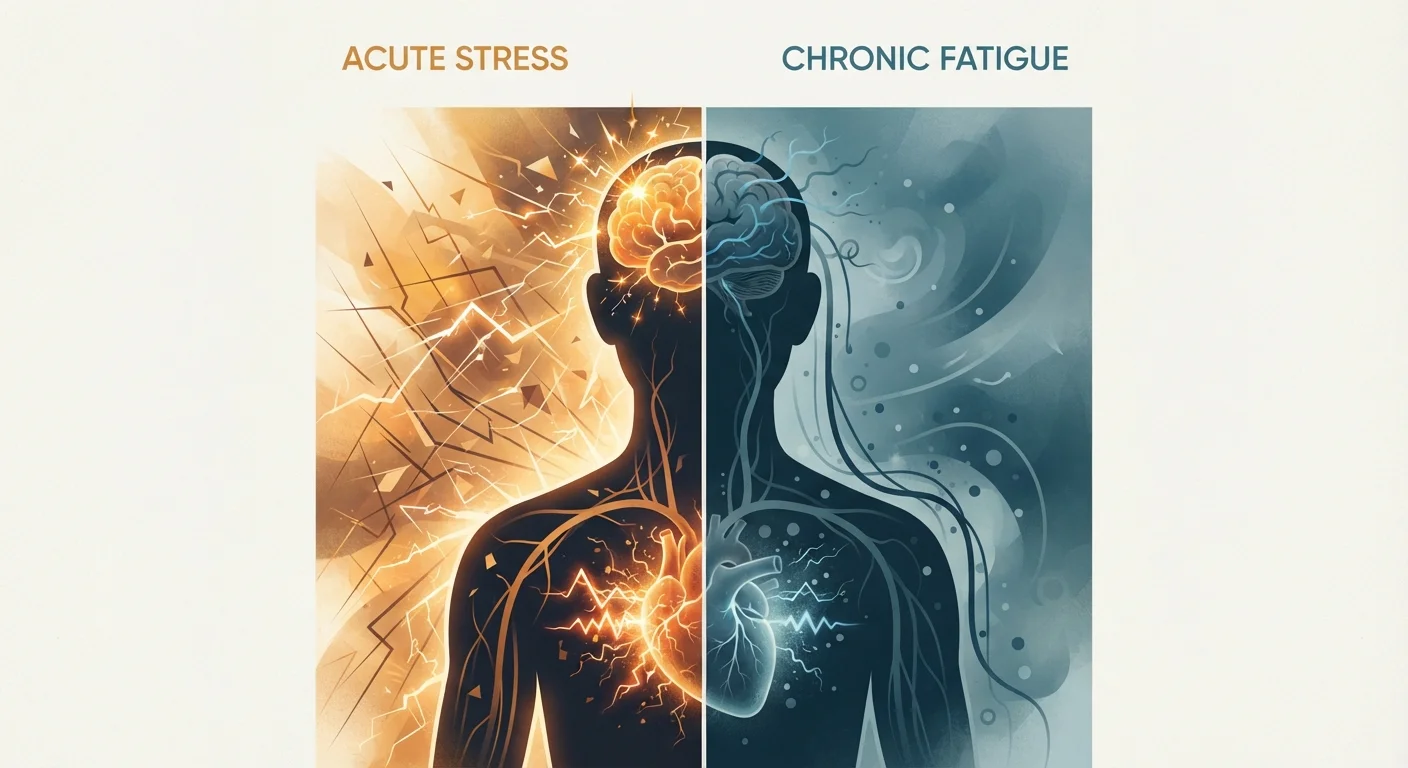
The mechanisms are real. When the brain perceives social threat - including the threat of exclusion or abandonment - it activates the same stress-response pathways triggered by physical danger. Cortisol rises, inflammatory markers increase, and the nervous system shifts toward a state of alert. Over short periods, this is adaptive. When it becomes chronic, the biological toll accumulates.
Understanding how chronic stress affects the body and brain provides useful context here - the pathways overlap significantly. Loneliness, in effect, functions as a sustained low-grade stressor.
~50%
US adults reporting measurable loneliness
A Surgeon General's Advisory published in 2023 estimated that approximately half of American adults report measurable levels of loneliness.
26%
Increased risk of premature mortality
Research published in Perspectives on Psychological Science found social isolation associated with a roughly 26% increased likelihood of premature death.
15 cigarettes/day
Equivalent health impact of loneliness
Researchers, including those cited in the 2023 Surgeon General's Advisory, have compared the health impact of prolonged loneliness to smoking 15 cigarettes per day.
What the Research Actually Shows
A substantial body of epidemiological work has linked chronic loneliness and social isolation to a range of health outcomes. These include elevated risk for depression and anxiety, accelerated cognitive decline, poorer cardiovascular health, weakened immune function, and disrupted sleep. The associations hold even after controlling for other lifestyle factors.
Critically, these effects appear dose-dependent - the longer and more severe the isolation, the greater the measurable impact. They also appear bidirectional: poor mental health reduces a person's motivation and capacity to seek connection, which deepens isolation, which worsens mental health.
The relationship between sleep quality and mental wellbeing is one domain where this bidirectionality is especially clear. Lonely individuals report more fragmented, less restorative sleep - which in turn reduces emotional resilience and the energy needed to maintain relationships.
“Loneliness and weak social connections are associated with a reduction in lifespan similar to that caused by smoking 15 cigarettes a day. And yet, we don't treat it as a public health priority.”
— Vivek Murthy, Former U.S. Surgeon General, author of the 2023 Advisory on the Healing Effects of Social Connection
Quality Versus Quantity: What Actually Protects You
A common misconception is that more social contact equals better health outcomes. The evidence is more nuanced. What appears to matter most is the perceived quality and meaning of social relationships - not their raw number. A few genuinely supportive connections offer more protection than a wide but shallow social network.
Feeling understood, valued, and able to rely on others in difficult moments are the relational qualities most consistently linked to resilience. This has practical implications: efforts to reduce isolation don't require building a large social circle. They require cultivating depth in at least some existing relationships.
Consistent daily structure can also support this goal. As our article on building a daily routine that supports emotional stability explains, regular habits that include social touchpoints - even brief ones - can have a measurable effect on mood over time.
Taking Practical Steps Without Overpromising Outcomes
It's worth being honest about the limits of simple advice here. For people experiencing clinical depression, severe anxiety, or significant trauma, social reconnection may feel impossible without professional support first. Understanding where low mood ends and clinical depression begins is an important distinction - and a prompt to seek appropriate help when needed.
That said, for many people navigating mild-to-moderate isolation, small and deliberate steps tend to be more sustainable than large social overhauls. Research on behavior change supports starting with low-stakes, repeated contact - a regular call with a family member, a standing commitment with a neighbor, participation in a community group organized around a shared interest.
Start Small and Stay Consistent
Research on habit formation suggests that small, repeated actions build more durable connection than infrequent large efforts. A brief weekly check-in call, a standing coffee with a colleague, or joining a single recurring community activity can create meaningful social anchors over time. Consistency matters more than scale.
Physical exercise also has documented mood benefits and can double as a context for social activity - group classes, walking with a friend, or team sports combine two well-evidenced protective factors.
This article is for general informational and educational purposes only and does not constitute medical advice. If you are experiencing persistent loneliness, low mood, or mental health concerns, please consult a qualified healthcare professional.