Why Sodium Has a Recommended Limit
Sodium is an essential mineral - your body needs it to regulate fluid levels, transmit nerve signals, and support muscle function. The problem is not sodium itself but the quantities in which most Americans consume it. When sodium intake is consistently high, the body retains more fluid, which places added pressure on blood vessel walls. Over time, this elevates blood pressure (hypertension), which is one of the leading modifiable risk factors for heart disease and stroke.
The 2020-2025 Dietary Guidelines for Americans, developed jointly by the U.S. Department of Health and Human Services and the U.S. Department of Agriculture, recommend limiting sodium to 2,300 mg per day for adults and children aged 14 and older. That figure is not arbitrary - it reflects the level at which population-wide cardiovascular risk begins to rise meaningfully according to epidemiological evidence reviewed by the guideline committees.
Individual Needs May Differ
People with hypertension, chronic kidney disease, or diabetes may benefit from even lower sodium targets than the general 2,300 mg guideline. Any personalized sodium limit should be discussed with a licensed healthcare provider rather than determined from general public health guidance alone.
People with hypertension, chronic kidney disease, or diabetes may benefit from even lower sodium targets, but any individualized limit should come from a licensed healthcare provider, not a general article.
Where Dietary Sodium Actually Comes From
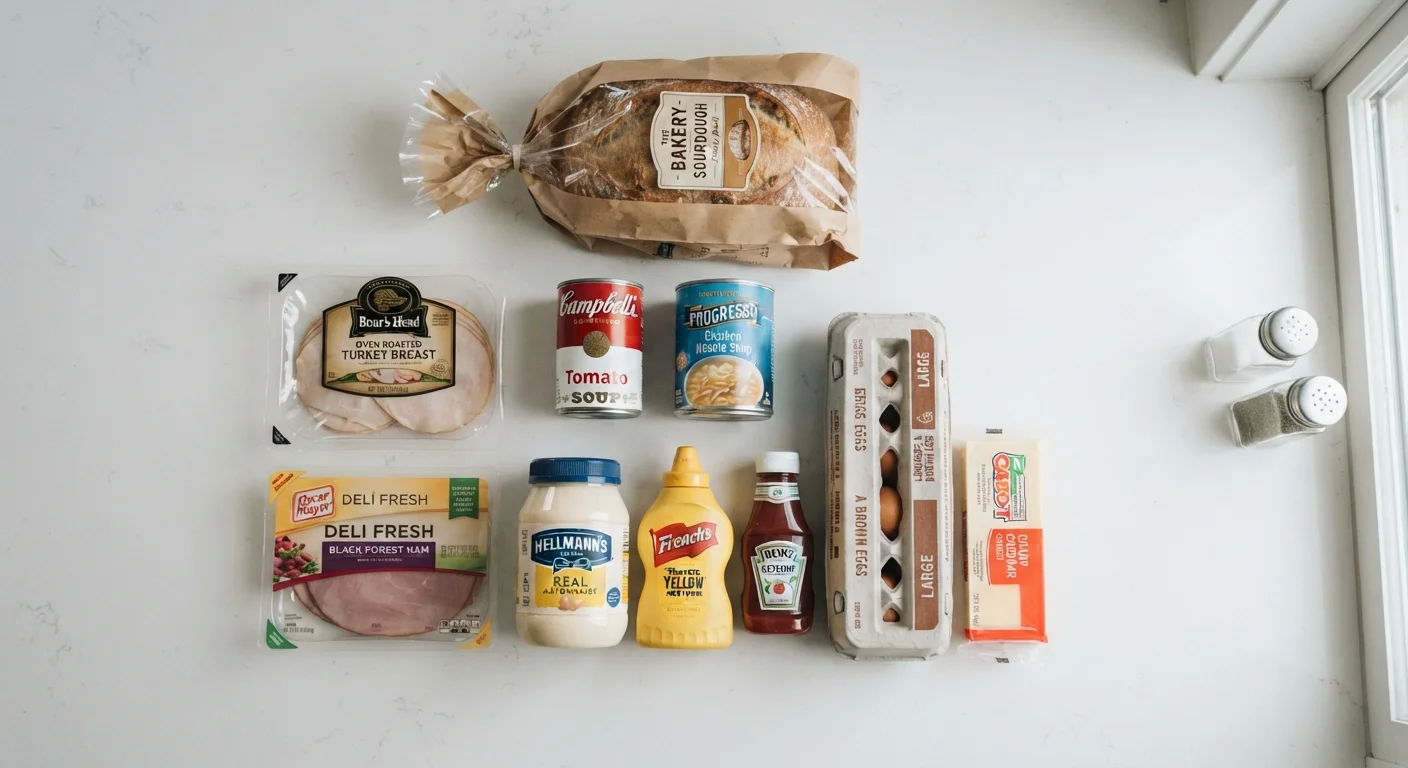
Here is a common misconception: most people assume their sodium intake is driven by how heavily they salt food at the table. In reality, the CDC estimates that more than 70% of dietary sodium comes from processed, packaged, and restaurant foods - before a single sprinkle ever leaves the shaker.
3,400 mg
Average daily sodium intake for US adults
According to CDC data, the average American consumes about 3,400 mg of sodium per day - nearly 50% above the 2,300 mg guideline.
>70%
Share of sodium from packaged and restaurant food
The CDC estimates that more than 70% of Americans' sodium intake comes from processed, packaged, and commercially prepared foods.
2,300 mg
Federal recommended daily sodium limit for adults
The 2020-2025 Dietary Guidelines for Americans set 2,300 mg per day as the sodium limit for adults and children 14 and older.
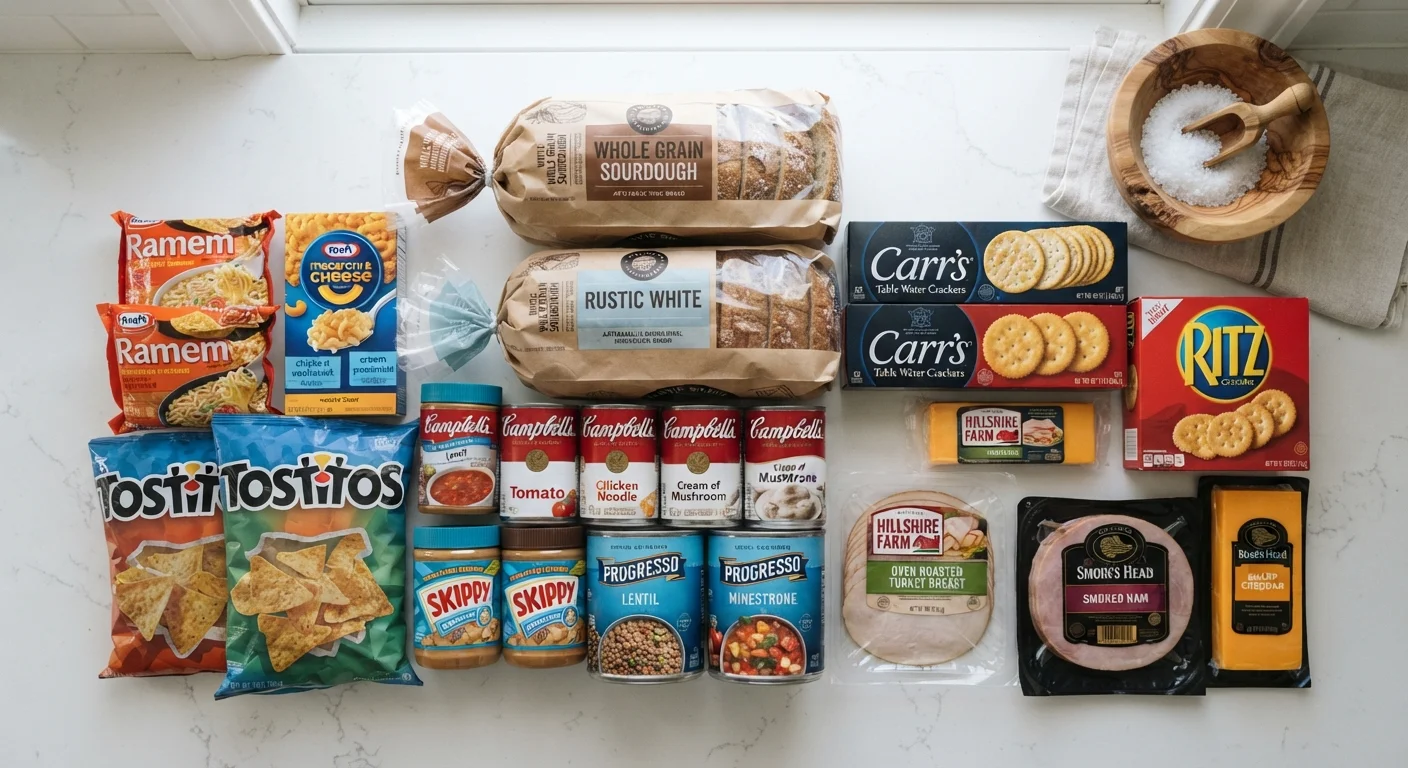
The top food categories contributing to sodium in the US diet, according to CDC surveillance data, include:
- Bread and rolls - A seemingly innocuous food, but portion sizes add up quickly.
- Pizza - Combines high-sodium dough, sauce, cheese, and cured meats.
- Sandwiches and burgers - Both the meat and the bread contribute substantially.
- Cold cuts and cured meats - Salt is used for preservation and flavor.
- Soups and broths - Canned varieties are notoriously high in sodium.
- Savory snacks - Chips, pretzels, and crackers are common daily sources.
For a broader look at hidden dietary sodium, see our companion piece where sodium hides in the American diet.
Reading Labels and Making Practical Adjustments
Nutrition labels are the most direct tool consumers have. The % Daily Value (%DV) for sodium on a food label is based on the 2,300 mg benchmark. A product with 20% DV or more per serving is considered high in sodium; 5% DV or less is considered low. Comparing labels across similar products - two brands of canned tomatoes, for instance - often reveals significant differences.
Simple Label-Reading Habits Save Sodium
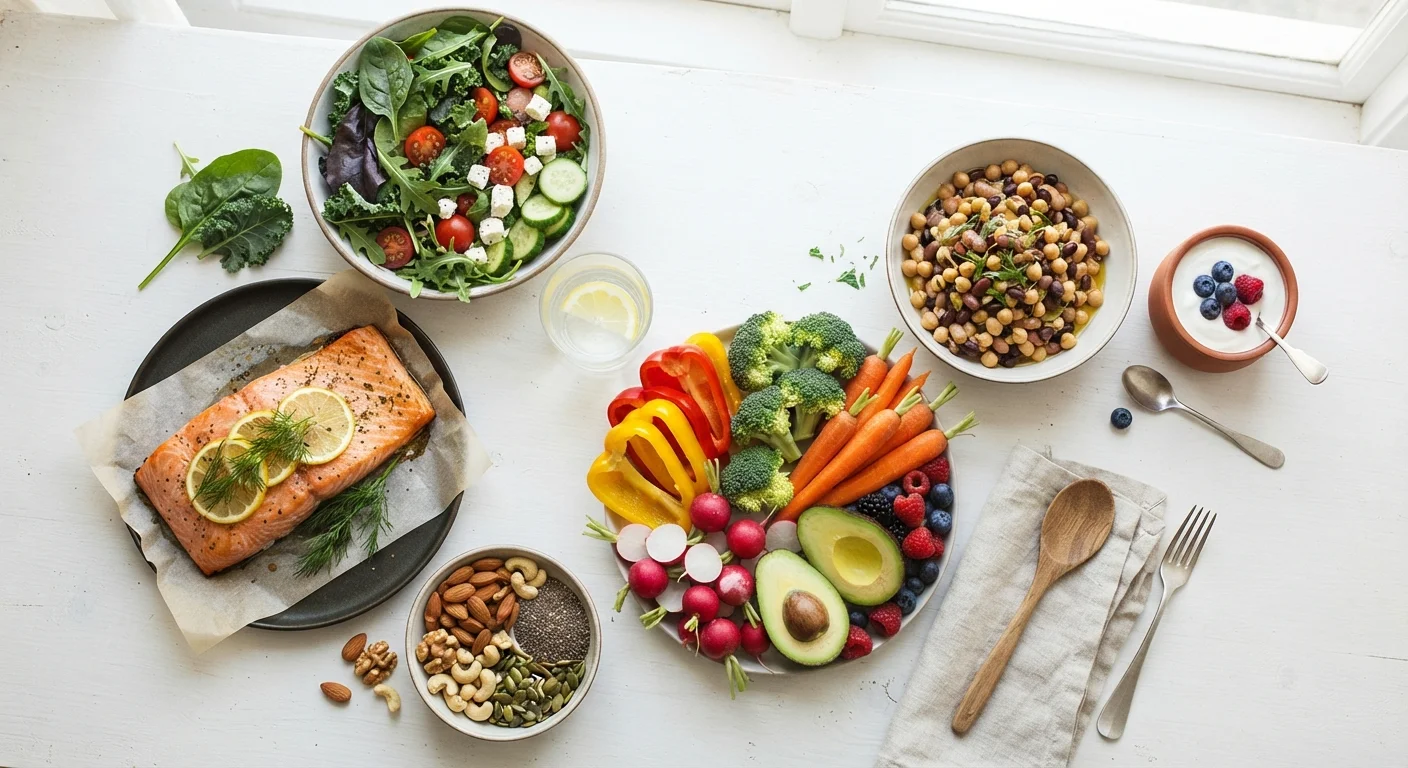
When comparing packaged foods, check the sodium %DV per serving. Choosing products at 5% DV or below for sodium and opting for 'low-sodium' or 'no-salt-added' variants of staples like canned tomatoes, beans, and broth can meaningfully reduce daily intake without requiring dramatic dietary changes.
Practical strategies that public health authorities commonly highlight include choosing low-sodium or no-salt-added versions of canned goods, rinsing canned beans before use (which can reduce sodium by up to 40%), and prioritizing fresh or minimally processed proteins over deli meats. These changes work alongside - not instead of - overall dietary patterns.
Sodium balance is also influenced by other nutrients. Potassium, for example, helps counteract some of sodium's blood-pressure effects. Many Americans fall short on potassium; our guide to nutrients many Americans don't get enough of covers this and related gaps in the typical US diet.
If you cook at home frequently, exploring how different salts behave in recipes can also shift your habits. Kosher, sea, and table salt differ in density and flavor, which affects how much you actually use by volume.
This article is for general informational and educational purposes only and does not constitute medical or dietary advice. Consult a qualified healthcare professional for guidance specific to your health situation.