The Salt Shaker Isn't the Problem
Ask most people where their sodium comes from, and they'll point to the salt shaker on the dinner table. The reality is quite different. Research consistently shows that the vast majority of sodium Americans consume - estimated at around 70% - enters the diet through processed, packaged, and restaurant foods, before anyone reaches for a shaker.
This matters because it shifts how we think about managing sodium intake. Skipping the pinch of salt on your scrambled eggs has a negligible effect if your lunch was a deli sandwich and your dinner came from a can. Understanding the actual sources is the first step toward making more informed choices.
~70%
Sodium from processed and restaurant foods
According to the U.S. Centers for Disease Control and Prevention (CDC), approximately 70% of dietary sodium comes from packaged, processed, and restaurant foods.
3,400 mg
Average daily sodium intake for U.S. adults
The CDC estimates that American adults consume an average of about 3,400 mg of sodium per day - nearly 50% above the 2,300 mg guideline.
2,300 mg
Daily sodium limit per dietary guidelines
The Dietary Guidelines for Americans recommend that most adults consume no more than 2,300 mg of sodium per day.
The Foods That Contribute Most
Some of the top sodium contributors in the American diet may surprise you. Bread is frequently cited near the top of the list - not because individual slices are especially high in sodium, but because most people eat bread multiple times a day. That cumulative effect adds up quickly.
Other major sources include:
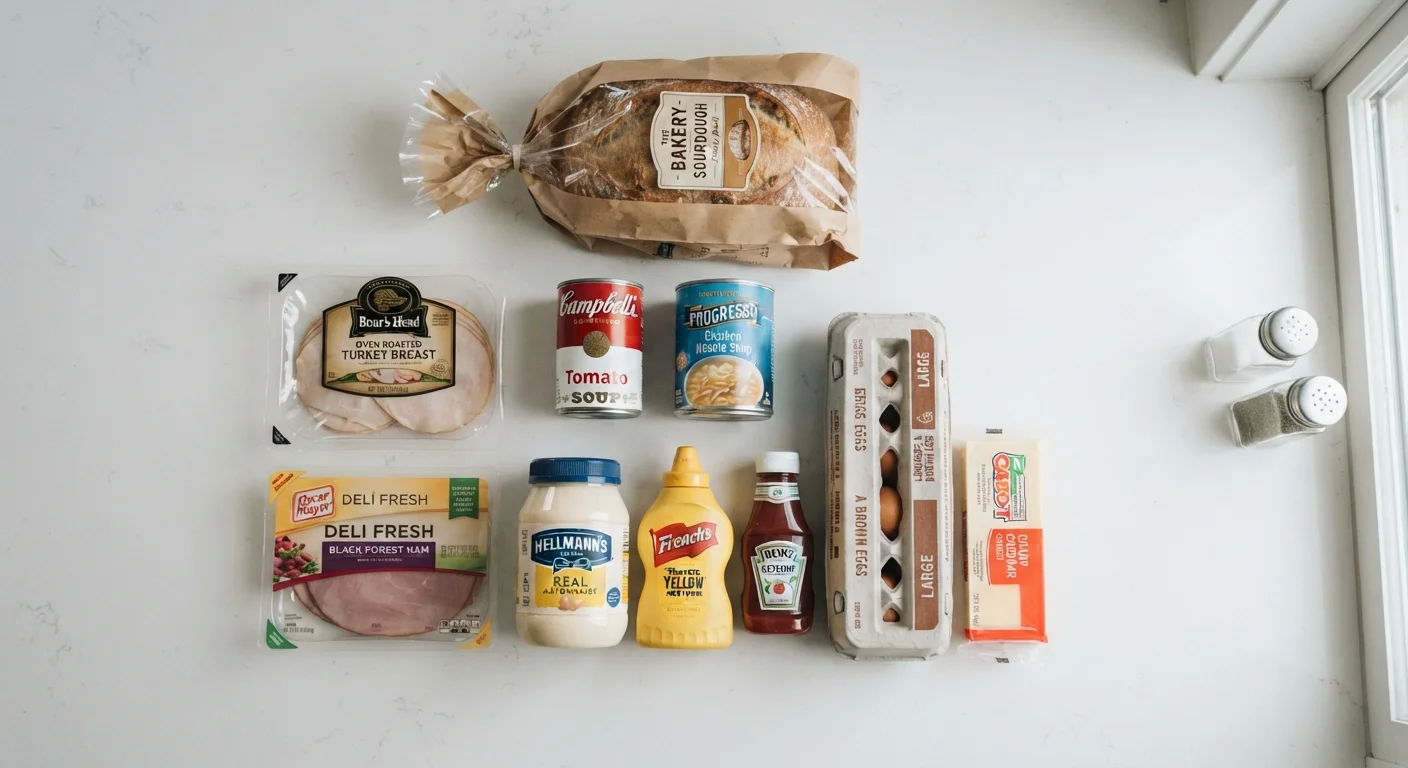
- Deli meats and cured meats - sodium is used both for flavor and as a preservative
- Canned soups and broths - a single serving can contain 800-1,000 mg of sodium or more
- Pizza and mixed dishes - multiple components (sauce, cheese, crust, toppings) each contribute
- Condiments and sauces - soy sauce, ketchup, salad dressings, and hot sauce can be surprisingly concentrated
- Cheese - sodium is added during cheesemaking and varies significantly by type
Restaurant and fast-food meals are also significant contributors, in part because portion sizes tend to be larger and sodium levels in commercial kitchens are difficult for consumers to gauge without disclosure information.
Reading the Label: What to Look For
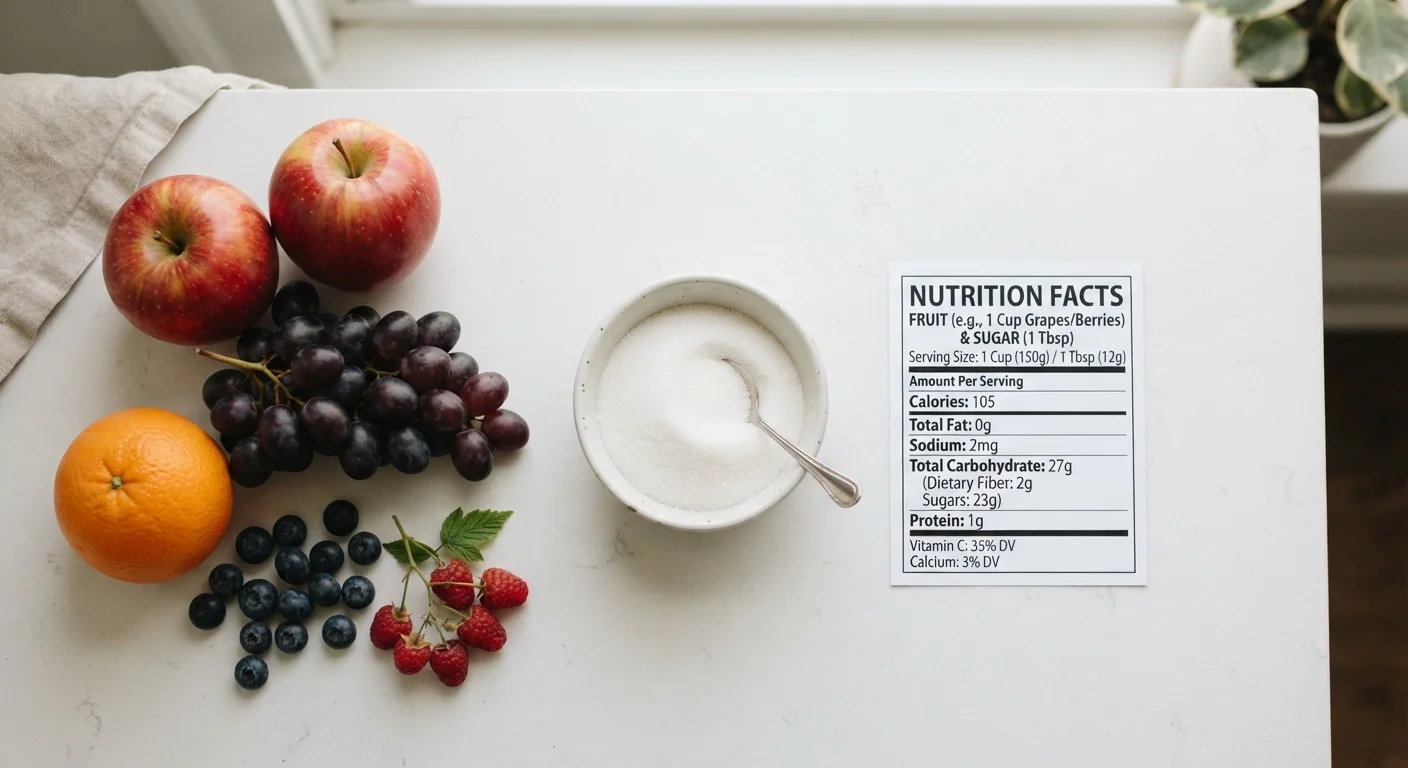
The Nutrition Facts label is your most reliable tool for monitoring sodium. Look at the % Daily Value (%DV) column - a general guideline is that 5% DV or less per serving is considered low in sodium, while 20% DV or more is considered high.
Pay close attention to serving size. A can of soup might list 40% of the daily sodium value per serving - but the can often contains two servings. Eating the whole can effectively doubles that number.
A Quick Label-Reading Habit Worth Building
When buying packaged foods, check the sodium per serving before the ingredient list. Sorting by sodium %DV makes it easy to compare options quickly. Aiming for items at or below 10% DV per serving is a reasonable starting point for most people, though individual needs vary - a registered dietitian can help you set appropriate targets.
It's also worth comparing similar products across brands. Sodium content in items like canned tomatoes, chicken broth, or pasta sauce can vary dramatically - sometimes by 300-400 mg per serving - just depending on which product you pick up.
For a broader look at nutrients Americans commonly over- or under-consume, see our guide to frequently under-consumed nutrients, which covers potassium - a mineral that plays an important role in the sodium balance picture.
Sodium and Potassium: Two Sides of the Same Coin
Sodium doesn't act in isolation in the body. Potassium works alongside sodium to help regulate fluid balance, and a diet rich in potassium - from foods like bananas, leafy greens, beans, and potatoes - is associated with healthier blood pressure patterns in the general population. Most Americans fall short on potassium while exceeding recommended sodium levels, which makes the imbalance doubly relevant.
This isn't a prescription or a promise of specific health outcomes - it's a nutritional pattern worth being aware of. Just as added sugars can hide in unexpected places (see how added sugar differs from natural sugar), sodium hides in foods that don't taste salty, which makes the label-reading habit all the more valuable.
This article is for general informational purposes only and is not medical or dietary advice. Speak with a qualified healthcare provider or registered dietitian for guidance tailored to your individual health needs.