Why Paint Finish Matters as Much as Color
When most homeowners pick a paint color, sheen is often an afterthought - but it shouldn't be. The finish, or sheen level, determines how much light a painted surface reflects, how well it stands up to scrubbing, and how visibly it reveals wall imperfections like dents, nail holes, or uneven texture.
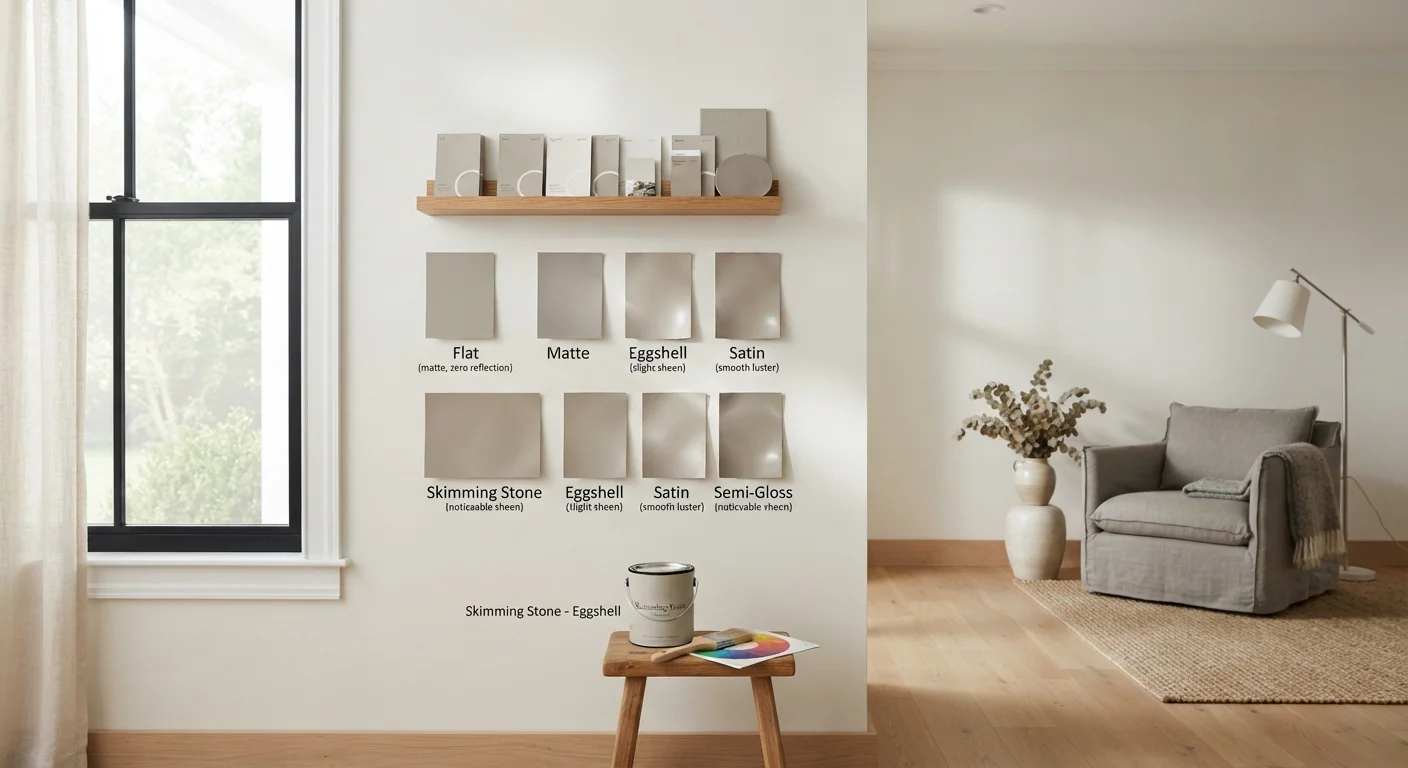
Paint finishes are measured on a spectrum from flat (no sheen) to high-gloss (maximum reflectivity). Each step up the scale adds durability and washability but also draws more attention to surface flaws - a trade-off worth understanding before you buy a single can.
Test Before You Commit
Most paint retailers sell small sample sizes. Apply at least a 4×4-inch patch of your chosen color and finish directly on the wall and observe it at different times of day under both natural and artificial light. Sheen can look dramatically different between morning sunlight and evening lamp light - a quick test saves costly mistakes.
The Five Main Finishes Explained
Matte (Flat)
Matte paint reflects very little light, giving walls a smooth, velvety appearance that hides surface irregularities exceptionally well. It's ideal for ceilings and adult bedrooms where walls take minimal abuse. The trade-off: matte is the hardest to clean - scrubbing can remove the paint itself - so it's a poor choice for kitchens or hallways.
Eggshell
Named for its subtle, soft sheen reminiscent of an egg's surface, eggshell is a step up from matte. It handles light cleaning and resists some moisture, making it a go-to for living rooms and dining areas. It still conceals minor wall flaws reasonably well.
Satin
Satin sits at the midpoint of the sheen spectrum with a gentle pearl-like glow. It's noticeably more washable than eggshell and holds up well in moderate-traffic areas. Many homeowners choose satin for family rooms, hallways, and children's bedrooms. One caveat: touch-up painting on satin walls can leave visible patches if the sheen doesn't match perfectly.
Semi-Gloss
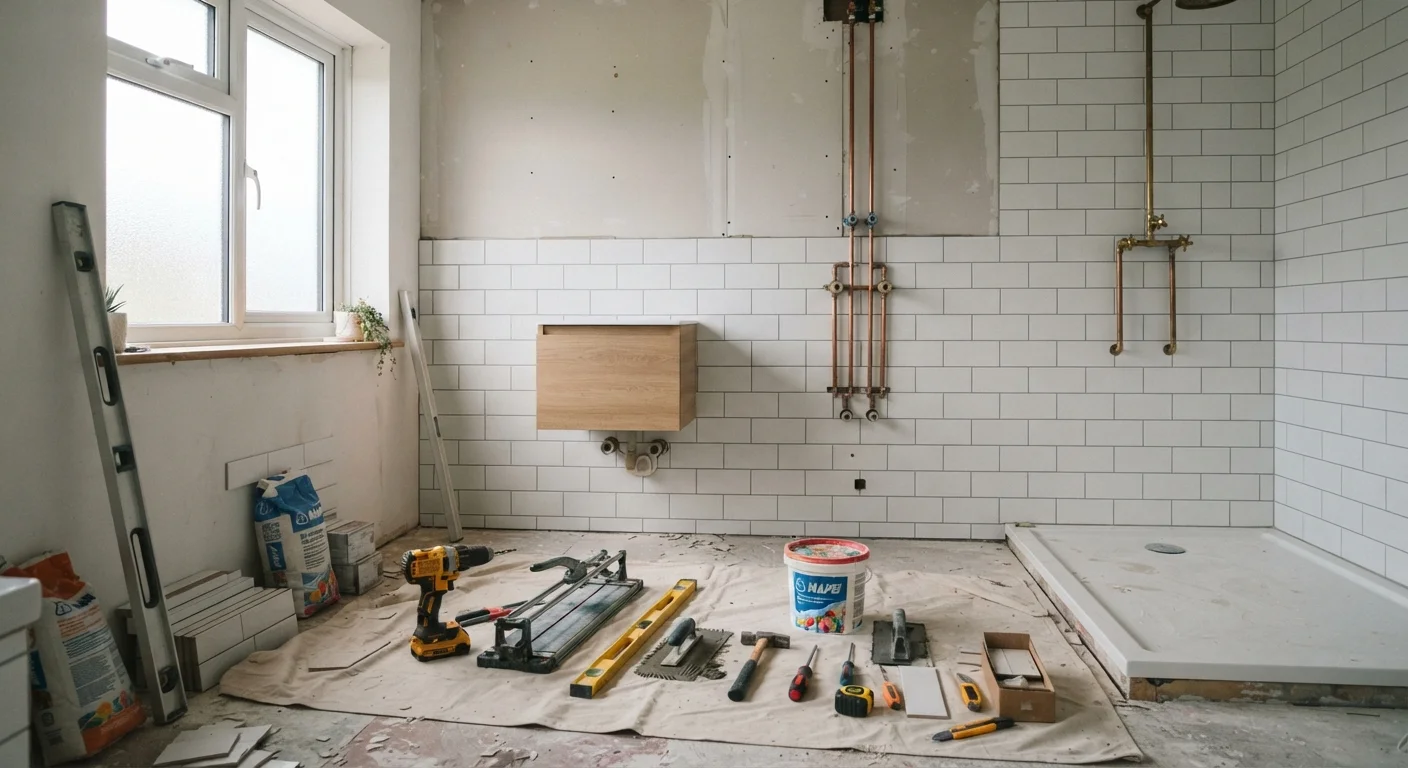
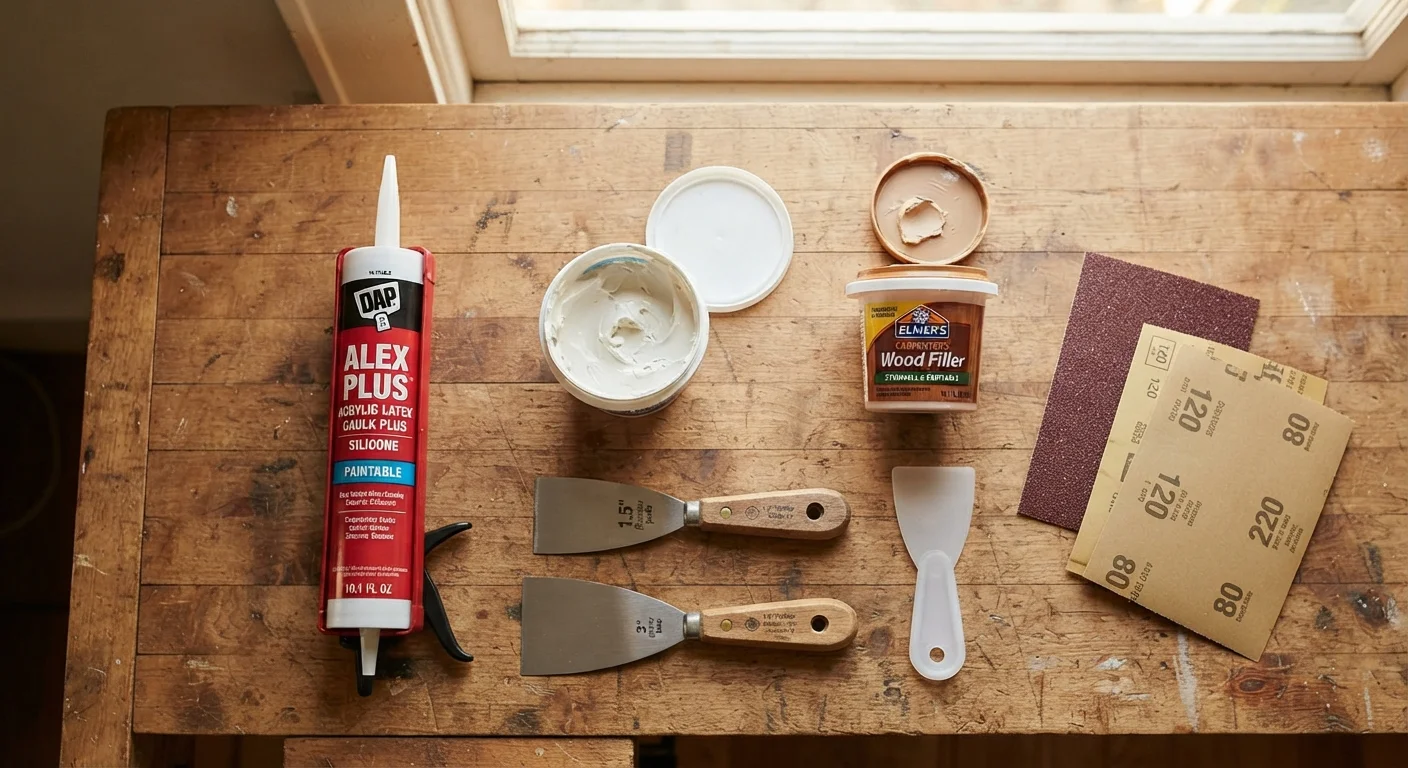
Semi-gloss is the workhorse finish for kitchens, bathrooms, and laundry rooms. Its higher reflectivity means it resists moisture and grease, and it wipes clean easily. This same reflectivity will highlight imperfections, so proper surface preparation - filling holes, sanding smooth - is essential before application.
Gloss (High-Gloss)
High-gloss paint delivers a hard, almost lacquer-like surface with maximum light reflection. It's rarely used on large wall areas because it magnifies every imperfection, but it excels on trim, doors, window casings, and cabinets where durability and a crisp finish matter most.
| Matte | Eggshell | Satin | Semi-Gloss | Gloss | |
|---|---|---|---|---|---|
| Sheen level | None / flat | Very low | Medium | Medium-high | Very high |
| Washability | Poor | Fair | Good | Very good | Excellent |
| Hides imperfections | Excellent | Good | Moderate | Poor | Very poor |
| Moisture resistance | Low | Low-moderate | Moderate | High | Very high |
| Best rooms | Ceilings, bedrooms | Living, dining rooms | Hallways, kids' rooms | Kitchen, bathroom | Trim, cabinets, doors |
| Prep sensitivity | Forgiving | Mostly forgiving | Moderate | High | Very high |
Choosing the Right Finish by Room
A practical approach is to treat each room's function as the primary guide:
- Ceilings: Flat matte is almost universally recommended - it eliminates light hot spots and hides the uneven texture common to ceilings.
- Bedrooms and formal living areas: Matte or eggshell creates a refined, calm atmosphere with minimal glare.
- Family rooms and hallways: Satin balances appearance with the cleanability these high-traffic spaces need.
- Kitchens and bathrooms: Semi-gloss repels moisture and tolerates repeated wiping without degrading.
- Trim, baseboards, and doors: Semi-gloss or gloss defines architectural details sharply and stands up to contact and cleaning.
Don't Skip Surface Prep for High-Sheen Paints
Semi-gloss and gloss finishes act like mirrors - they amplify every dent, scratch, and uneven patch on your walls. Applying these finishes over poorly prepared surfaces will make imperfections more visible, not less. Take extra time to fill, sand, and prime before using any finish above satin.
Application and Surface Prep Tips
Regardless of the finish you choose, surface preparation largely determines the final result. Sand or spackle any holes or cracks, and prime bare or repaired patches - especially with higher-sheen paints that reveal every flaw.
When applying paint, work with high-quality rollers appropriate to your wall texture (smooth walls take a shorter nap; textured surfaces need a thicker nap). Apply two coats, allowing adequate drying time between each as specified on the product label. Avoid painting in high humidity conditions, particularly when using semi-gloss or gloss finishes, as moisture can prevent proper curing and cause sheen inconsistencies.
For touch-ups later, save a small amount of leftover paint in an airtight container labeled with the room and finish. Satin and semi-gloss touch-ups can be tricky to blend, so feathering the edges of the repair area helps minimize the appearance of patches.