Why Siding Material Choice Matters More Than Appearance
Exterior siding is your home's first defense against wind, rain, UV exposure, temperature swings, and pests. While curb appeal often drives the conversation, the practical performance of a siding material - how it ages, what it costs to maintain, and how it responds to your local climate - has far greater long-term impact on your home's value and structural integrity.
Choosing the wrong material for your region can mean warped panels, persistent moisture intrusion, or escalating repair bills. The four materials most commonly installed on US homes are vinyl, fiber cement, wood, and metal. Each performs differently depending on climate conditions and how much upkeep a homeowner is realistically willing to provide. Pairing your siding choice with a consistent maintenance schedule - like the tasks outlined in our annual home maintenance calendar - greatly extends any material's lifespan.
| Vinyl | Fiber Cement | Wood | Metal | |
|---|---|---|---|---|
| Typical lifespan | 20-40 years | 30-50 years | 20-50 years | 40-60 years |
| Maintenance frequency | Low - wash periodically | Moderate - repaint every 10-15 yrs | High - repaint every 5-7 yrs | Low - wash, touch up scratches |
| Climate suitability | Moderate climates best | Most US climates | Dry to moderate humidity | Coastal, storm, fire-prone zones |
| Resistance to moisture | Good | Excellent | Fair (finish-dependent) | Very good |
| Fire resistance | Poor | Good | Poor | Excellent |
| Repairability | Panel replacement needed | Section replacement | Individual boards replaced | Dents difficult to repair |
| Relative installed cost | Lower | Moderate to higher | Moderate | Moderate to higher |
Vinyl Siding: Low Effort, Real Limitations
Vinyl is the most installed siding material in the US, largely because it requires no painting, resists moisture well, and is comparatively affordable. It holds color for years and can be cleaned with a garden hose and mild detergent. However, vinyl has notable weaknesses: it becomes brittle in sustained cold temperatures and can crack or warp under impact or intense heat. Fading accelerates in regions with high UV exposure.
Vinyl cannot be repaired in small sections as easily as wood - a damaged panel typically requires full replacement. It also offers limited insulation value on its own, though insulated vinyl variants are available. For homeowners in moderate climates with a preference for minimal maintenance, vinyl is practical. In areas prone to hail, extreme cold, or high winds, its durability record is weaker.
Check Local Climate Before Deciding
Regional weather patterns should be a primary filter when evaluating siding materials. A material that performs well in a dry southwestern climate may struggle in the humid Southeast or freezing Upper Midwest. Consult your local building department or a licensed contractor familiar with regional conditions to understand how each material holds up in your specific area before committing.
Fiber Cement: Durability Without Constant Attention
Fiber cement - a composite of cement, sand, and cellulose fibers - has gained significant market share because it resists rot, insects, fire, and moisture without requiring the frequent painting that wood demands. It can be factory-primed or pre-painted, and most manufacturers suggest repainting every 10-15 years under normal conditions.
It holds up well in humid climates, coastal environments, and regions with freeze-thaw cycles, making it suitable across much of the US. Its primary drawbacks are weight (requiring robust wall framing and professional installation) and cost, which runs higher than vinyl. Improper installation - particularly around seams and trim - can allow moisture intrusion, so hiring an experienced contractor matters significantly here. Once correctly installed, fiber cement typically carries warranties of 30-50 years.
Wood Siding: High Maintenance, High Reward
Wood siding - including clapboard, shingles, and board-and-batten styles - offers natural warmth and character that synthetic materials struggle to replicate. It's also highly repairable: individual boards or shingles can be replaced without disturbing surrounding areas, which matters over a multi-decade lifespan.
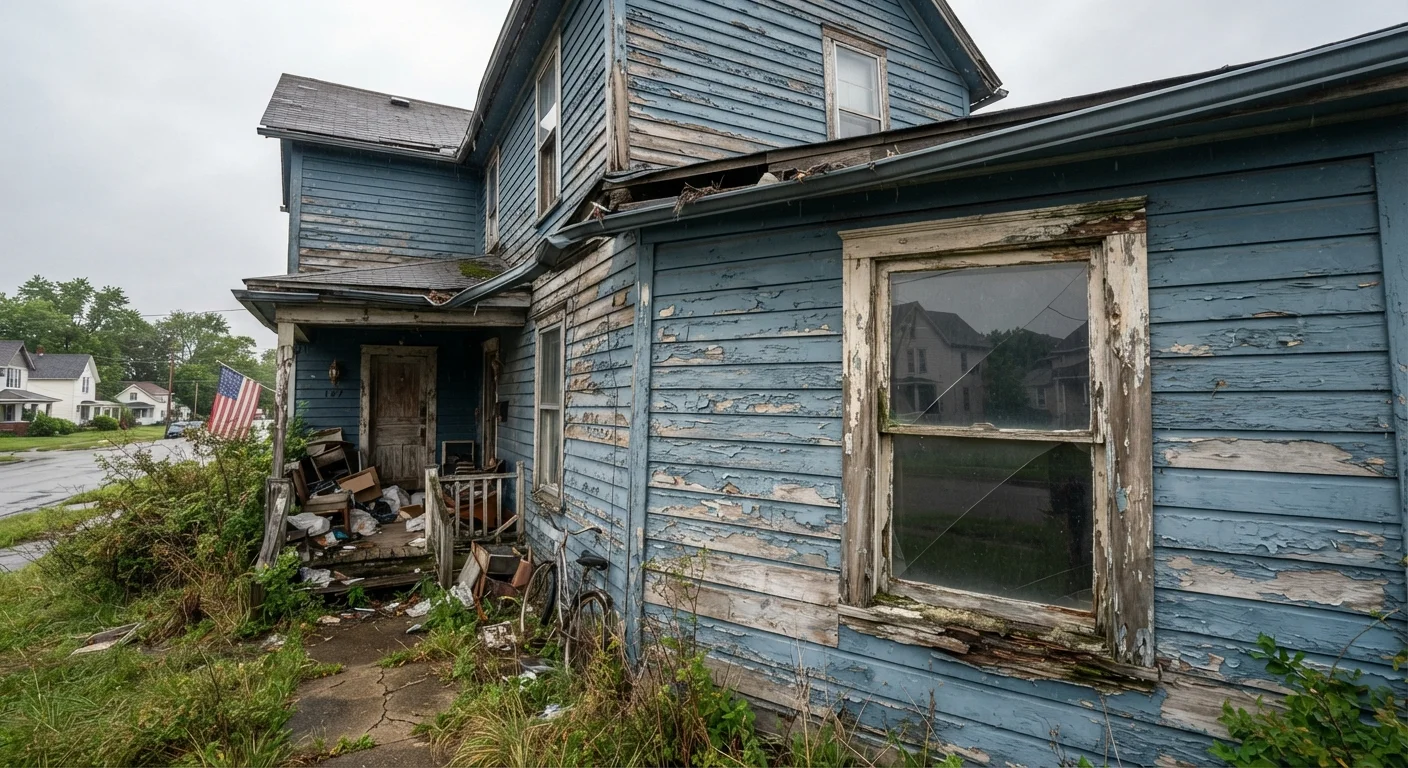
The cost of that beauty is sustained attention. Wood must be painted or stained every 5-7 years depending on climate, and any breach in the finish can allow moisture, rot, or insect damage to take hold quickly. In the Pacific Northwest, Gulf Coast, or other high-humidity zones, wood demands especially vigilant upkeep. Skipping maintenance cycles compounds problems rapidly - as detailed in our guide on deferred maintenance risks. For homeowners willing to invest in that upkeep, wood siding can last 50 years or more.
Metal Siding: Resilience in Challenging Environments
Steel and aluminum siding are durable, non-combustible, and resistant to insects and rot. Steel offers superior impact resistance - important in hail-prone regions across the Midwest and Plains - while aluminum's lighter weight and corrosion resistance make it a common choice in coastal or high-humidity areas. Both can be painted, though scratches on steel can lead to rust if left untreated.
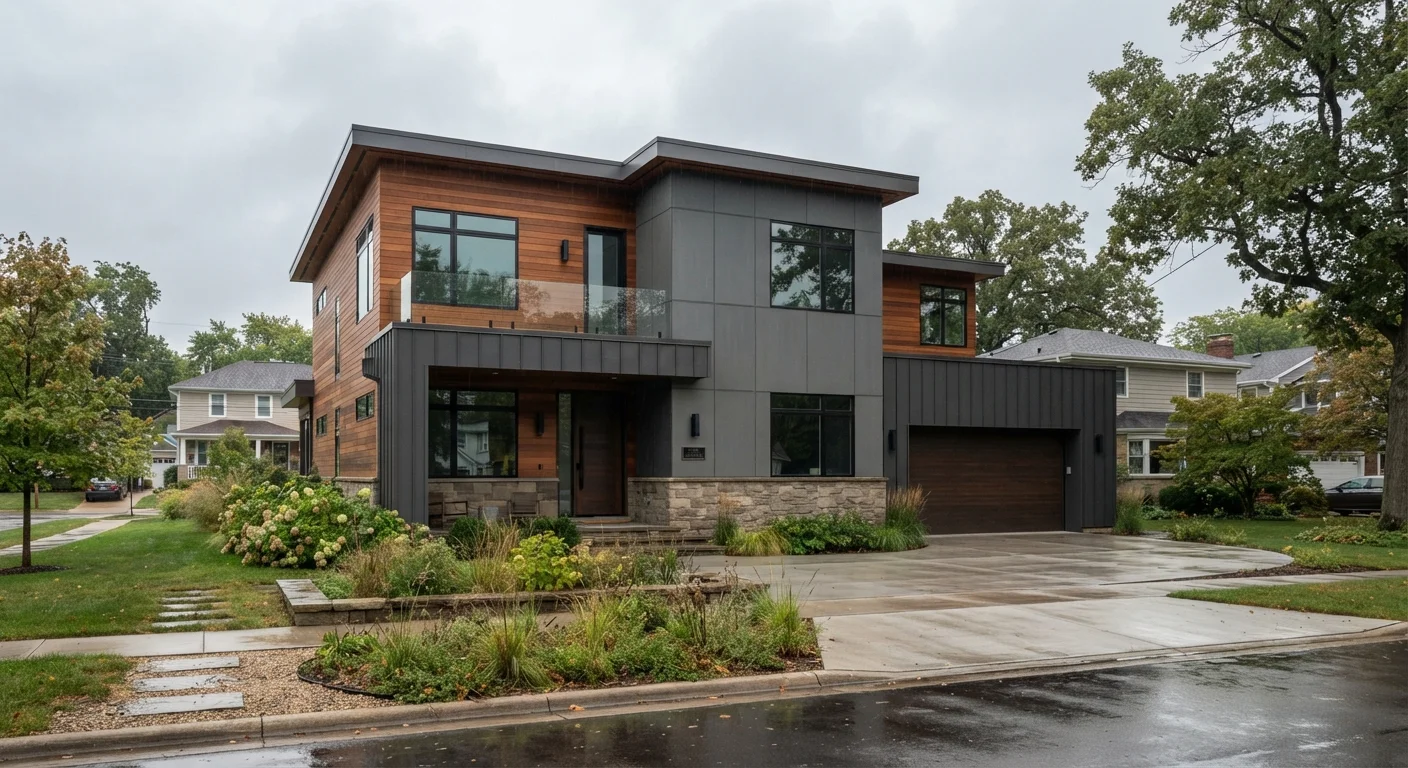
Metal siding can dent, and some homeowners find its industrial aesthetic limiting. It also conducts sound more readily than other materials, which may require additional insulation behind the panels in noisy environments. That said, metal is one of the most fire-resistant exterior options available, a meaningful consideration in wildfire-prone western states. Maintenance primarily involves periodic washing and touch-up paint on any chips or scratches.
~30%
US homes with vinyl siding
Vinyl has consistently been the most installed new siding material in the US, according to industry trade data from the Census Bureau's Survey of Construction.
5-7 years
Wood siding repaint interval
Most exterior paint and stain manufacturers recommend this recoating schedule for wood siding under average US climate conditions.
Whichever material you choose, the exterior envelope of your home interacts with your outdoor spaces - exploring how your outdoor living area integrates with your home's exterior can help you plan materials that work cohesively.