
Your Right to a Habitable Home
At the foundation of tenant law is a straightforward principle: the place you rent must be safe and livable. Nearly every US state recognizes the implied warranty of habitability, which requires landlords to maintain rental units in a condition fit for human habitation-regardless of what any lease clause says to the contrary.
In practice, this means landlords must provide functioning heat and hot water, a weatherproof structure, working plumbing and electrical systems, and freedom from serious pest infestations. If a landlord fails to make required repairs after receiving written notice, most states give tenants legal remedies that may include:
- Repair and deduct - paying for the repair yourself and subtracting the cost from rent (subject to state-specific caps)
- Rent withholding - placing rent in escrow while a court determines if conditions warrant it
- Lease termination - ending the tenancy without penalty when conditions rise to constructive eviction
Document every maintenance request in writing and keep copies. This paper trail is essential if a dispute reaches a housing court. Before signing any lease, review our guide to renting your first apartment for red flags to look for before you hand over any money.
| Federal Fair Housing Act enacted | 1968 (US Department of Housing and Urban Development (HUD)) |
| Protected classes under federal law | 7 (race, color, religion, national origin, sex, disability, familial status) (Fair Housing Act, 42 U.S.C. § 3604) |
| States with rent control or stabilization laws | Approximately 10 states plus DC (National Multifamily Housing Council, 2023) |
| Typical security deposit return window | 14-45 days after move-out (varies by state) (State landlord-tenant statutes) |
| Notice required for landlord entry (most states) | 24-48 hours (State landlord-tenant statutes) |
| Habitability warranty coverage | Most US states (National Housing Law Project) |
Fair Housing, Privacy, and Security Deposit Protections
Three additional categories of rights affect nearly every tenant's day-to-day experience.
Fair Housing and Anti-Discrimination
The federal Fair Housing Act prohibits landlords from discriminating based on race, color, religion, national origin, sex, familial status, or disability. Many states extend this list to include sexual orientation, source of income, age, and other categories. Discrimination can take many forms-not just outright refusal, but also steering applicants toward certain units, applying different screening standards, or refusing reasonable accommodations for disability. If you believe you've experienced housing discrimination, the HUD complaint portal is a starting point, and many states have parallel enforcement agencies.
Tenant Rights Vary Significantly by State
Federal law establishes a floor of protections, but state and local laws often go further-covering notice periods, deposit limits, rent increases, and more. Always verify the specific rules in your state and municipality, as they can differ substantially from general guidance. Consulting a local tenant rights organization or attorney is advisable when disputes arise.
Privacy and Landlord Entry
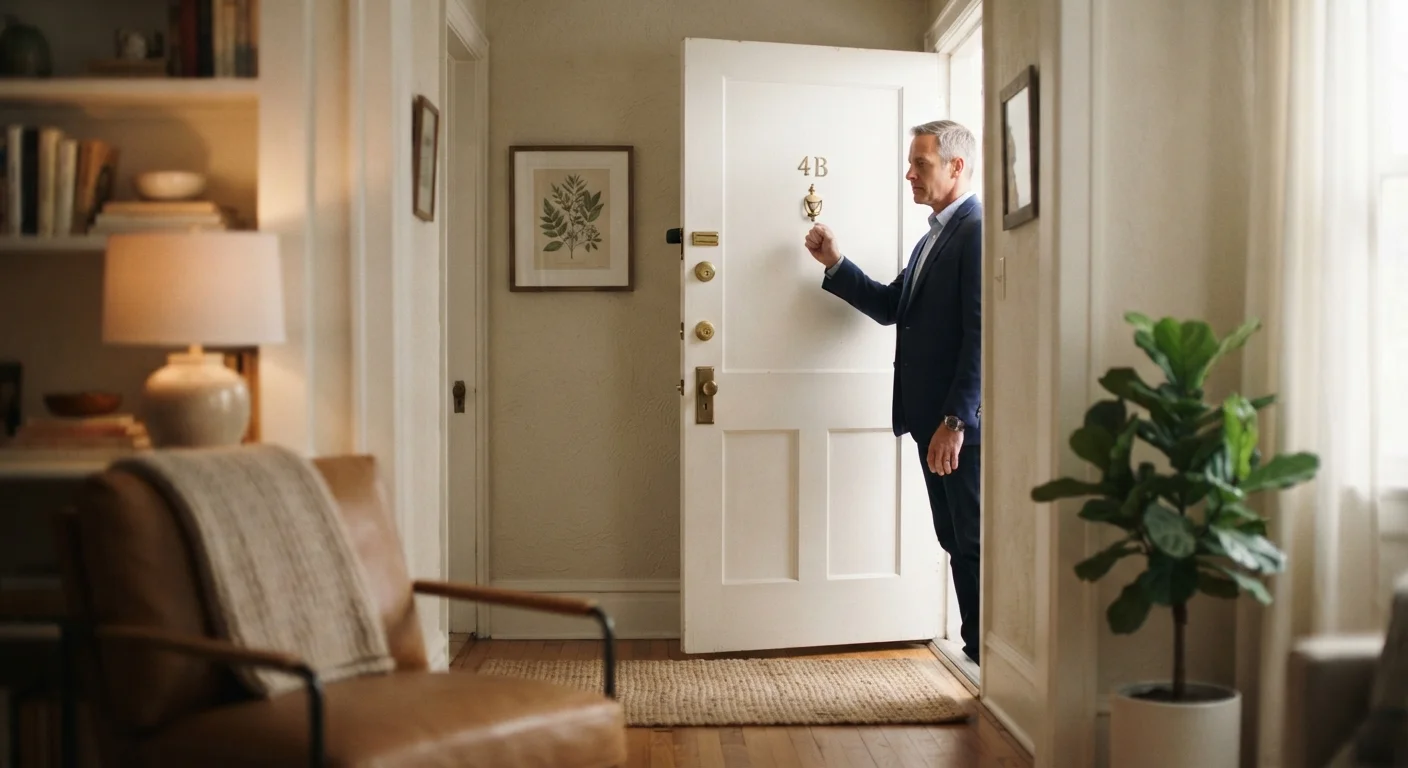
Your rented home is still your home. Most states require landlords to give 24 to 48 hours' advance written notice before entering, except in genuine emergencies such as a burst pipe or fire. Repeated unannounced entries may constitute harassment and can be grounds for legal action. For a full breakdown of notice requirements and exceptions, see our article on how landlords are and aren't allowed to enter your home.
Security Deposit Rules
Landlords may generally keep a deposit only for unpaid rent or tenant-caused damage beyond normal wear and tear-things like large holes in walls, not minor scuffs. State laws specify how quickly deposits must be returned after move-out (typically 14-45 days) and what itemized documentation is required. Failure to comply can expose landlords to penalties including double or triple damages in some states. Photograph your unit thoroughly at move-in and move-out to protect your claim.
Be aware of costs that go beyond the deposit itself. Our overview of hidden costs of renting covers fees and expenses many tenants don't anticipate until they're due.
This article provides general informational content about tenant rights and is not legal advice. Laws vary by state and locality. Consult a licensed attorney or local tenant rights organization for guidance specific to your situation.