What Each Travel Style Actually Delivers
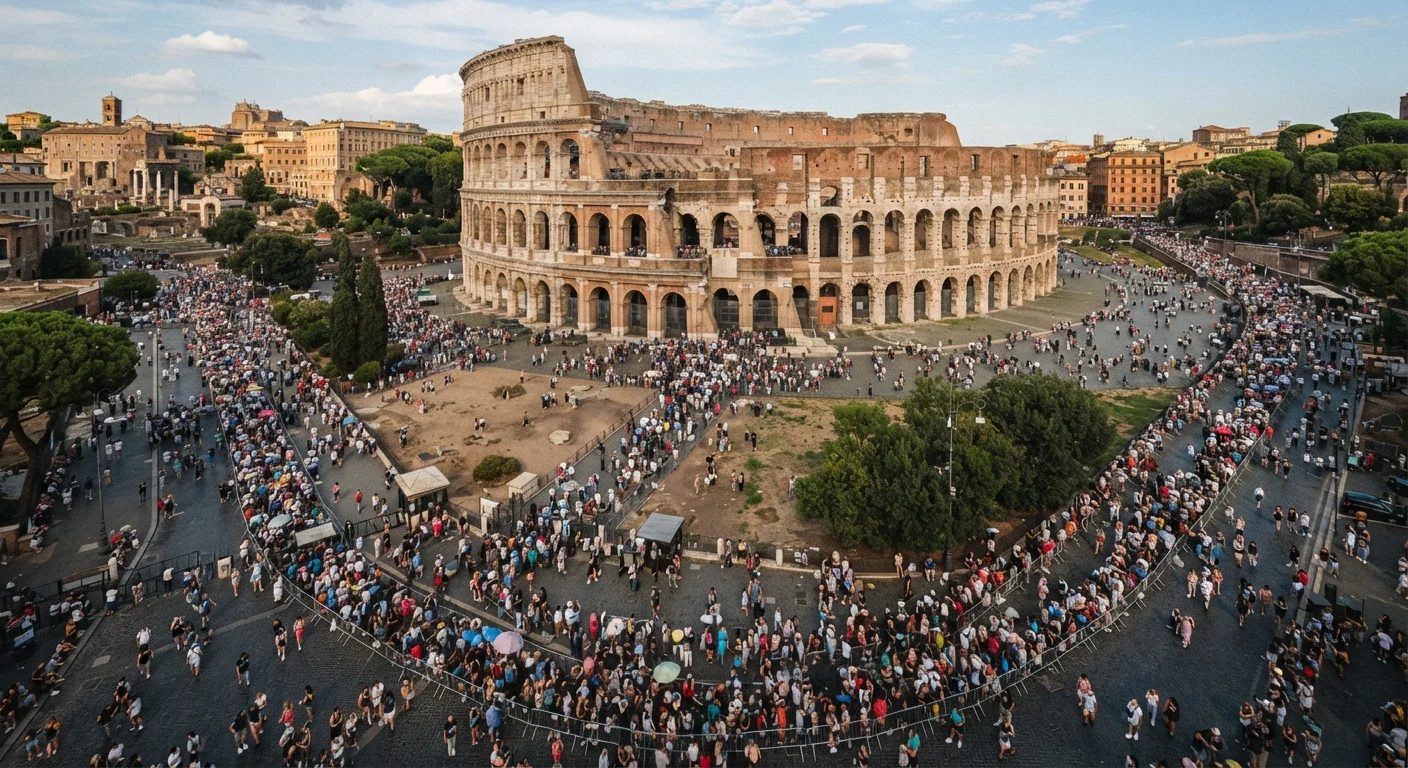
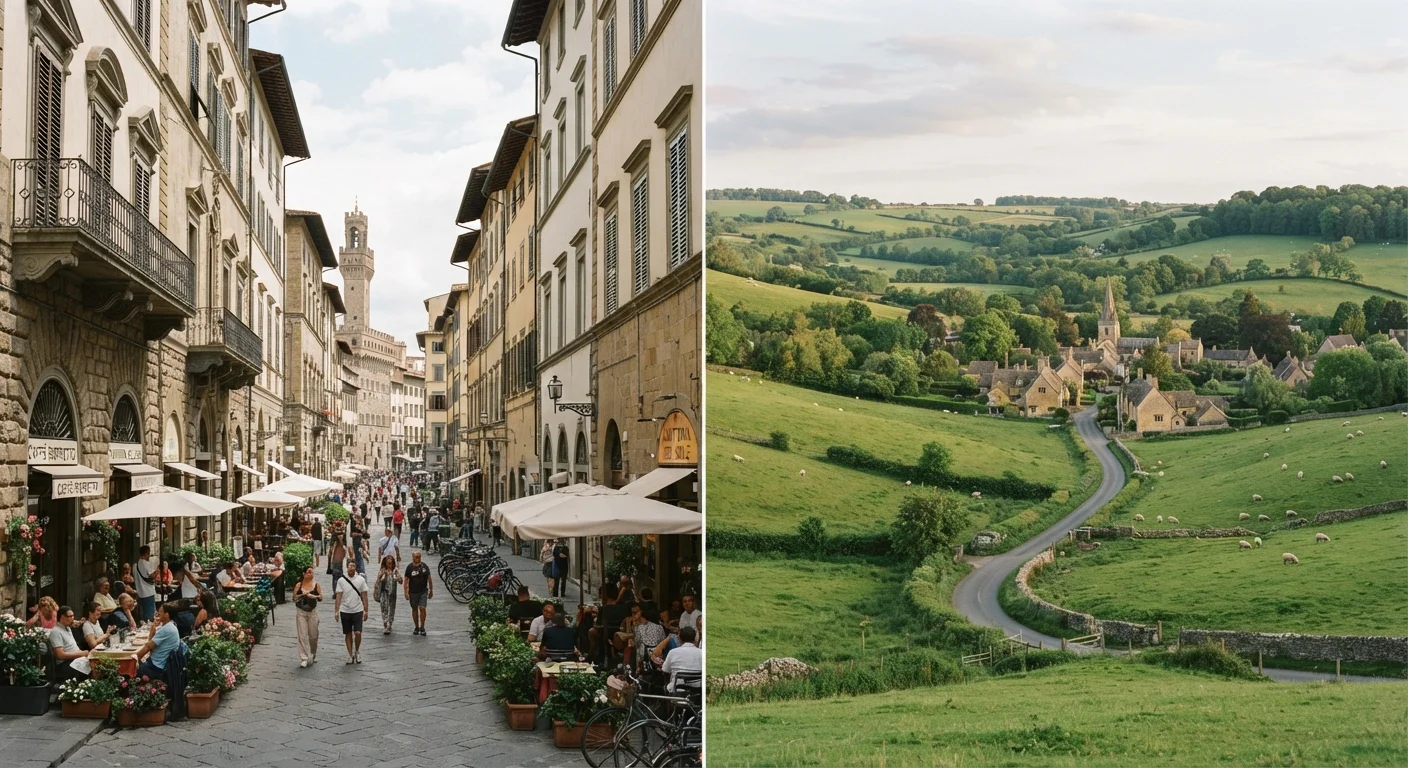
A European city break typically means two to five days in an urban center - think Lisbon, Amsterdam, Prague, or Vienna - with a packed schedule of museums, historic neighborhoods, restaurants, and cultural landmarks. The infrastructure is built for visitors: public transit is usually reliable, English is widely spoken, and options for food and entertainment are plentiful at any hour.
A countryside retreat, by contrast, means slower movement through rural or semi-rural areas. This could be the Tuscany hills in Italy, the Dordogne valley in France, the Cotswolds in England, or Slovenia's Soča valley. Days are defined by landscape rather than landmarks, and the pace drops considerably. You may depend on a rental car, deal with limited dining hours, and find that the most memorable moments are unplanned.
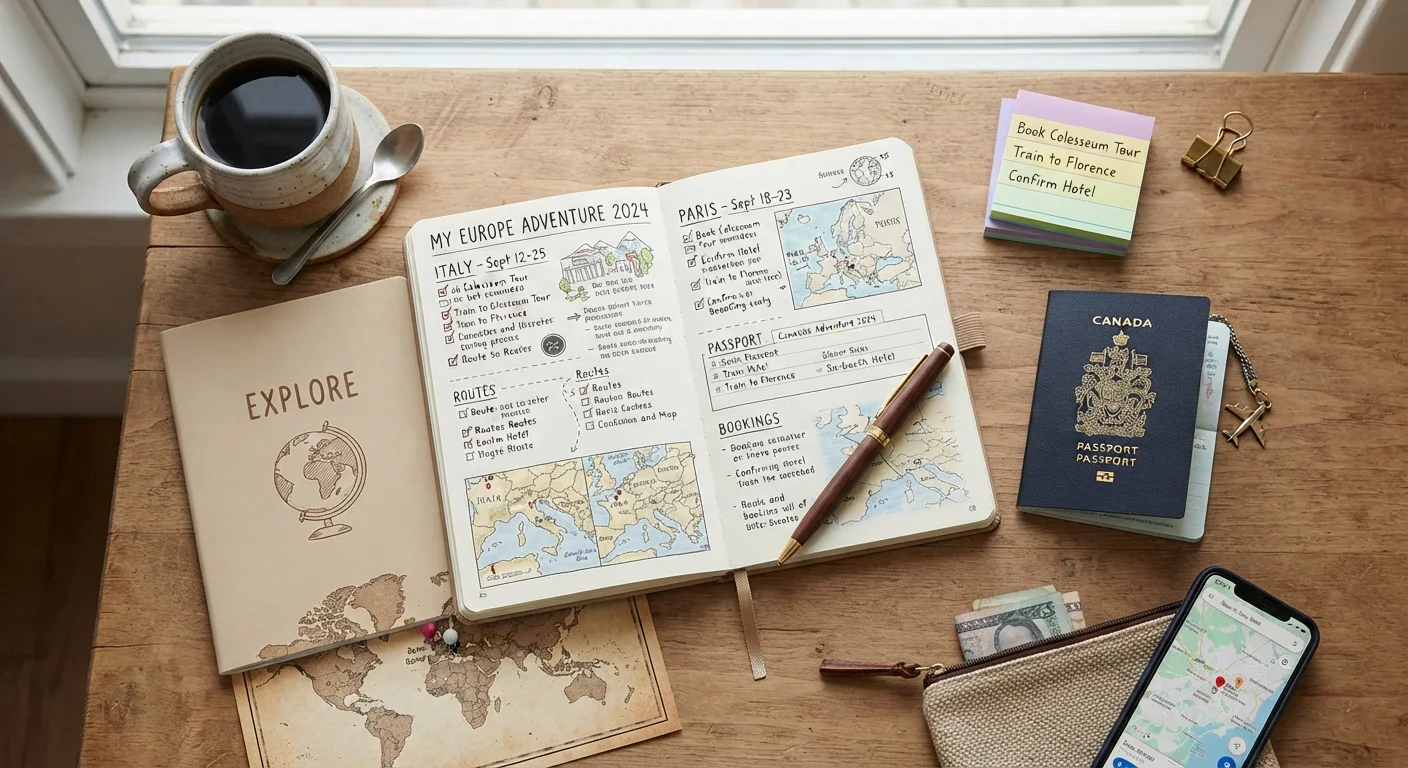
Both styles can be deeply rewarding, but they satisfy very different needs. Understanding which one fits your current travel mindset - not just your bucket list - is the real starting point. If you're new to planning European trips, the step-by-step itinerary guide covers how to structure either approach realistically.
Key Trade-Offs Side by Side
The comparison below breaks down the most meaningful differences between city breaks and countryside retreats across practical criteria. Note that costs and logistics vary significantly by country and season, so treat these as general patterns rather than guarantees.
| City Break | Countryside Retreat | |
|---|---|---|
| Typical trip length | 2-5 days | 4-10 days |
| Daily cost (general pattern) | Higher, especially in Western Europe | Often lower, but varies widely |
| Transportation ease | Strong public transit in most cities | Car rental often necessary |
| Dining access | Wide variety, flexible hours | Limited options, earlier closing times |
| Crowd levels | High at peak times and landmarks | Generally quieter, even in summer |
| Pacing | Fast, activity-dense | Slow, unstructured |
| Best for first-timers | Yes - familiar infrastructure | Better for experienced travelers |
| Advance booking required | Recommended but flexible | Often essential, especially in summer |
One pattern worth noting: city breaks are often more forgiving logistically, especially for first-time visitors. Countryside travel rewards planning. Rural accommodations may require advance booking months ahead during summer, and transportation gaps can turn a missed bus into a half-day delay.
How to Match Your Priorities to the Right Style
Rather than choosing based on destination prestige, it helps to work backward from what you actually want to feel during and after the trip.
- If you want to cover a lot of ground quickly: A city break is the more efficient structure. Urban European destinations concentrate history, art, and food within walkable or transit-connected distances.
- If you need genuine rest: Cities rarely deliver it. The stimulation is constant. Countryside retreats - particularly in off-peak months - give travelers actual downtime without guilt.
- If you're traveling with mixed-age groups: Cities often handle mixed needs better, with more accessible infrastructure and entertainment variety. Rural areas can be magical for families or older travelers but may require more logistical planning around mobility and services.
- If you've already visited the obvious landmarks: A countryside retreat can reveal a more textured side of a country. Repeat visitors to France, for example, often describe rural stays as their most authentic experience.
It's also worth examining a few common travel planning myths before committing - including the assumption that packing more destinations into a trip always improves it.
Try a Short Countryside Extension First
If you're uncertain about committing to a full rural trip, consider adding just one or two nights outside the city to your next European visit. Many major hubs - Paris, Rome, Barcelona - are within two hours of genuinely rural areas by train or car. A short extension lets you sample the pace without overcommitting your itinerary.
The Case for Combining Both
Many strong European itineraries blend city and countryside elements deliberately. A week in Italy, for instance, might begin with two days in Florence, then shift to three days in Chianti or the Val d'Orcia before returning through a smaller city like Siena. This structure lets travelers decompress between high-stimulation urban phases and often produces a more memorable overall experience than a single-mode trip.
The key is building transitions intentionally rather than cramming them in as afterthoughts. If you're visiting a heavily touristed urban area, a rural extension can also provide relief from crowds - a real consideration given the documented pressures of over-touristed destinations across Europe.
For guidance on structuring a hybrid trip with enough flexibility to adapt, weighing fixed versus flexible itineraries is a useful next step. Whether you settle on one style or blend both, the goal is the same: arriving home having experienced the trip you actually wanted, not just the one that looked good in photos.
Travel conditions, entry requirements, and local regulations can change. Always verify current requirements with official government sources and your accommodation or transportation providers before departing.