Why This Question Matters Before You Book
Millions of travelers each year head to the same shortlist of destinations-the Amalfi Coast, Machu Picchu, the streets of Venice, Kyoto during cherry blossom season. These places are genuinely extraordinary, but the decision to visit them involves real trade-offs that don't always appear in travel inspiration posts. Understanding those trade-offs before booking helps you set honest expectations and make a choice that fits your actual priorities.
This isn't about discouraging travel to famous places. It's about going in with clear eyes. See our trip planning resources for broader guidance on structuring your decision-making process before you commit to a destination.
World-class cultural and historical significance
The most-visited places in the world are typically there because they offer genuinely extraordinary experiences-iconic art, ancient history, or natural wonders that don't exist anywhere else. That level of significance is difficult to replicate at lesser-known alternatives.
Well-developed tourism infrastructure
High visitor volume drives investment in transportation, accommodation, multilingual signage, guided tours, and accessibility features. First-time international travelers often find the logistics significantly easier at popular destinations.
Extensive pre-trip research and information available
Famous destinations have been written about extensively, meaning travelers can find detailed, vetted guidance on what to expect, how to get around, and how to manage common challenges before they arrive.
Shared cultural touchstones and connection
Visiting places that many others have experienced-from the Eiffel Tower to the Grand Canyon-can create a sense of shared cultural memory, both with other travelers and with people back home.
Wide range of accommodation and dining options
High demand sustains a broad spectrum of lodging choices, from budget hostels to luxury hotels, and dining that ranges from tourist-oriented convenience to genuinely excellent local cuisine.
The Real Downsides of Crowd-Heavy Travel
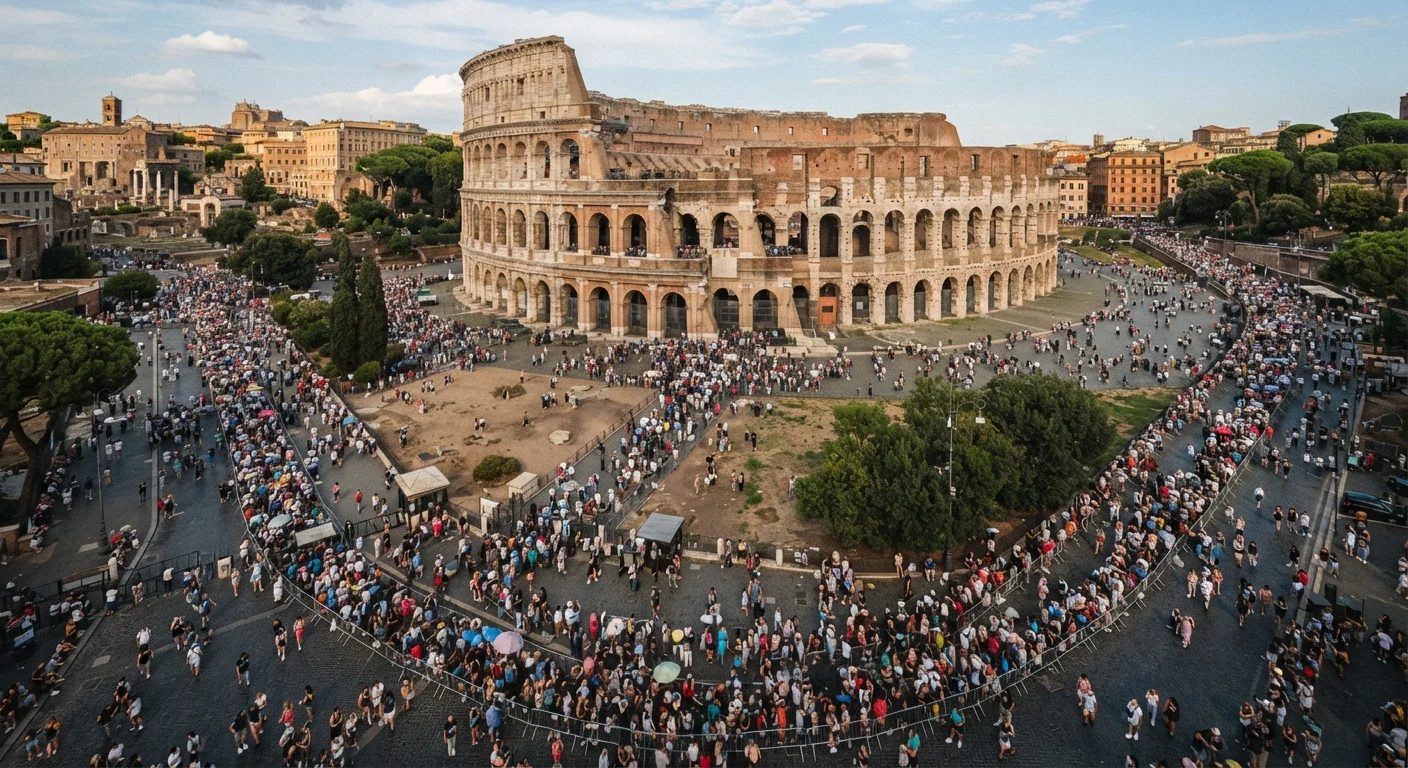
The challenges of overtouristed destinations tend to cluster around a few consistent themes: cost, congestion, authenticity, and environmental strain. These aren't hypothetical-they're well-documented and widely reported by travelers who have experienced them firsthand.
High costs driven by tourist demand
Peak-season pricing at popular destinations can push accommodation, meals, and entry fees significantly above the regional average. Budget travelers often find that their money goes much further at comparable but less-visited locations.
Crowds diminish the experience at key sites
Trying to absorb the Sistine Chapel while pressed against dozens of other visitors, or spending an hour in a queue to photograph a famous view, can undermine the sense of wonder that drew you there.
Authenticity eroded by tourist-facing economy
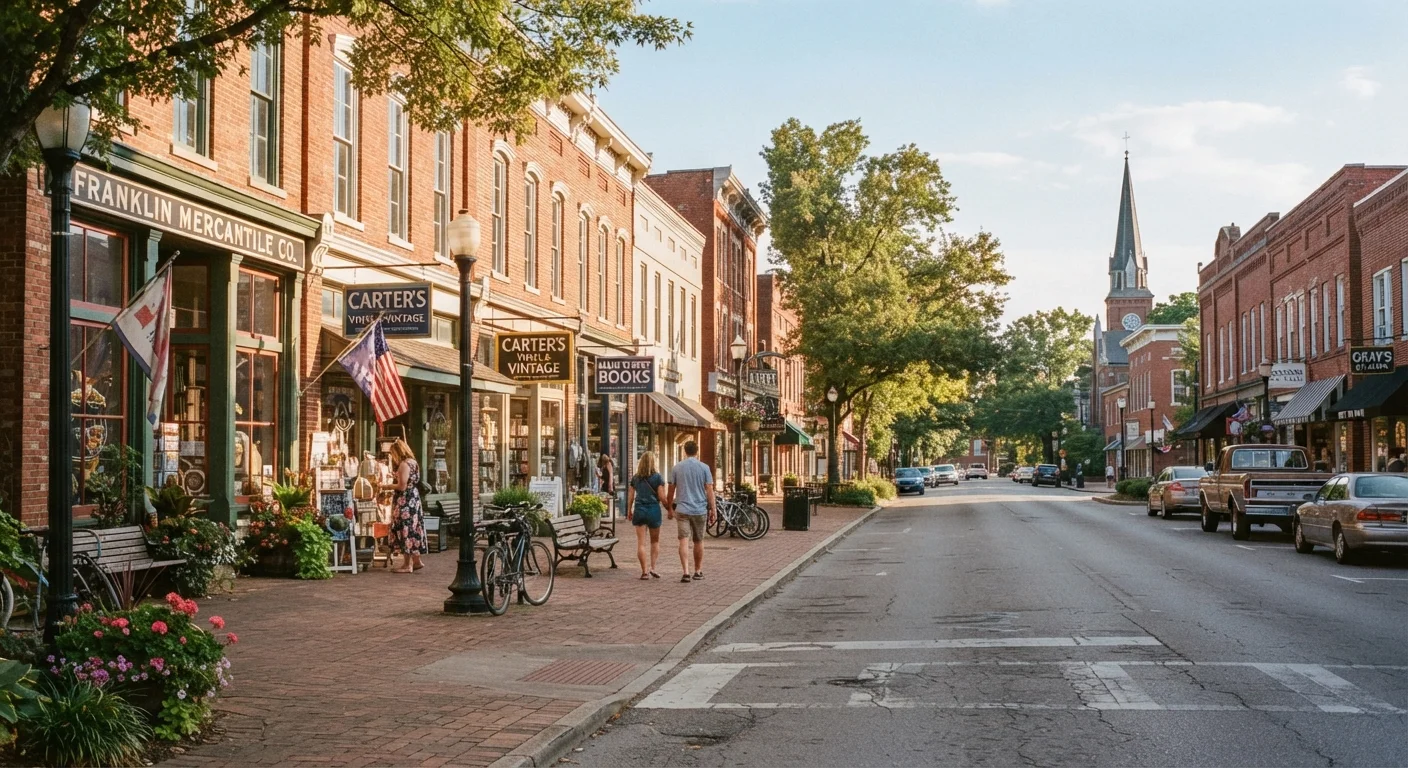
In heavily visited areas, local businesses catering to residents often give way to souvenir shops, chain restaurants, and experiences designed for short-stay visitors rather than genuine cultural immersion.
Environmental and cultural strain on host communities
Overtourism contributes to physical degradation of natural and historic sites, drives up local housing costs, and can displace the very communities that give a destination its character.
Limited spontaneity and advance planning required
Many popular attractions now require timed-entry tickets booked weeks or months ahead. The flexibility to show up and explore freely is often gone, particularly during high season.
1.4B
International tourist arrivals globally pre-pandemic
According to the UN World Tourism Organization, international tourist arrivals reached approximately 1.4 billion in 2018, concentrated heavily in a small number of destinations.
80%
Tourism concentrated in 10% of destinations
Research from tourism economists has consistently shown that a small fraction of the world's destinations absorb the vast majority of international visitor volume, intensifying pressure on those locations.
Beyond the personal frustration of packed sites and long waits, there's a broader impact to consider. Local residents in heavily touristed cities often face rising rents, displacement, and strained public services. Some destinations-including Amsterdam, Barcelona, and Dubrovnik-have implemented formal visitor caps, entry fees, or behavioral restrictions in response. Being aware of this context doesn't mean avoiding these places; it means traveling with more consideration for the communities you're moving through. See what travelers often miss when comparing destinations on cost alone for a fuller picture of what goes into choosing where to go.
How to Visit Responsibly and Get More from the Experience
If you decide a famous destination is right for you, timing and approach can dramatically change the quality of your trip. Visiting during shoulder season-typically spring or fall for most European and Asian destinations-reduces crowd density, lowers accommodation costs, and often yields better weather than peak summer months.
Booking timed-entry tickets well in advance is now essential at many major sites; walk-up access has effectively disappeared at places like the Uffizi in Florence or the Anne Frank House in Amsterdam. Arriving early in the morning or late afternoon also helps at outdoor sites where access isn't formally restricted.
Check Entry Requirements and Site Rules Before You Go
Entry fees, visitor caps, and timed-ticket systems at major sites change frequently. Always verify current access requirements directly with the official site or local tourism authority before your trip. Some destinations-including certain natural parks and UNESCO World Heritage Sites-have introduced reservation systems or seasonal closures that aren't widely advertised. Relying on outdated travel guides can mean arriving to find a site closed or fully booked.
It's also worth building your itinerary so that the famous landmark isn't the only thing on the agenda. Spending time in surrounding neighborhoods, eating where locals eat, and slowing down your pace often yields the most memorable parts of a trip. Our guide on fixed vs. flexible travel planning explores how your itinerary structure shapes the kind of experiences you have. For travelers open to alternatives, underrated US cities that reward slower travel offers a different kind of depth.