
How Each Planning Mode Works
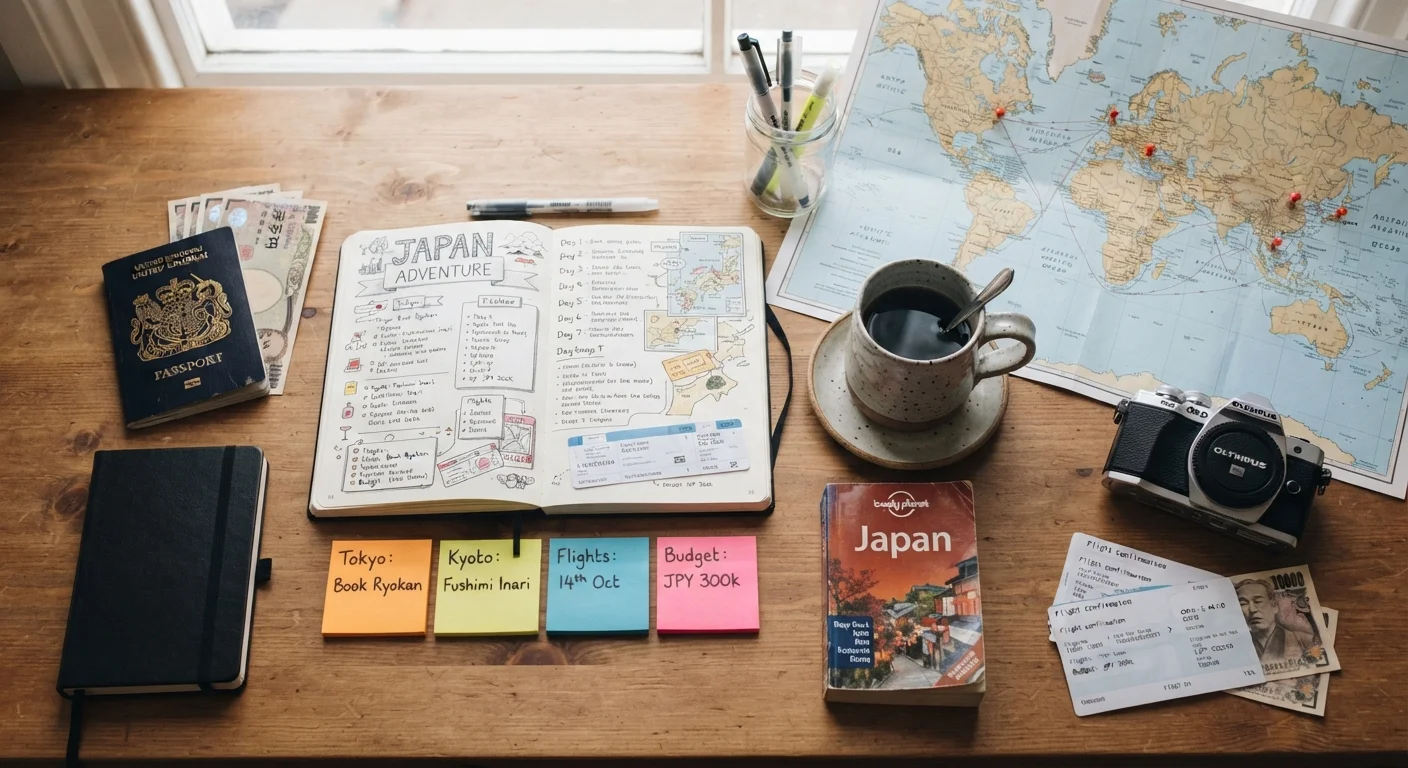
Solo travel planning is essentially a conversation between you and a blank itinerary. You set the destination, define the budget, choose the accommodation style, and decide how structured each day will be. Decision-making is fast because there's only one stakeholder. The tradeoff is that every responsibility - from researching entry requirements to knowing what to do if a flight is cancelled - falls on you alone.
Group trip coordination is a project management exercise as much as a travel one. Before a single booking is made, you need a shared destination, overlapping available dates, and rough budget consensus. The more people involved, the longer each of those conversations takes. Research from group travel organizers consistently shows that larger groups (six or more) take two to three times as long to confirm a destination as pairs or trios.
Understanding the core phases of trip planning - research, logistics, bookings, and day-of preparation - applies to both modes, but the sequence and complexity differ sharply between them.
| Criterion | Solo Travel Planning | Group Trip Coordination |
|---|---|---|
| Decision speed | Immediate - one decision-maker | Slow - requires consensus |
| Budget control | Fully self-determined | Requires group alignment upfront |
| Itinerary flexibility | High - pivot anytime | Lower - advance bookings needed |
| Cost-sharing potential | None - all costs individual | Strong - accommodation and transport split |
| Safety considerations | Higher personal responsibility | Built-in support from companions |
| Booking lead time | Shorter - flexible availability | Longer - coordinating schedules |
| Conflict risk | None interpersonally | Moderate to high without clear roles |
The Real Friction Points in Each Approach
For solo travelers, the hardest moments tend to be logistical and safety-related rather than interpersonal. Navigating an unfamiliar transit system alone, managing illness without a travel companion, or making judgment calls in ambiguous situations requires both preparation and confidence. Building habits around digital document backups, check-in routines, and situational awareness goes a long way - for deeper guidance, see practical solo travel safety habits that don't restrict your experience.
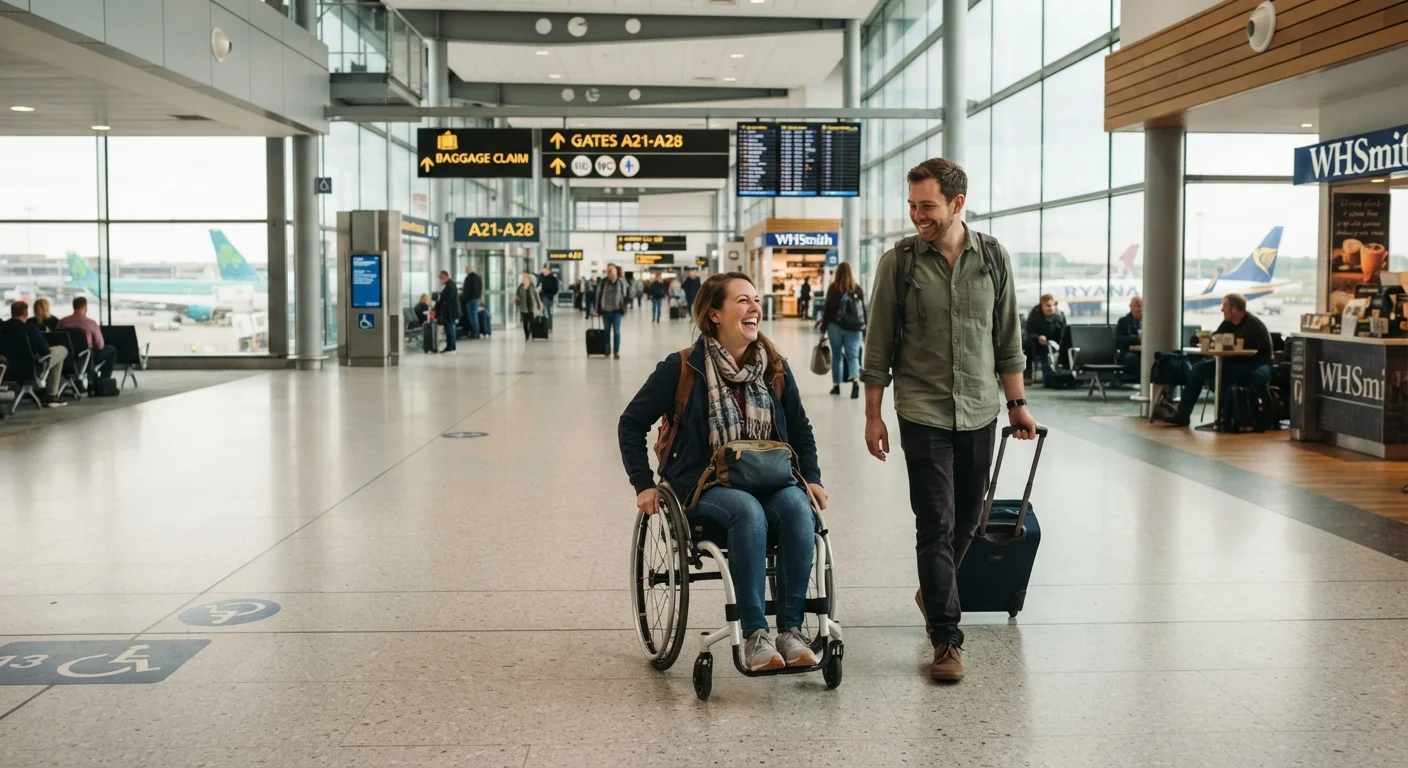
For group coordinators, budget misalignment is the most common derailment. One person imagines boutique hotels; another is budgeting hostels. Establishing a per-person spending range before any booking is made prevents resentment later. Equally challenging: dietary restrictions, mobility differences, and varying appetites for activity. Planning with accessibility needs in mind is particularly relevant for mixed-ability groups, as it addresses how to research accommodations and transport proactively.
72%
Solo travelers who report last-minute itinerary changes
A 2023 survey by Solo Traveler World found nearly three-quarters of solo travelers altered their plans mid-trip, citing spontaneity as a key motivation.
3-6 weeks
Average group trip planning time for 6+ people
Travel industry coordination data consistently indicates groups of six or more spend weeks longer confirming dates and destinations than pairs.
58%
Group travelers citing budget disagreements as a top stressor
Research by travel coordination platforms has found budget misalignment to be the leading source of conflict in group travel planning.
One underrated friction point in group travel is itinerary flexibility. Groups generally need firmer advance bookings - restaurants, tours, and transport fill faster when you're reserving for eight rather than one. Solo travelers, by contrast, can lean into flexible versus fixed itinerary strategies more freely.
Practical Strategies That Work for Each
Solo planners benefit most from building a loose daily framework rather than a minute-by-minute schedule. Identify one or two must-do anchors per day, book accommodation in advance for the first and last nights, and leave the middle open to adapt. Consider traveling during shoulder season - shoulder season travel often means fewer crowds and more space to move spontaneously, which suits the solo pace well.
Group coordinators should designate a lead organizer early - someone who collects preferences, makes final calls when consensus stalls, and manages the shared booking record. Use a simple shared document (a spreadsheet works well) to track who has paid for what, confirmation numbers, and key contact details. Set a decision deadline for major choices like destination and dates; open-ended group polls tend to stall.
Both modes benefit from separating the planning into distinct phases: destination and dates first, then accommodation, then transport, then activities. Trying to book everything simultaneously creates confusion regardless of group size. For more on structuring this process, a well-planned trip framework provides a reliable starting point.
Verify Entry and Safety Requirements Before You Book
Whether you're traveling solo or in a group, visa rules, vaccination requirements, and travel advisories can change with little notice. Always verify current entry requirements through official government sources - such as travel.state.gov for US passport holders - and check destination-specific advisories before finalizing any bookings. This applies equally to domestic travel where local regulations or weather conditions may affect access.