Why Solo Travel Safety Is About Preparation, Not Paranoia
Solo travel carries a reputation for danger that research and experience rarely support. The real risk isn't the destination-it's arriving unprepared. When you're traveling alone, there's no partner to notice you left your passport on the table or to flag that the neighborhood changed character after dark. That gap is filled by habit, not luck.
The practices below are drawn from patterns common among experienced independent travelers. None of them require expensive gear or constant vigilance. What they share is that they shift you from reactive to proactive-so when something goes sideways, you already have a plan. For a broader look at what separates seasoned travelers from first-timers, see what experienced travelers always do before a big trip.
Back up your critical documents digitally before departure
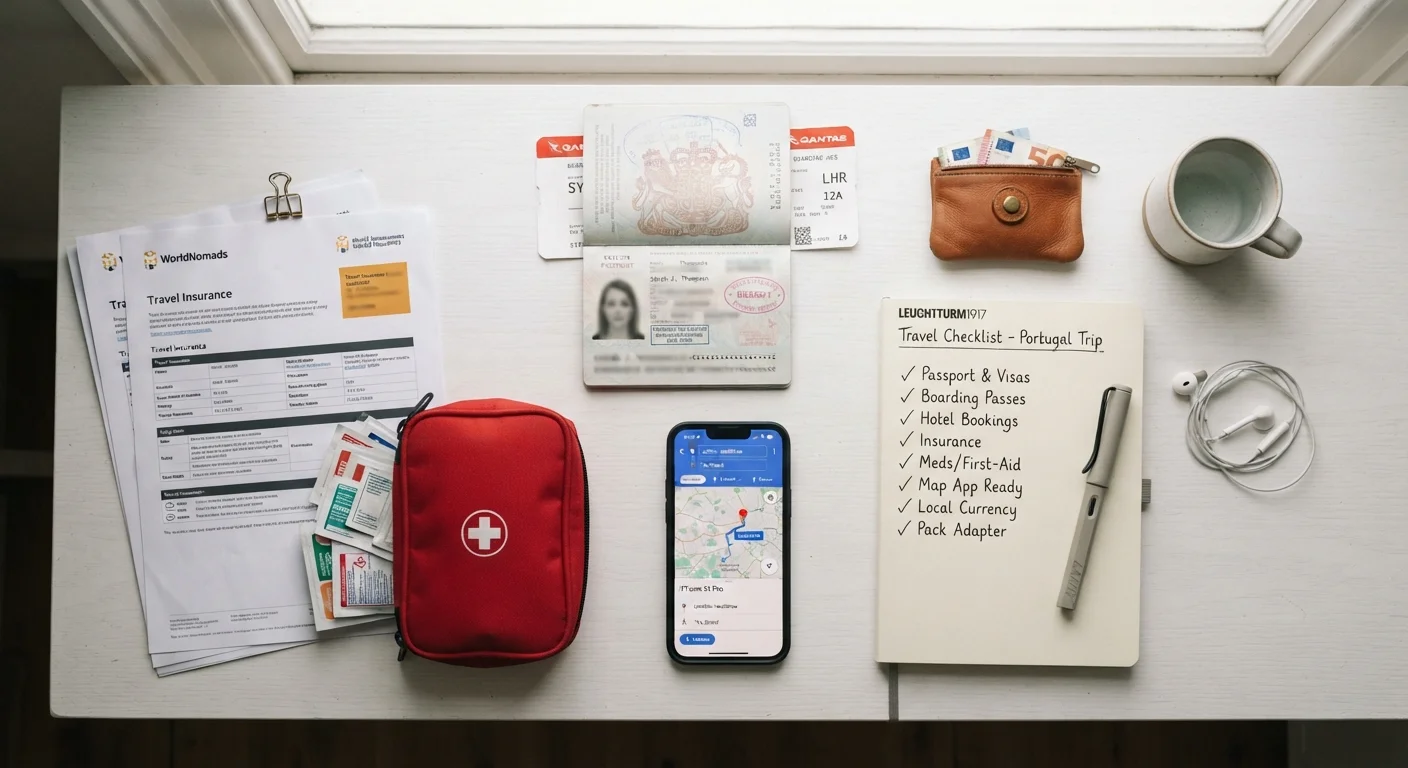
Losing a passport or having a wallet stolen abroad is dramatically less disruptive when you have digital copies of your passport, visa, travel insurance, and emergency contacts stored in a secure cloud folder. Many travelers don't realize how much time a replacement process takes without any documentation to reference.
Share your itinerary with one trusted contact at home
If something goes wrong-illness, an accident, a missed check-in-having someone who knows your planned route and accommodation gives emergency responders or consular staff a starting point. This costs nothing and takes minutes to set up.
Carry a small amount of local cash in a separate location from your main wallet
Card readers fail, ATMs run dry, and tourist areas can attract pickpockets. Having backup cash tucked in a different pocket or a hidden pouch means a single theft or technical failure doesn't strand you.
Do a quick neighborhood orientation when you arrive somewhere new
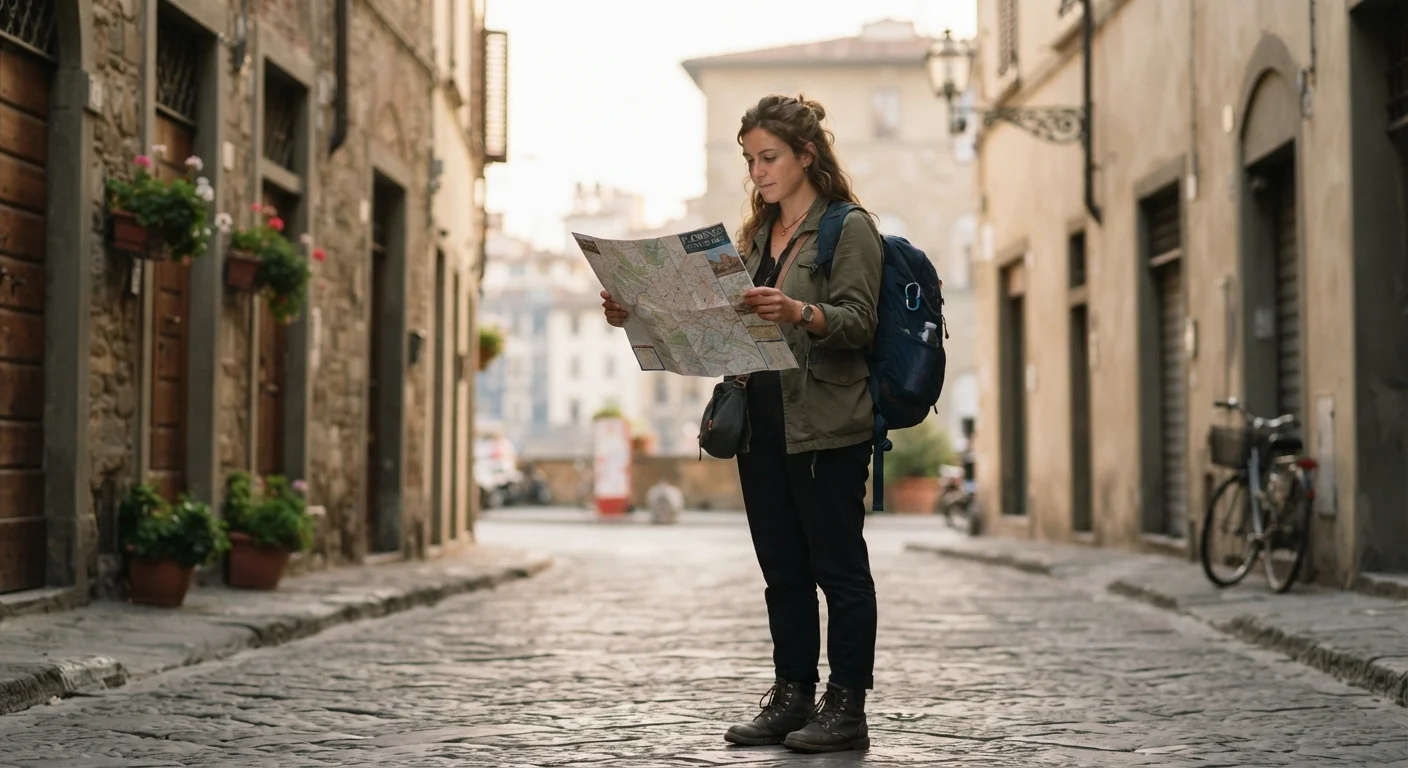
Arriving disoriented-pulling out your phone to navigate while carrying luggage-signals unfamiliarity and can attract opportunistic theft. A five-minute walk around your immediate area after check-in helps you identify the nearest pharmacy, transit stop, and safe public space.
Keep your phone charged and your accommodation address saved offline
Relying on data connectivity in an unfamiliar city is riskier than it seems. Networks drop, data roaming fails, and low battery at the wrong moment leaves you without navigation or emergency contact access.
Register with your country's traveler registration program before international trips
The U.S. Department of State offers a free Smart Traveler Enrollment Program (STEP) that allows Americans abroad to receive official safety alerts and makes it easier for the embassy to contact you in an emergency. Many travelers simply don't know this program exists.
On-the-Ground Habits That Actually Make a Difference
Document prep and digital backups matter before you leave, but the habits you maintain once you arrive carry equal weight. Situational awareness-the practice of knowing what's happening around you without becoming anxious about it-is the single most transferable skill in solo travel.
Awareness Doesn't Mean Anxiety
Situational awareness is a calm, practiced skill-not a state of constant alertness. It means glancing around when you enter a new space, knowing roughly where the exit is, and noticing if something feels off without catastrophizing. Most experienced solo travelers describe it as a background habit, not a burden.
This means arriving at a new city during daylight when possible, orienting yourself before you need to navigate urgently, and learning one or two key phrases in the local language (including how to ask for help). It also means trusting local knowledge: hotel desk staff, guesthouse owners, and tourist office workers often know exactly which routes or situations to avoid without dramatizing it.
Dining and socializing alone bring their own rhythm. If you're new to eating out independently, navigating solo dining comfortably covers how to read a room and settle in without self-consciousness-a small but real part of the solo travel experience.
Quick Wins You Can Implement Before Your Next Trip
Not every safety upgrade requires significant time investment. Several of the most effective habits take under ten minutes to set up and provide protection that lasts the entire trip. Start with your documents-most travelers overlook how vulnerable they are until a wallet is lost or stolen.
For a structured pre-departure review that covers documents, finances, and health prep together, the pre-trip checklist every traveler should run is a reliable starting point. Solo travel planning also differs from group logistics in important ways-how solo and group trip planning compare can help you calibrate your approach if you're switching between modes.
~2,000
Americans arrested abroad annually
The U.S. State Department reports roughly 2,000 American citizens are arrested abroad each year, many for reasons that better pre-trip research could have prevented.
1 in 6
Travelers report losing a document abroad
Industry surveys on travel mishaps consistently find that lost or stolen documents are among the most commonly reported incidents by independent travelers.
This article provides general travel information and guidance. Always verify entry requirements, safety advisories, and local conditions with official government and provider sources before traveling.