How the Two Channels Actually Work
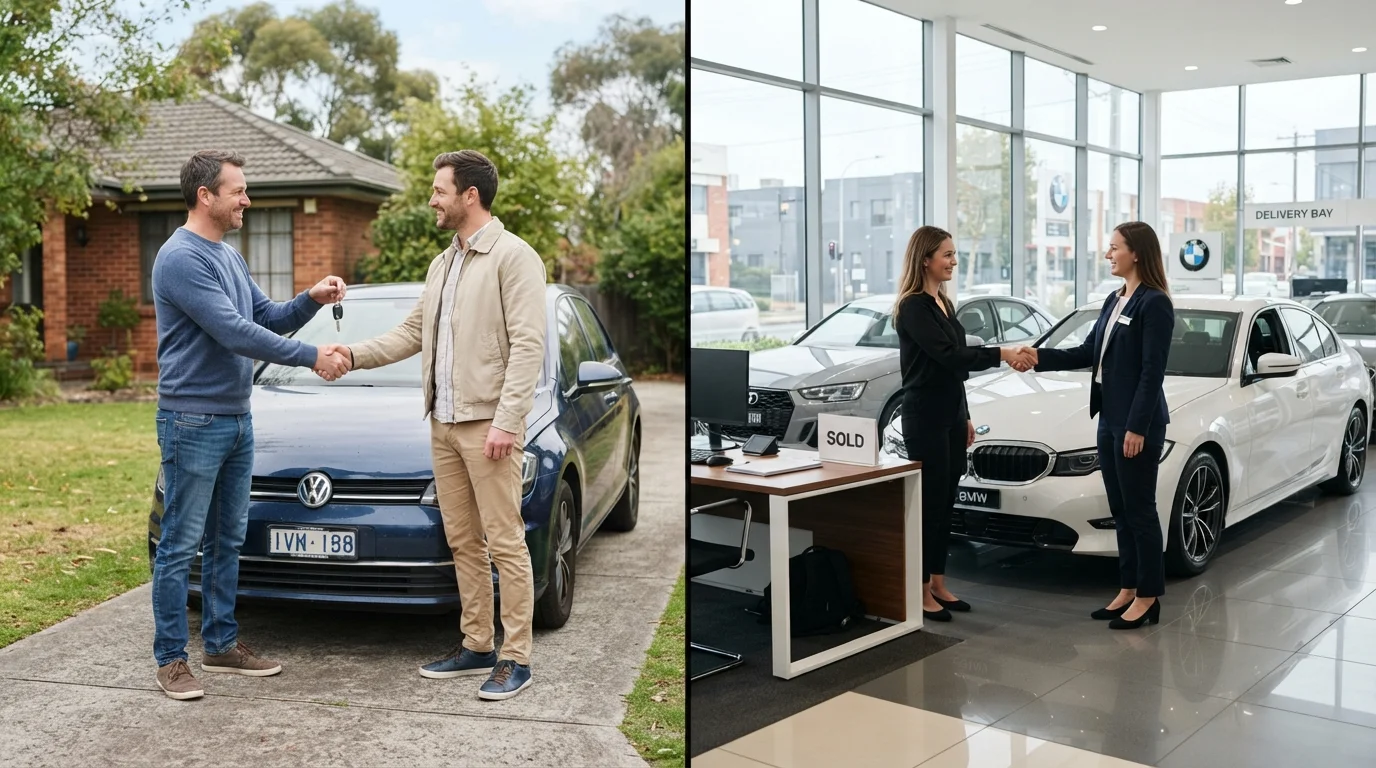
When you buy from a private seller, you're dealing directly with the current owner - typically through a classified listing. There's no middleman, no showroom overhead, and no sales staff. The transaction is negotiated directly, and once money and title change hands, the deal is done.
A dealership purchases vehicles wholesale - either new from a manufacturer or used through trade-ins and auctions - then resells them at a marked-up retail price. That margin funds the showroom, staff, reconditioning, and services like financing and warranty programs. Franchised dealers selling new vehicles also operate under manufacturer agreements that shape how they conduct business.
Understanding this structural difference helps explain why prices, protections, and risks vary so significantly between the two.
The Case for Buying From a Private Seller
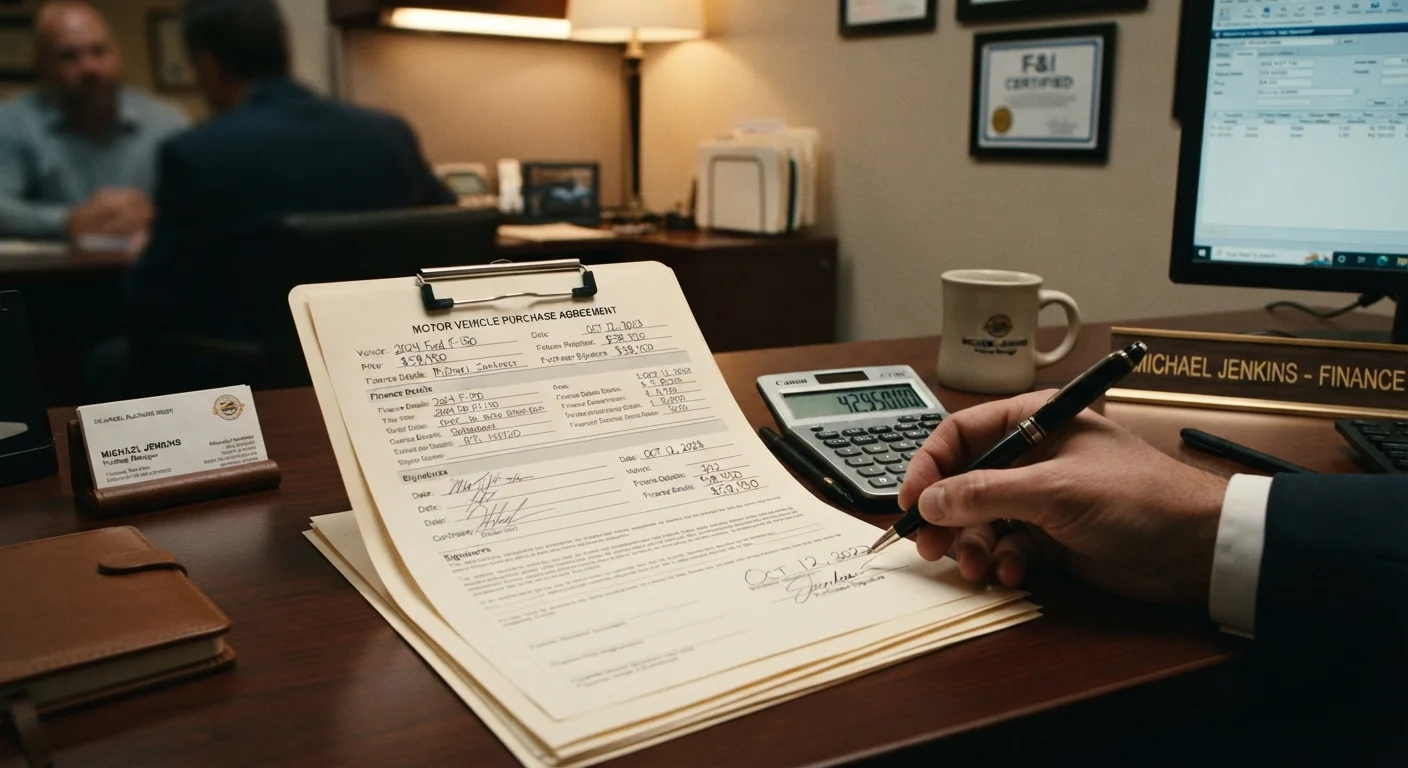
The most obvious appeal is price. Private sellers don't carry the overhead that dealers do, so asking prices are often lower for comparable vehicles. There's also room to negotiate directly, without the layers of a F&I (finance and insurance) office pushing add-ons into the deal. See our guide to dealership add-ons for context on what those costs can look like.
Private sales can also be faster. No waiting for a sales manager, no multi-hour dealership visits. If the seller has the title in hand and you've done your homework, a transaction can close in an afternoon.
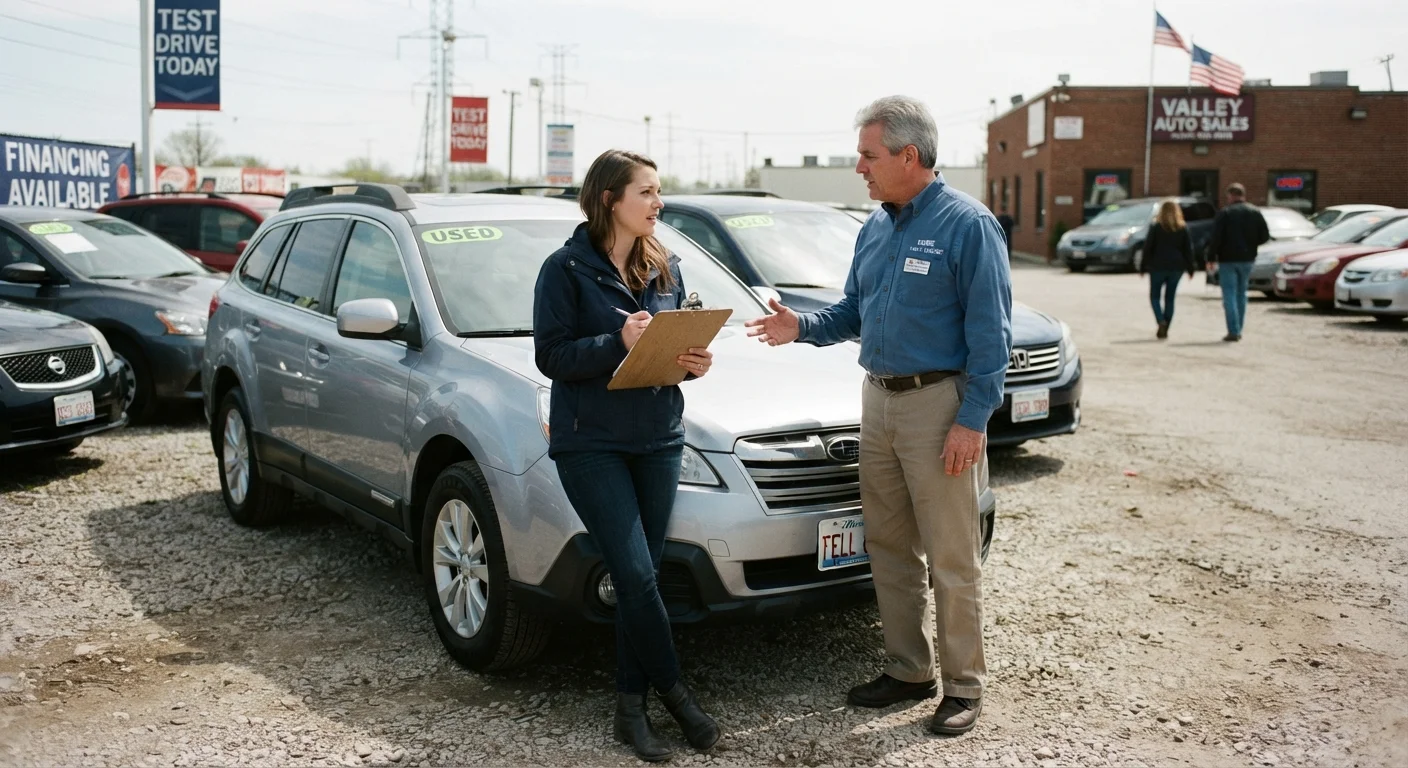
The risks, however, are real. Most private sales are as-is, meaning the seller bears no legal obligation to disclose every defect, and you have limited recourse once the sale is complete. There's no certified inspection, no return policy, and often no warranty. Fraud - including title washing, odometer rollback, and undisclosed accident history - does occur in private transactions.
Always Inspect Before You Buy
Even if a vehicle looks perfect in photos or has a clean history report, a pre-purchase inspection by an independent mechanic is worth the cost. They can identify issues that aren't visible to the untrained eye - worn brakes, suspension problems, or signs of prior flood damage. Budget $100-$200 for this step regardless of whether you're buying from a private party or a dealer.
Before committing, review our list of questions to ask any used-car seller. The answers - and how they're given - tell you a great deal.
The Case for Buying From a Dealership
Dealerships operate under state licensing requirements and consumer protection laws that private sellers don't. Many states require dealers to provide certain disclosures, honor implied warranties on used vehicles, and follow defined processes for title transfer. That accountability layer matters when something goes wrong.
Used vehicles sold by franchised dealers are frequently reconditioned and may come with a limited warranty or certified pre-owned (CPO) status - though the scope of those programs varies significantly by manufacturer and dealer. Dealers also maintain relationships with lenders, making in-house financing accessible. That convenience has trade-offs, which our article on dealer financing vs. outside financing examines in detail.
The downside is cost. Dealer pricing reflects reconditioning, overhead, profit margin, and sometimes market manipulation on high-demand vehicles. The transaction process can also be lengthy and involve pressure around financing, trade-in value, and add-on products.
Watch for Add-On Costs at Dealerships
Dealer sticker prices are rarely the final number. Documentation fees, dealer-installed accessories, and finance office products like extended warranties and gap insurance can add hundreds or thousands to the total. Ask for an itemized out-the-door price in writing before agreeing to anything, and know that many of these add-ons are optional even when presented otherwise.
Side-by-Side: Key Factors Compared
The table below summarizes how private sellers and dealerships generally compare across the factors that matter most to used-car buyers. Individual experiences vary - a careful private seller can be as trustworthy as any dealer, and not all dealerships operate with the same standards.
| Factor | Private Seller | Dealership | |
|---|---|---|---|
| Typical Price | Often below market | At or above market | |
| Warranty Coverage | Rarely available | Often available (limited or CPO) | |
| Consumer Protections | Minimal; as-is in most states | State-regulated; more recourse | |
| Financing Access | Buyer arranges independently | In-house financing options available | |
| Vehicle History Transparency | Varies; buyer must verify | Usually documented; may be inspected | |
| Negotiating Dynamic | Direct with owner; flexible | Structured process; more pressure points | |
| Transaction Speed | Can be fast if prepared | Can be lengthy |
No column wins across the board. Your priorities - price, protection, convenience, or financing access - should drive which trade-offs you're willing to accept.
Due Diligence That Applies Either Way
Regardless of which channel you use, several steps should be non-negotiable:
- Pull a vehicle history report using the VIN. This surfaces reported accidents, title issues, odometer discrepancies, and prior owners.
- Get a pre-purchase inspection from an independent mechanic - not one affiliated with the seller or dealer. Even certified vehicles can have issues a third party will catch.
- Verify the title is clean and in the seller's name. A salvage or rebuilt title significantly affects value and insurability. Check your state's DMV requirements for title transfer.
- Understand your financing before you shop. Arriving pre-approved from a bank or credit union puts you in a stronger negotiating position at a dealership and clarifies your budget at a private sale.
The more informed you are going in, the less leverage either type of seller has over the transaction.