Why Your Questions Matter as Much as the Car Itself
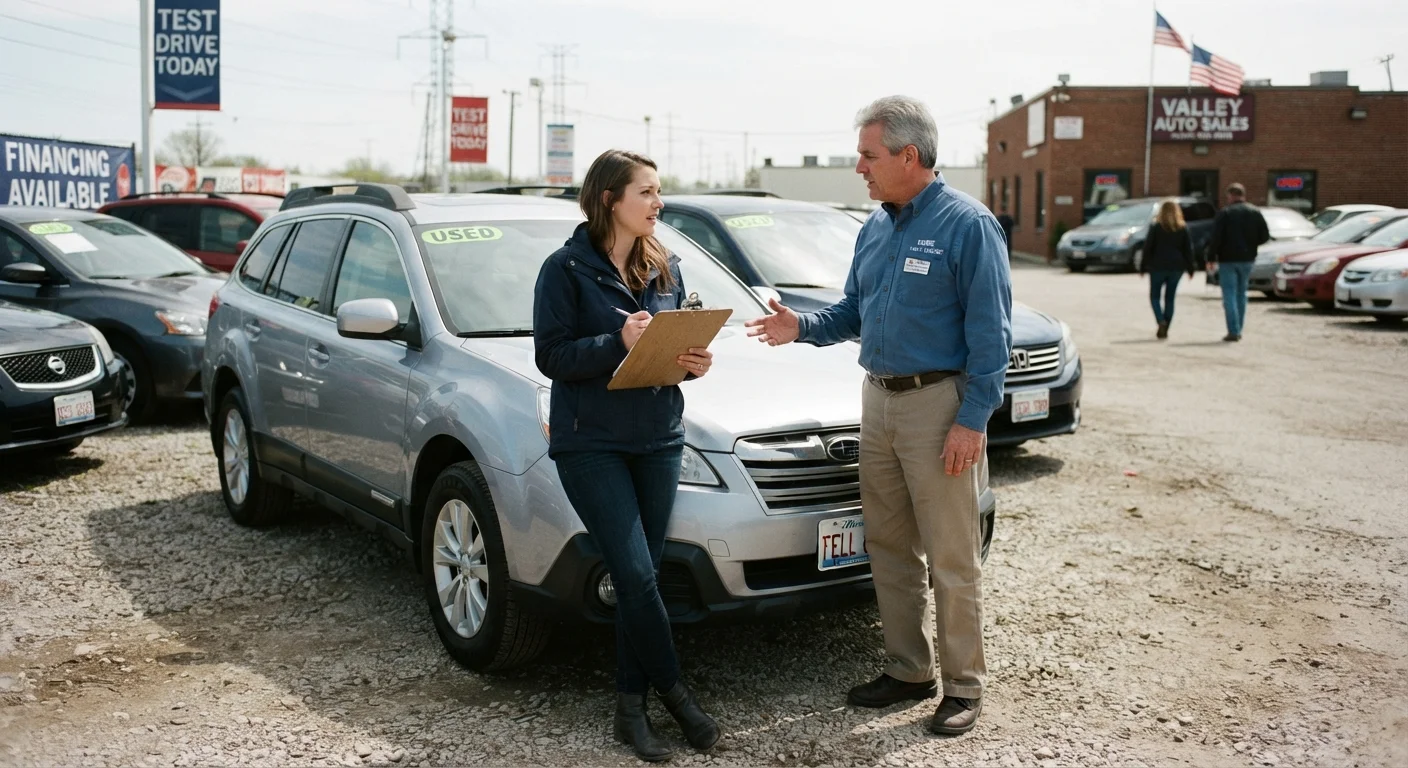
A used car can look clean, drive smoothly on a short test run, and still carry hidden problems that cost thousands to fix. Sellers - whether private individuals or dealerships - may not volunteer unflattering details. Your job as a buyer is to ask the right questions directly, observe how the seller responds, and cross-reference what you hear against documentation.
This isn't about catching anyone in a lie. It's about getting a complete picture of what you're buying before any money changes hands. If you're newer to the process, what first-time buyers should know before visiting a lot is a useful starting point. For the full purchase journey from budgeting to paperwork, see the complete car-buying walkthrough.
Below are the key questions to raise with any used-car seller - and what honest, credible answers should look like.
How many owners has this vehicle had?
Multiple owners aren't automatically a red flag, but the number and pattern matter. A car that had three owners in two years suggests something drove each person away. A single-owner vehicle with documented history is often easier to evaluate. Ask the seller directly, then verify against the vehicle history report - the two answers should match.
Three owners in two years is worth probing further before you proceed.
Is the title clean, and do you have it in hand?
A clean title means the vehicle isn't listed as salvage, rebuilt, flood-damaged, or subject to a lien. Ask the seller to show you the physical title, and check whether their name matches the listed owner. If they're selling on someone else's behalf, that's a more complex transaction requiring extra verification. Liens - meaning an outstanding loan balance - must be resolved before ownership can transfer cleanly to you.
Never assume a title is clean - ask to see it before you go further.
Do you have maintenance records?
Oil changes, tire rotations, brake service, and fluid replacements should all appear in a vehicle's service history. Ask for records - either a folder of receipts, a dealership service printout, or a digital log. Gaps in the record don't always mean neglect, but they do mean you can't confirm the car was maintained. Focus especially on high-mileage service intervals like timing belt or chain replacements, transmission fluid changes, and coolant flushes. For general guidance on what regular upkeep involves, the car maintenance hub is a reliable reference.
Maintenance records let you verify what was actually done, not just what the seller claims.
Has the vehicle been in any accidents?
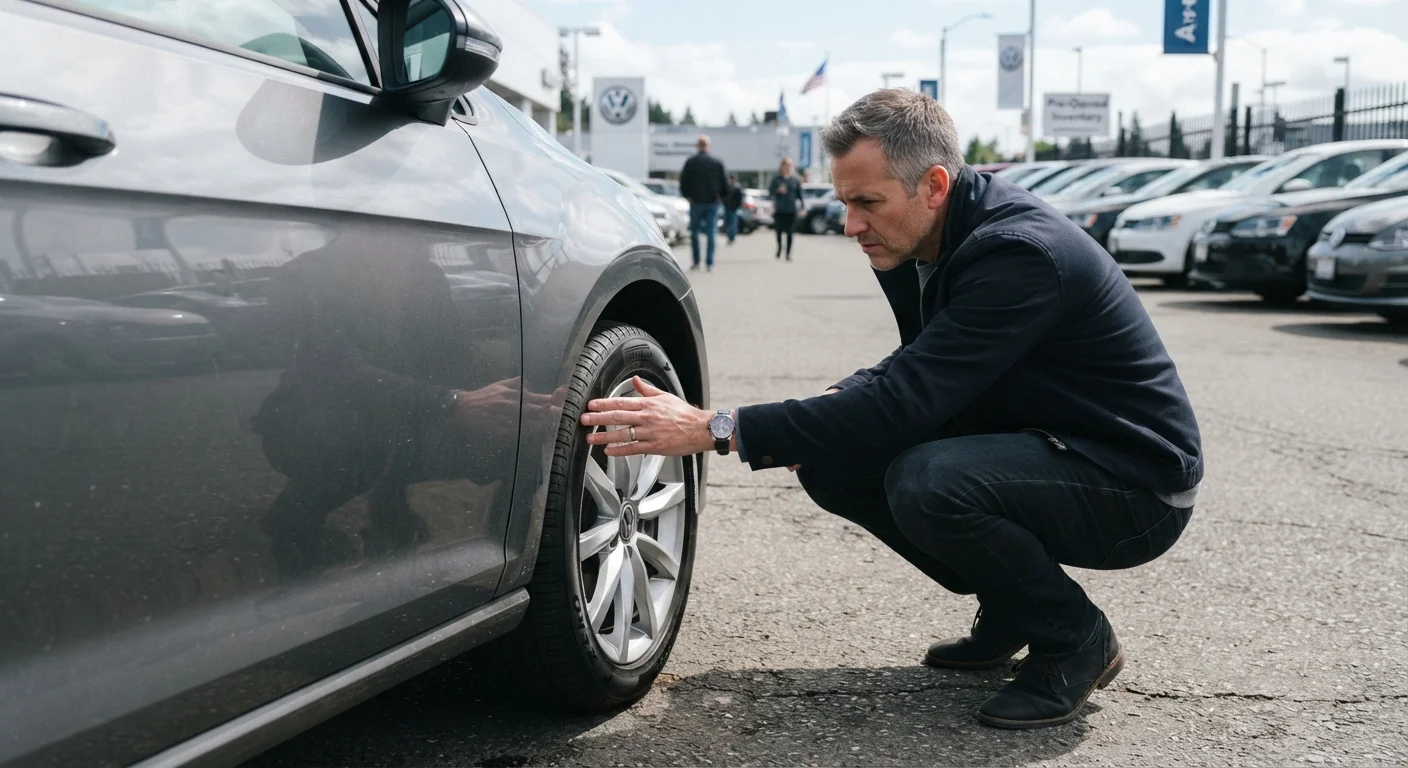
Ask specifically - don't rely on a vehicle history report alone, since not all accidents are reported to insurance. Listen for specifics: where was the damage, what was repaired, who did the work, and were original manufacturer parts used? Quality of repair matters. Poorly repaired body panels can affect resale value, structural integrity, and safety system calibration. If major repairs were done, ask whether the airbag sensors, cameras, or collision-detection systems were recalibrated afterward.
Ask whether safety systems were recalibrated after any accident repair - it's often overlooked.
Why are you selling the vehicle?
This is a straightforward question with genuinely useful answers. Upgrading to a larger vehicle, relocating, or a change in financial circumstances are common, benign reasons. Vague answers, deflection, or reasons that don't add up to the car's mileage and age are worth probing. A seller who has owned the car for six months and is already selling a low-mileage vehicle should be able to explain that concisely.
Hesitation or vagueness when answering this simple question is worth noting.
Are there any known mechanical issues or warning lights?
Ask directly whether any dashboard warning lights have appeared recently, whether there are any known issues the seller hasn't addressed, and whether the car has ever left them stranded. This gives the seller the opportunity to disclose problems voluntarily - and in many private-sale situations, sellers are legally required to disclose known defects. If they say the car is problem-free, note that you'll be having a qualified mechanic inspect it before finalizing anything. A seller confident in the vehicle's condition should have no objection.
A seller who resists a pre-purchase inspection is telling you something important.
Is there any remaining factory or extended warranty?
Some vehicles are still within their original manufacturer warranty period, which transfers to subsequent owners. Others may have a purchased extended warranty in place. If either exists, ask for documentation and verify the terms - coverage limits, what's excluded, and whether it's transferable. Don't accept a seller's general assurance; request the actual warranty paperwork so you can confirm what applies to you as the new owner.
Verify warranty terms in writing - a seller's verbal summary may leave out key exclusions.
Using the Answers to Make a Smarter Decision
Each answer you get should feed into a broader picture. A seller who hesitates on maintenance records, can't produce a title, or dismisses a pre-purchase inspection is giving you valuable information - even if it's not what they're saying out loud.
Always Get a Pre-Purchase Inspection
No matter how thorough your questions are, a pre-purchase inspection by an independent, qualified mechanic is the most reliable way to uncover mechanical problems. Budget for this cost - it typically runs $100-$200 - before committing. If a seller refuses to allow an inspection, that's a strong reason to walk away from the deal.
Once you've gathered answers, run a vehicle history report using the VIN (Vehicle Identification Number). These reports can surface accident records, title issues, and odometer discrepancies that a seller may not know about - or may not disclose. They don't replace a mechanical inspection, but they narrow down what a mechanic should focus on. For a hands-on checklist of what to examine before committing, see the pre-purchase inspection guide.
If a vehicle carries a certified pre-owned designation, the conversation shifts - but doesn't stop. What a CPO label actually covers varies significantly by program, so ask the seller to walk you through the specific inspection checklist and remaining warranty terms. And if the car is located in another state, additional title and registration questions apply - buying out of state introduces complications worth understanding before you travel or wire a deposit.