Why Under-Hood Fluids Matter
Your vehicle is essentially a collection of metal parts moving against each other at high speed, under heat, generating thousands of tiny controlled explosions per minute. Fluids are what make that survivable for the hardware. They lubricate, cool, clean, pressurize, and protect - often simultaneously. When any one of them drops too low or degrades past usefulness, the mechanical consequences compound quickly.
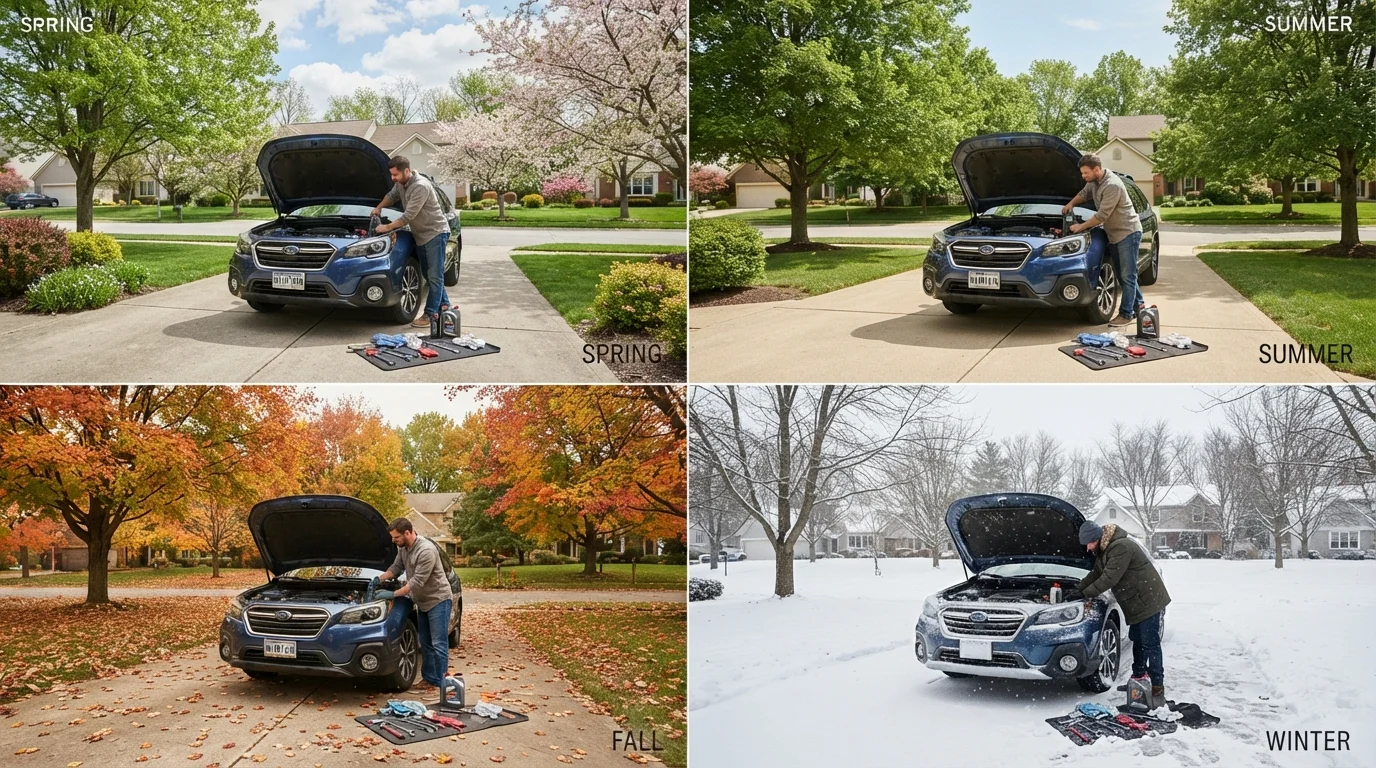
The good news: most fluid problems announce themselves before they become catastrophic. Learning to recognize what each fluid does - and what a warning sign looks like - is one of the highest-leverage things a driver can do. It costs no money and takes very little time. For a broader view of keeping your vehicle in shape across the year, see the seasonal car maintenance calendar that walks through fluid checks month by month.
Viscosity
A measure of how thick or thin a fluid is and how easily it flows. Engine oil is graded by viscosity (e.g., 5W-30) to ensure it flows correctly at both cold start and operating temperature.
Hydraulic fluid
Any fluid used to transmit force through pressure in a closed system. Brake fluid and power steering fluid are common automotive examples.
Coolant / antifreeze
A liquid circulated through the engine to absorb and disperse heat. It also contains additives that prevent freezing in winter and corrosion year-round.
Dipstick
A slender metal rod inserted into a fluid reservoir that allows you to check the fluid level and condition without disassembling anything.
Boiling point (brake fluid)
The temperature at which brake fluid vaporizes. Moisture absorption lowers this threshold over time, which can cause brake fade under hard use.
Sealed transmission
A gearbox designed without a user-accessible dipstick. Fluid level and condition must be checked by a mechanic using specialized tools or procedures.
Engine Oil: The Lifeblood of Your Motor
Engine oil does four things: it lubricates moving metal parts, carries heat away from the combustion zone, suspends combustion byproducts so they can be filtered out, and forms a protective film that reduces wear. Without it, metal grinds against metal within seconds - and engine replacement costs can reach several thousand dollars.
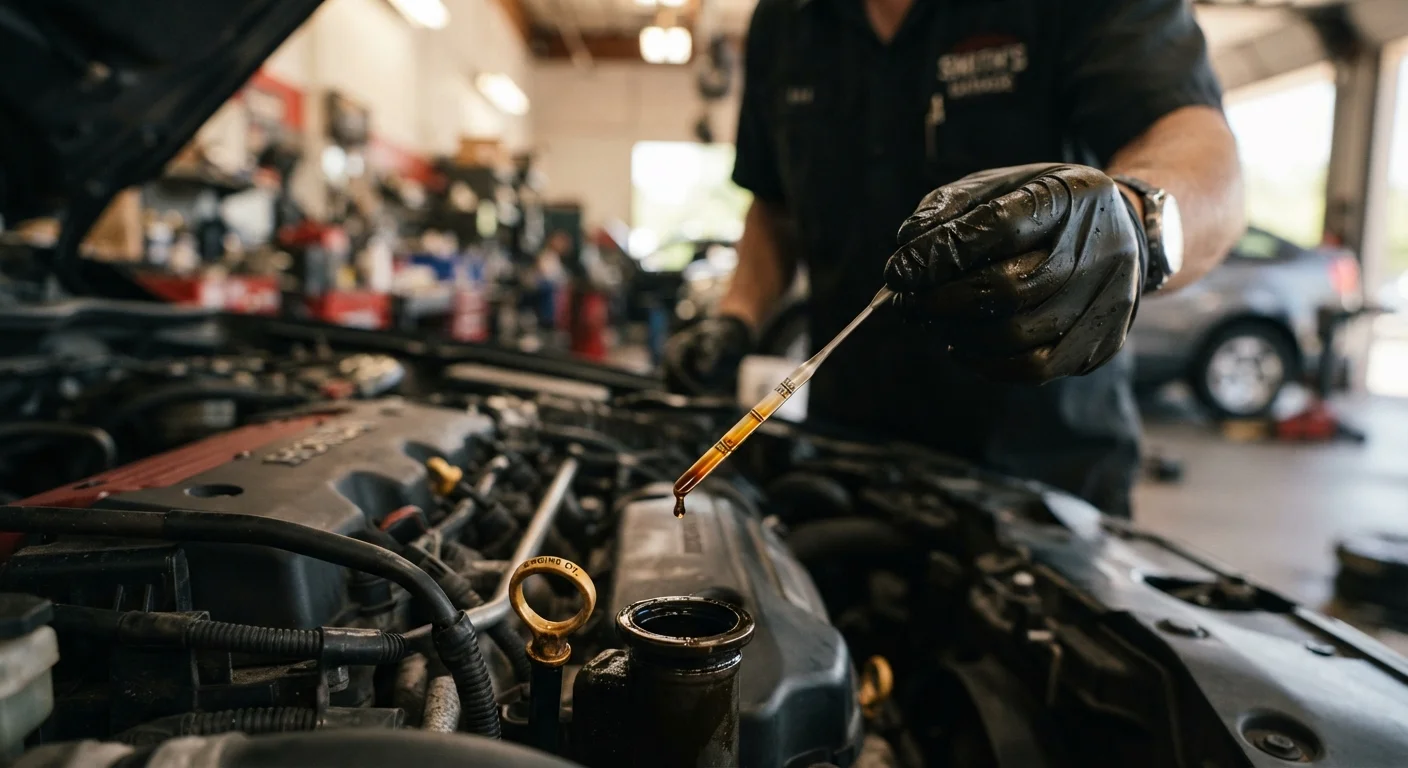
Check the oil with the dipstick when the engine is cool. The oil should sit between the two marks and appear amber to dark brown. Milky or foamy oil suggests water contamination; a sharp, burned smell means it's overdue for a change. The old 3,000-mile rule has largely been replaced by manufacturer-specific intervals - often 5,000 to 10,000 miles depending on oil type and driving conditions. The science behind oil change intervals explains what actually determines the right schedule for your vehicle.
Check Oil When the Engine Is Cold
For the most accurate dipstick reading, check engine oil at least 10 minutes after shutting the engine off, or before your first drive of the day. Hot oil clings to the dipstick walls and can give a falsely low reading. Always wipe the dipstick clean, reinsert fully, then withdraw it for your final reading.
Coolant, Transmission, and Brake Fluid
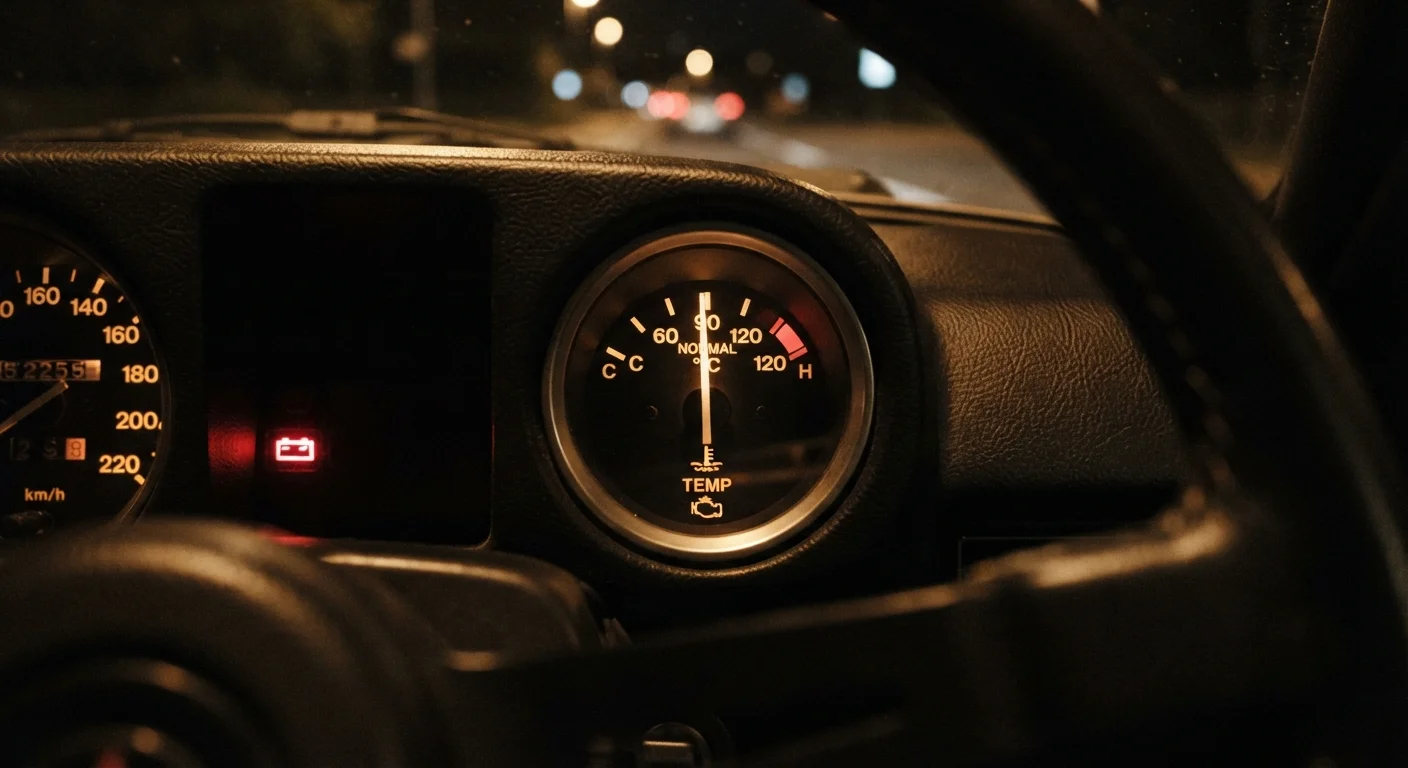
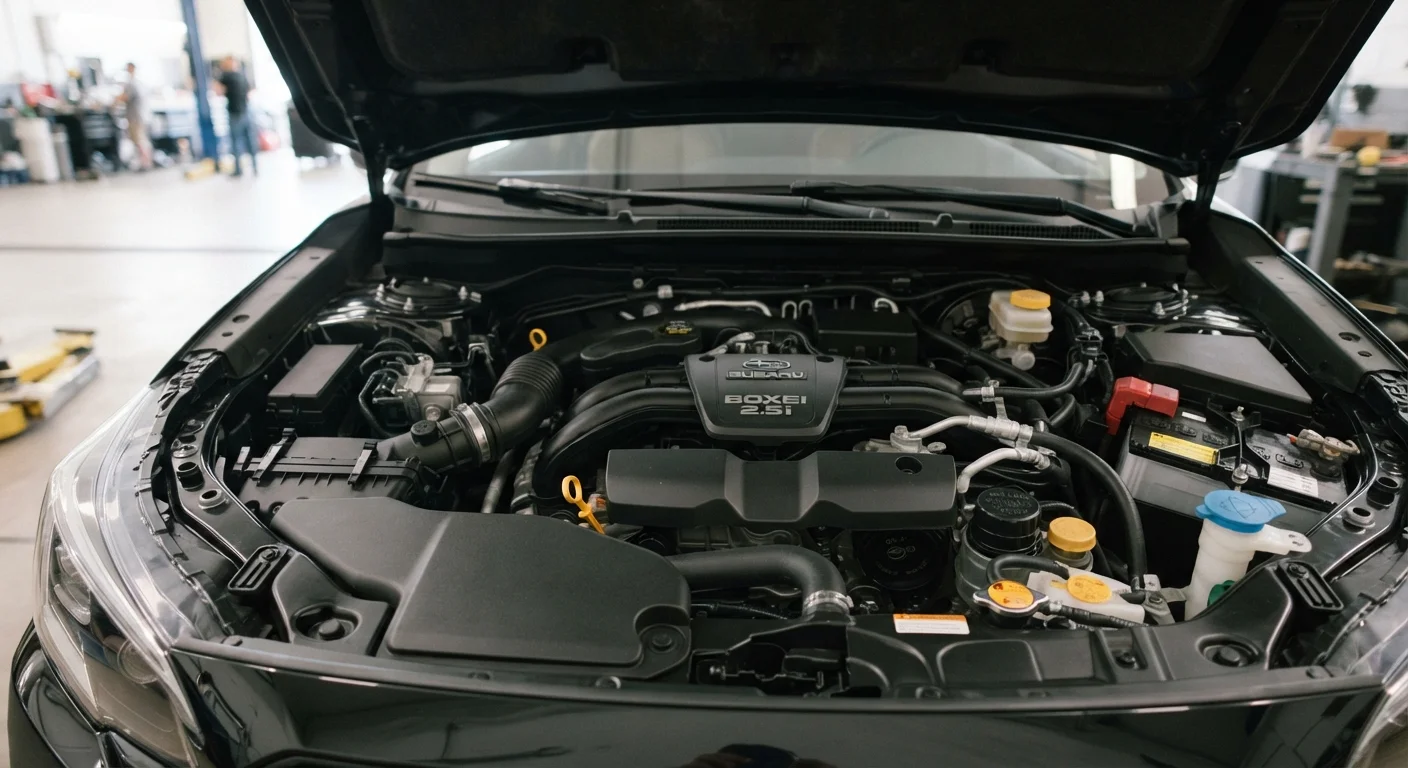
Coolant (antifreeze) circulates through the engine and radiator to absorb combustion heat and prevent both overheating in summer and freeze-up in winter. It's typically green, orange, or pink. Check it in the translucent overflow reservoir - never open the radiator cap when the engine is hot, as pressurized coolant can cause serious burns. Low or discolored coolant is a common culprit in overheating events; the engine temperature gauge guide explains what the dashboard reading tells you.
Transmission fluid lubricates the gears and clutch packs inside your gearbox, manages heat, and enables smooth shifts. In automatic transmissions it also acts as a hydraulic fluid. It should be a clear red or pink; dark brown or burnt-smelling fluid signals it's degraded. Many modern vehicles have sealed transmissions with no dipstick - check your owner's manual for the inspection procedure.
Brake fluid is a hydraulic fluid that transfers the force from your brake pedal to the calipers at each wheel. It absorbs moisture over time, which lowers its boiling point and can lead to a spongy pedal under heavy braking. Most manufacturers recommend flushing it every two to three years regardless of mileage. For the full picture of how braking hardware works together, see how brake pads, rotors, and calipers interact.
Never Open a Hot Radiator Cap
Coolant in a hot engine is under significant pressure. Opening the radiator cap before the engine has fully cooled can cause scalding fluid to spray outward immediately. If you need to check coolant, use the translucent overflow reservoir on the side - it can be read safely at any temperature.
Power Steering, Washer Fluid, and Battery Water
Power steering fluid pressurizes the hydraulic system that reduces the effort needed to turn the steering wheel. Many newer vehicles use electric power steering and have no fluid reservoir at all. If yours does have one, low fluid typically causes a whining noise when turning or heavy steering feel - both worth a mechanic's attention.
Windshield washer fluid is the one fluid where running low is an inconvenience rather than a mechanical hazard, but driving without it in winter road spray or summer bug season can compromise visibility. Use a product rated for freezing temperatures in cold climates - plain water will crack the reservoir.
Battery water applies only to older-style flooded lead-acid batteries, which have removable caps and require distilled water top-ups. Most modern vehicles use sealed, maintenance-free batteries that never need this. If you're unsure which type you have, the battery casing or your owner's manual will tell you.
How to Spot Trouble Before It Gets Expensive
Dashboard warning lights are the last line of defense - by the time a low-oil or high-temperature light appears, stress on the engine has already begun. Routine visual checks are far more valuable. Make it a habit to glance at fluid levels when you fill up with gas or once a month, whichever comes first.
Color changes, strange smells, and drops in level between service visits all carry information. A puddle on the driveway deserves identification: clear liquid near the front is usually air conditioning condensate; anything else warrants a closer look. For guidance on which issues are genuinely DIY-friendly versus which carry real risk, understand where to draw the line between self-service and professional help.
Warning lights add another layer - if you're not sure what a symbol means, the guide to dashboard warning lights breaks down which ones need immediate action. And for everything else that keeps a vehicle roadworthy, the complete car maintenance overview is a useful companion reference.
Your Owner's Manual Is the Authority
Fluid specifications vary significantly between makes, models, and model years. Using the wrong viscosity oil, coolant formulation, or transmission fluid can void warranties or damage seals and components. Always cross-reference your owner's manual before adding or replacing any fluid - it lists the exact specification for every system in your vehicle.