Why Deferred Maintenance Costs More Than It Saves
It's easy to rationalize skipping a scheduled service. The car feels fine, money is tight, or the appointment simply slips the calendar. But vehicle systems degrade gradually - the warning signs are subtle until they aren't, and by then the repair bill often dwarfs what routine upkeep would have cost. Understanding which shortcuts carry the steepest consequences helps drivers make smarter trade-offs.
For a broader look at how neglect compounds across vehicle systems, see the complete car maintenance guide covering everything from fluids to belts.
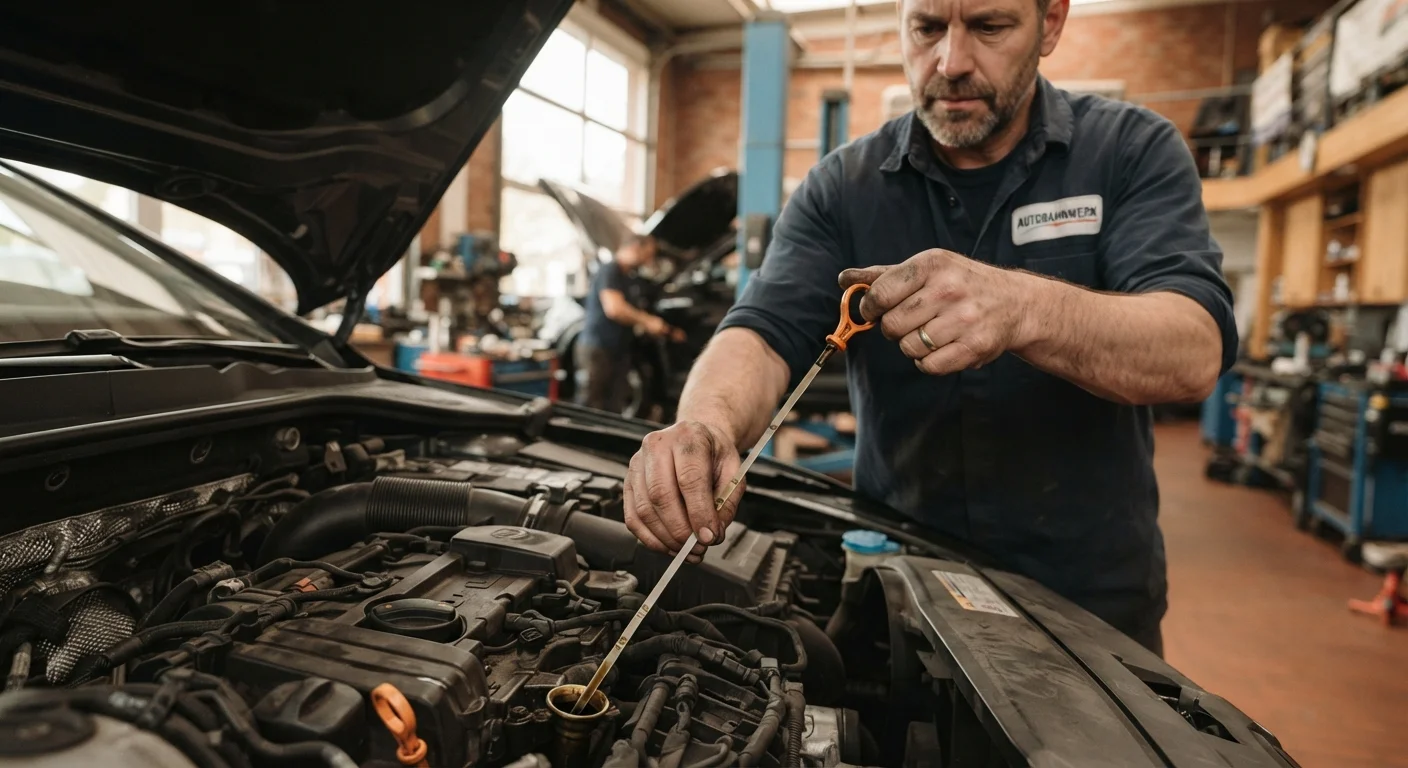
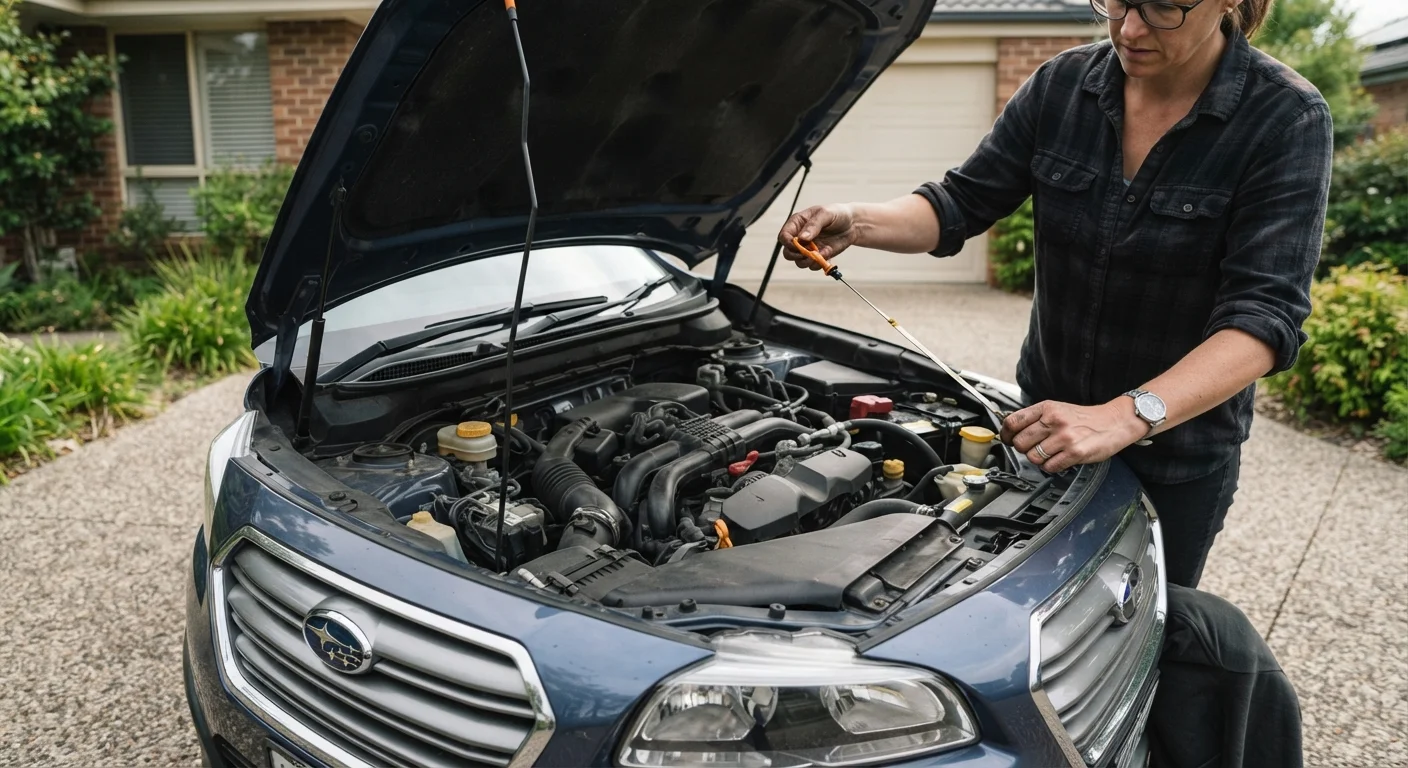
Pushing oil changes well past the recommended interval.
Why it happens: Oil change reminders are easy to dismiss, especially when the car shows no obvious symptoms. Many drivers assume modern engines are more forgiving than they actually are.
Never replacing the engine air filter.
Why it happens: Air filters are out of sight and easy to forget. Because performance loss is gradual, drivers rarely notice the difference until the filter is severely clogged.
Letting coolant levels drop and ignoring the cooling system entirely.
Why it happens: Coolant is less visible than oil, and many drivers only think about it when an overheating warning light appears - often too late to prevent damage.
Ignoring brake fluid degradation over time.
Why it happens: Brake fluid is a closed system, so drivers assume it never needs attention. In reality, brake fluid absorbs moisture from the air over time, which lowers its boiling point and can compromise stopping performance.
Running tires past their safe service life without rotation or replacement.
Why it happens: Tread wear is gradual and easy to underestimate visually. Drivers often assume tires are fine until a blowout or a failed inspection forces the issue.
Skipping transmission fluid changes on the assumption they're unnecessary.
Why it happens: Some manufacturers market transmissions as 'sealed for life,' which drivers interpret as requiring no maintenance. In practice, transmission fluid degrades with heat and use, especially in severe driving conditions.
The Real-World Fallout of Common Maintenance Skips
The mistakes below aren't hypothetical - they're the patterns mechanics describe seeing repeatedly. Each one starts small and escalates in a predictable way.
~$4,000+
Average engine repair cost from oil neglect
Industry repair data consistently shows that engine damage resulting from oil starvation or sludge buildup ranks among the most expensive non-collision repairs a driver will face.
25%
Potential fuel economy loss from a clogged air filter
According to the U.S. Department of Energy, a severely restricted air filter can reduce fuel economy on older carbureted vehicles; on modern fuel-injected engines, the primary effect is reduced performance and increased strain.
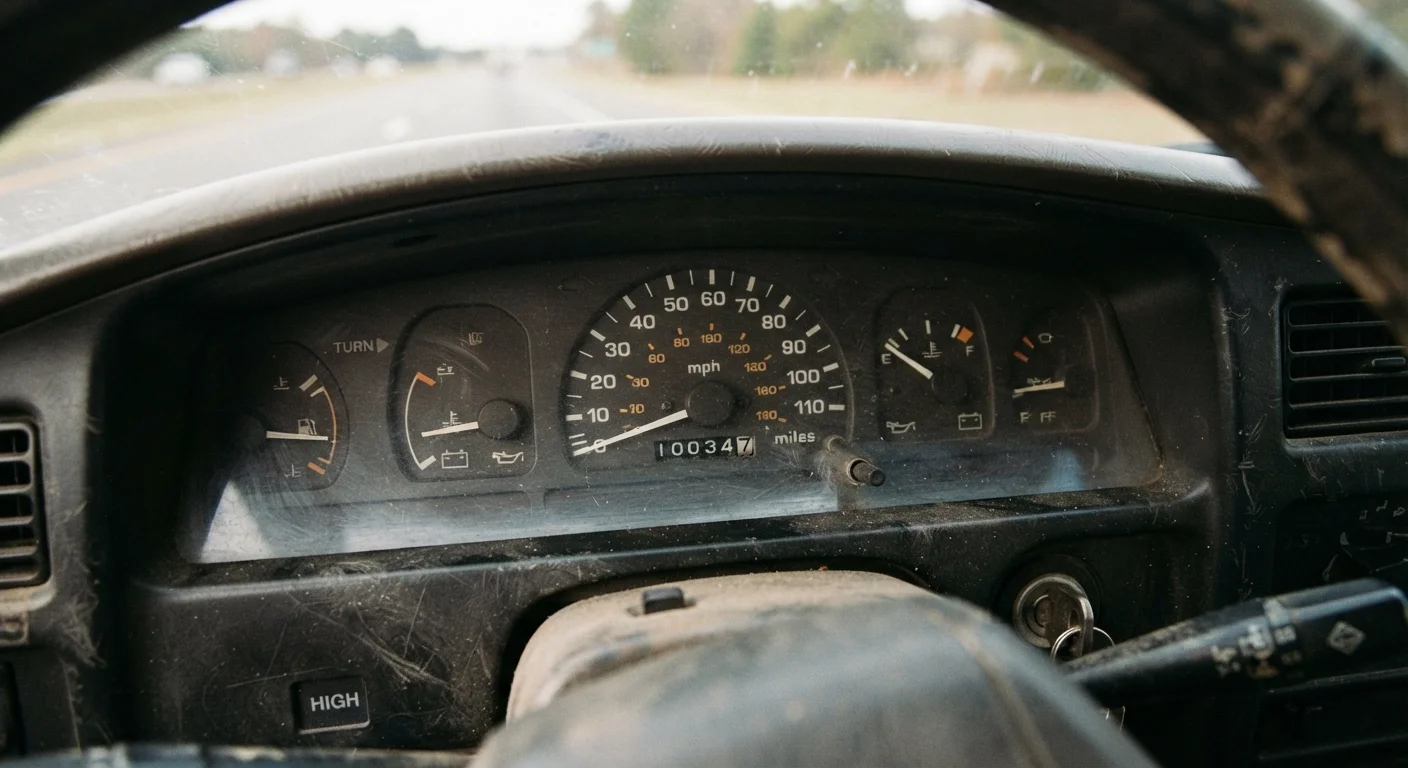
If you're weighing which of these tasks you can handle yourself, some are genuinely beginner-friendly while others require professional tools and expertise. And for vehicles past the 100,000-mile mark, maintenance priorities shift in meaningful ways - intervals tighten and certain fluids become more critical.
Don't Rely Solely on Dashboard Warning Lights
Modern vehicles alert drivers to many issues, but warning lights are a last resort, not an early-warning system. By the time an oil pressure or coolant temperature light illuminates, damage may already be underway. Scheduled inspections and proactive fluid checks catch problems before the car demands your attention in the worst possible moment.
The long-term math also favors consistency: keeping up with scheduled maintenance preserves resale value and reduces the likelihood of sudden, large-ticket failures.