Why 100,000 Miles Is a Real Threshold
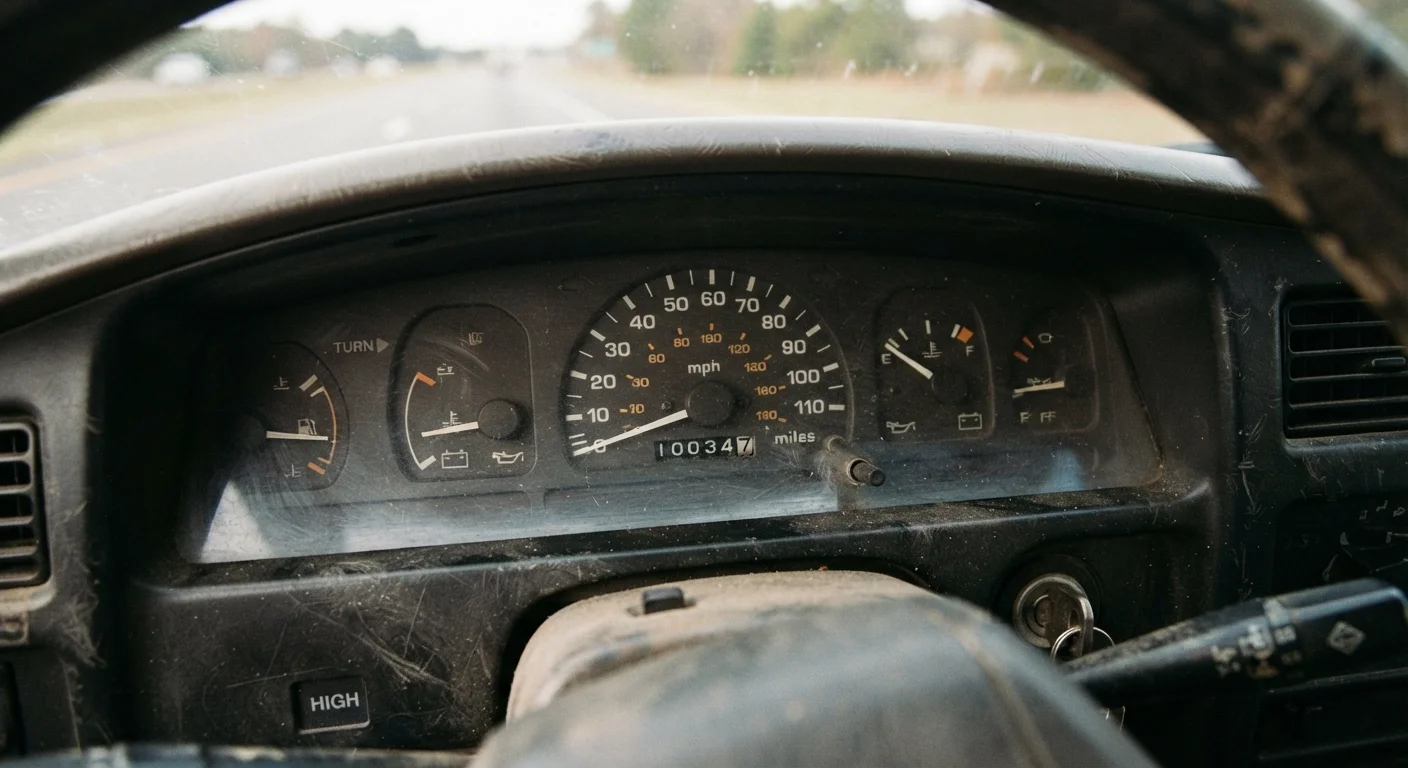
Reaching 100,000 miles doesn't mean a vehicle is worn out, but it does mean wear patterns have had time to accumulate. Components that were designed to last many years begin showing stress at different rates depending on driving conditions, climate, and how consistently maintenance was performed. The strategies that worked for the first 80,000 miles may not be sufficient going forward.
Understanding why consistent maintenance matters long-term is the foundation - but high-mileage vehicles add a new layer. Several systems that rarely needed attention before now become priority items, and the cost of ignoring them rises sharply.
Key Maintenance Priorities That Shift After 100K
Most drivers are familiar with oil changes and tire rotations, but high-mileage vehicles require a broader lens. Rubber, seals, cooling components, and fluids that were relatively stable now demand more frequent checks. The goal isn't panic - it's awareness.
200,000+
Miles modern vehicles can realistically achieve
Industry data and long-term owner reports suggest well-maintained vehicles from the past two decades regularly reach 200,000 miles or more with consistent upkeep.
~40%
Of roadside breakdowns tied to neglected maintenance
Estimates from roadside assistance providers suggest a significant share of non-accident breakdowns involve components that regular inspections would have caught earlier.
One area often underestimated is transmission fluid. Many manufacturers previously listed it as a sealed, lifetime fluid - but mechanics and independent research have consistently shown that aging fluid contributes to shifting problems and premature failure. Changing it at high mileage (with caution - consult a qualified technician first, as flushing very degraded fluid in some transmissions can cause issues) is worth discussing with your shop.
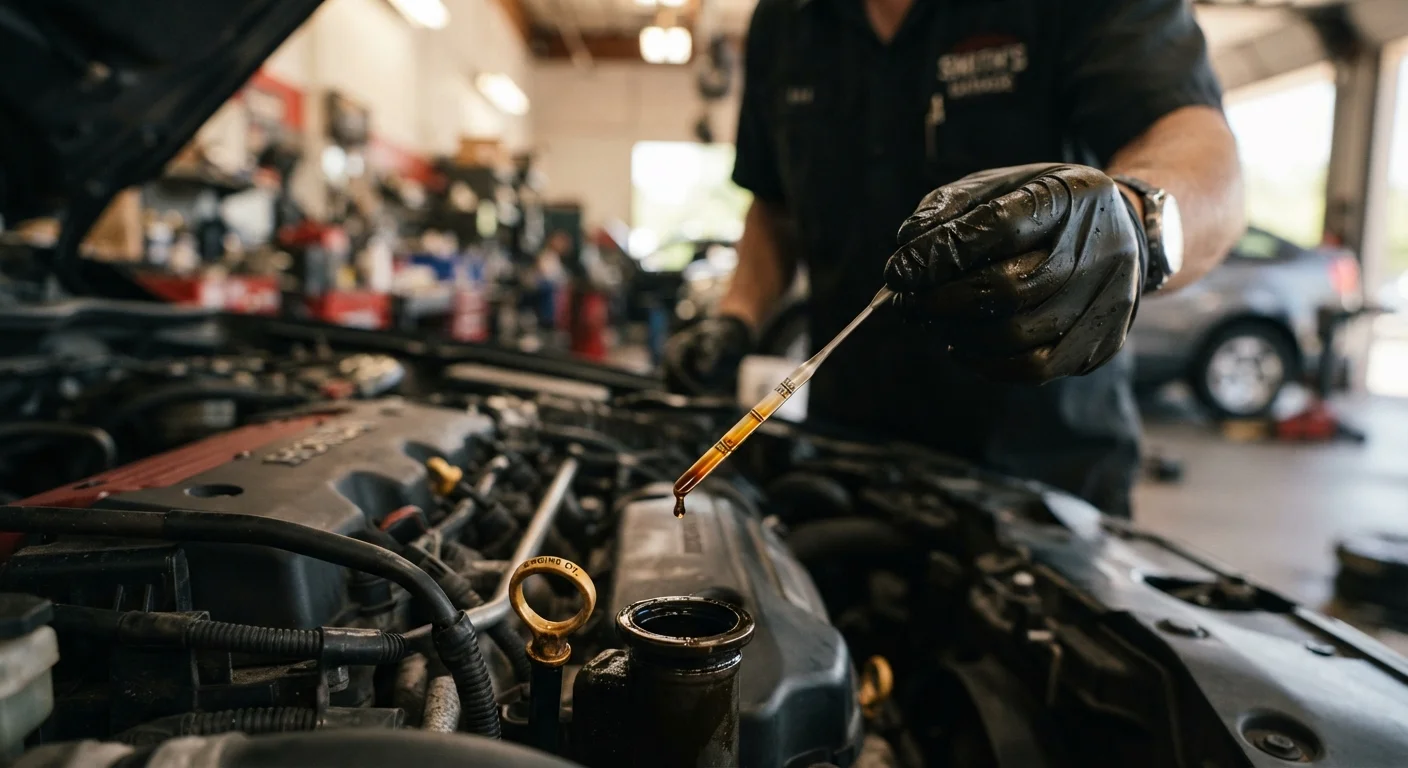
Similarly, oil change intervals deserve a second look at this stage. High-mileage oil formulas contain additives designed to recondition seals and reduce oil consumption - a real concern for engines that have logged significant miles.
Quick Wins for High-Mileage Owners
Some of the most impactful steps you can take don't require a shop visit. Regular visual checks and simple habit changes can prevent the kind of deferred damage described in what happens when routine maintenance gets skipped.
Budgeting realistically is also part of the picture. The full cost of vehicle ownership tends to increase as mileage climbs, and planning for that reality is smarter than being caught off guard by a large repair bill.
Keep a Simple Maintenance Log
Recording what was done and when - even in a notes app - gives you and any mechanic a clear picture of what's been serviced. This is especially useful for high-mileage vehicles where service history gaps can lead to redundant or missed work. A brief log also helps you spot patterns, like recurring fluid loss, that warrant deeper investigation.
Working With a Mechanic on a High-Mileage Plan
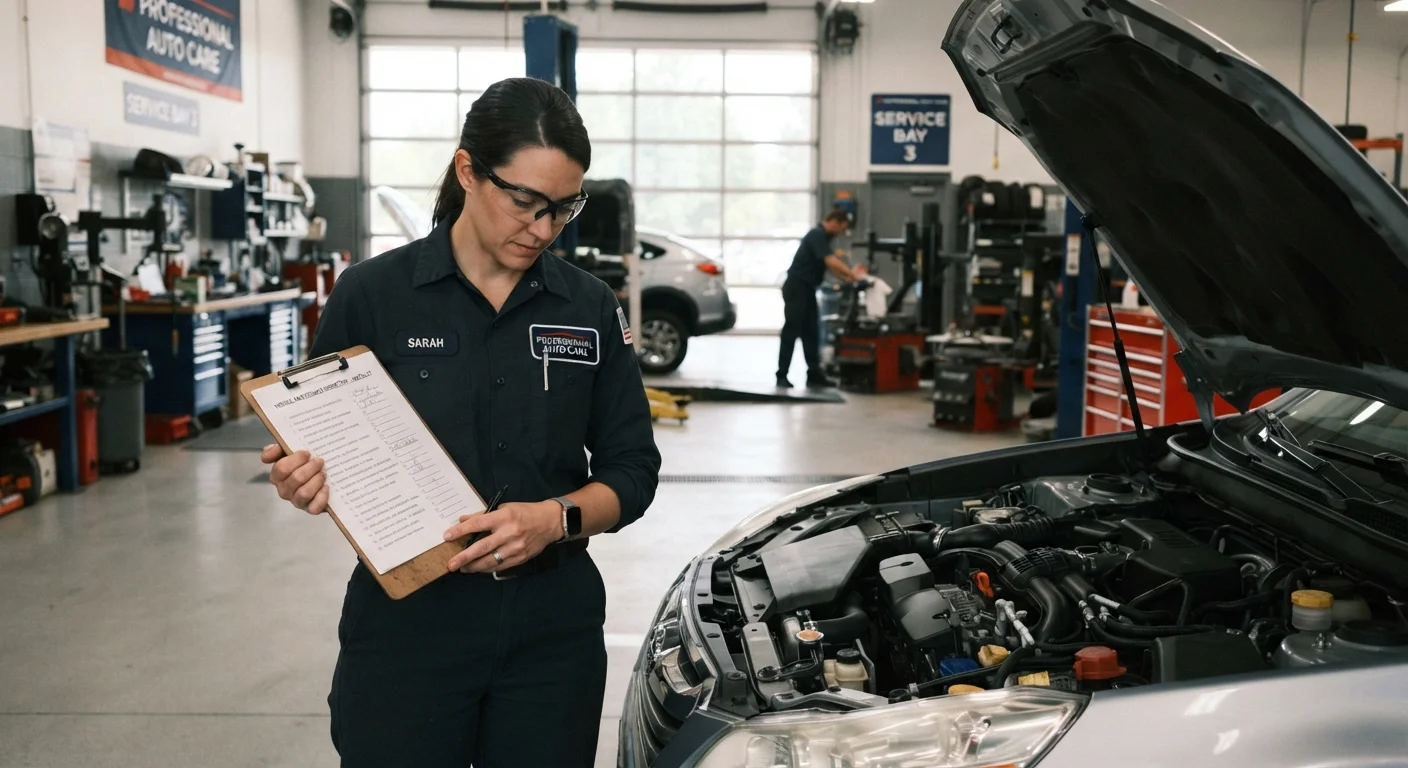
At this stage, a relationship with a trustworthy, qualified mechanic pays real dividends. Rather than reactive repairs, ask for a comprehensive inspection that goes beyond the checklist - specifically requesting evaluation of cooling system components, motor mounts, CV axle boots, and brake lines. These items often don't appear on a standard service menu but are common failure points past 100,000 miles.
Also ask your mechanic to prioritize findings by urgency. Safety-critical items - brakes, steering, tires - always come first. Items that affect reliability come next. Comfort or convenience issues can wait. For a broader framework on what to monitor, our complete car maintenance guide covers the full range of systems from fluids to belts.
Not All High-Mileage Vehicles Age the Same
A vehicle with 110,000 highway miles is in a very different state than one with 110,000 miles of urban stop-and-go driving. Short trips, towing, and extreme climates accelerate wear more than steady highway use. When discussing your vehicle's condition with a mechanic, be specific about your typical driving patterns - it changes the diagnosis significantly.