What the Gauge Is Actually Telling You
Most drivers focus on the speedometer and fuel gauge while everything else fades into background noise. The engine temperature gauge rarely earns a second glance - until the needle starts creeping toward the red. That's a problem, because this small instrument is one of your clearest early warning systems for serious mechanical trouble.
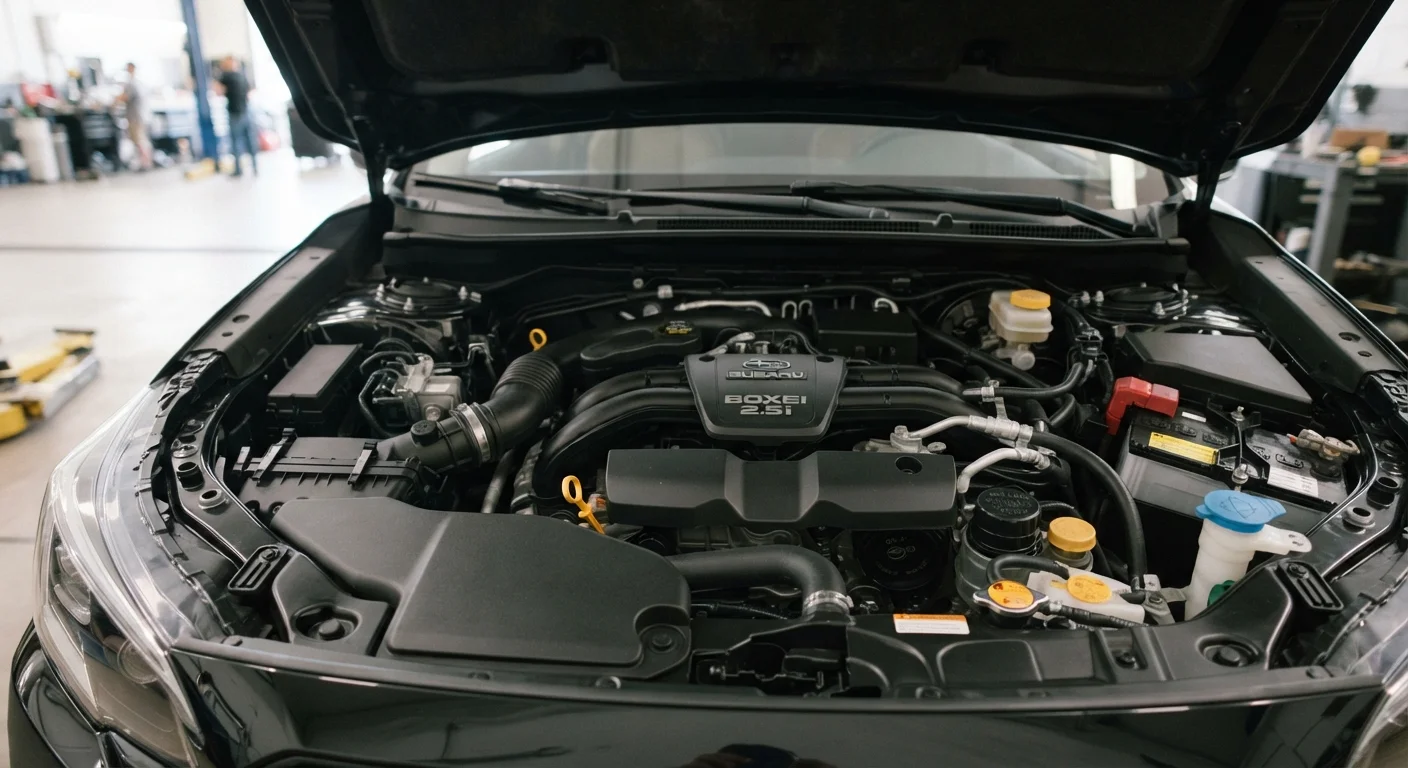
The gauge measures how hot the coolant circulating through your engine is running. Coolant (also called antifreeze) absorbs heat from the engine block and carries it to the radiator, where it releases that heat into the air. The temperature sensor feeds that data to your gauge in real time. Understanding what your coolant does for your engine is worth a closer look - see our guide to under-hood fluids for a full breakdown.
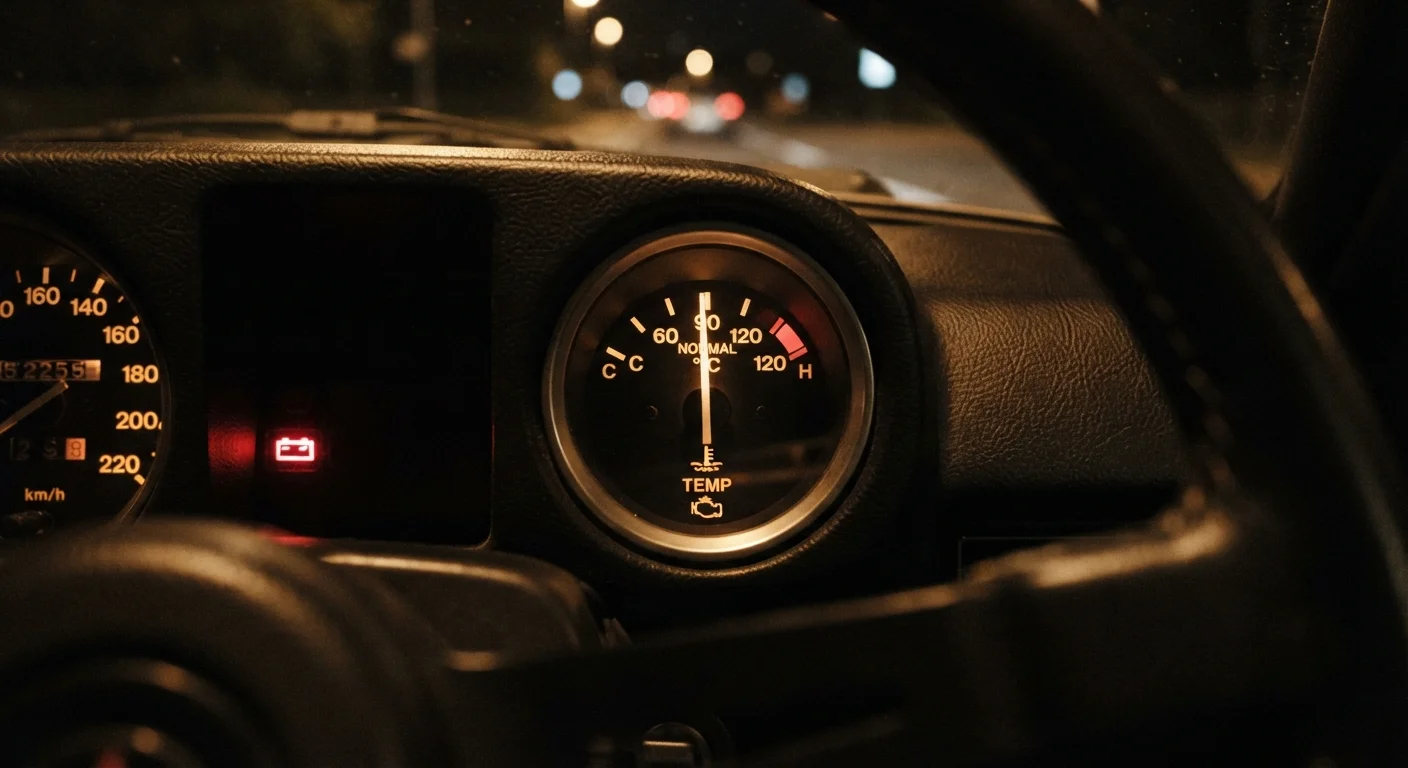
Normal operation looks like a needle sitting comfortably near the midpoint of the gauge. It may climb a bit higher in slow stop-and-go traffic on a hot day or dip slightly in very cold weather before the engine warms up - both are expected behaviors. What you're watching for are sustained excursions toward either extreme.
$1,500-$2,500+
Typical cost of a head gasket repair
Head gasket failure is one of the most common consequences of sustained engine overheating, according to automotive repair industry estimates.
195-220°F
Normal engine coolant operating temperature
Most passenger vehicles are engineered to run efficiently within this temperature window under standard driving conditions.
< 5 min
Time before serious engine damage can begin
Automotive engineers note that sustained overheating can begin warping engine components in just a few minutes of operation beyond safe temperature limits.
What Happens When an Engine Overheats
Overheating is not a minor inconvenience. When coolant temperature climbs beyond the safe threshold, engine components begin to suffer almost immediately. Aluminum cylinder heads can warp. Head gaskets - the seals between the engine block and the cylinder head - can fail, allowing coolant and oil to mix in ways they should never mix. In severe cases, pistons can seize inside the cylinders entirely.
These are not cheap fixes. A head gasket repair alone can run $1,500 to $2,500 or more depending on the vehicle. Engine replacement pushes into the thousands. The painful reality is that many of these failures are preventable when the warning signs are caught early.
Never Open a Hot Radiator Cap
If your vehicle overheats and you pull over, resist the urge to immediately check the coolant by opening the radiator cap or coolant reservoir. The system is under pressure, and steam or scalding coolant can eject forcefully when released. Wait at least 30 minutes for the engine to cool before inspecting anything. When in doubt, call a mechanic or roadside assistance.
Common triggers for overheating include low coolant from a slow leak, a thermostat that's stuck closed, a failed water pump, a blocked radiator, or a broken cooling fan. Most of these issues show up gradually - the gauge may creep a little higher than usual on warm days before a full overheating event occurs. That gradual drift is a signal worth acting on.
Building the Habit of Checking It
Adding the temperature gauge to your regular scan of the dashboard takes about two seconds. The goal isn't obsessive monitoring - it's building enough familiarity with your vehicle's normal behavior that an abnormality stands out immediately.
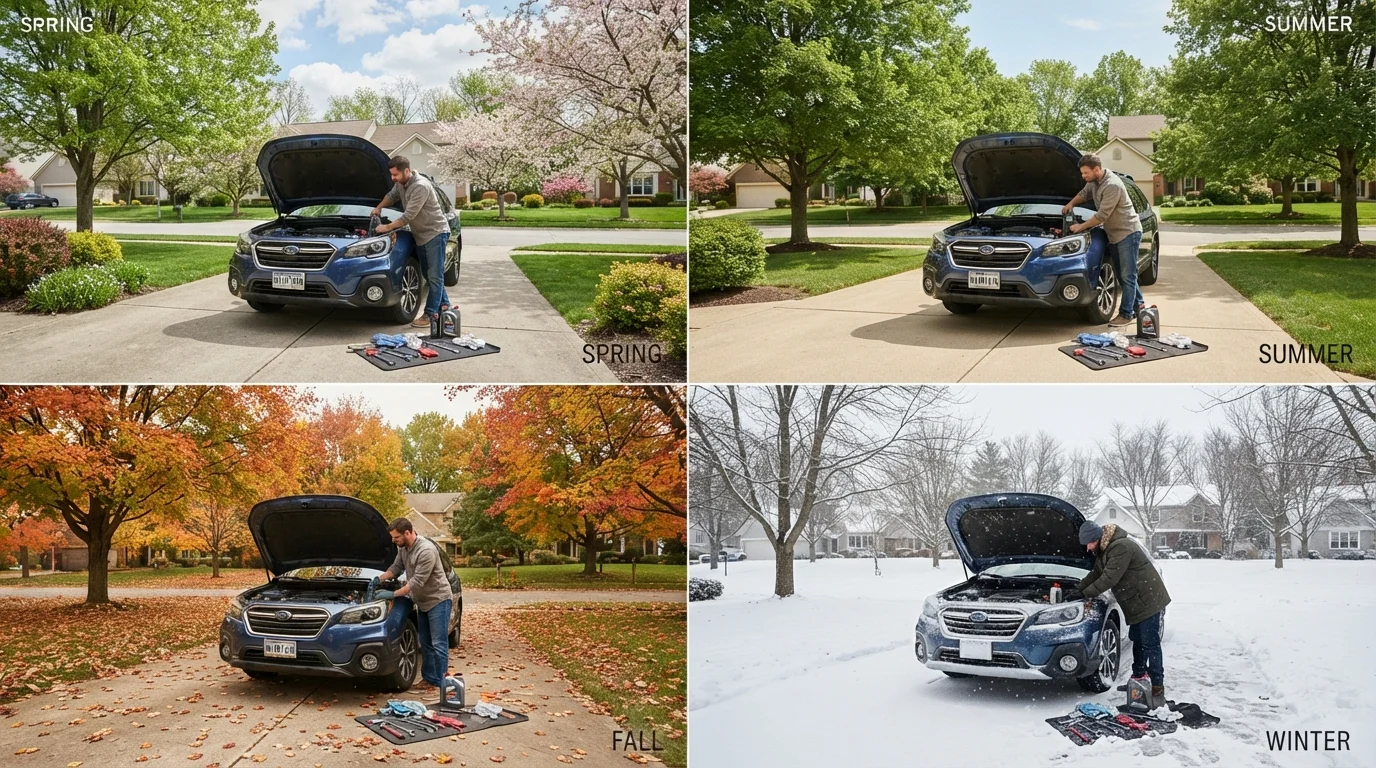
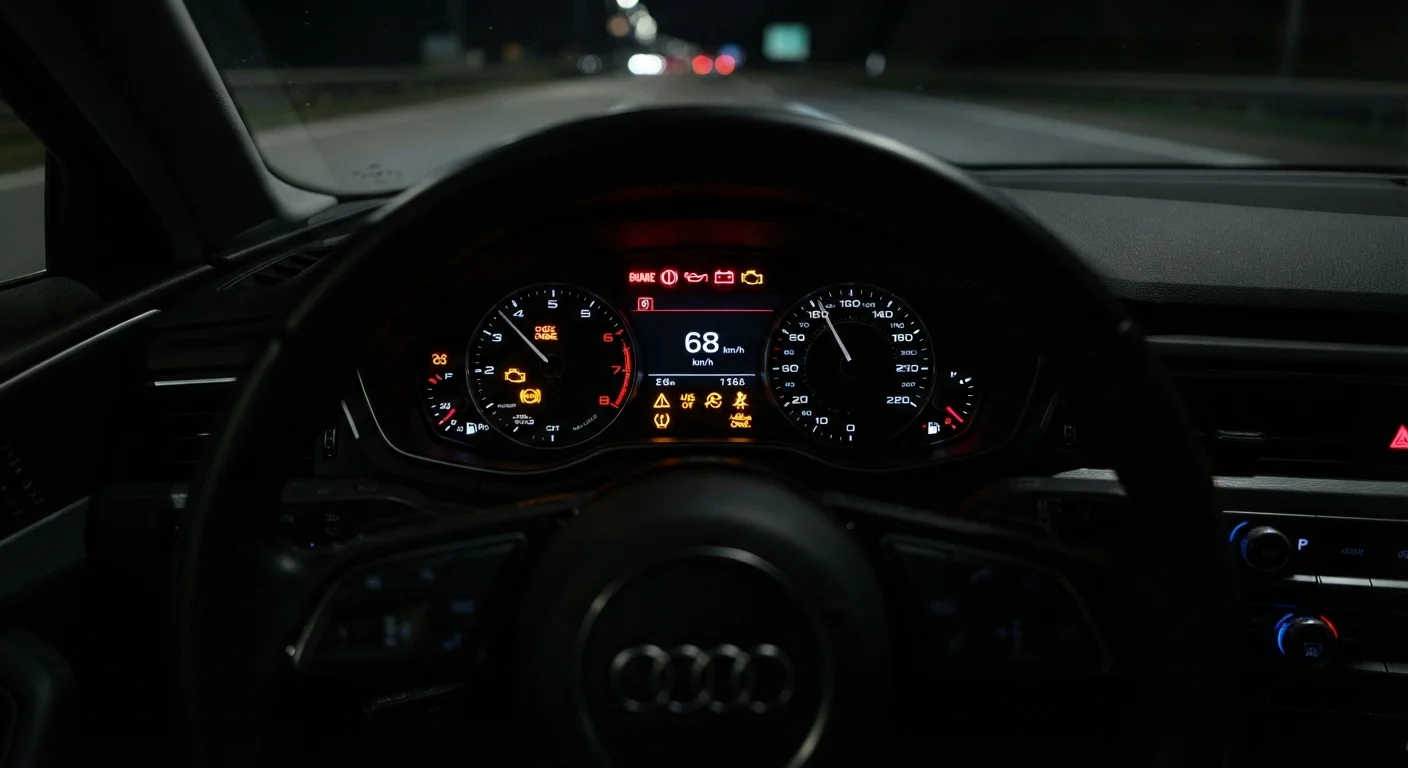
For drivers who want a systematic approach to vehicle upkeep, folding temperature-related checks into a broader routine pays dividends. A coolant flush is a common seasonal task; a seasonal car maintenance calendar can help you track when that service is due alongside other time-sensitive jobs. If you notice the gauge misbehaving alongside other dashboard indicators, understanding your warning lights is a worthwhile complement to this knowledge.
Know Your Vehicle's Baseline
Spend a week consciously noting where your temperature needle sits during a typical commute. That personal baseline - rather than a generic rule - is your best reference point for spotting changes early. Any consistent shift from your usual midpoint is worth mentioning to a mechanic, even if it hasn't reached the red zone yet.
For a broader foundation on keeping a vehicle running well, a complete car maintenance overview covers the full picture - fluids, brakes, belts, and more - in plain language built for everyday drivers.