How the Color System Works
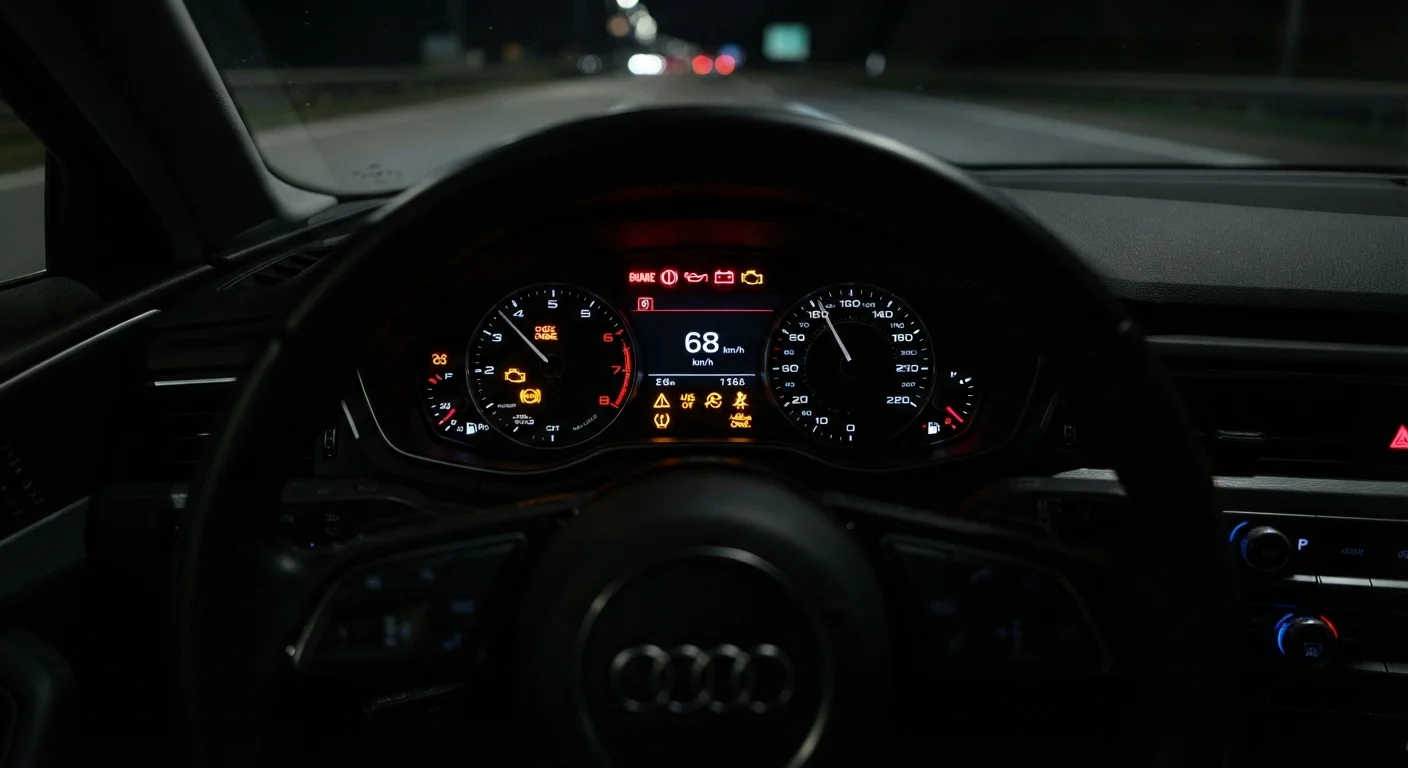
Dashboard warning lights use a traffic-light-style color logic that tells you at a glance how urgently you need to act.
- Red - Stop or act immediately. Red lights typically signal an active threat to your engine, brakes, or safety systems. Continuing to drive risks serious damage or a safety failure.
- Amber or yellow - Service is needed, but you usually have time to schedule an appointment rather than pull over on the spot. Do not keep ignoring these; many amber lights escalate into red problems if left unaddressed.
- Green or blue - These are informational indicators (high beams, turn signals, cruise control active). They confirm a system is operating, not warning of a fault.
When in doubt about any light you don't recognize, consult your owner's manual before making assumptions about urgency.
Your Owner's Manual Is the Definitive Source
Warning light symbols are largely standardized across the industry, but their exact meanings and recommended responses can vary by make, model, and model year. Always cross-reference any unfamiliar light with your vehicle's owner's manual before drawing conclusions. If you no longer have a physical copy, most manufacturers provide downloadable PDFs on their official websites.
Red Lights: Stop and Act
These lights demand your immediate attention. If a red warning illuminates while driving, find a safe place to pull over and assess the situation before continuing.
- Oil Pressure Warning
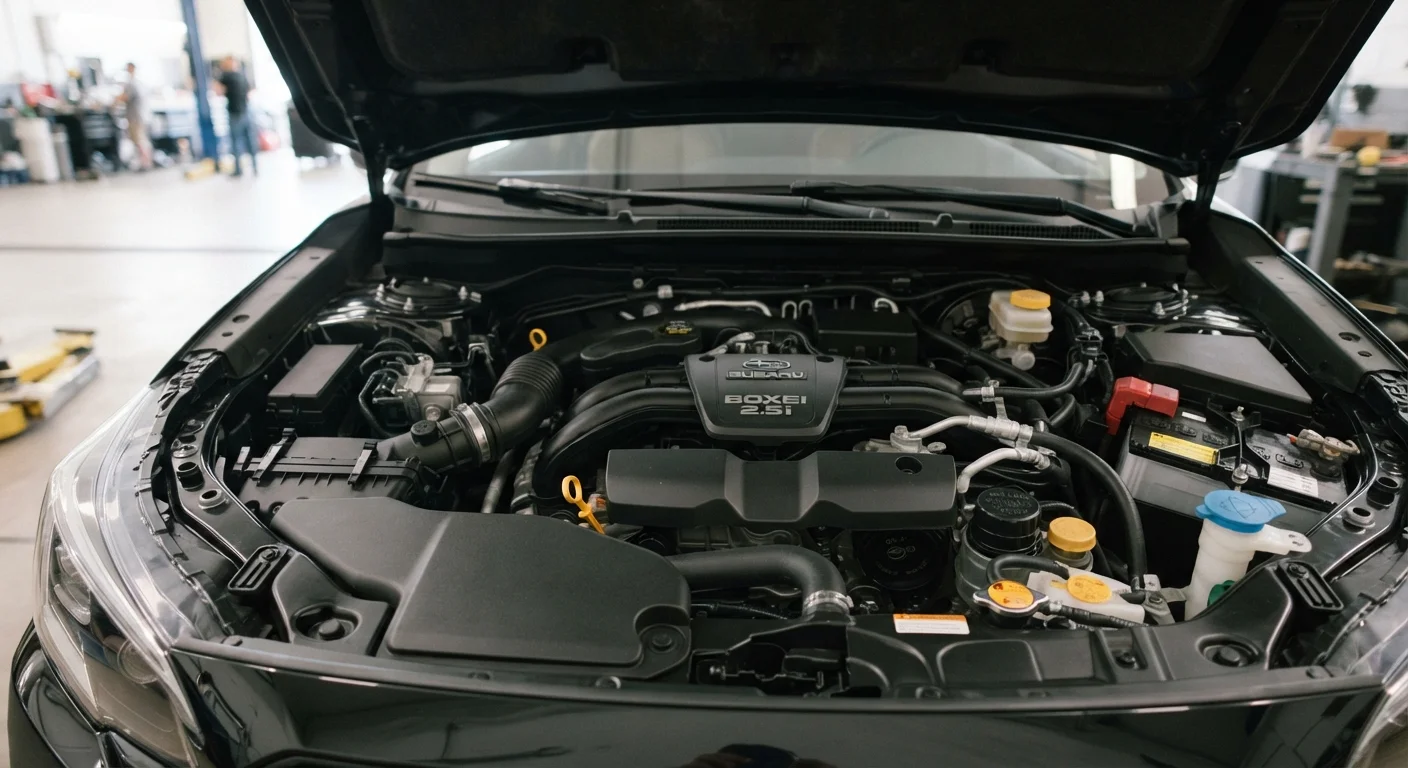
- A low-oil-pressure icon (often resembling a dripping oil can) means your engine may not be adequately lubricated. Driving with this light on can cause catastrophic engine damage within minutes. Stop the engine and check the oil level. See our guide to under-hood fluids for what to look for.
- Engine Temperature / Overheat
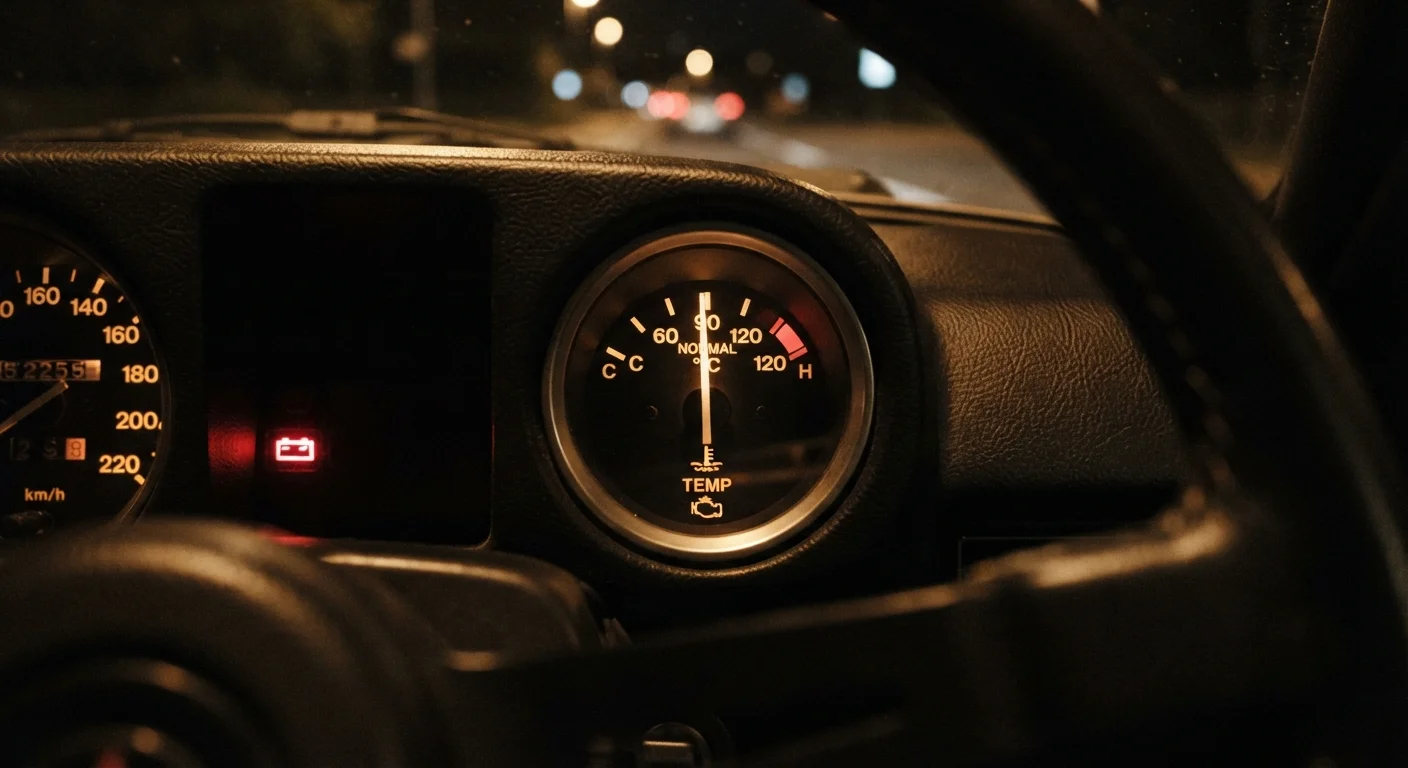
- A thermometer symbol means your coolant temperature has exceeded safe limits. Your engine temperature gauge deserves attention even when everything seems fine - when the red light appears, pull over and let the engine cool. Do not remove the radiator cap on a hot engine.
- Brake System Warning
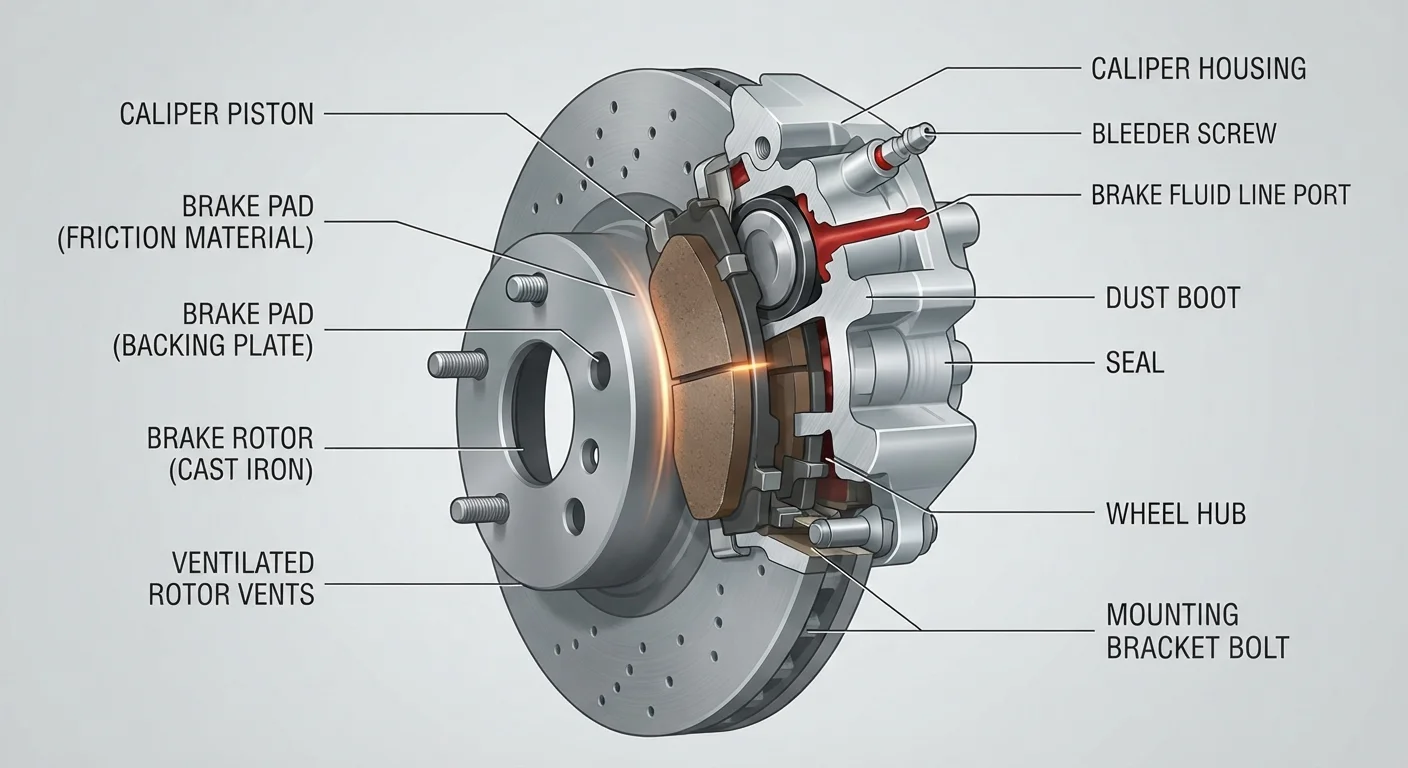
- An exclamation mark inside a circle can signal low brake fluid, a hydraulic fault, or a failing component. Your braking system's components work together - a fault in one area can compromise your ability to stop. Have it inspected before driving further.
- Battery / Charging System
- A battery icon does not always mean the battery itself has failed - it can indicate a problem with the alternator or charging circuit. Recognize early battery warning signs to avoid being stranded unexpectedly.
Amber Lights: Schedule Service Soon
Amber warning lights indicate a developing issue that needs professional attention - typically within days to a couple of weeks, not indefinitely.
| Colors used for warning lights | Red, amber/yellow, green, blue - each signals a different urgency level |
| Red light urgency | Stop driving safely as soon as possible; potential for immediate damage |
| Amber/yellow light urgency | Schedule service soon; not always an emergency but shouldn't be ignored |
| OBD-II standard adopted | Mandatory on all US cars and light trucks from model year 1996 onward |
| Most common warning light | Check Engine (Malfunction Indicator Lamp) - triggered by hundreds of possible fault codes |
| TPMS requirement | Mandatory on all new US passenger vehicles since September 2007 (NHTSA FMVSS No. 138) |
- Check Engine (Malfunction Indicator Lamp)
- The most misunderstood light on any dashboard. It can be triggered by something as minor as a loose gas cap or as serious as a failing catalytic converter. A mechanic uses a scan tool to retrieve the stored fault code (DTC) and diagnose the root cause. Do not ignore a flashing check engine light - flashing indicates a misfire serious enough to damage the catalytic converter, and warrants prompt service.
- TPMS (Tire Pressure)
- A low tire pressure warning means one or more tires have dropped significantly below the recommended PSI. Underinflated tires affect handling, fuel economy, and tread wear. Check all four tires with a gauge and inflate to the pressure listed on the door jamb sticker, not the tire sidewall.
- ABS Warning
- Your standard brakes still work when this light is on, but the anti-lock function that prevents wheel lockup during emergency stops may be disabled. Have it scanned soon.
- Traction Control / ESC
- A momentarily flashing stability icon is normal during slippery conditions - the system is actively working. A steadily lit icon means the system has detected a fault and may not be available when needed.
1 in 4
Vehicles driven with a warning light on
CAR Care Council surveys have consistently found roughly one in four vehicles on US roads is being driven with at least one warning light illuminated.
Hundreds
Possible fault codes behind a single Check Engine light
The OBD-II system can store hundreds of distinct Diagnostic Trouble Codes, which is why a scan tool - not guesswork - is needed to diagnose the root cause.
For any amber light that persists, a mechanic can retrieve the stored fault codes through the vehicle's OBD-II port. Many auto parts stores offer free code reads, which gives you a starting point - though a code alone rarely tells the full diagnostic story.
Reading Your Dashboard with Confidence
The best habit you can build is a quick visual scan of your dashboard every time you start the vehicle. Most lights illuminate briefly during startup as a self-test, then go out - any that stay on after the engine is running deserve attention.
If a warning light appears and you are unsure of its urgency, a few quick steps help:
- Pull over safely if the light is red or if any warning light is accompanied by unusual sounds, smells, or handling changes.
- Check your owner's manual to identify the symbol and its recommended response.
- For amber lights, note whether the light is steady or flashing - flashing typically signals greater urgency.
- Have fault codes read by a qualified mechanic to get an accurate diagnosis before authorizing any repair.
Understanding your vehicle's warning system is a core part of responsible ownership. If you need a fuller picture of how your car's components connect, our walkthrough of vehicle inspection reports explains how professionals document and categorize those same findings.
OBD-II
On-Board Diagnostics, second generation - a standardized system in vehicles sold in the US after 1996 that monitors engine and emissions performance and stores fault codes when problems are detected.
Fault Code (DTC)
A Diagnostic Trouble Code stored by the vehicle's computer when a sensor or system falls outside its expected range. A mechanic's scan tool retrieves these codes to pinpoint the issue.
TPMS
Tire Pressure Monitoring System - a sensor-based system that alerts the driver when one or more tires fall significantly below the recommended pressure.
ABS
Anti-lock Braking System - a safety system that prevents wheel lockup during hard braking, helping the driver maintain steering control. A lit ABS light means this system may not function during an emergency stop.
ESC / Stability Control
Electronic Stability Control - a system that automatically applies brakes to individual wheels to help correct skids or loss of traction. Required on all new US passenger vehicles since 2012.
Coolant Temperature
The temperature of the liquid that circulates through your engine to carry heat away. Operating outside the normal range can signal a coolant leak, failing thermostat, or a more serious engine issue.