What Makes an Expense Fixed or Variable?
Every dollar that leaves your household falls into one of two behavioral categories: it either costs the same each billing cycle, or it changes depending on how much you use, buy, or consume. That distinction is the core difference between fixed expenses and variable expenses.
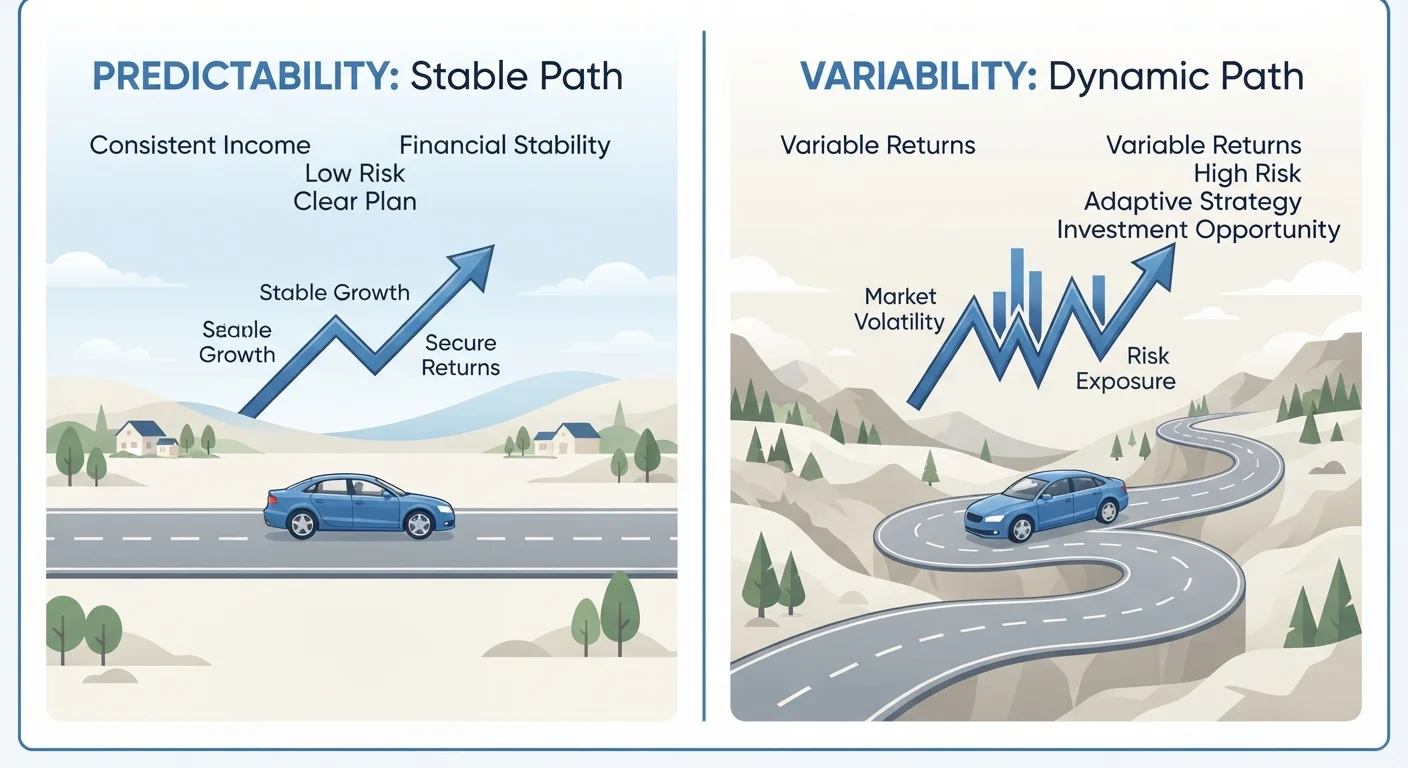
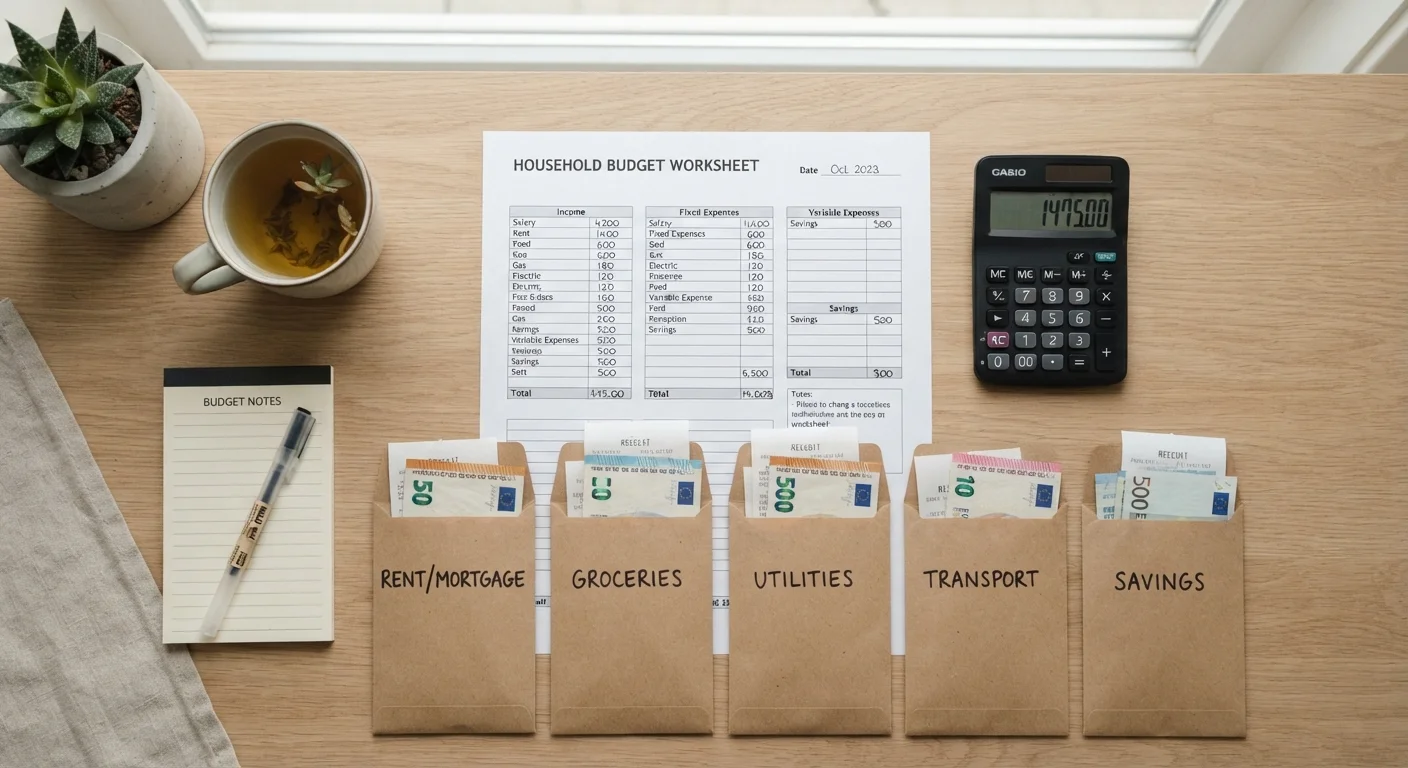
Fixed expenses are costs that remain constant from month to month regardless of your behavior. Your rent or mortgage payment, auto loan installment, and renter's insurance premium are classic examples. You can predict them precisely in advance-they show up at the same amount on the same schedule. For a deeper look at how fixed payment structures work in borrowing, see our guide to fixed-rate vs. adjustable-rate mortgages.
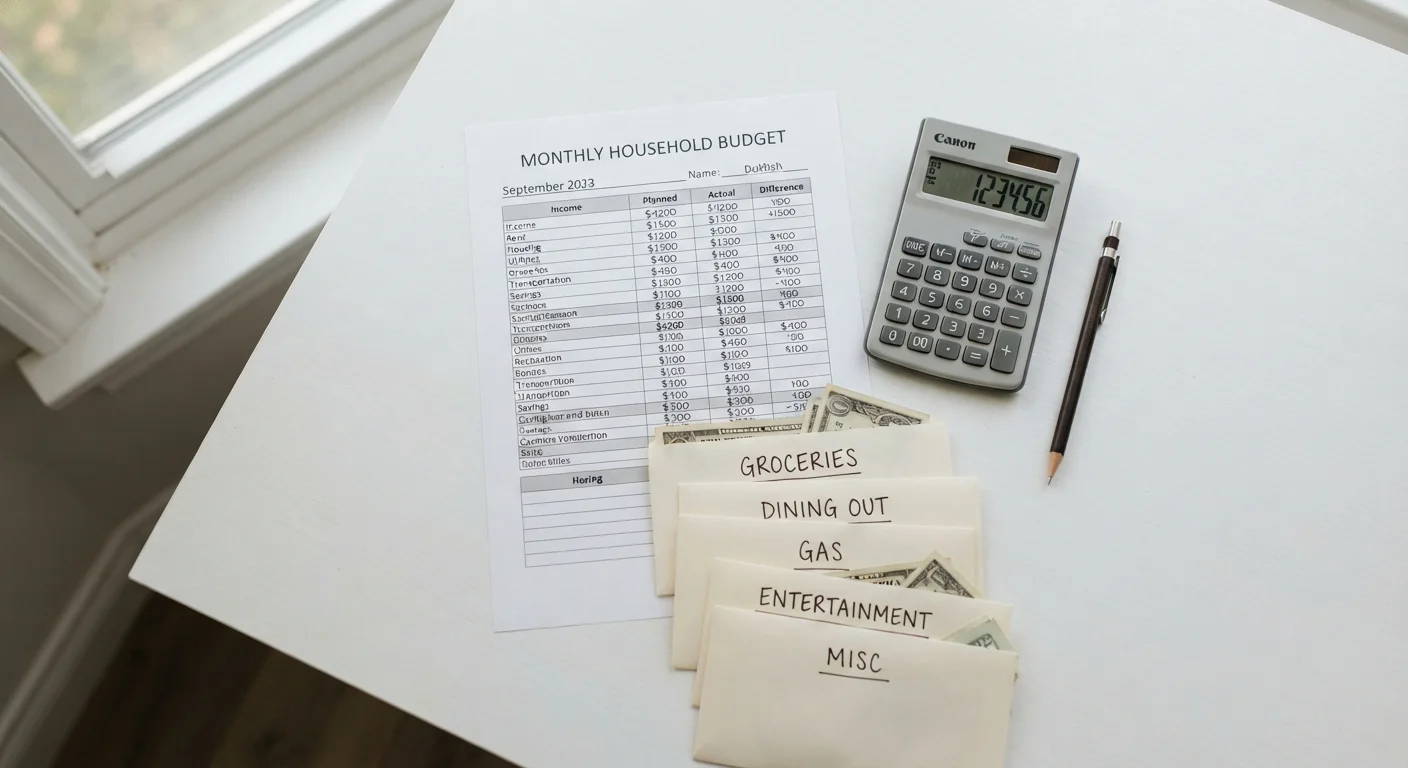
Variable expenses, by contrast, shift based on usage, lifestyle choices, or seasonal factors. Groceries, gasoline, dining out, utility bills, and clothing all qualify. You know these categories will appear in your budget every month-but the exact dollar amount changes.
A third category worth noting is periodic or irregular expenses-costs that are fixed in amount but don't recur monthly, such as annual insurance premiums or quarterly tax payments. These are often fixed in nature but require intentional saving throughout the year to avoid budget disruption.
| Criterion | Fixed Expenses | Variable Expenses |
|---|---|---|
| Amount each month | Stays the same | Changes based on use or choices |
| Predictability | High - easy to forecast | Lower - requires tracking |
| Common examples | Rent, auto loan, insurance | Groceries, gas, dining, utilities |
| Control in short term | Limited without renegotiation | High - adjustable immediately |
| Budget role | Establishes spending floor | Where savings opportunities live |
| Strategy to reduce | Refinance, downsize, cancel | Track, limit, substitute |
Why the Distinction Changes How You Budget
Once you can clearly label each line item in your budget, your planning becomes far more purposeful. Fixed expenses establish your spending floor-the non-negotiable minimum you need to cover every month just to maintain your current commitments. Variable expenses, on the other hand, represent the territory where your day-to-day decisions actually shape your financial outcome.
~33%
Average share of income spent on housing
The U.S. Bureau of Labor Statistics Consumer Expenditure Survey consistently finds housing accounts for roughly a third of average household spending-the largest single fixed expense for most Americans.
~15%
Average share of income spent on food
Food-split between groceries and dining out-represents one of the largest variable expense categories, according to the Bureau of Labor Statistics Consumer Expenditure Survey.
66%
Americans living paycheck to paycheck at some point
Research from the Federal Reserve's Report on the Economic Well-Being of U.S. Households has found that a significant share of Americans have limited financial buffer, underscoring why understanding fixed obligations matters.
This matters practically because the strategies for managing each type differ significantly:
- For fixed expenses: The lever is negotiation or restructuring-refinancing a loan, moving to a less expensive home, or canceling a subscription service. These changes take more effort upfront but deliver lasting impact.
- For variable expenses: The lever is behavioral-spending less on groceries, consolidating trips to cut gas, or reducing how often you dine out. These changes can take effect immediately and scale with your effort.
When building or refining a budget, financial educators commonly recommend listing all fixed expenses first to establish your baseline, then allocating the remaining income toward variable categories with specific targets. For a comprehensive reference to the spending categories you should account for, see spending categories every household budget should include.
If your income varies month to month-as it does for freelancers, gig workers, and seasonal employees-anchoring your budget around fixed obligations becomes even more critical. Our guide to budgeting on an irregular income covers strategies built specifically for that scenario.
Watch Out for 'Mostly Fixed' Expenses
Some costs feel fixed but contain a variable component. Electricity and natural gas bills, for example, include a fixed service charge plus a usage-based portion that changes with season and consumption habits. Treating these as entirely fixed can lead to budget surprises. Track them over 6-12 months to establish a realistic average and a realistic ceiling.
This article is for general informational and educational purposes only and does not constitute personalized financial advice. Consult a qualified financial professional regarding decisions specific to your situation.