How the Traditional Envelope Method Works
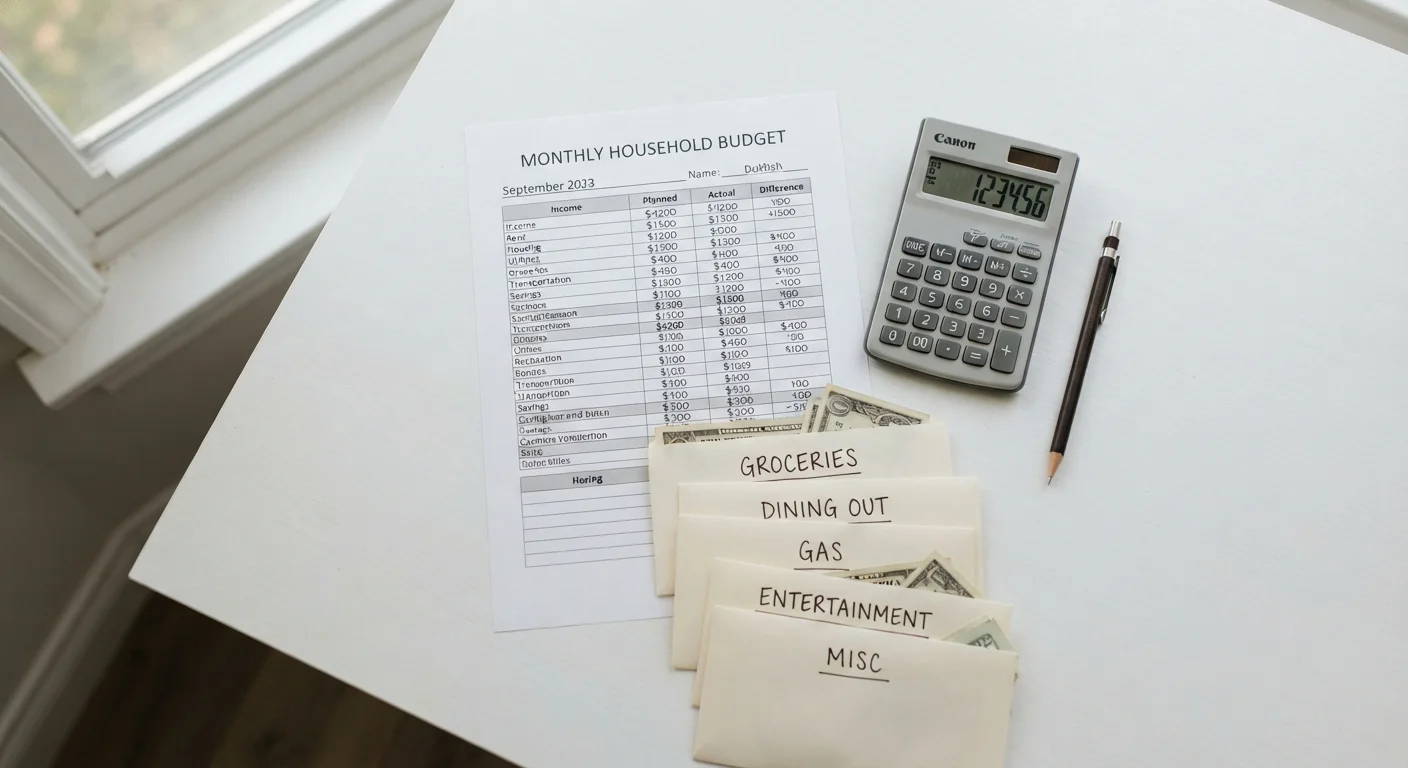
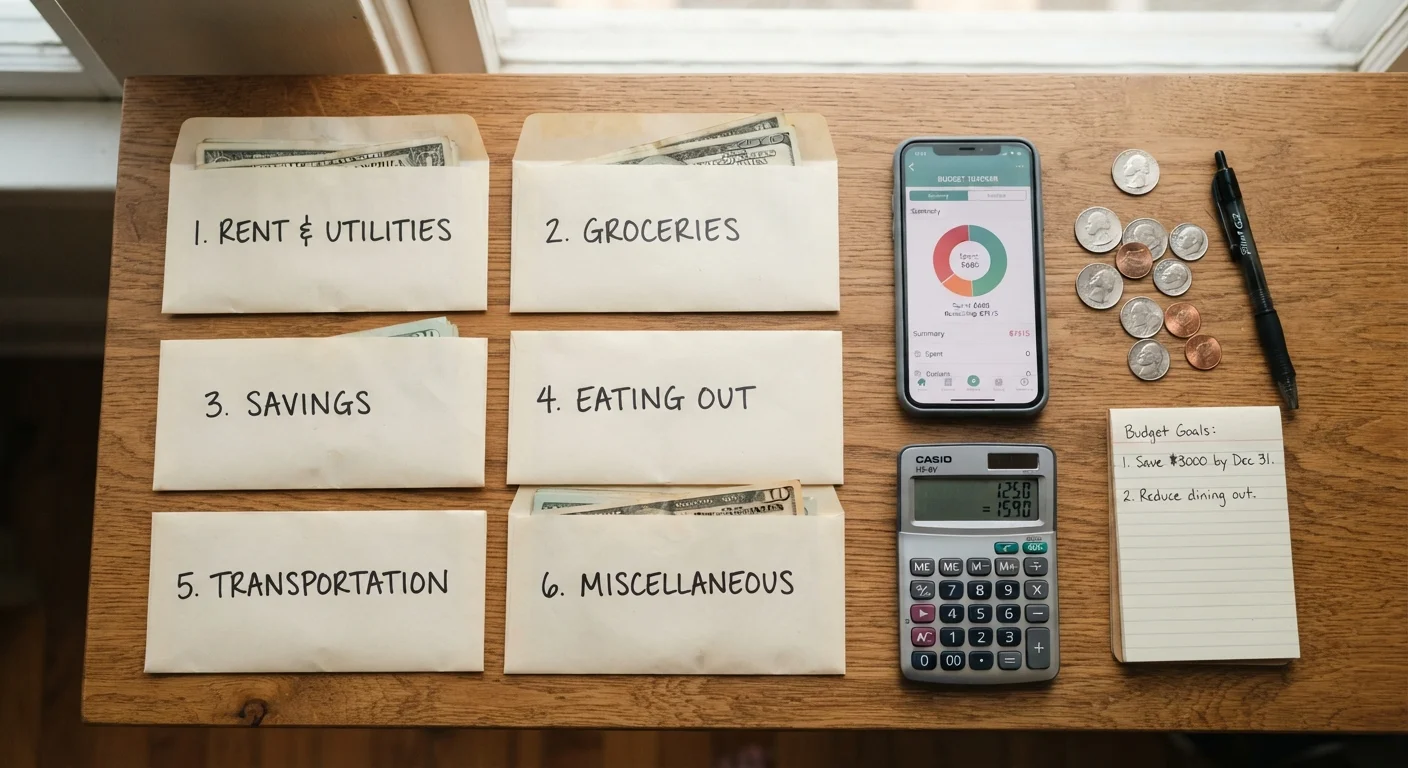
The mechanics are straightforward. At the start of each pay period, you withdraw your discretionary income in cash and physically divide it among labeled envelopes. Common categories include groceries, gas, restaurants, clothing, and personal care. The envelope balance is your ceiling-once it's empty, you've reached your limit for that category.
This tactile approach creates a feedback loop that digital spending often lacks. Handing over bills makes a purchase feel real in a way that swiping a card does not. Behavioral research has found that cash payments tend to produce more careful spending decisions because the loss of physical money is more psychologically salient than an abstract debit transaction.
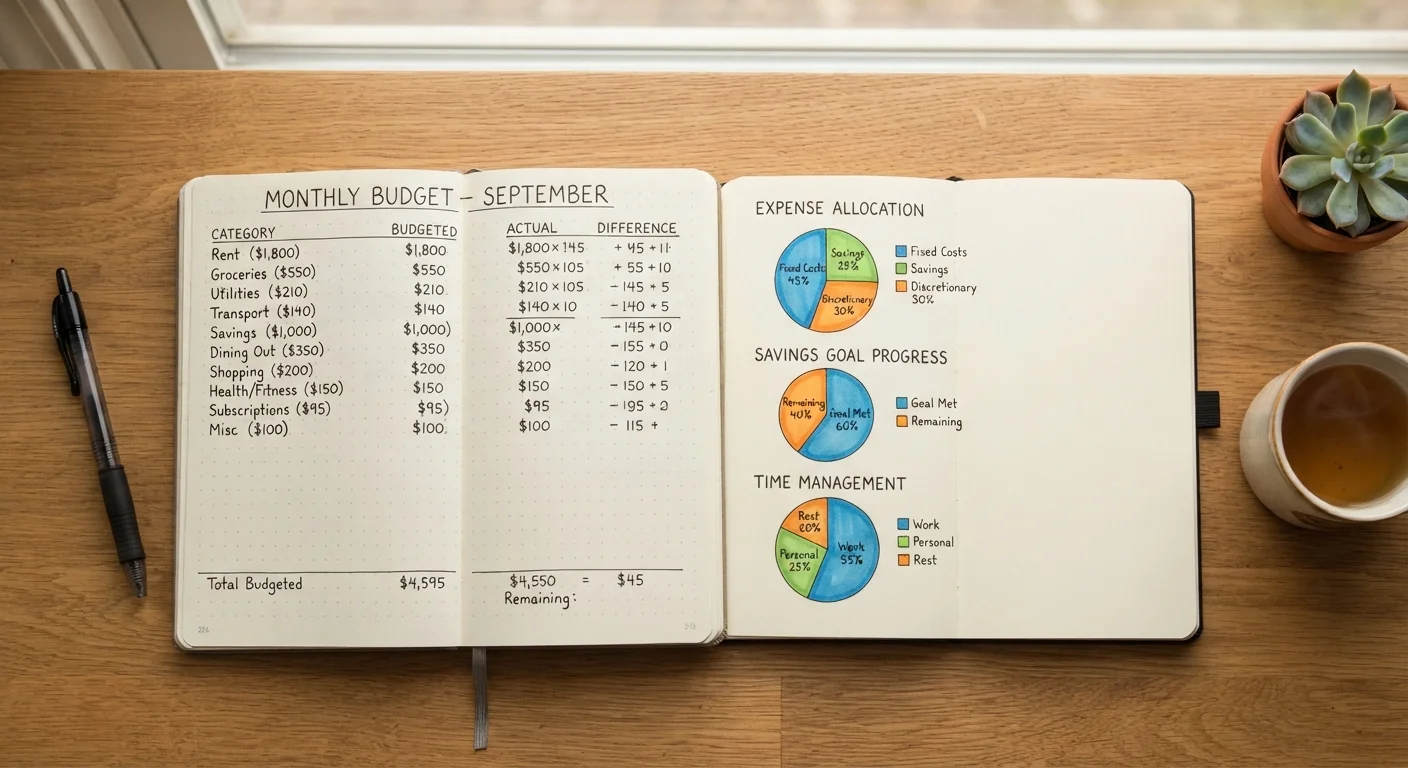
The method pairs naturally with a clear map of household spending categories, since you can only build useful envelopes once you know where your money actually goes each month. It's also grounded in zero-based budgeting logic-every dollar is assigned before it can be spent impulsively. For a side-by-side look at zero-based and other approaches, see our piece on zero-based budgeting vs. the 50/30/20 rule.
64%
Americans living paycheck to paycheck
According to a 2023 LendingClub report, nearly two-thirds of U.S. consumers reported spending all or nearly all of their monthly income.
~$200
Average monthly discretionary overspend
A Slickdeals survey found U.S. adults estimated they overspend by roughly $183 per month on non-essential purchases, highlighting the gap budgeting methods aim to close.
Why the Physical Method Has Limitations Today
Cash-only budgeting runs into friction in a payments landscape dominated by cards, online shopping, and automatic billing. Carrying hundreds of dollars in labeled envelopes is impractical and raises security concerns. Many merchants, particularly online retailers, don't accept cash at all. Recurring subscriptions, rent portals, and utility autopay systems are built around electronic transfers.
Fixed monthly expenses-mortgage or rent, loan payments, insurance premiums-are poor candidates for envelopes in the first place. These amounts don't vary, so pre-loaded cash adds no value over an automatic payment. The envelope method's strength is in variable, discretionary categories where overspending is most likely to happen.
Envelope Budgeting Isn't All-or-Nothing
You don't have to convert every expense to the envelope system. Many households use a hybrid approach: automatic payments handle fixed bills, while envelopes-physical or digital-manage the discretionary categories where overspending is most likely. Starting with just two or three variable categories is a practical entry point for beginners.
Digital Adaptations That Preserve the Core Discipline
Modern households have developed several ways to apply envelope logic without physical cash. The most common approaches include:
- Budgeting apps with virtual envelopes: Several personal finance apps are built specifically around envelope or zero-based allocation, letting users create digital spending categories, load them with a set dollar amount each month, and watch balances decline in real time as transactions sync.
- Multiple checking or savings accounts: Some people open separate accounts for different spending purposes-one for groceries, one for entertainment-and transfer the budgeted amount each month. A debit card linked to each account functions like a digital envelope.
- Prepaid debit cards by category: Loading a set amount onto a prepaid card for a specific purpose (e.g., dining) replicates the hard-stop feature of a physical envelope. When the balance hits zero, the card declines.
Each approach requires an upfront decision about allocation amounts, which is the discipline that drives results. For couples sharing finances, coordinating those allocations together is essential-our guide on budgeting as a couple covers that process in detail.
Start With Your Three Biggest Variable Categories
Rather than creating envelopes for every conceivable expense, identify the three spending categories where you most frequently overspend-often groceries, dining, and entertainment. Controlling those three areas first builds the habit without overwhelming you with complexity. You can expand the system once the core discipline feels natural.
Making the System Stick Over Time
Envelope budgeting's durability depends on a monthly reset ritual: reviewing what you spent, what remained unspent, and whether your category amounts still match your actual needs. Envelopes that consistently run dry suggest an allocation is too low; envelopes that always have surplus may indicate over-budgeting in that area. Our monthly budget audit checklist provides a structured way to do this review.
The broader goal is building the habit of intentional spending-knowing before each purchase which budget category it draws from. Once that habit is formed, it supports larger financial goals: accelerating debt payoff, growing an emergency fund, or beginning to invest. Our Saving & Investing hub covers what comes after you've stabilized your spending.
For readers weighing the effort of manual tracking against automated tools, the question of tracking spending by hand vs. using an app is worth exploring separately.
This article is for general informational and educational purposes only and does not constitute personalized financial advice. Consult a qualified financial professional for guidance tailored to your specific circumstances.