Why Category Structure Makes or Breaks a Budget
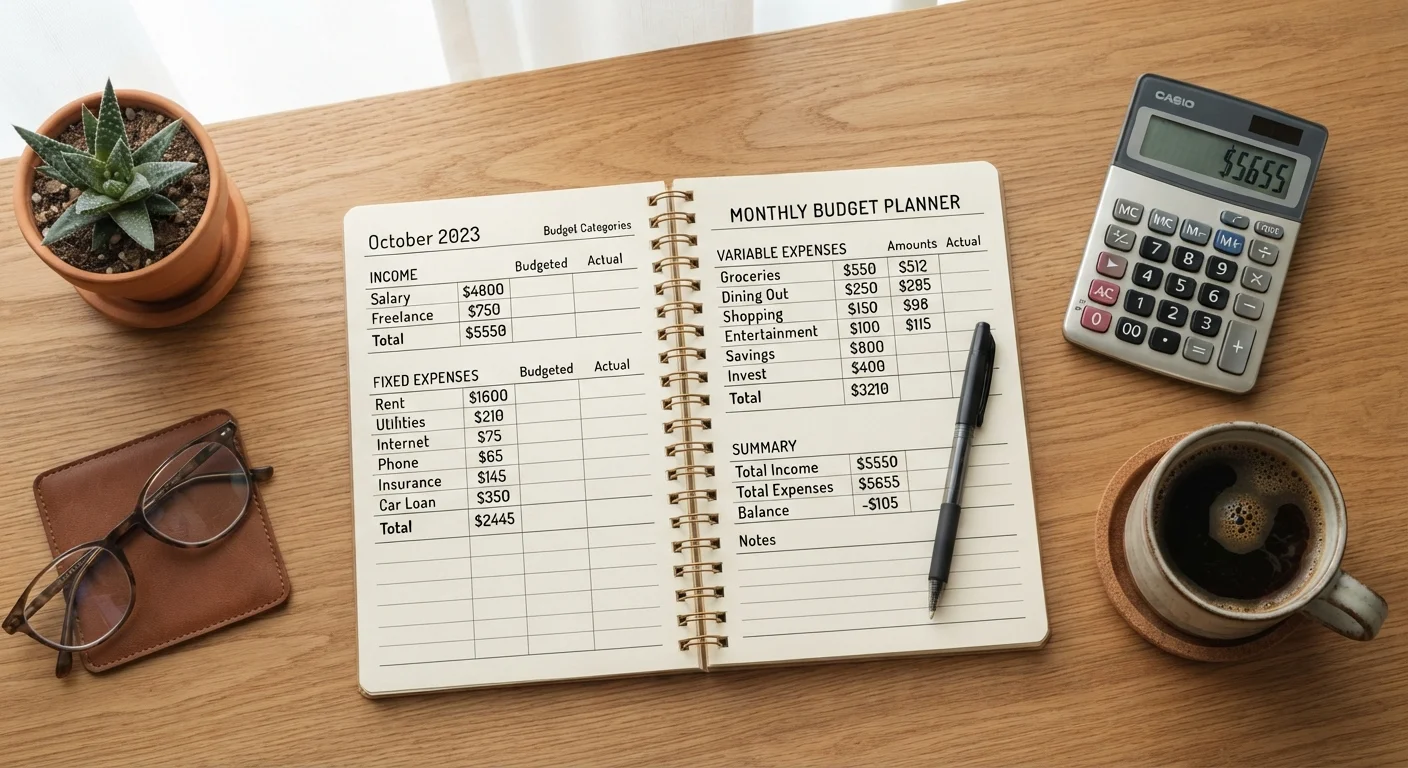
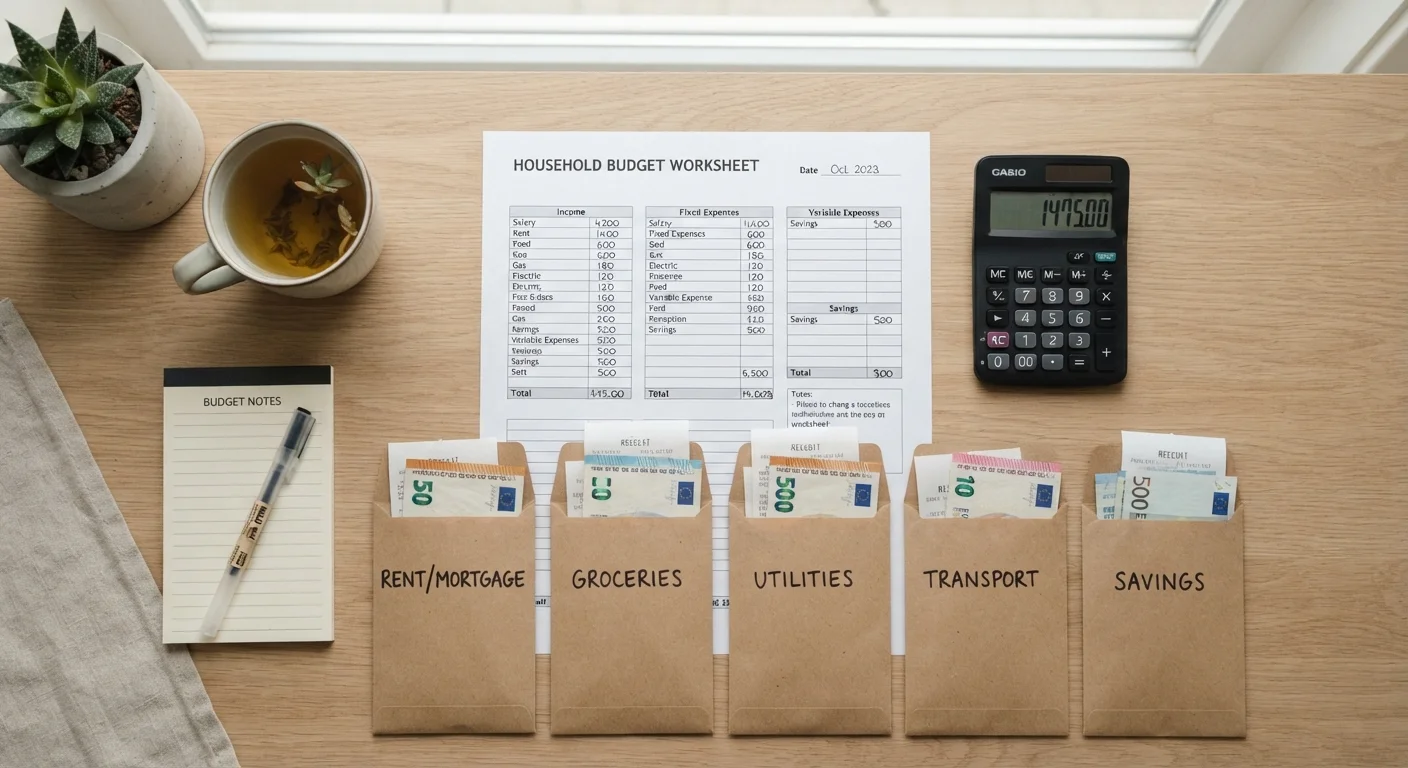
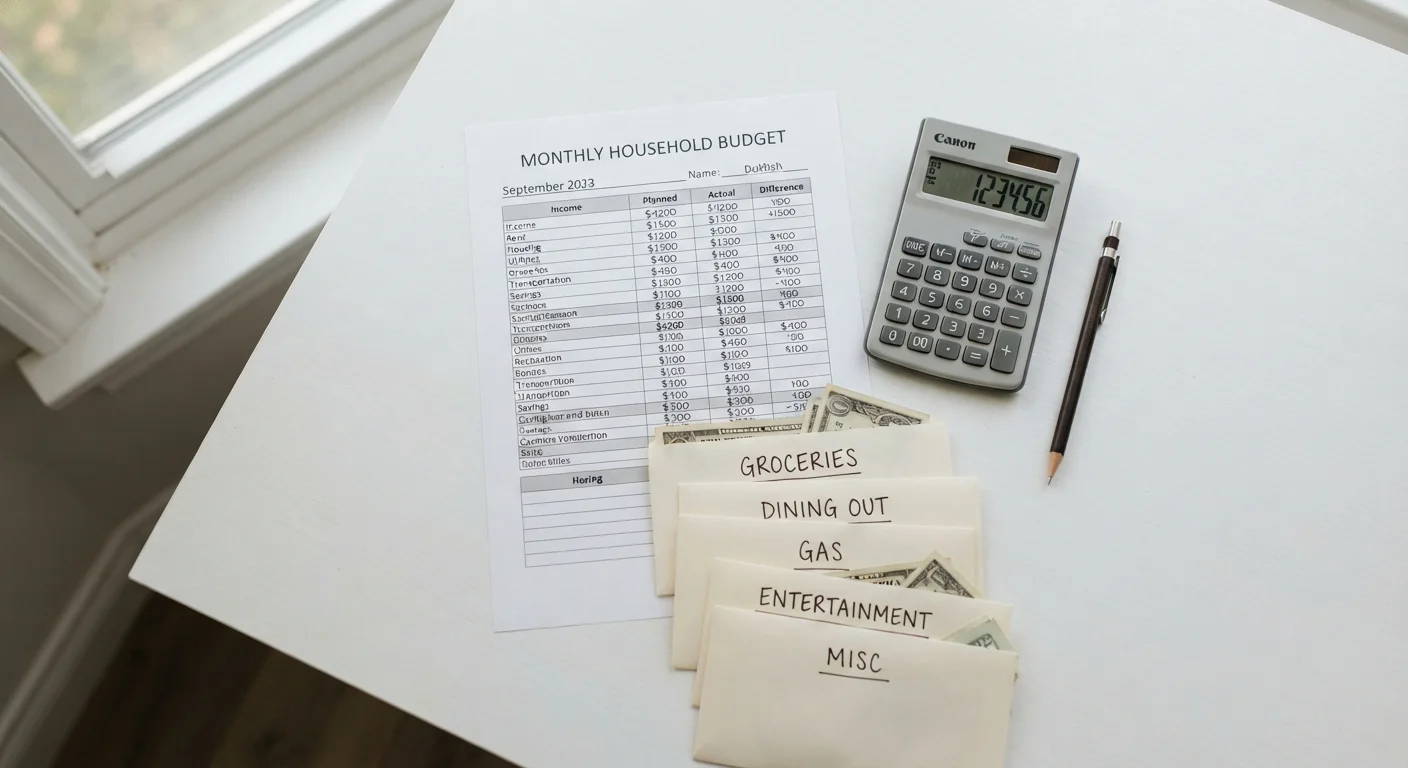
A budget without defined categories is essentially a guess. Categories transform a vague intention to "spend less" into a concrete, measurable plan. When every dollar has a destination, overspending in one area becomes visible-and fixable-rather than a mystery at month's end.
The right set of categories also reveals patterns you might never notice otherwise: the creeping cost of subscriptions, the monthly emergency that was never really an emergency, or the meals out that quietly rival a car payment. For a walkthrough on building your first budget from actual take-home pay, see how to set up a monthly budget from your take-home pay.
| Recommended housing cost ceiling | No more than 30% of gross income (U.S. Department of Housing and Urban Development) |
| Average US household food spending | Approximately $9,300 per year (Bureau of Labor Statistics Consumer Expenditure Survey, 2022) |
| Share of households with no emergency savings | Around 22% (Federal Reserve Report on the Economic Well-Being of U.S. Households, 2023) |
| Average US household transportation cost | Approximately $12,300 per year (Bureau of Labor Statistics Consumer Expenditure Survey, 2022) |
| Percentage of income recommended for savings | At least 10-20% (General personal finance guidance; varies by framework and individual circumstance) |
The Core Spending Categories
Most personal finance frameworks-whether the 50/30/20 rule or zero-based budgeting-organize household costs into a similar set of fundamental buckets. Understanding the difference between fixed and variable expenses helps you manage each category more effectively.
Housing
Mortgage or rent, property taxes, homeowners or renters insurance, and HOA fees. The U.S. Department of Housing and Urban Development suggests housing costs stay at or below 30% of gross income as a general benchmark.
Transportation
Car payments, fuel, auto insurance, registration, maintenance, and public transit costs. Transportation is typically the second-largest expense category for US households.
Food
Groceries and household supplies purchased for home use. Dining out and takeout are often separated into a discretionary category to distinguish essential nutrition spending from lifestyle choices.
Utilities and Communications
Electricity, gas, water, trash collection, internet, and phone service. These tend to be semi-variable-they fluctuate seasonally but remain essential.
Healthcare
Health insurance premiums (if not fully employer-covered), prescription costs, dental and vision care, and copays. Out-of-pocket healthcare costs warrant their own line item given how significantly they vary by household.
Debt Payments
Student loans, credit card minimum payments, and any personal loans. Tracking debt payments separately from other spending highlights your true debt load and helps you prioritize payoff strategies.
Savings and Emergency Fund
Contributions to retirement accounts, emergency funds, and other savings goals. Treating savings as a non-negotiable expense-rather than what's left over-is a foundational habit in sound financial planning.
Childcare and Education
Daycare, school tuition, tutoring, and extracurricular activities. These costs can be substantial and are often underestimated when households first build a budget.
Personal and Discretionary
Clothing, entertainment, subscriptions, personal care, dining out, and hobbies. This is the most flexible category and the one that offers the most room to adjust when financial priorities shift.
~33%
Average share of household spending on housing
According to the Bureau of Labor Statistics Consumer Expenditure Survey (2022), housing consistently represents the largest single expense category for US households.
22%
US households with no emergency fund
The Federal Reserve's 2023 Economic Well-Being report found roughly one in five US adults could not cover three months of expenses with savings.
$1,200+
Average annual out-of-pocket healthcare costs per person
The Kaiser Family Foundation estimates average individual out-of-pocket healthcare spending, underscoring why medical costs need their own budget line.
The Categories Most Households Forget
Even well-intentioned budgets routinely leave out irregular and periodic expenses-costs that don't appear monthly but are entirely predictable over the course of a year. Omitting them is one of the most common reasons budgets feel like they're "not working."
Fixed expense
A recurring cost that stays the same amount each billing cycle, such as a mortgage or car loan payment. Fixed expenses are predictable and easy to plan around.
Variable expense
A cost that fluctuates month to month based on usage or behavior, such as groceries or utility bills. These require closer monitoring because they can creep upward.
Irregular expense
A cost that doesn't appear every month but is predictable over the year-like annual insurance premiums or car registration fees. Many budgeters overlook these until they arrive.
Sinking fund
A dedicated savings pool funded gradually each month to cover a specific future expense. Common examples include holiday gifts, car repairs, and medical deductibles.
Discretionary spending
Non-essential expenses that reflect personal choices, such as dining out, entertainment, or subscriptions. These are usually the first category adjusted when money is tight.
Net income
The amount of money a person takes home after taxes and payroll deductions. Budget categories should always be built against net income, not gross pay.
Irregular and Periodic Costs to Budget For
- Annual insurance premiums - homeowners, auto, or life insurance billed once or twice yearly
- Vehicle registration and inspection fees - typically annual, often $50-$200+ depending on state
- Home maintenance and repairs - a common rule of thumb suggests setting aside 1% of a home's value annually
- Medical deductibles - plan for what you'd owe if something happened, not just routine costs
- Holiday and gift spending - budgeting monthly for December in January prevents year-end financial strain
- Subscriptions renewing annually - streaming, software, and memberships that bill once per year are easily forgotten
A sinking fund-where you save a fixed amount each month toward a known future cost-is the most practical tool for managing these irregular categories. Once you've mapped your categories, a monthly budget audit checklist can help you verify that spending actually aligned with your plan.
This Is General Financial Information
The category breakdowns and percentages in this article are educational guidelines, not personalized financial advice. Every household's income, obligations, and goals differ. Consult a licensed financial professional for guidance tailored to your specific situation.
This article is for general informational and educational purposes only and does not constitute personalized financial advice. Consult a qualified financial professional before making decisions about your own finances.