Grout Cracks Are a Symptom, Not the Problem
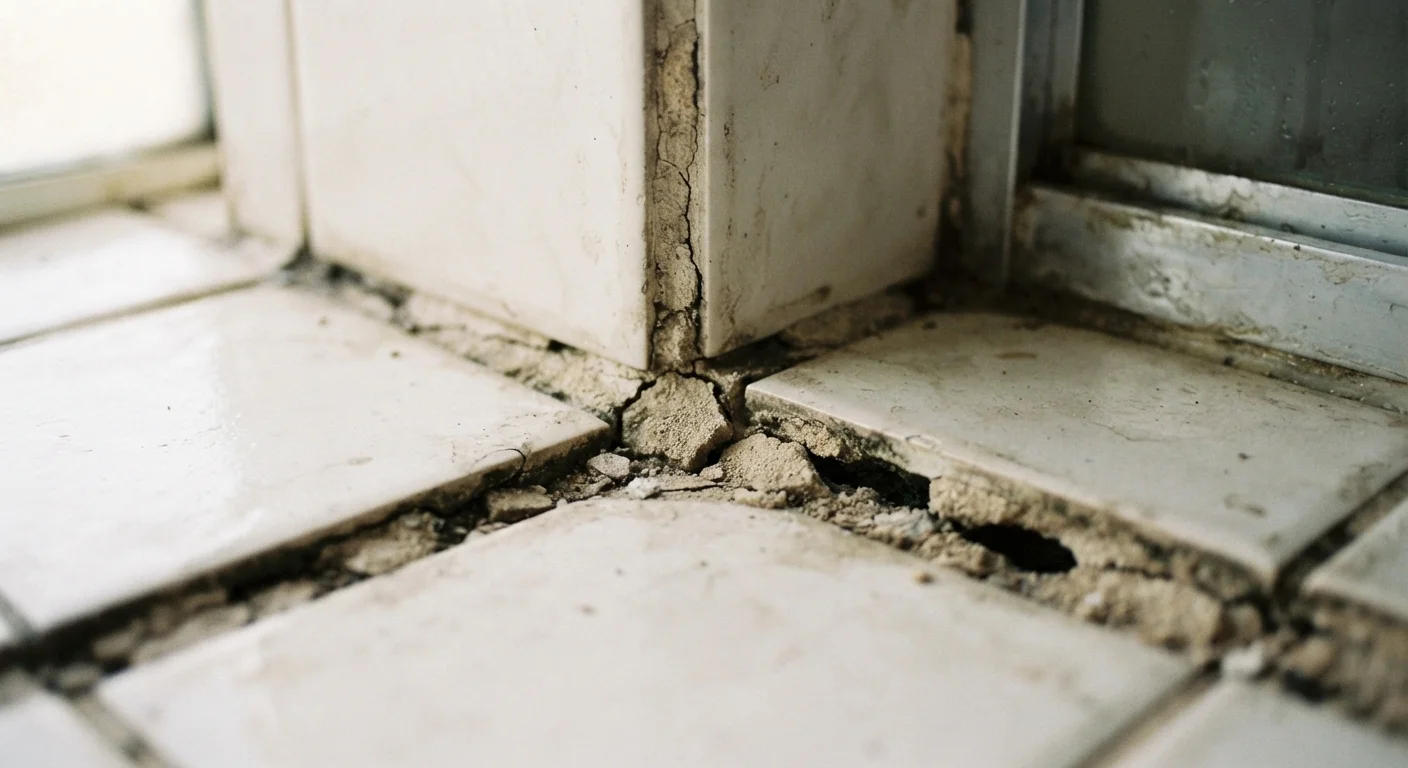
If your grout keeps cracking - whether it's newly laid or several years old - the temptation is to regrout and move on. But cracking grout is almost always a signal that something else has gone wrong, either during installation or in the substrate beneath the tile. Addressing the surface without understanding the root cause means you'll be back in the same position within months.
The most important shift in thinking: grout doesn't fail randomly. It responds to forces - movement, moisture, and mechanical stress - that act on the tiled assembly as a whole. Understanding those forces helps you make a real fix rather than a cosmetic one. As we cover in our article on deferred maintenance, surface-level repairs that ignore the underlying cause tend to compound into costlier problems over time.
What You Can Actually Do About It
Once you've identified the likely cause of grout failure, the repair approach becomes clearer. If the issue is substrate flex or a poorly prepared surface, the tile may need to come up entirely - regrout alone won't help. If the problem is a missing movement joint, a flexible, sanded caulk in a matching color (not grout) should replace the affected area at corners and transitions.
Don't Regrout Without Checking Underneath
If tiles are loose, hollow-sounding when tapped, or cracked alongside the grout, the bond between tile and substrate has likely failed. Regrouting over a failed bond will not hold. Pry up a tile in the affected area to inspect the thinset coverage and substrate condition before proceeding with any repair.
For surface-only cracks caused by shrinkage or improper water ratio during mixing, a thorough regrouting with correct product and technique may be sufficient. Always use unsanded grout for joints under 1/8 inch and sanded grout for wider joints. Allow full cure time - typically 24 to 72 hours before light foot traffic, and longer before cleaning or sealing - and keep the area from drying too quickly by misting lightly in dry conditions.
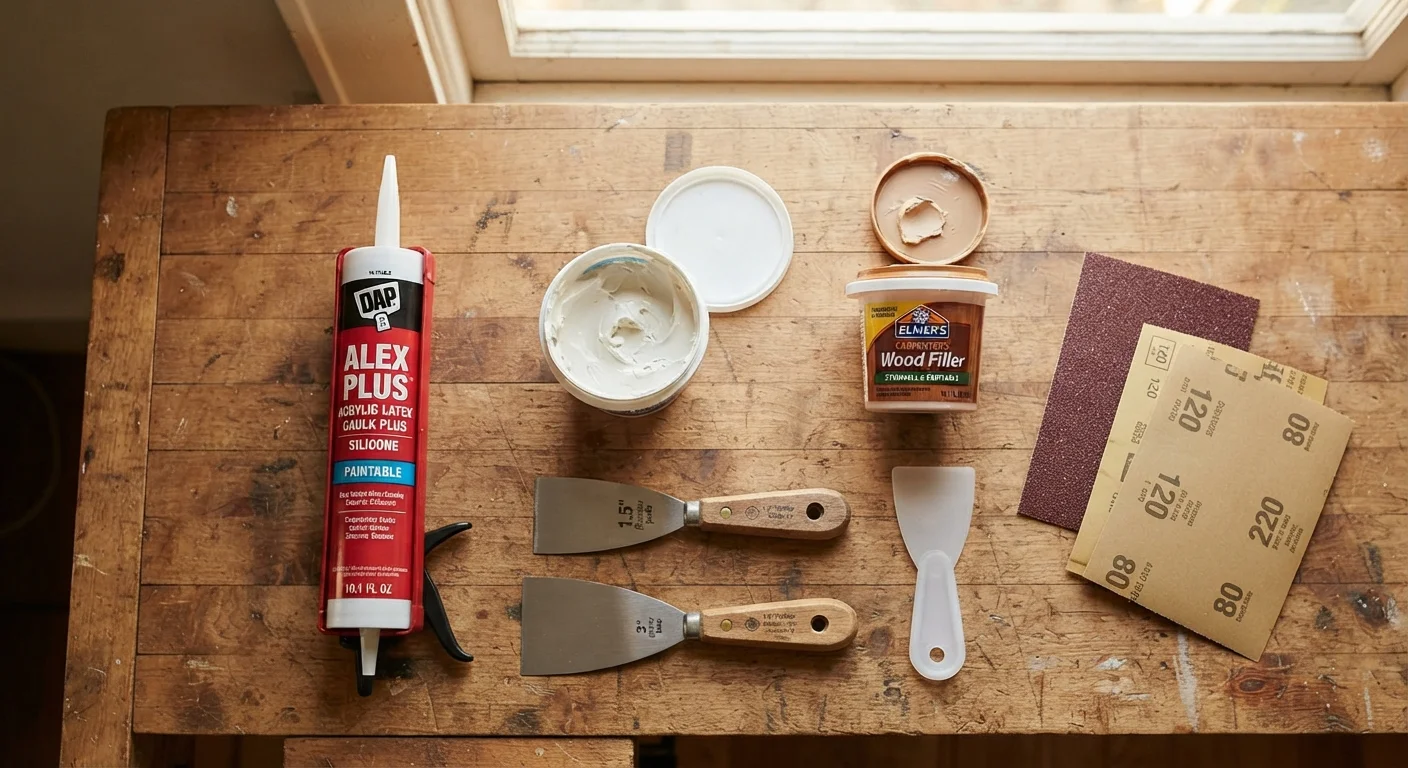
It's also worth knowing which repair product fits which situation. Grout is not a gap-filler in the general sense; for transitions to woodwork or flexible joints, different materials apply. Our guide on caulk, spackle, and wood filler explains how to match the right product to each type of gap or crack.
L/360
Maximum floor deflection for ceramic tile installation
The Tile Council of North America (TCNA) specifies this structural standard to prevent tile and grout failure due to subfloor flex.
24-72 hrs
Minimum grout cure time before foot traffic
Most Portland cement-based grouts require at least 24 hours before light use and longer in cool or humid environments, per manufacturer guidance.
When grout failure is widespread or recurring despite correct regrout technique, consult a licensed tile contractor. Systemic cracking across a floor or wall often signals a structural issue - such as joist deflection or water damage in the substrate - that requires professional assessment before any surface repair makes sense.