How Small Problems Become Expensive Emergencies
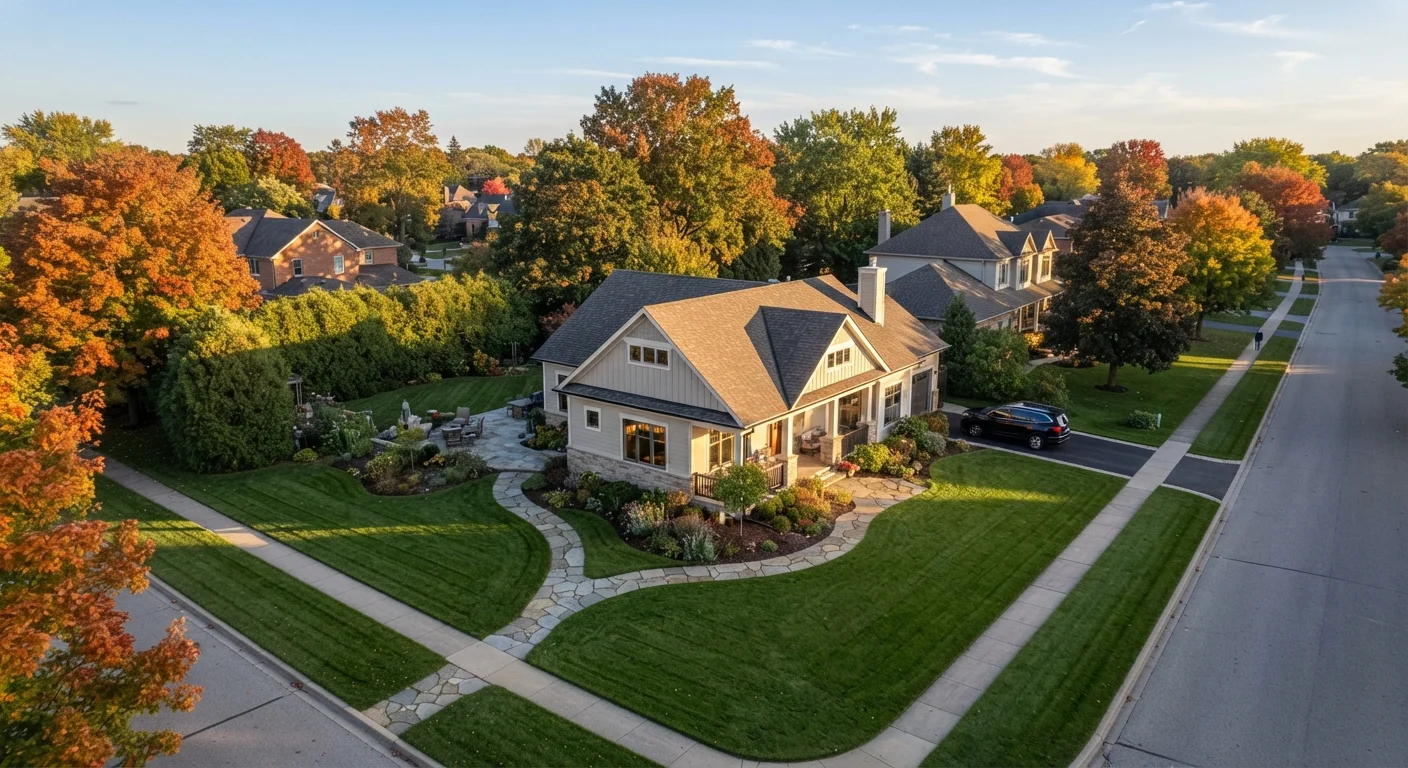
Homeownership comes with a steady stream of minor issues that are easy to postpone - a dripping faucet, a small patch of peeling caulk around the tub, a gutter that pulls away slightly from the fascia board. None of these feel urgent. But each one represents an open door for larger damage.
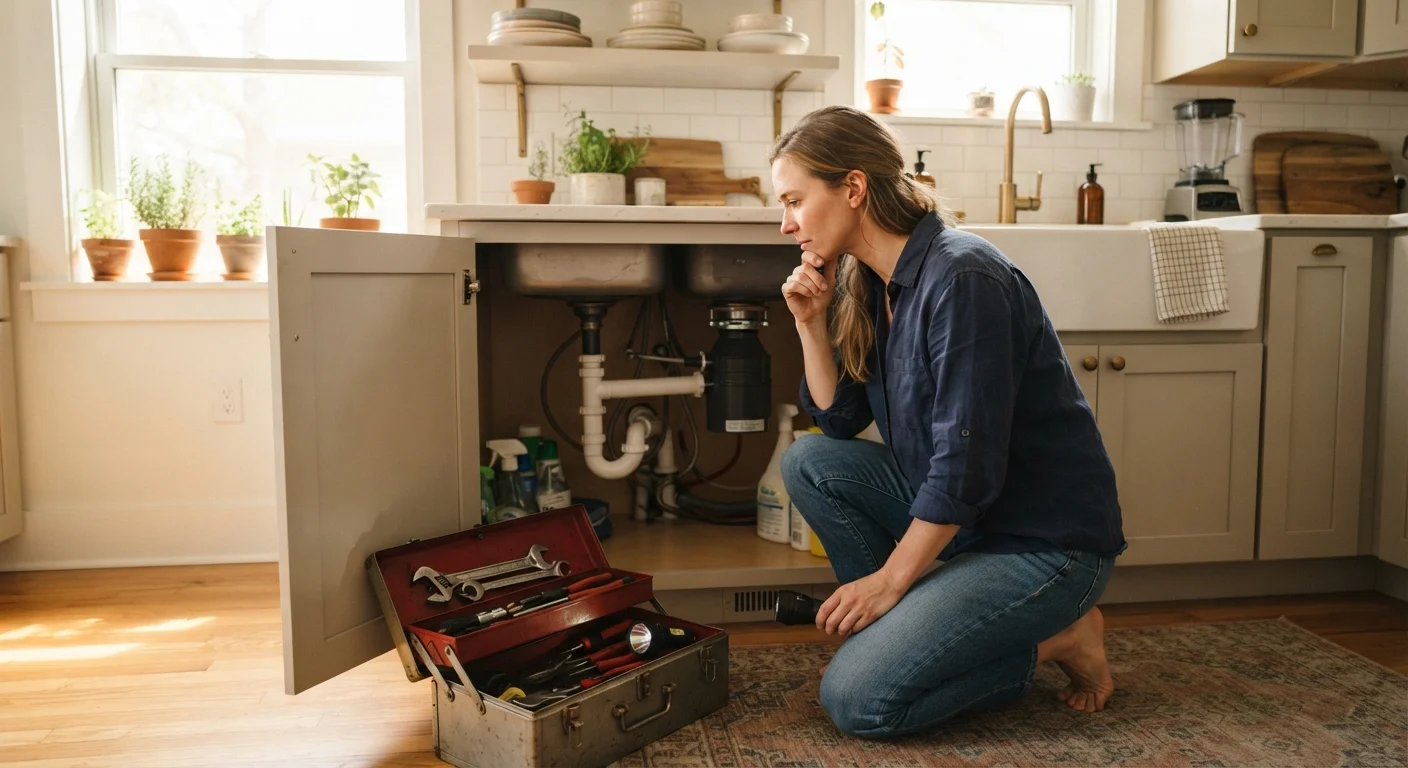
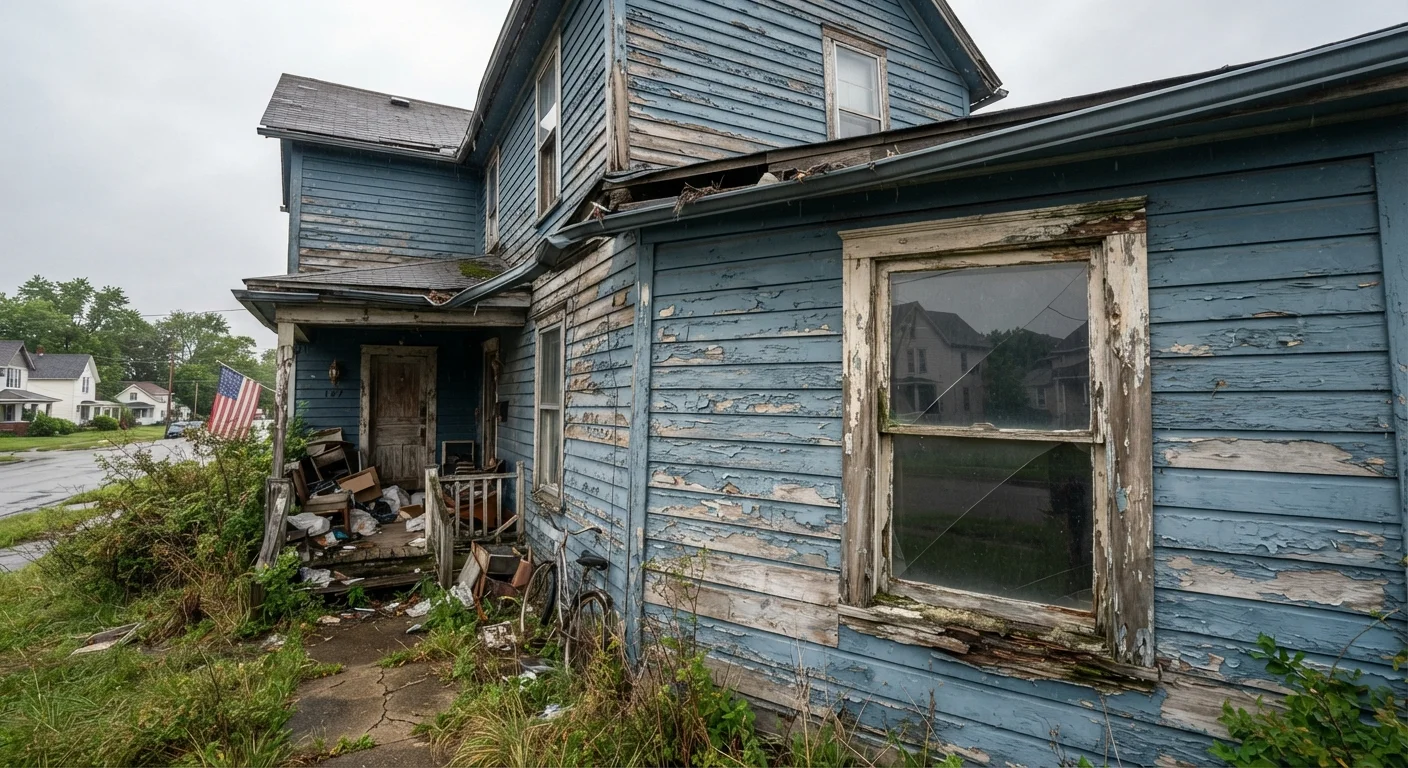
Water is typically the most destructive force in residential construction. A slow drip under a bathroom sink can saturate a cabinet floor, migrate into subfloor framing, and create conditions for mold within weeks. A compromised roof flashing - often just a bent or cracked metal strip - can direct water into wall cavities for months before interior staining makes the problem visible. By that point, drywall, insulation, and structural framing may all require replacement.
The financial math strongly favors early action. Replacing a failed caulk seal around a window costs a homeowner a modest amount of time and materials. Replacing rotted framing, sheathing, and interior finishes caused by that same failed seal can cost several thousand dollars or more. For homeowners interested in a structured approach to catching these issues before they escalate, a seasonal maintenance calendar provides a practical framework for working through inspections year-round.
Treating visible water stains as a cosmetic issue rather than a diagnostic signal.
Why it happens: A stain on the ceiling or wall, once it dries and stops spreading, feels resolved. Homeowners often paint over it rather than tracing the moisture source.
Ignoring HVAC filter and system maintenance until something stops working.
Why it happens: Heating and cooling systems are largely invisible infrastructure. Without a failure, there's little daily reminder that maintenance is overdue.
Letting gutters clog without recognizing the structural consequences.
Why it happens: Gutters are easy to forget until they visibly overflow. Most homeowners underestimate how much water a clogged gutter redirects toward the foundation, fascia, and soffit.
Postponing exterior caulk and sealant replacement around windows, doors, and penetrations.
Why it happens: Caulk failure is gradual and doesn't trigger an obvious event. Hairline cracks and shrinkage are easy to overlook during a casual walkthrough.
Delaying minor plumbing repairs such as slow drains, running toilets, or dripping fixtures.
Why it happens: These issues feel tolerable because they don't cause immediate disruption. A toilet that runs intermittently still flushes; a slow drain still drains.
The Hidden Costs Beyond the Repair Bill
Deferred maintenance carries costs that extend beyond the immediate repair itself. Insurance complications are one underappreciated risk: if an insurer's inspection reveals long-standing neglect as the root cause of damage, a claim may be denied or reduced. Most homeowner policies cover sudden and accidental damage, not damage resulting from gradual deterioration an owner could reasonably have addressed.
Neglect Can Void Insurance Coverage
Most standard homeowner insurance policies explicitly exclude damage resulting from gradual deterioration or lack of maintenance. If an adjuster determines that a problem - such as a roof leak or foundation seepage - developed over time and could have been addressed earlier, the claim may be denied in full. Document your maintenance activities and address known issues promptly to protect your coverage.
Resale value is another significant exposure. Buyers and their home inspectors are specifically trained to identify deferred maintenance, and a report full of systemic issues - aging HVAC, deteriorating roof, failed seals - almost always translates to renegotiated pricing or deal fallout. Lenders appraising a property for refinancing can reach similar conclusions.
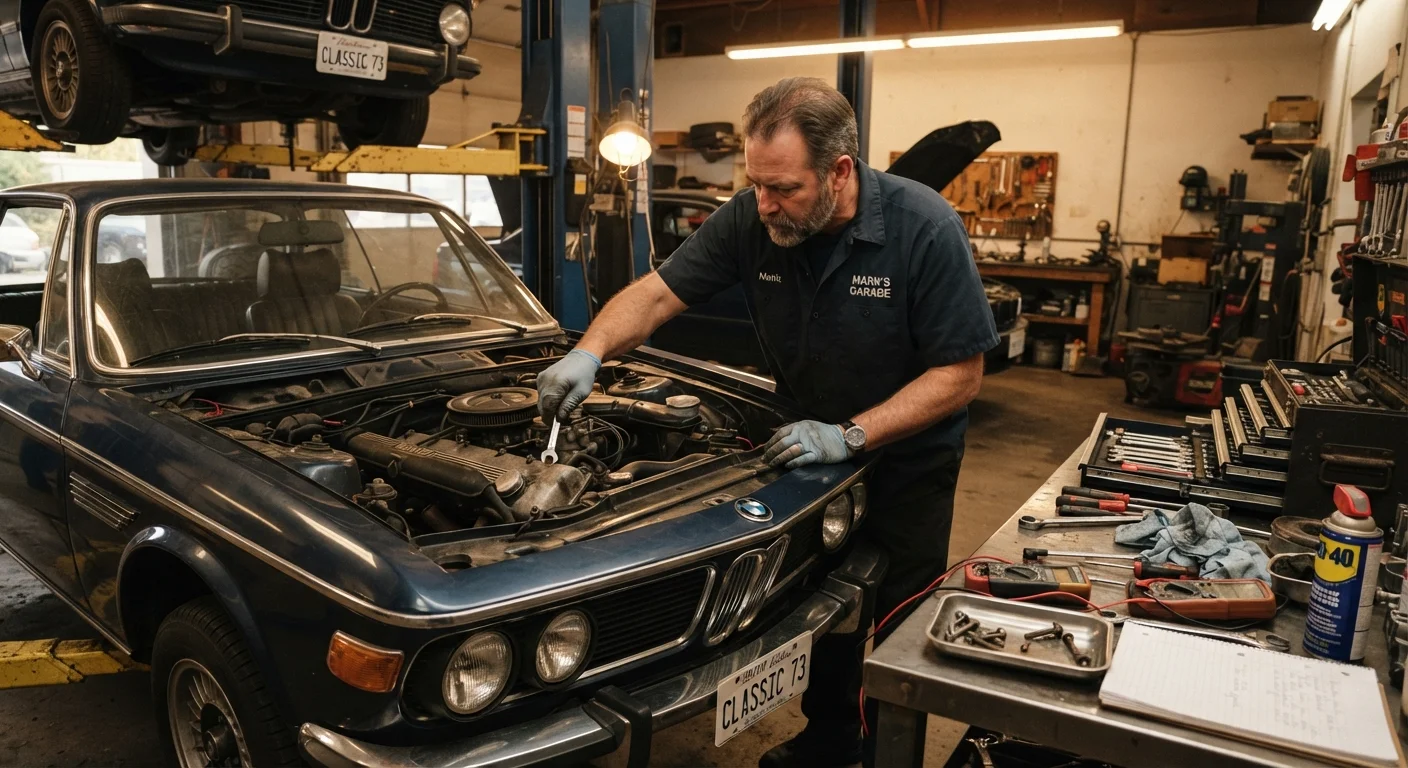
The principle applies beyond homes as well. In vehicles, deferred oil changes and neglected fluids create cascading engine wear in ways that closely mirror how water damage compounds in a house - a pattern worth understanding for anyone managing multiple assets. What typically goes wrong when routine maintenance is skipped follows the same logic of compounding neglect.
1%-4%
Recommended annual home maintenance budget as share of home value
Housing industry professionals and financial planners commonly suggest budgeting between 1% and 4% of a home's value annually for maintenance and repairs, depending on age and condition.
10x+
Cost multiplier when maintenance is deferred
Construction and insurance industry estimates consistently show that repairs delayed until failure occur can cost ten times or more what early intervention would have required.
For homeowners uncertain about which tasks to handle themselves and which require a licensed professional, a practical framework for evaluating home repairs can help clarify those boundaries - particularly for work involving electrical, plumbing, or structural systems where safety and code compliance are at stake.
Permits and Licensed Trades Are Not Optional
Certain repairs - particularly those involving structural framing, electrical systems, plumbing connections to mains, or roofing - typically require permits and licensed contractors under local building codes. Unpermitted work can complicate home sales, void warranties, and create liability. Always verify local requirements with your municipality before beginning significant repairs, and consult a licensed professional for work that carries safety or code implications.