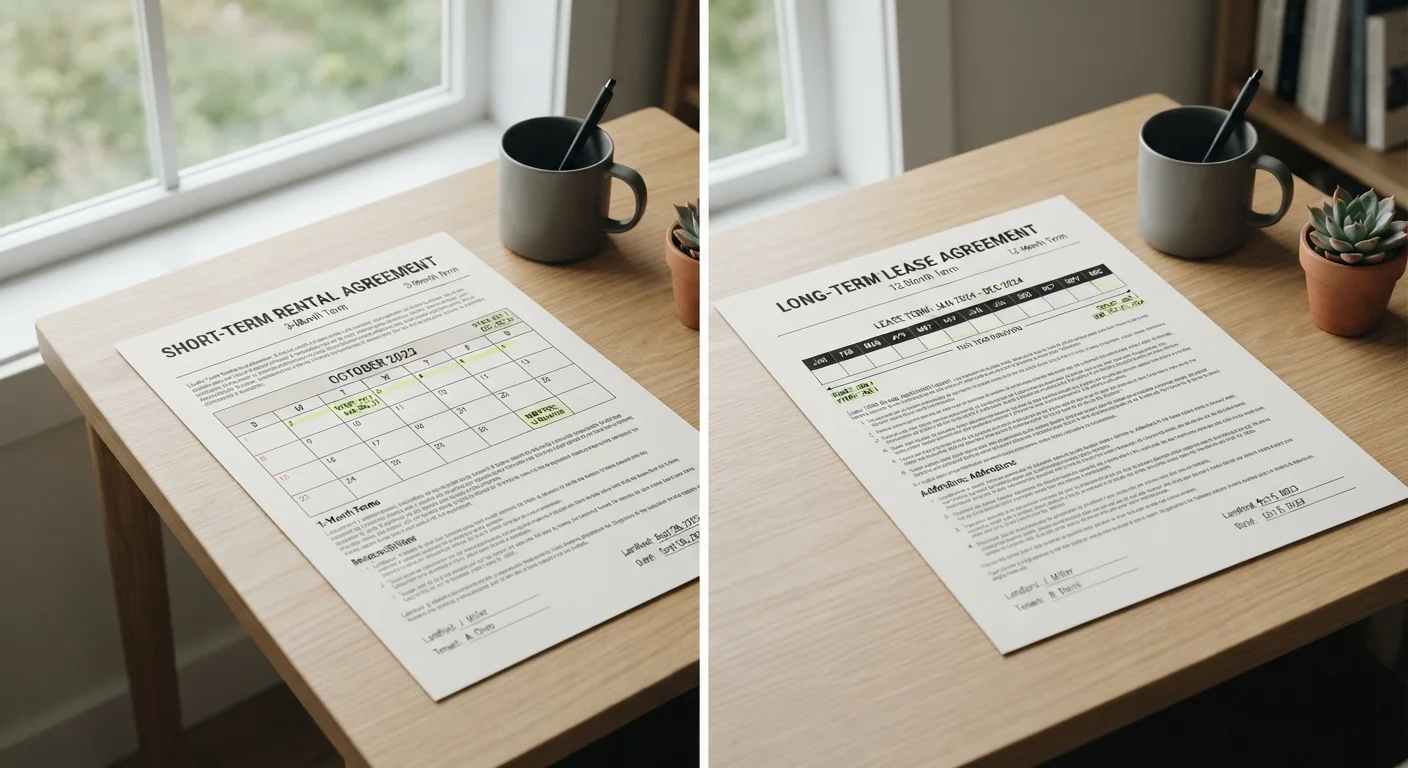
Why Lease Language Deserves More Attention Than It Gets
Most renters spend more time researching a new television than reviewing their lease - yet the lease is a multi-thousand-dollar legal commitment that governs where they live. A standard residential lease can run 10 to 20 pages, and the clauses that matter most are rarely at the top.
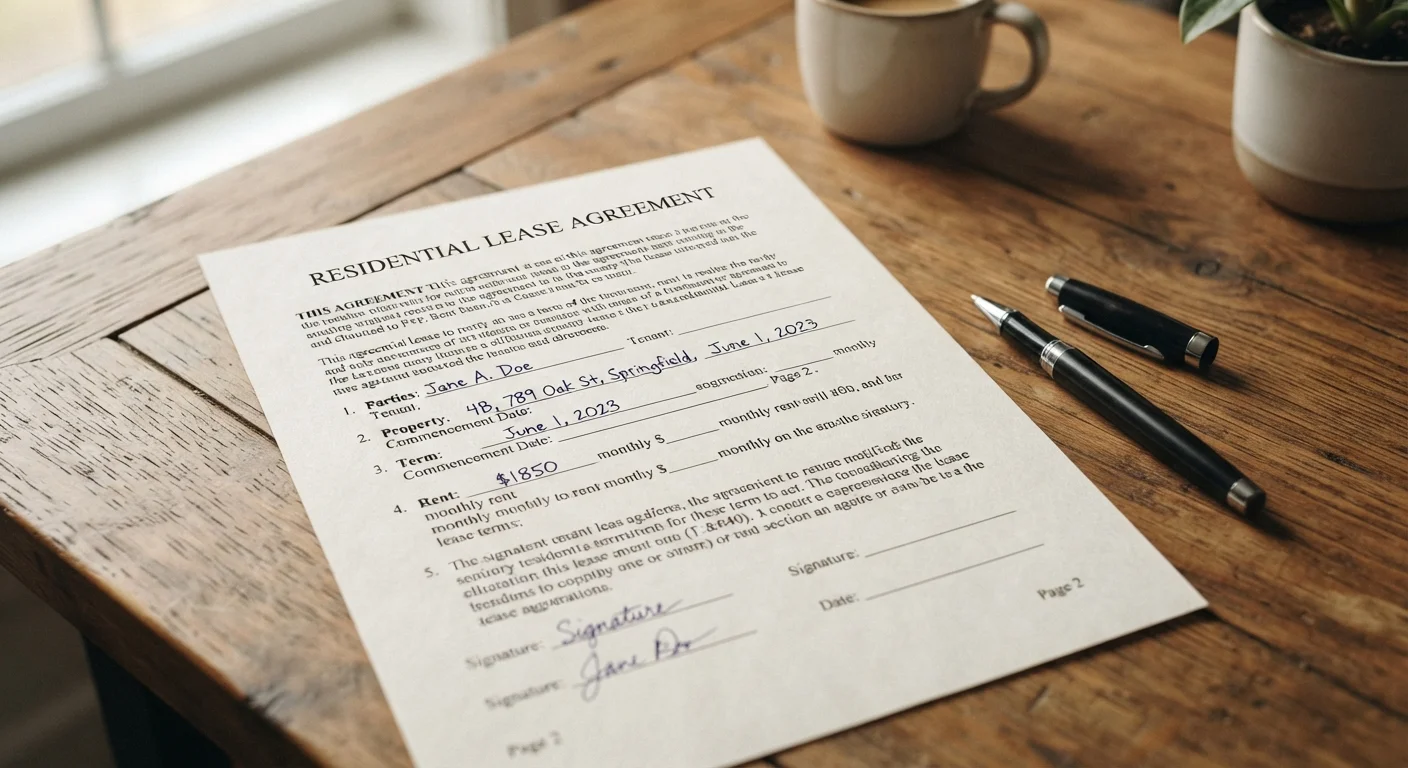
A lease is not a formality. It is a binding contract enforceable in court, and it defines your financial exposure in scenarios that may feel unlikely now - early departure, property damage disputes, unexpected rent increases on renewal, or landlord entry without notice. Understanding what you are agreeing to before you sign is the single most effective way to protect yourself as a tenant. If you are approaching your first rental, Renting Your First Apartment: What No One Tells You Before You Sign provides essential context on the full process.
Read the Lease in a Quiet Setting
Never review a lease under time pressure at the property. Ask for a digital or physical copy to review at home. Take notes, flag confusing clauses, and compare the lease against your state's landlord-tenant law summary, which most state attorneys general offices publish online for free.
It is also worth knowing that certain lease clauses are simply unenforceable under state law, regardless of what they say. Familiarizing yourself with your state's landlord-tenant statute - available through most state attorneys general websites - gives you a baseline for evaluating any clause you encounter. Common misconceptions about what leases can and cannot require are explored in Rental Market Myths That Cost Tenants Money.
The Clauses That Cause the Most Disputes
Lease disputes between tenants and landlords tend to cluster around a predictable set of provisions. Knowing these in advance allows you to read those sections with extra scrutiny.
Verbal Promises Are Not Legally Binding
If a landlord makes a verbal commitment - to repaint the unit, waive a pet fee, or fix a broken appliance - it is not enforceable unless it is written into the lease or a signed addendum. Before signing, insist that any agreed-upon modifications appear in the document itself. Once you sign the lease as written, courts generally uphold the written terms over any verbal agreement.
- Security deposit conditions: Vague descriptions of what constitutes damage - versus normal wear and tear - are a leading source of move-out disputes. The clearer this section, the better.
- Rent increase provisions: Some leases, particularly those converting to month-to-month, include language permitting rent increases with limited notice. Know the floor and the ceiling.
- Lease assignment and subletting: If your circumstances change and you need to sublet or transfer the lease, a blanket prohibition could leave you liable for rent you can no longer pay.
- Pest control responsibility: Leases occasionally assign pest control entirely to the tenant. In most jurisdictions, landlords are required to maintain pest-free habitability - but documentation matters.
- Attorney's fees provisions: Some leases include one-sided clauses requiring tenants to pay the landlord's legal fees in any dispute. Many states limit or prohibit these provisions.
Waiver-of-Rights Clauses Can Be Deceptive
Some leases include language that asks tenants to waive statutory rights - such as the right to receive proper notice before entry, or the right to pursue habitability claims. In many states, these clauses are unenforceable, but they can still intimidate uninformed tenants into compliance. If you see language that asks you to 'waive any and all claims' broadly, consult a local tenant rights organization or legal aid office before signing.
Before you sign, confirm the tools available to help you. Below is what you should have on hand.
State Attorney General's Landlord-Tenant Guide
Provides a plain-language summary of your state's rental laws, including required disclosures, deposit limits, and notice rules.
Local Legal Aid Organization
Offers free or low-cost legal review for tenants who have questions about specific lease language or suspect unfair terms.
Digital PDF Annotator or Highlighter
Allows you to mark, comment on, and track flagged clauses across long lease documents for easy reference.
What to Do If You Find Problematic Language
Finding a clause that concerns you does not automatically mean the landlord will refuse to negotiate. Many landlords use template leases and may be open to striking or modifying specific language, particularly for well-qualified tenants. Document every request and every response in writing.
If the landlord declines to modify a provision that you believe violates state law, your options include declining to sign, proceeding with the understanding that the clause may be unenforceable, or consulting a local tenant rights organization or legal aid office for a formal assessment. Never assume a clause is harmless simply because it is printed in an official-looking document.
Once you have reviewed the lease thoroughly and negotiated any necessary changes, you are in a strong position to sign with confidence - and to hold your landlord accountable to the same document throughout the tenancy.
This article is for general informational and educational purposes only and does not constitute legal advice. Landlord-tenant laws vary by state and locality. Consult a licensed attorney or local legal aid organization for guidance specific to your situation.