How Security Deposits Work
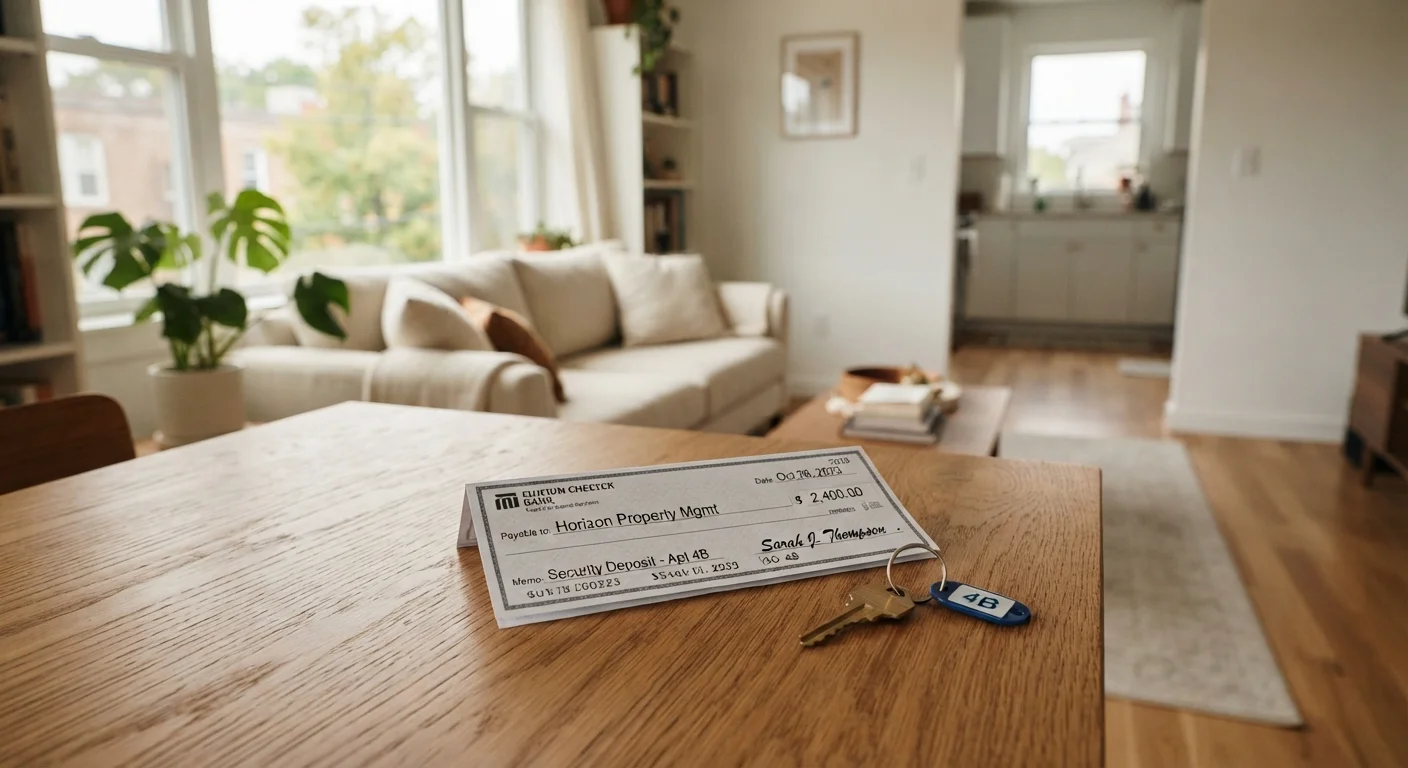
When you sign a lease, your landlord will typically ask for a security deposit alongside first month's rent. This money is held in trust for the duration of your tenancy. It is not income for the landlord - it remains your money unless the landlord has a legally valid reason to keep part or all of it after you move out.
State law governs nearly every aspect of the deposit process: how much can be collected, where the funds must be held, what written notice landlords must provide, and how quickly they must return it. Because rules differ significantly from state to state, tenants should familiarize themselves with their own jurisdiction's landlord-tenant statute. Many state attorneys general publish plain-language summaries online.
If you're curious how deposit rules compare to other upfront payments in real estate, see our explainer on how earnest money works, which serves a structurally similar but legally distinct purpose for homebuyers.
14-30
Days most states allow for deposit return
State landlord-tenant statutes set varying deadlines; tenants should verify the specific rule in their state.
2-3×
Penalty multiplier for wrongful withholding
Several states, including California and Washington, allow courts to award tenants two to three times the withheld deposit when landlords act in bad faith.
1-2 months
Typical statutory deposit cap
Many states limit security deposits to one or two months' rent, though specific caps vary widely by jurisdiction.
What Landlords Can - and Cannot - Deduct
The most common disputes over security deposits come down to one question: is this damage the tenant's responsibility, or normal wear and tear?
Legitimate Deductions
- Unpaid rent or fees explicitly authorized in the lease
- Damage beyond normal use - large holes in walls, broken doors, stained carpet from pet accidents, or missing fixtures
- Cleaning costs if the unit is left significantly dirtier than its move-in condition
- Unauthorized alterations the tenant was not permitted to make
Prohibited Deductions
- Repainting walls due to normal fading over time
- Replacing carpet that has simply aged through ordinary use
- Fixing minor nail holes from hanging pictures
- Pre-existing damage the tenant did not cause
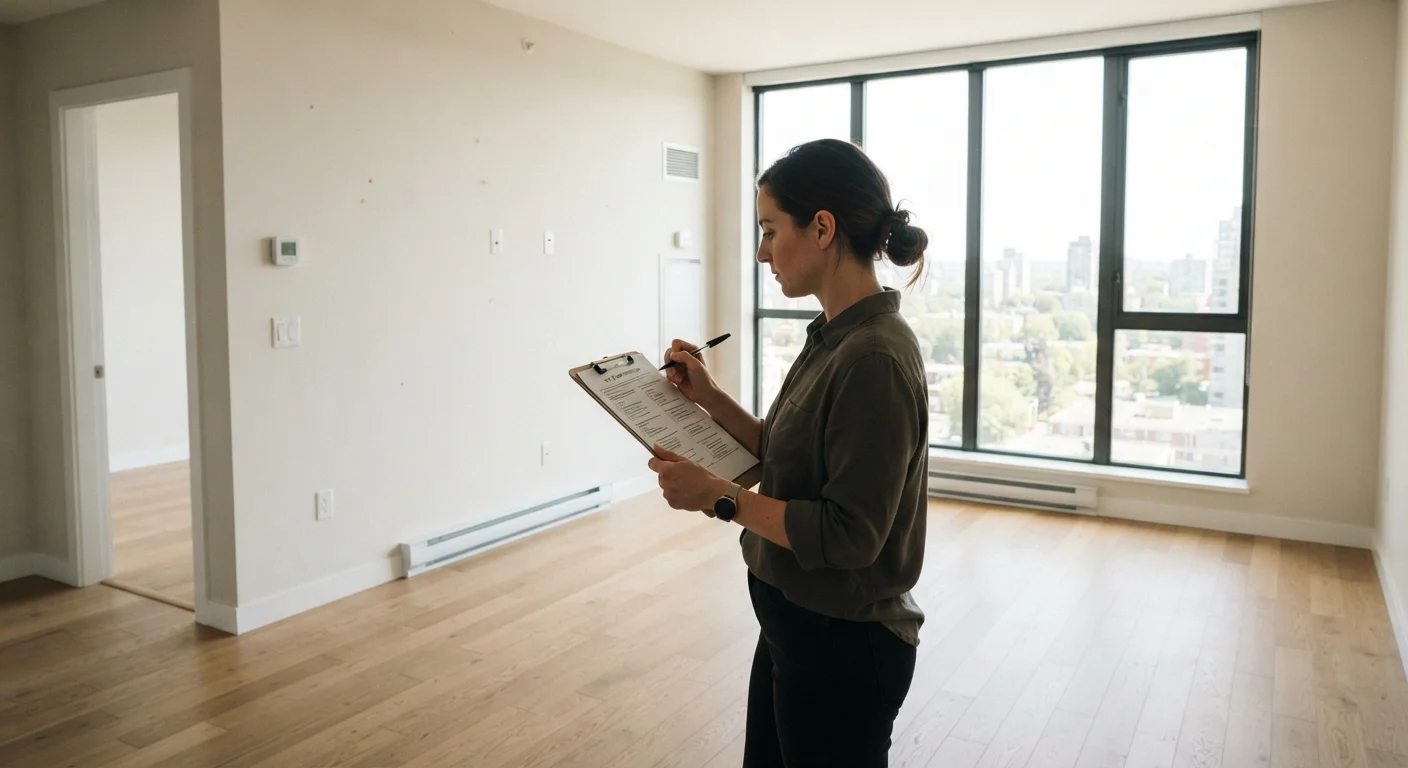
This distinction is why documenting the unit's condition at move-in is so important. Our room-by-room move-in checklist provides a systematic way to record the unit's state on day one, which can be decisive if a dispute arises later.
Document Everything on Move-In Day
Take time-stamped photos and video of every room, noting any existing damage in writing on a move-in checklist. Ask your landlord to sign it, and keep a copy for yourself. This record is your strongest protection if a deposit dispute arises at move-out. Our room-by-room checklist can help you stay systematic.
Deposit Return Rules and Tenant Remedies
After you vacate, your landlord is required by law to return your deposit - along with an itemized written statement of any deductions - within the timeframe set by your state. Common deadlines range from 14 days (states like Massachusetts and Wisconsin) to 30 days (states like Texas and Florida), with some states allowing up to 45 days.
If a landlord fails to return the deposit on time or provides no written itemization, many states impose automatic penalties. In California, for example, a landlord who wrongfully withholds a deposit in bad faith can be ordered to pay twice the deposit amount as a punitive award. Similar two- or three-times damages provisions exist in states including Washington, Georgia, and New York.
Deposit Rules Vary Significantly by State
There is no single federal security deposit law in the United States. Each state sets its own rules on deposit caps, holding requirements, return deadlines, and penalty structures. Some cities and counties have additional local ordinances that are even more protective of tenants. Always verify the law that applies to your specific address - your state attorney general's office or a local tenant rights organization is a reliable starting point.
If your landlord does not comply, your first step should be a written demand letter citing your state's statute and giving a clear deadline - typically seven to ten days - for the landlord to respond. If that fails, small claims court handles most security deposit disputes efficiently, and filing fees are generally modest. Keep copies of your lease, move-in documentation, move-out photos, and all written communication.
Understanding your broader tenant rights matters throughout your tenancy, not just at move-out. Our article on landlord entry rules covers another area where tenants frequently have more legal protection than they realize.
This article is for general informational purposes only and does not constitute legal advice. Security deposit laws vary by state and locality. Consult a qualified attorney or tenant advocacy organization for guidance specific to your situation.