
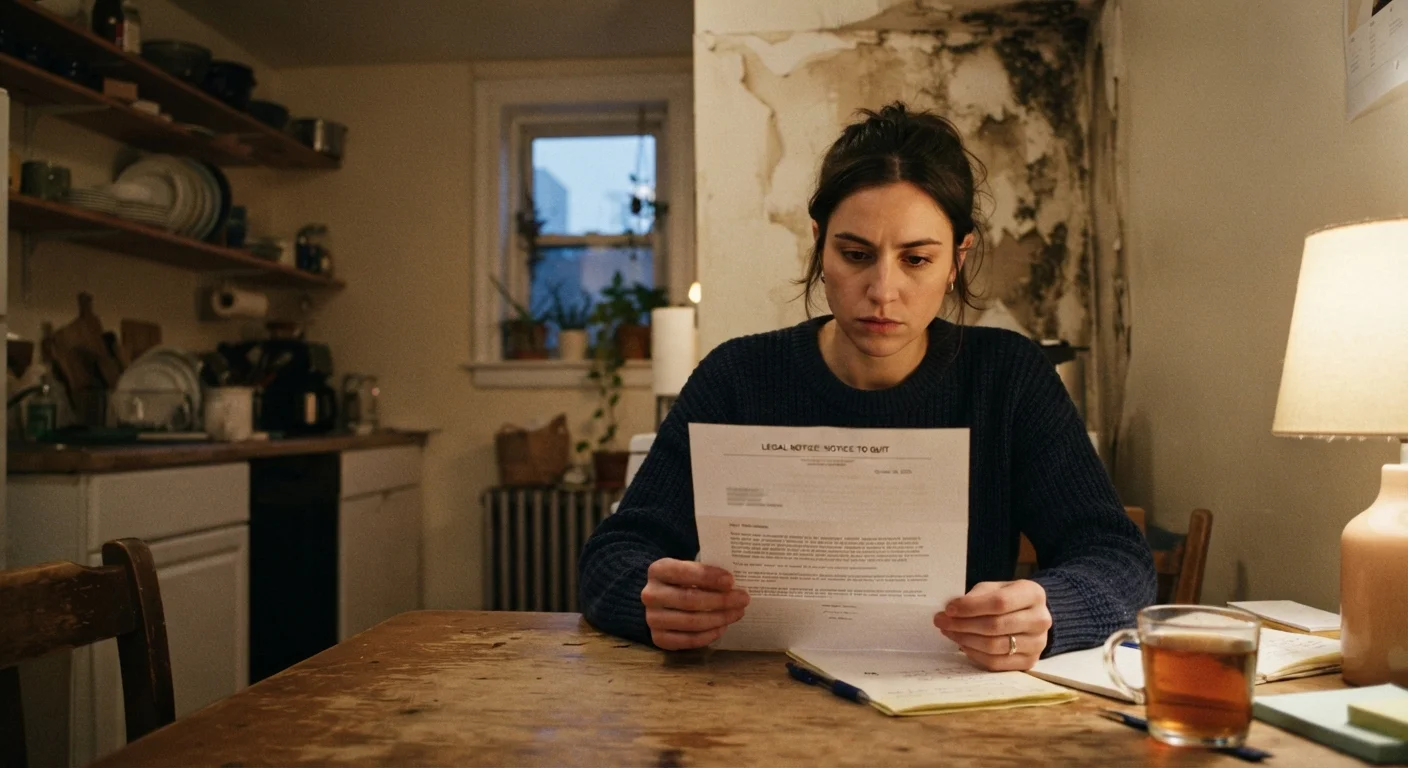
Your Legal Foundation: The Implied Warranty of Habitability
Nearly every US state imposes an implied warranty of habitability on residential landlords. This legal doctrine requires that a rental unit remain safe, sanitary, and structurally sound throughout the tenancy - regardless of what a lease says to the contrary. Covered conditions typically include functioning heat and hot water, a weatherproof roof and walls, working plumbing and electricity, and freedom from vermin infestations.
When a landlord fails to address conditions that breach this warranty, tenants are not simply left to complain and wait. The law provides escalating remedies designed to compel action. For a broader overview of these protections, see Tenant Rights Every US Renter Should Know.
Understanding where you stand legally before taking any action is essential. Tenant remedies are highly state-specific - what is permitted in California or New York may not be available in every state, and acting without knowing local rules can unintentionally weaken your position.
What you will need
Step-by-Step: What to Do When Repairs Are Ignored
Follow these steps in order. Each one builds the documentation and legal standing needed for the next.
Document the Condition Thoroughly
Before contacting your landlord, create a clear record of the problem. Take dated photographs and video of the issue. Note when the problem first appeared and how it has progressed. If the condition poses a health or safety risk - mold, no heat in winter, sewage backup - write that down explicitly.
Submit a Written Repair Request
Send a formal written notice to your landlord - not just a text message - describing the problem, the date it was first reported (if verbally), and a reasonable deadline for repair. Send via certified mail with return receipt requested, or email with read-receipt enabled, so delivery is provable. Keep a copy of everything you send.
Review Your Lease and State Law
Check your lease for any maintenance and repair clauses, then cross-reference your state's landlord-tenant statute. Most state attorney general websites publish plain-language summaries. Pay attention to required notice periods, permitted tenant remedies, and any procedural steps that must be followed in sequence.
Contact Your Local Housing Authority or Code Enforcement
If the landlord has not responded within the deadline you set, file a complaint with your city or county housing inspection office. A code enforcement officer can inspect the unit and issue a formal violation notice to the landlord. This official record significantly strengthens any future legal action and often prompts landlords to act quickly.
Seek Legal Aid or Tenant Advocacy Support
If repairs remain unaddressed after a code violation is issued, contact a local legal aid organization or tenant rights clinic. Many offer free consultations and can advise you on which formal remedies - rent escrow, repair-and-deduct, or others - are available in your jurisdiction and how to pursue them safely.
Do Not Stop Paying Rent Without Legal Guidance
Unilaterally withholding rent without following your state's specific procedural requirements can result in eviction and a judgment for unpaid rent - even if the landlord is clearly in the wrong. Always consult a tenant attorney or legal aid organization before withholding or redirecting rent payments. The steps above are designed to build a legal record before any such remedy is attempted.
When the Problem Persists: Stronger Legal Remedies
If the steps above do not produce action, several more formal remedies may be available depending on your state.
Rent Escrow
Some states allow tenants to pay rent into a court-supervised escrow account rather than directly to the landlord. The funds are held until the landlord makes required repairs, at which point the escrowed rent is released. This remedy requires a court filing and a judge's approval - it is not a unilateral decision a tenant can make alone.
Rent Withholding
A smaller group of states permit tenants to withhold rent entirely until habitability conditions are corrected. This carries significant legal risk: if a court finds the conditions did not legally justify withholding, the tenant may owe back rent and face eviction. Never withhold rent without first consulting a tenant attorney or legal aid organization.
Repair-and-Deduct
Roughly half of US states permit tenants to hire a licensed contractor to make essential repairs themselves and deduct the cost from rent - typically capped at one month's rent. Strict procedural requirements apply, including providing advance written notice to the landlord. Rental Market Myths That Cost Tenants Money addresses common misconceptions about what verbal or informal agreements can substitute for these formal processes.
Anti-Retaliation Protections Apply to You
Most US states prohibit landlords from retaliating against tenants who report habitability violations - through rent increases, eviction notices, or reduced services. If you believe your landlord is retaliating after you filed a complaint, document the timing carefully. A retaliatory action taken within a legally defined window after a complaint is often presumed unlawful, placing the burden on the landlord to prove otherwise.
Constructive Eviction
If conditions are so severe that the unit is genuinely uninhabitable and the tenant is forced to leave, some states recognize constructive eviction - allowing the tenant to terminate the lease without penalty and potentially sue for damages. This is a high legal bar requiring clear evidence.
This article provides general legal information for educational purposes only and is not legal advice. Tenant rights and landlord obligations vary by state and locality. Consult a licensed attorney or local legal aid organization for guidance specific to your situation.