Why Safari Planning Deserves Its Own Checklist
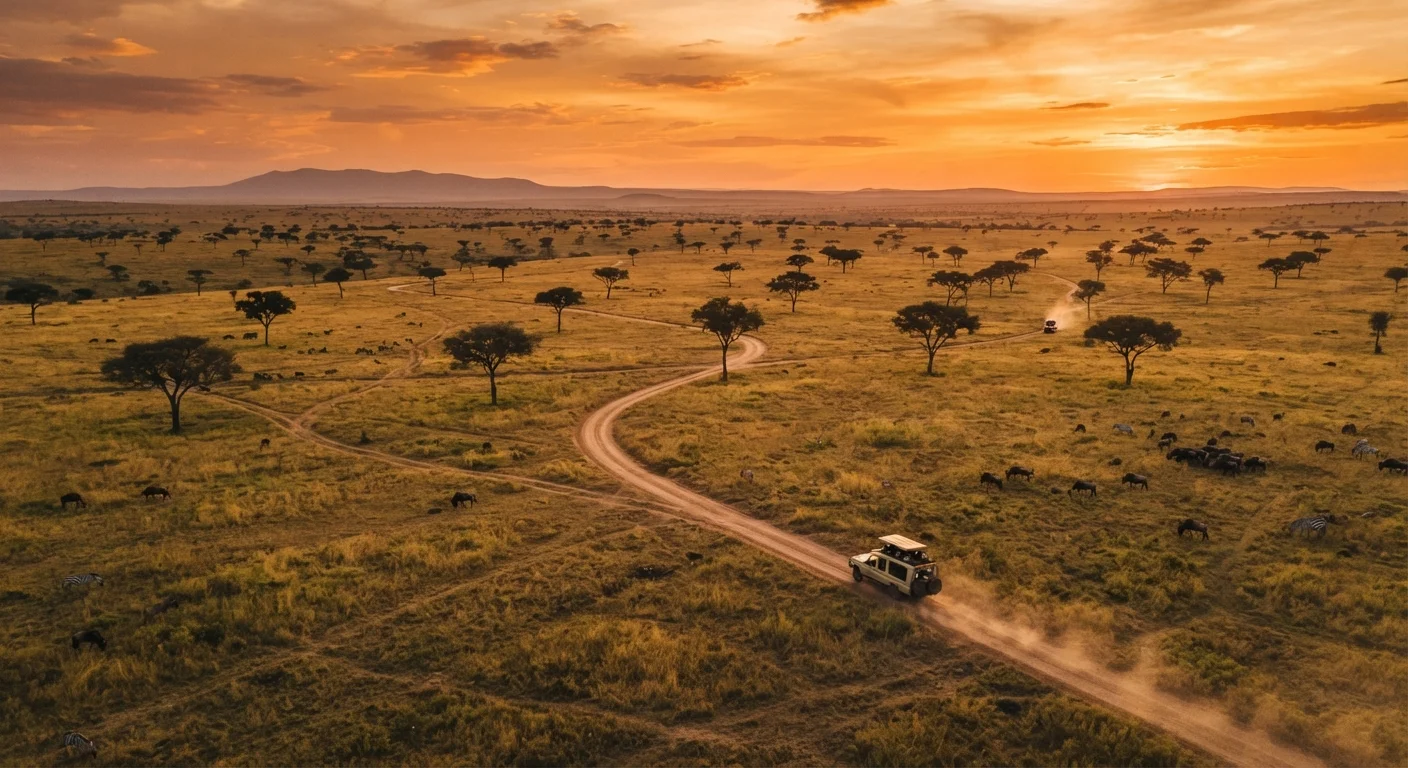
A safari isn't a typical vacation. It involves crossing international borders-often multiple countries in one trip-navigating health requirements that differ from standard travel, and making destination choices that have real consequences for what you'll actually see and experience. Getting these decisions right before you commit to bookings is the difference between a trip that delivers and one that disappoints.
Unlike a city break where you can improvise, safari itineraries are largely locked in once deposits are paid. Game drives happen at fixed times, lodges may be hours from the nearest town, and park regulations are enforced. That's not a reason to avoid it-it's a reason to prepare thoughtfully. This checklist is designed to help you ask the right questions before any money changes hands.
For a broader look at how trip planning comes together from start to finish, see The Anatomy of a Well-Planned Trip. And if you want a comprehensive pre-departure review once bookings are made, this pre-trip planning checklist covers documents, logistics, and health prep in detail.
Timing and Season
Destination and Experience Type
Entry Requirements and Documentation
Health Preparation
Budget and Hidden Costs
What to Verify Before Departure
Once your safari is booked, a second round of verification becomes essential. Entry requirements-including visa-on-arrival eligibility, passport validity rules, and yellow fever certificate requirements-can and do change. Check official government sources (your country's foreign affairs department and the destination country's immigration authority) within 30 days of travel, not just at the time of booking.
Entry Requirements Can Change After Booking
Visa rules, vaccination certificate requirements, and border conditions can shift between when you book and when you travel. Do not rely solely on the information available at the time of booking. Recheck official government sources and your destination country's immigration authority within 30 days of departure. Your tour operator may not automatically notify you of regulatory changes.
Health preparation is equally time-sensitive. Some antimalarial regimens begin days or weeks before arrival, and certain vaccinations require multiple doses spread over weeks. A travel medicine clinic can assess your specific itinerary and health history-this is not something to handle with a quick internet search.
Packing for a safari also has its own logic. Many lodges and charter flights impose strict weight limits on luggage (commonly 15-20 kg, sometimes in soft-sided bags only). Neutral-colored clothing is practical for game drives; many parks discourage or prohibit bright colors and camouflage patterns. Confirm these specifics with your operator or lodge before you pack.
For a structured review of what to check in the days before any international departure, Before You Land walks through documents, finances, and logistics. Seasoned travelers add a few more habits to their routine-see what experienced travelers do before a big trip for perspective on what's worth adding to your process.
Official Government Travel Advisory Site
Check current entry requirements, safety advisories, and health notices for each country on your itinerary.
Travel Medicine Clinic
Get personalized vaccination and antimalarial guidance from a qualified healthcare provider before departure.
Destination National Park Authority Website
Verify current park fees, permit requirements, seasonal closures, and wildlife regulations directly from official sources.
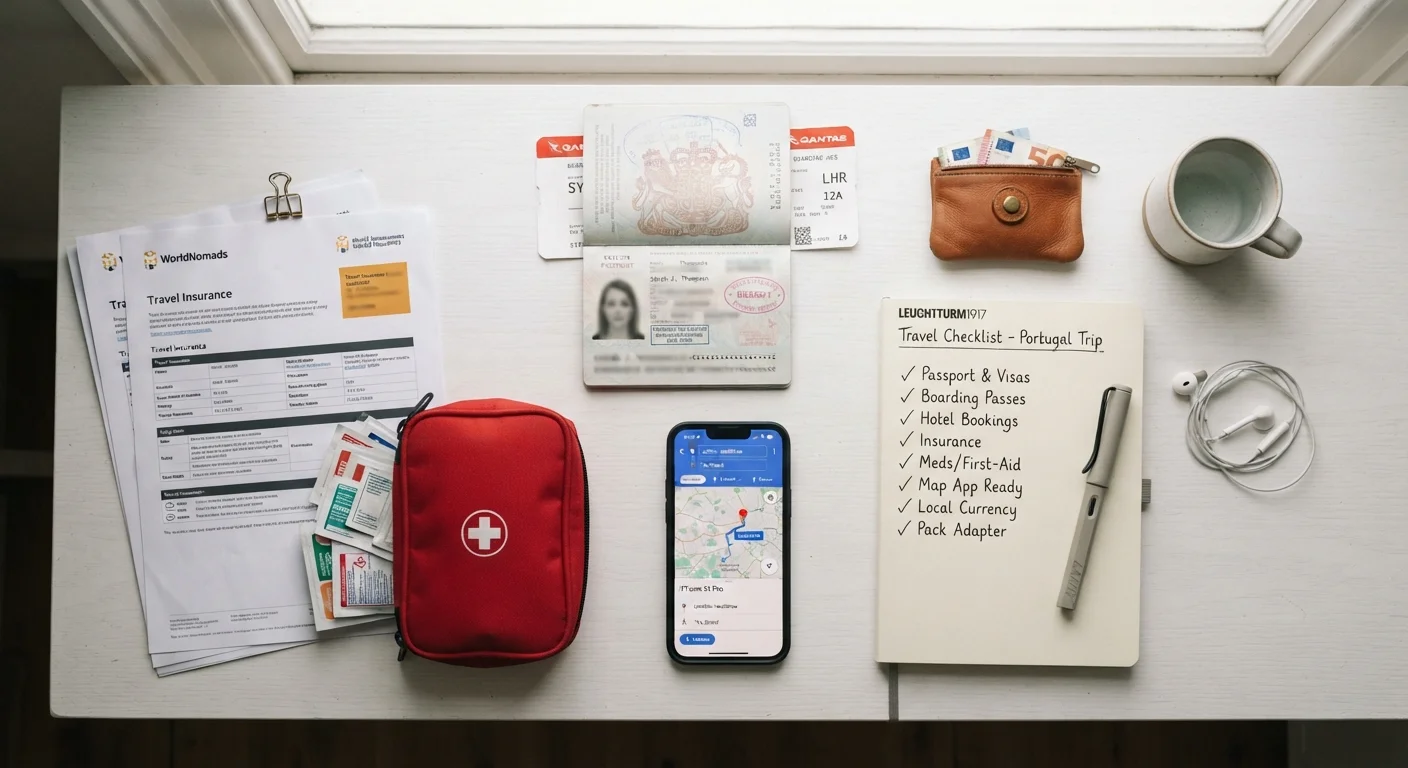
Travel Insurance Policy Documentation
Confirm that your policy covers medical evacuation, trip cancellation, and any adventure or wildlife activities planned.
Packing List from Your Operator or Lodge
Obtain luggage weight limits and clothing guidelines specific to your camps and charter flights before you pack.