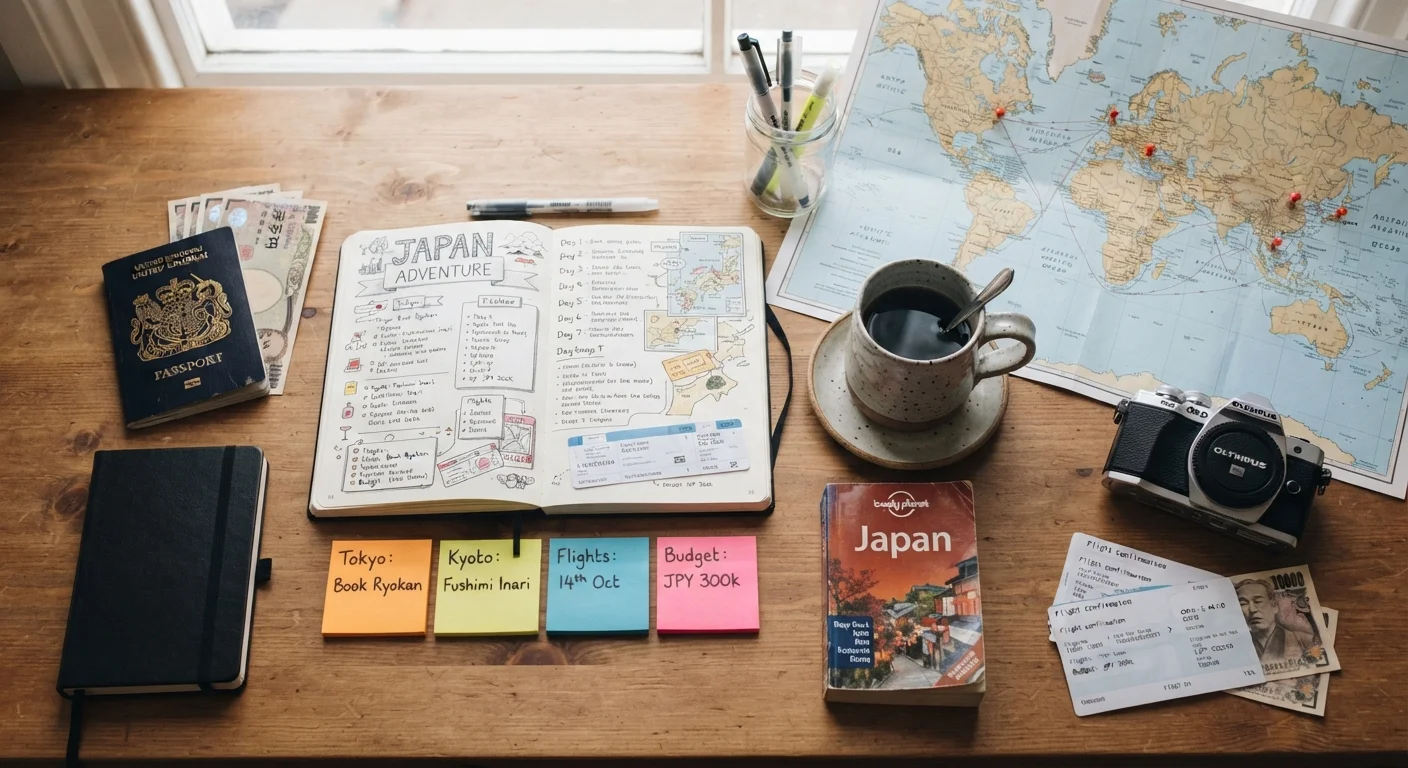
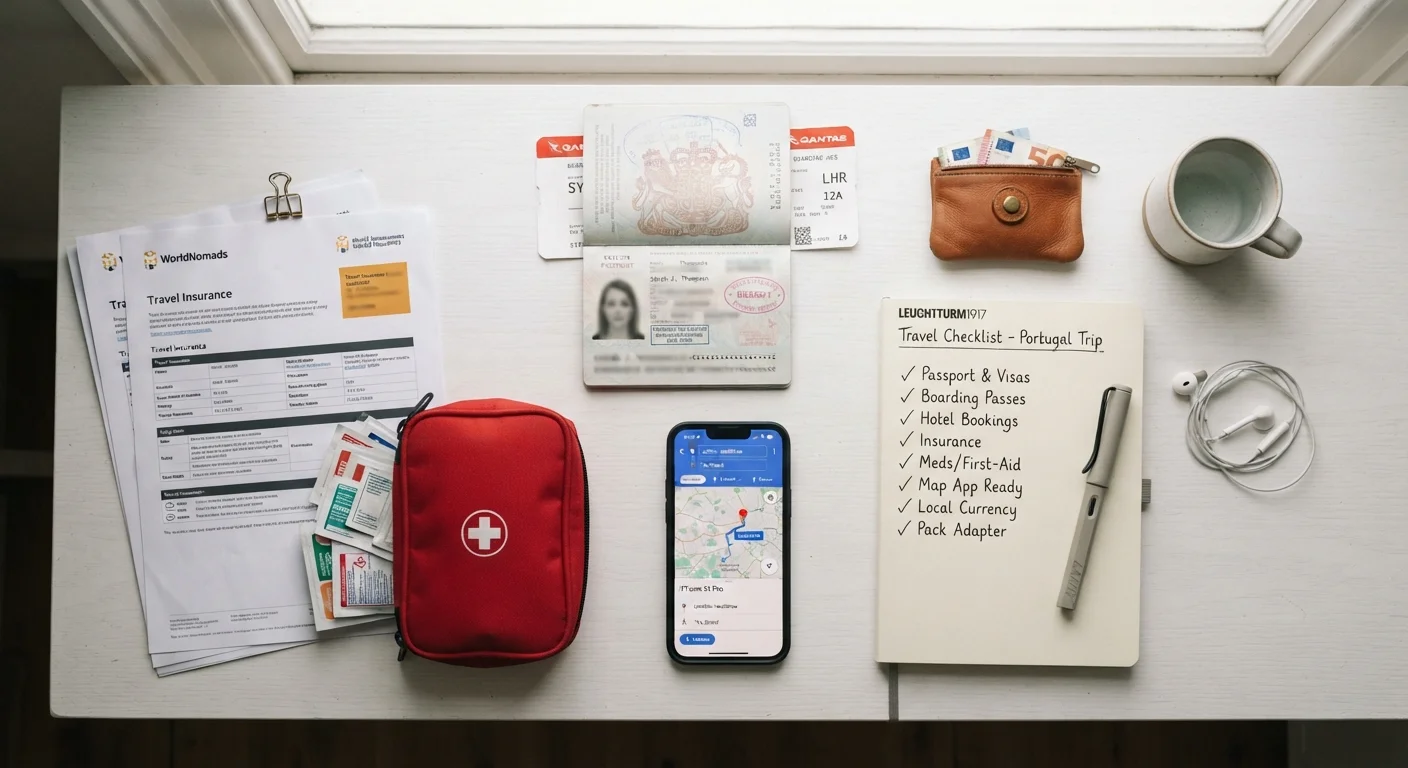
Why a Pre-Trip Checklist Matters More Than You Think
Most travel problems that happen in the first 24 hours of a trip were preventable in the 24 hours before departure. A blocked credit card at a foreign ATM, an expired passport flagged at the gate, a house left unlocked-these aren't bad luck; they're skipped checklist items.
This checklist is structured for the 72-hour window before you leave home. It covers four core categories: documents and identity, finances, health preparation, and home security. If you're also refining the broader arc of your itinerary, understanding the full planning framework can help you see where this final sweep fits in.
Work through each group below methodically. Items marked must are non-negotiable; skipping them carries real, concrete risk. Items marked should are strongly recommended for most trips. Nice-to-have items reward the prepared traveler but won't ruin your trip if skipped.
Documents & Identity
Finances & Payment
Health Preparation
Home Security & Logistics
Tools and Resources to Have Ready
Running through this checklist is faster when you have the right materials on hand. Gather these before you start.
Secure cloud storage (e.g., any major provider)
Store digital copies of your passport, visa, insurance documents, and booking confirmations where you can access them from any device.
Government travel advisory portal
Verify current entry requirements, visa rules, and health or safety advisories for every destination on your itinerary before departure.
Travel insurance policy documents
Confirm coverage details, claim contact numbers, and policy limits-keep a copy accessible offline.
Offline maps app
Download destination maps before departure so you can navigate without data or roaming charges.
Password manager
Securely store login credentials for banking, email, and travel accounts so you can access them safely from unfamiliar devices.
For solo travelers, a parallel resource worth reviewing is the solo travel safety habit guide, which covers digital backups and situational awareness that complement this checklist.
Common Mistakes That Catch Travelers Off Guard
Even experienced travelers miss steps. The following pitfalls show up repeatedly-knowing them in advance helps you avoid them.
Don't Check Documents the Morning of Departure
Discovering a passport validity issue or a missing visa at the airport leaves you with almost no options. Run your documents check at least 72 hours before your flight so you have time to act on any problems. For international trips with visa-on-arrival options, research processing times in advance-some processes take days.
Prescription Medications Require Extra Lead Time
Insurance plans often restrict early refills, so request prescription refills one to two weeks before departure rather than the night before. If you're traveling to a country with strict controlled-substance regulations, check import rules for your medications through that country's embassy or health authority-carrying certain medications without proper documentation can create serious complications at customs.
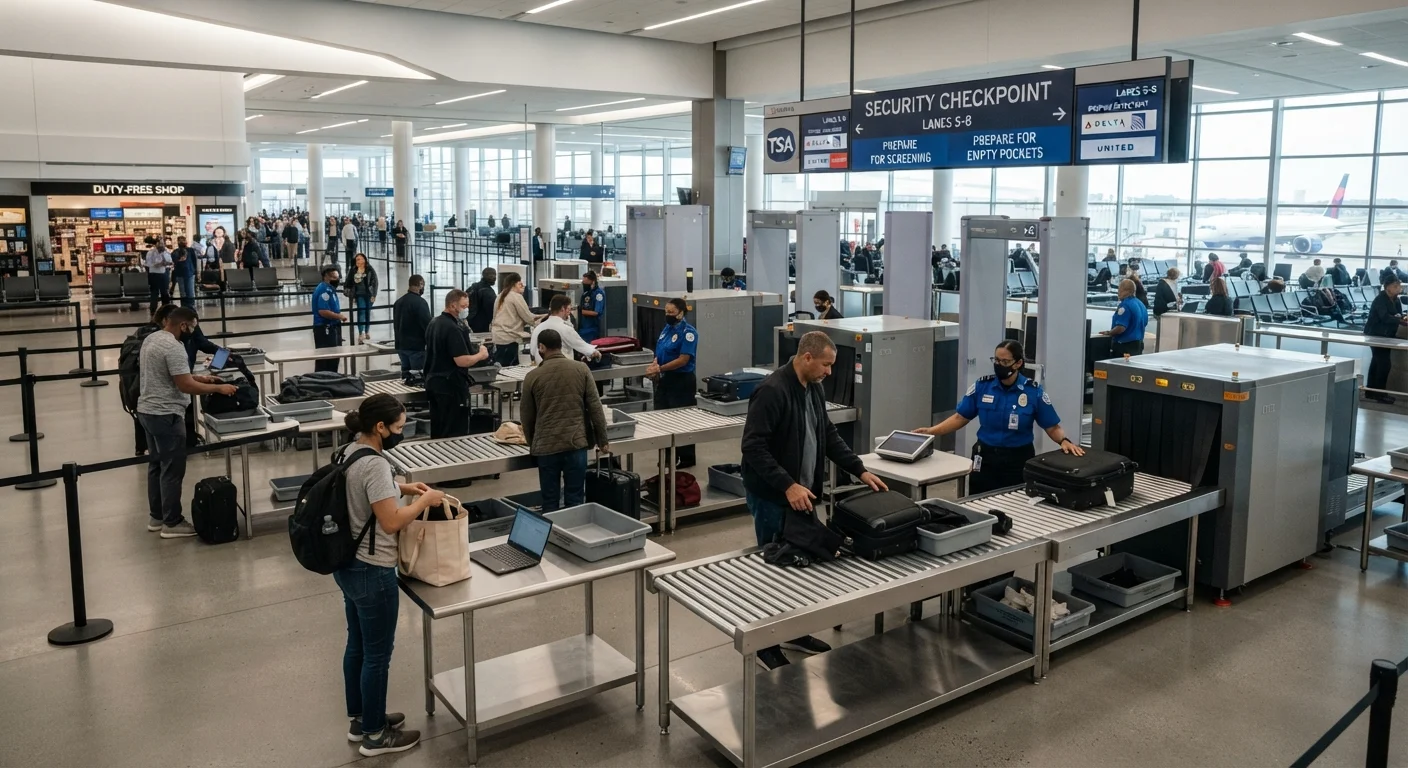
One often-overlooked area is airport security itself. If you want to move through checkpoints with less stress, review what seasoned travelers do before reaching the checkpoint. For a broader pre-departure audit covering both domestic and international travel, the comprehensive pre-trip planning checklist is a useful companion resource.
Verify Entry Requirements With Official Sources Only
Visa rules, vaccination requirements, and entry restrictions change with little notice. Always confirm current requirements directly with the official embassy, consulate, or government immigration website for your destination country-not travel blogs or third-party aggregators. Incorrect information from unofficial sources will not be accepted at the border.
This article provides general travel information and education. For destination-specific entry requirements, health advisories, and visa rules, verify current conditions directly with official government sources-such as travel.state.gov for U.S. passport holders-and consult a healthcare provider for personal health guidance before traveling.