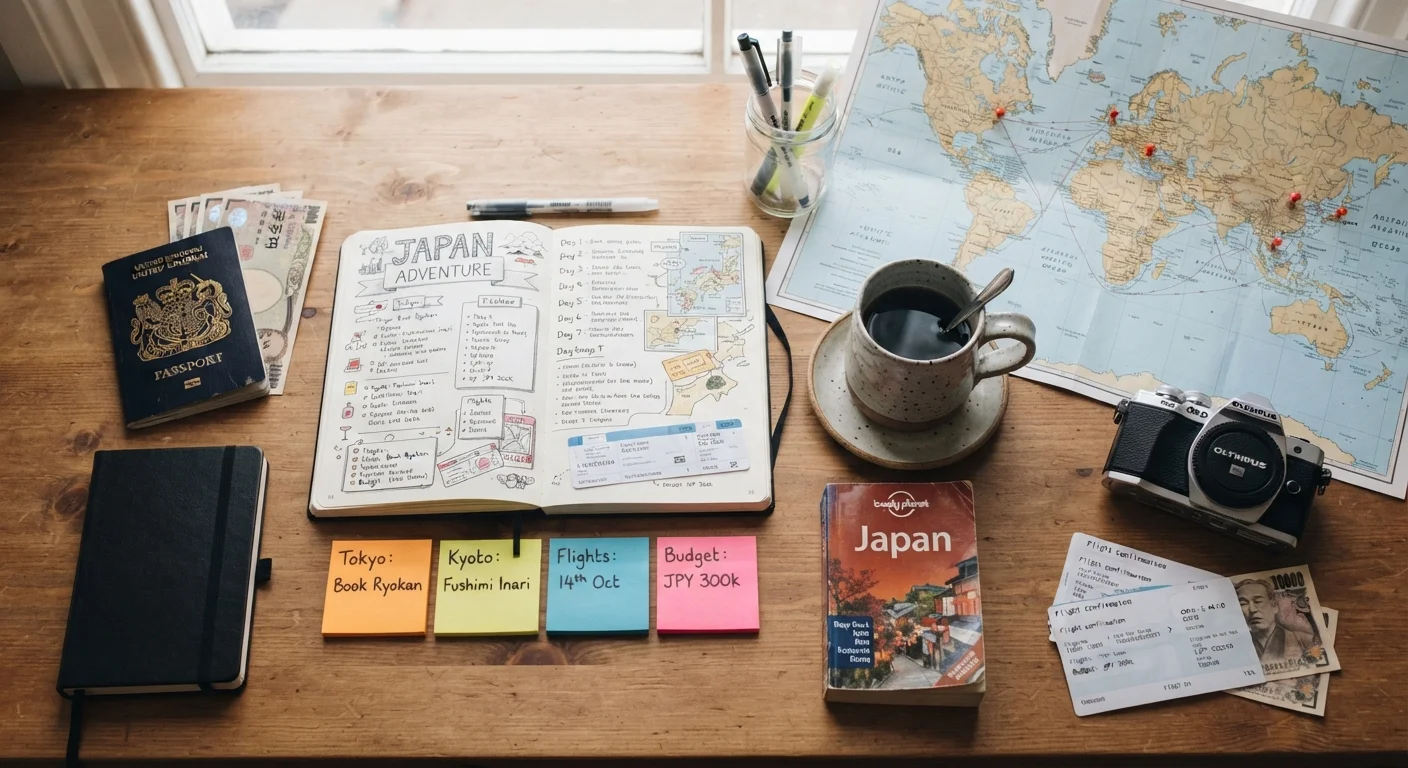

Why a Pre-Trip Checklist Saves More Than Time
Even experienced travelers benefit from running through a structured checklist before any trip-domestic or international. The stakes differ depending on destination, but the underlying principle is the same: catching a missing document, an unconfirmed booking, or an overlooked health requirement before you leave home is far easier than resolving it from a hotel lobby or airport gate.
This checklist is built to cover every major planning category, from paperwork and finances to home security and health prep. For a deeper look at how these elements fit into a larger planning process, see The Anatomy of a Well-Planned Trip. If you're heading overseas for the first time, Your First International Trip offers step-by-step context for each stage of the journey.
Passport Validity: Don't Assume You're Fine
Many countries require your passport to remain valid for at least six months beyond your intended return date-even if you're only visiting for a week. Airlines may also deny boarding if your passport doesn't meet this standard. Check your passport expiration date as soon as you begin trip planning, and allow several weeks for renewal if needed, as processing times can vary significantly.
What You'll Need to Work Through This Checklist
Before you begin, gather the materials and access you'll need to complete each task efficiently. Having everything in one place reduces the back-and-forth that causes items to get skipped.
Official Government Travel Advisory Portal (travel.state.gov)
Check current travel advisories, visa requirements, and entry rules for your destination before booking or departing.
CDC Travelers' Health Website
Review destination-specific vaccine recommendations, health notices, and outbreak alerts to inform your health preparation.
Offline Maps App (e.g., Maps.me or Google Maps offline)
Download maps of your destination for navigation without cellular data or Wi-Fi connectivity.
Cloud Storage or Password Manager
Securely store digital copies of travel documents, itineraries, and emergency contacts accessible from any device.
Travel Insurance Comparison Resources
Review general coverage categories and policy types to understand what protection is available before selecting a policy.
For international trips specifically, understanding passport and visa logistics is foundational. The Passport, Visa, and Entry Requirements guide walks through validity rules, visa categories, and how to verify entry conditions for virtually any destination.
The Complete Pre-Trip Checklist
Work through each group below in order. Items marked must are non-negotiable for most trips; should items are strongly recommended; and nice-to-have items add meaningful value if time allows. For trips involving significant bookings or health risks, treat should items as effectively required.
Visa and Entry Rules Change Frequently
Entry requirements, e-visa programs, and visa-on-arrival policies can change with little public notice. Always verify requirements directly through official government sources-both your own country's foreign ministry and the destination country's embassy-within a few weeks of travel, not just at the time of booking. Relying on outdated third-party information is one of the most common pre-trip mistakes.
Medication Rules Vary Across Borders
Some prescription medications that are legal in the US are restricted or prohibited in other countries. Before traveling internationally with prescription drugs, check the destination country's regulations and carry a signed letter from your prescribing physician along with original pharmacy labels. Failing to comply can result in confiscation or legal issues at customs.
Documents & Identity
Flights, Accommodation & Bookings
Health & Safety Preparation
Finances & Money
Connectivity & Technology
Home & Personal Affairs
For advice on what seasoned travelers consistently do before major trips, Things Experienced Travelers Always Do Before a Big Trip is a useful companion read.
International-Specific Considerations
International travel introduces layers of preparation that domestic trips don't require. Beyond visas and vaccinations, connectivity and currency planning deserve dedicated attention. Before your departure, review Everything You Should Know Before Using Your Phone Abroad to avoid unexpected roaming charges or connectivity gaps.
If your trip involves long-haul flights, the physical demands of extended air travel are worth preparing for. General wellness guidance for longer flights-covering hydration, circulation, and rest-can be found in Staying Healthy on Long-Haul Flights. For a comprehensive end-to-end planning framework covering documentation, budgeting, and contingency planning, see The Complete Framework for Planning Any International Trip.
Airport security preparation is another area where advance effort pays off. Airport Security Lines Move Faster Than You Think covers what to have ready before you reach the checkpoint, reducing stress on departure day.
This article provides general travel planning information for educational purposes. Entry requirements, health recommendations, and travel conditions change regularly-always verify details through official government and health authority sources before traveling. This content does not constitute legal, medical, or financial advice.