Why Japan Trips Go Sideways (Even for Eager Planners)
Japan consistently ranks among the world's most visited destinations, and for good reason - it rewards curious, prepared travelers with extraordinary experiences. But enthusiasm alone doesn't prevent the predictable stumbles that catch first-timers off guard. Most mistakes aren't about bad judgment; they stem from planning habits that work fine elsewhere but don't translate to Japan's unique systems and social norms.
If you're building your first travel itinerary, Japan is an excellent destination to study carefully before you go. The country is unusually forgiving of polite effort, but a few overlooked details can quietly derail your budget, your transit connections, or your relationships with locals.
Assuming cards are accepted everywhere.
Why it happens: Credit cards work seamlessly in most Western countries, so travelers assume the same is true in Japan. In reality, many smaller restaurants, temples, vending machine-style eateries, and rural businesses are cash-only.
Ignoring shoe etiquette in traditional settings.
Why it happens: First-timers often don't realize how frequently shoes must be removed - at ryokan inns, many temples, some restaurants, and private homes - because it simply isn't a consideration at home.
Tipping service staff, which can cause confusion or offense.
Why it happens: Tipping is deeply ingrained in US travel culture, and leaving money for good service feels instinctively polite. In Japan, service is considered part of the job, and a tip can feel awkward or even disrespectful.
Over-scheduling every day of the trip.
Why it happens: Japan has an almost overwhelming concentration of must-see sights, and first-timers try to cover too much ground per day. Transit, even when efficient, takes real time, and sensory overload sets in quickly.
Talking loudly on public transit.
Why it happens: Travelers used to chatty subway rides elsewhere don't realize Japan's trains operate under a strong social norm of quiet. Phone calls and loud conversations stand out immediately.
Skipping advance reservations for popular experiences.
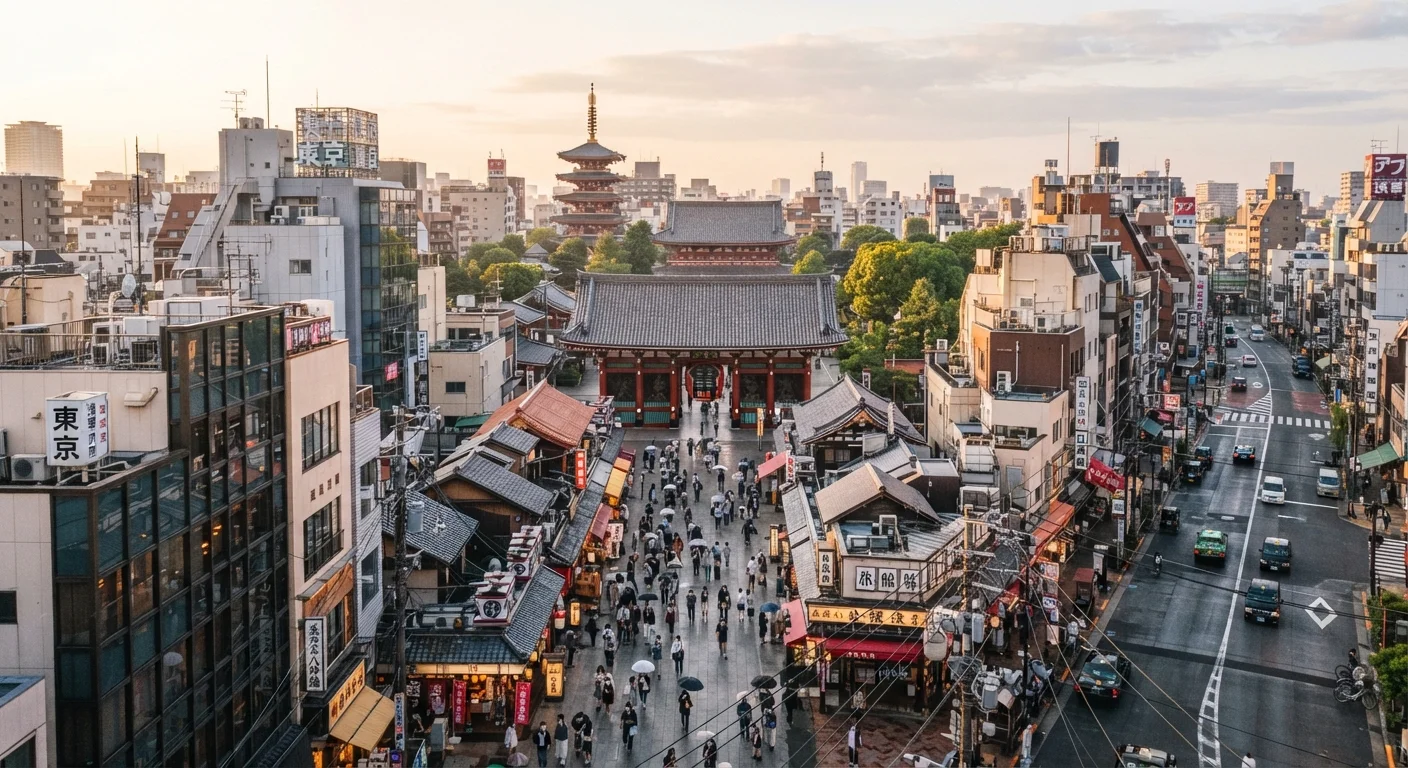
Why it happens: Some travelers assume they can show up and queue for popular temples, restaurants, or seasonal events. Japan's most iconic experiences - particularly during cherry blossom or fall foliage seasons - fill up weeks or months ahead.
Practical Gaps That Catch Travelers Off Guard
Beyond cultural etiquette, Japan has practical systems that differ enough from Western norms to create real friction on arrival.
~40%
Japanese businesses that are cash-only
Industry surveys suggest a significant share of small Japanese businesses, particularly in rural areas and traditional food stalls, do not accept credit or debit cards.
30M+
Annual international visitors to Japan
Japan Tourism Agency data shows inbound tourism has surged in recent years, making popular sites notably more crowded than first-timers may expect.
Transit is the most common source of confusion. Japan's rail network is remarkably efficient, but it involves multiple overlapping operators - JR lines, private railways, and subway systems - that don't always share the same fare structure. Buying an IC card (a rechargeable contactless card accepted on most transit) early in your trip reduces friction significantly. Research whether a JR Pass makes financial sense for your specific itinerary before purchasing; it's not automatically cost-effective for every route.
Connectivity deserves early planning too. Navigating Japan without reliable internet - for maps, translation apps, and transit lookups - is genuinely difficult. Pocket Wi-Fi devices and local SIM cards are widely available at major airports. Arrange one before you leave the arrivals hall. For a broader look at managing finances abroad, understanding how travelers overspend abroad is worth reviewing before you go.
Don't Rely on Google Maps Alone for Fares
Google Maps is useful for routing in Japan, but it doesn't always reflect the cheapest or most practical fare options across multiple transit operators. Use it alongside Japan-specific apps or official transit tools. Always verify your IC card has sufficient balance before passing through a fare gate - running out mid-journey creates avoidable delays.
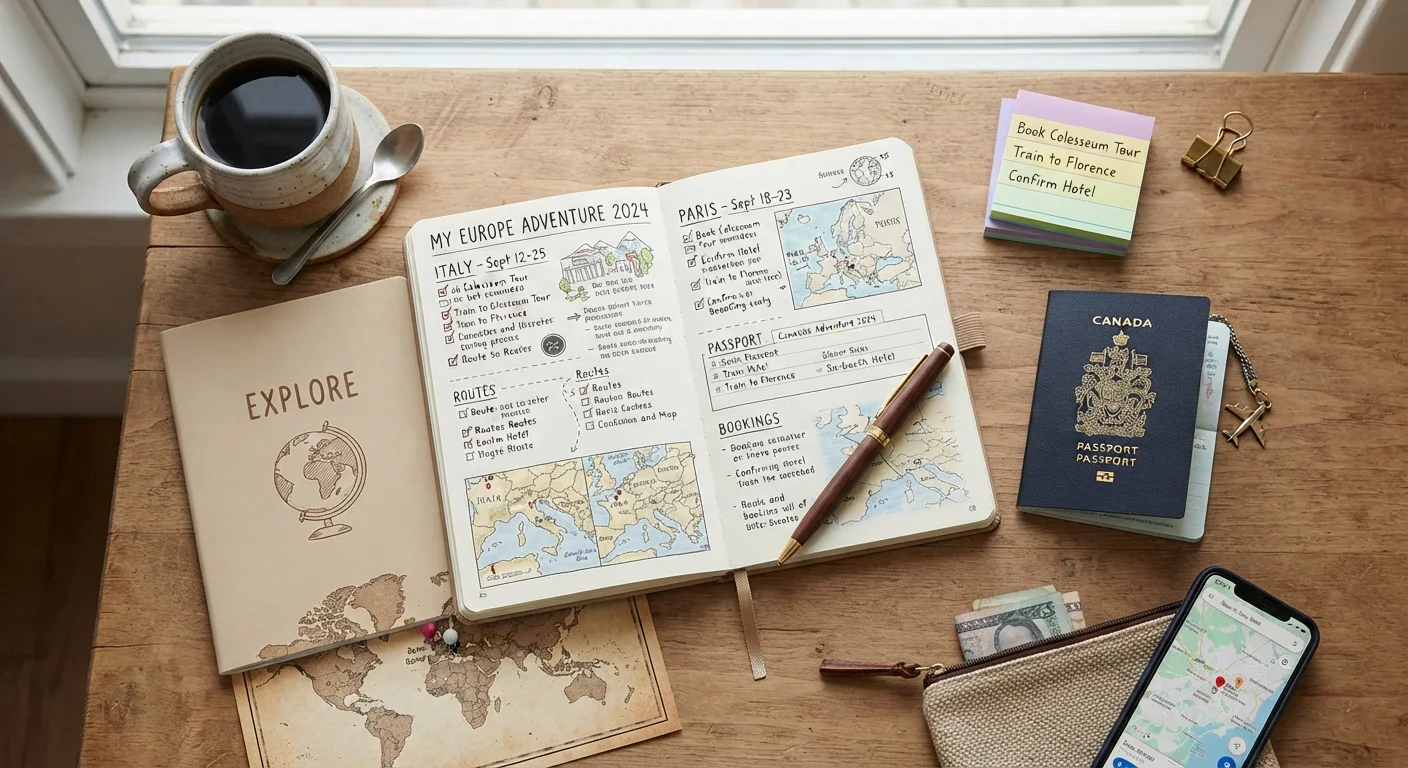
Finally, if this is your first international trip overall, the grounded guide from passport to return flight covers foundational logistics that apply everywhere - including Japan.