The Psychology Behind Vacation Overspending
Most travelers don't overspend because they're careless with money at home. They overspend because travel deliberately disrupts the mental shortcuts we rely on to make sound financial decisions. When prices are in a currency you don't instinctively understand, when your schedule is packed, and when the entire point of the trip is to treat yourself, your usual spending guardrails quietly fall away.
Understanding the behavioral and structural patterns behind this is essential-not to strip the joy from travel, but to prevent that sinking feeling when the credit card bill arrives home. See our guide to travel budgets falling apart for a broader look at how trip finances derail.
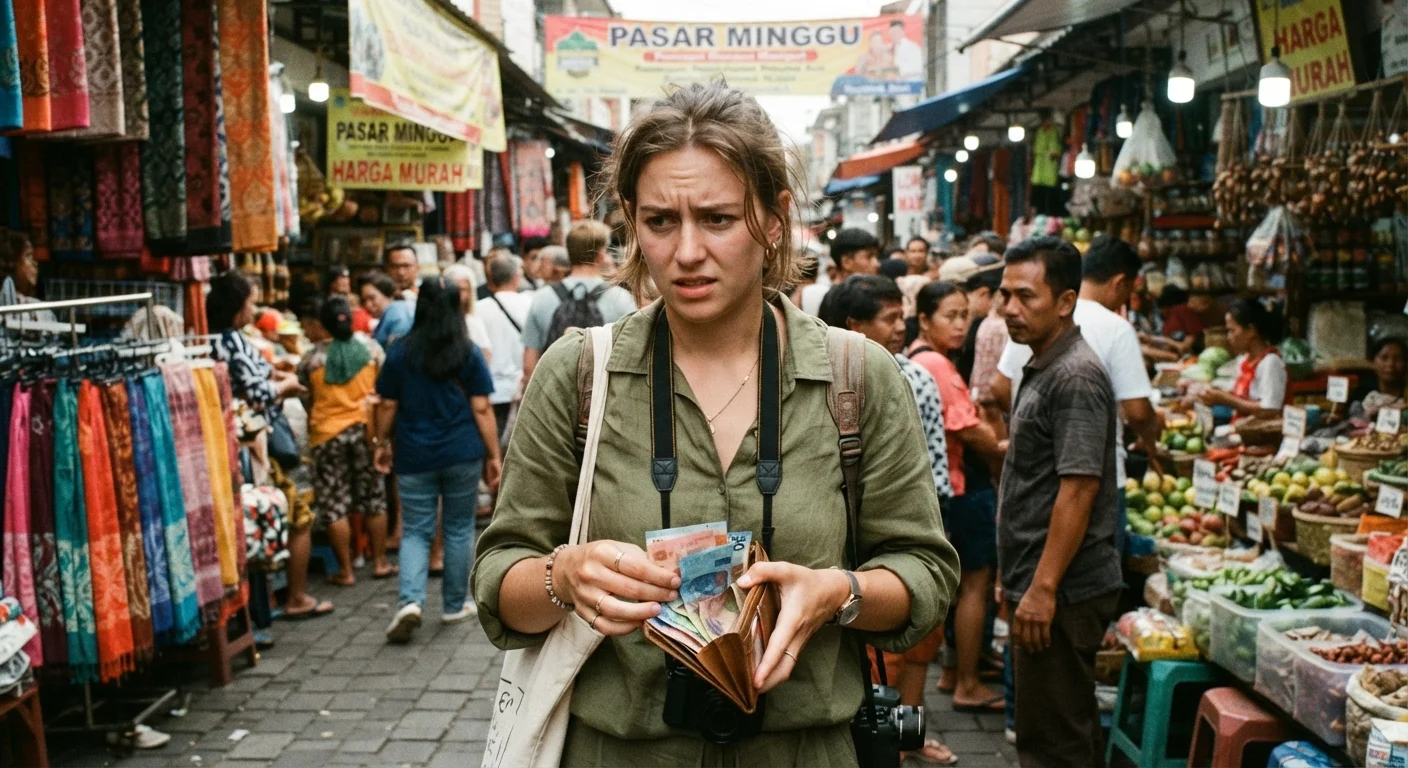
Treating foreign currency as abstract rather than real money, a phenomenon often called the 'monopoly money' effect.
Why it happens: When prices are in an unfamiliar denomination, the brain struggles to apply the same instinctive value judgments it uses at home. A 50,000 note feels like a small number even if it represents a large amount.
Accepting dynamic currency conversion (DCC) at ATMs and card terminals without realizing it carries a hidden markup.
Why it happens: DCC is framed as a convenience-seeing your home currency on the receipt feels reassuring. Travelers rarely know that the exchange rate used is set by the merchant's bank at an unfavorable margin.
Making multiple small ATM withdrawals instead of fewer larger ones, multiplying fixed fees.
Why it happens: Travelers often withdraw conservatively to avoid carrying too much cash, not realizing that each withdrawal may trigger a flat fee from both their home bank and the local ATM operator.
Eating and shopping exclusively in tourist-concentrated areas where prices can be two to three times higher than a short walk away.
Why it happens: Convenience and unfamiliarity with a city's layout lead travelers to stay near landmarks and hotel zones, which are precisely where vendors charge a premium.
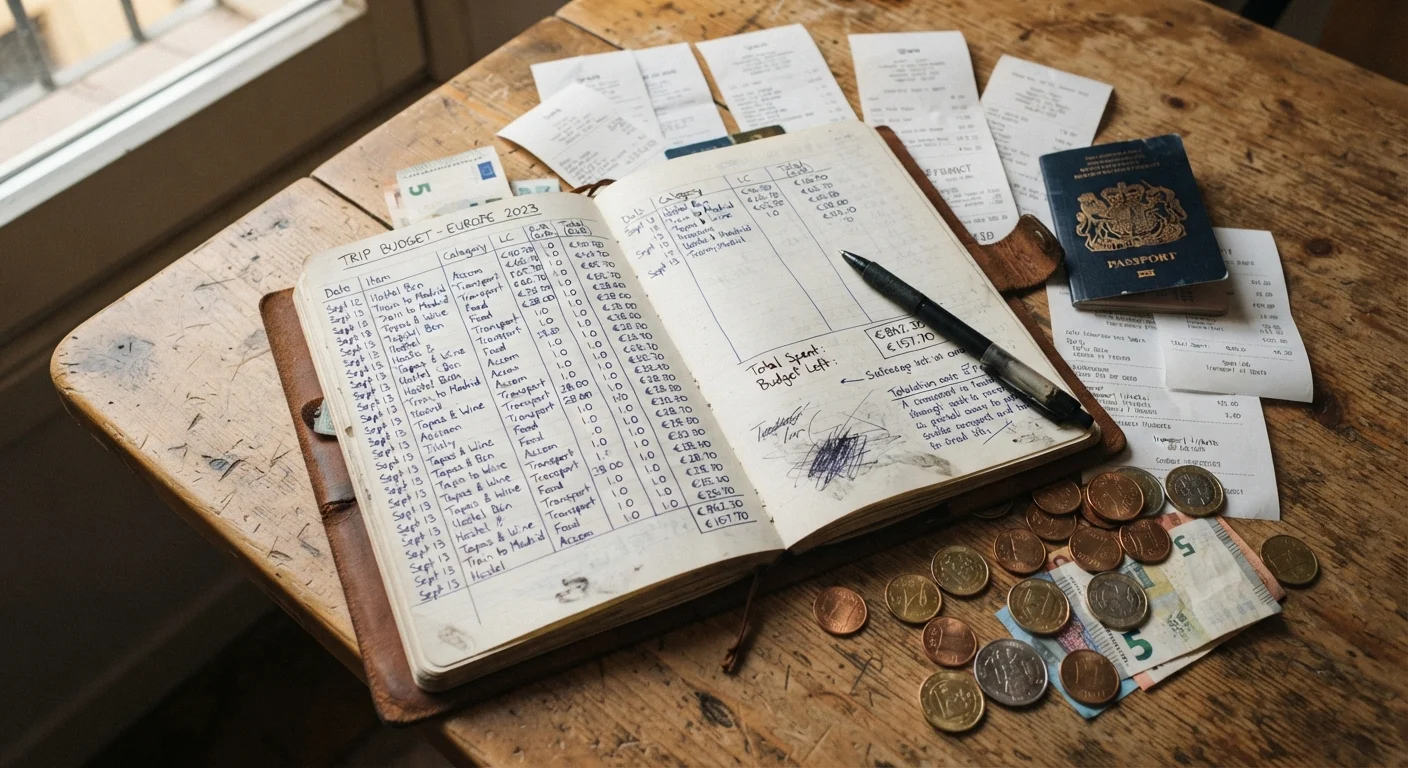
Skipping a realistic pre-trip daily budget and instead estimating expenses loosely during the trip.
Why it happens: Budgeting feels like extra homework before a vacation, and travelers often assume they'll 'figure it out' once they see local prices. Decision fatigue then erodes discipline mid-trip.
Structural Traps That Cost Travelers Money
Beyond psychology, there are deliberate pricing structures built into tourist economies that make overspending easy. Tourist-zone restaurants, airport currency exchange kiosks, and hotel amenities often carry markups that would be obvious at home but feel invisible when you're navigating an unfamiliar place.
3-7%
Typical dynamic currency conversion markup
Financial consumer advocates and travel finance researchers generally estimate DCC markups fall in this range above interbank exchange rates, though the exact figure varies by merchant and country.
~30%
Vacation budget overrun rate reported by travelers
Surveys by travel and personal finance organizations have consistently found that a substantial share of travelers spend noticeably more than their pre-trip estimate, with overruns often attributed to underestimating daily costs.
Dynamic currency conversion (DCC) is one of the most consequential and underreported traps. When a card terminal abroad asks whether you'd like to pay in your home currency rather than the local one, it sounds convenient-but the exchange rate applied is set by the merchant or their bank, not your card issuer, and typically includes a significant markup. Declining DCC and paying in local currency almost always results in a better rate.
Similarly, ATM fees compound quickly. A single withdrawal might incur a foreign transaction fee from your home bank, a fee from the local ATM operator, and a poor exchange rate-all at once. Spacing out fewer, larger withdrawals and using accounts designed for international travel can reduce this drain substantially. For more on managing tech costs while traveling, see what you should know before using your phone abroad.
Airport and Hotel Currency Exchange Rates
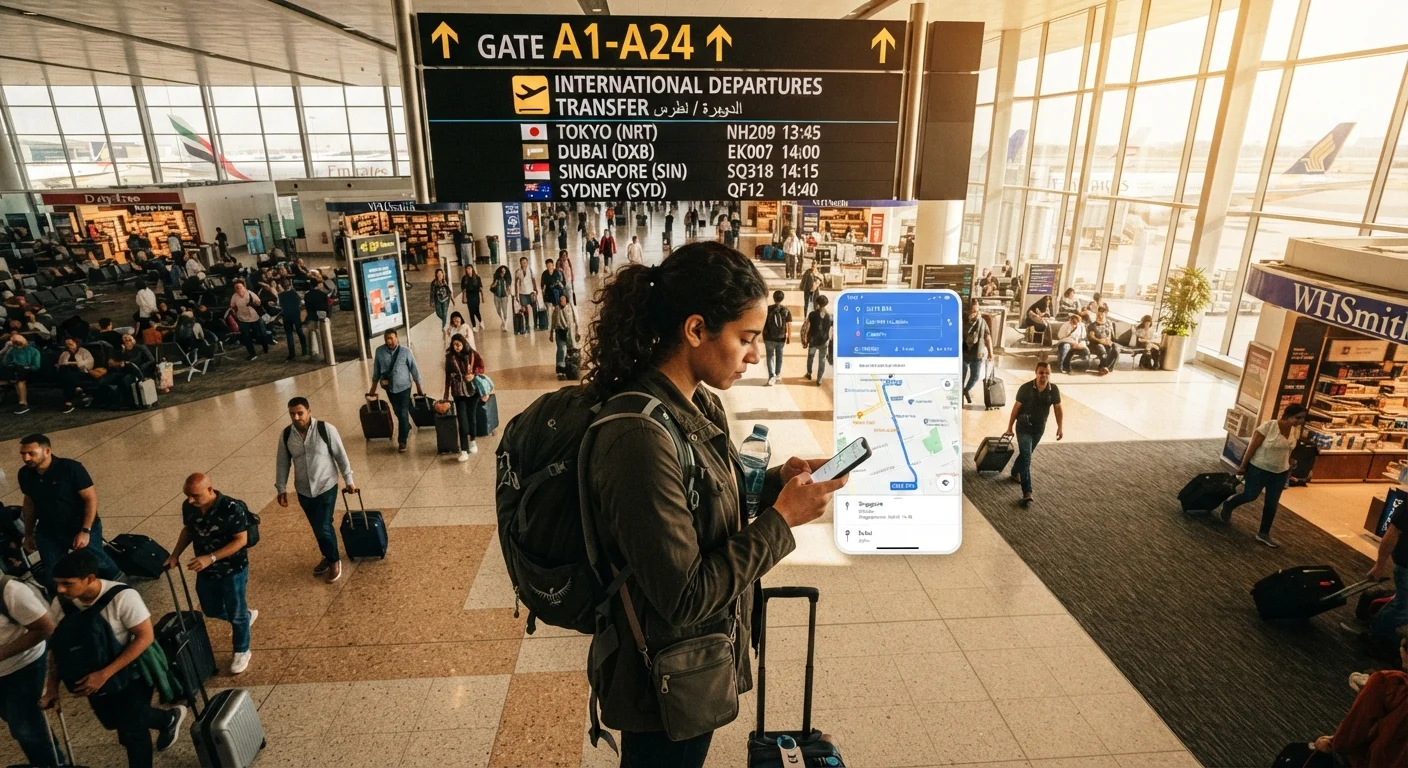
Currency exchange desks at airports and hotels are among the least favorable places to convert money. They often advertise 'no commission' while building a wide margin into the exchange rate itself. If you need local cash immediately upon arrival, withdraw a modest amount from an in-airport ATM instead, and plan to access the bulk of your cash through your bank's network or a better-rate exchange in the city.
Tourist-zone pricing is another structural reality. Restaurants and shops within a block of major landmarks can charge two to three times the local rate for identical goods. Moving even a short distance off the main tourist path-a strategy that requires a little research before you arrive-can yield dramatically lower prices without sacrificing quality. See what travelers miss when comparing destinations on cost for related context on how destination economics actually work.
Building Habits That Counter These Patterns
The most effective countermeasure is pre-trip preparation rather than in-the-moment willpower. Research the realistic daily cost range for your destination before you go-not just accommodation, but meals, transit, and activities at local (not tourist) prices. Resources like government tourism boards and travel communities often surface current, credible on-the-ground data.
Setting a daily spending ceiling and tracking it in local currency-not a converted approximation-keeps the numbers concrete. Many travelers find that simply converting a few benchmark prices (a local coffee, a metro ride, a sit-down meal) before landing gives them an intuitive feel for the currency that resists the "play money" effect.
If you're planning a longer or more complex trip, common travel planning myths outlines several assumptions that lead to financial surprises-including the belief that flexibility always saves money. For destination-specific patterns, what first-time visitors to Japan get wrong illustrates how even well-prepared travelers can miss cost patterns unique to a place.
This article is for general informational purposes. Prices, fees, and financial conditions vary by destination, provider, and time of travel. Verify current exchange rates and bank policies before your trip.