How Each Structure Works
When you buy a vehicle, you either pay the full purchase price upfront or finance it through a loan. Each payment chips away at what you owe until you own the car outright. At that point, your only ongoing costs are maintenance, insurance, and registration.
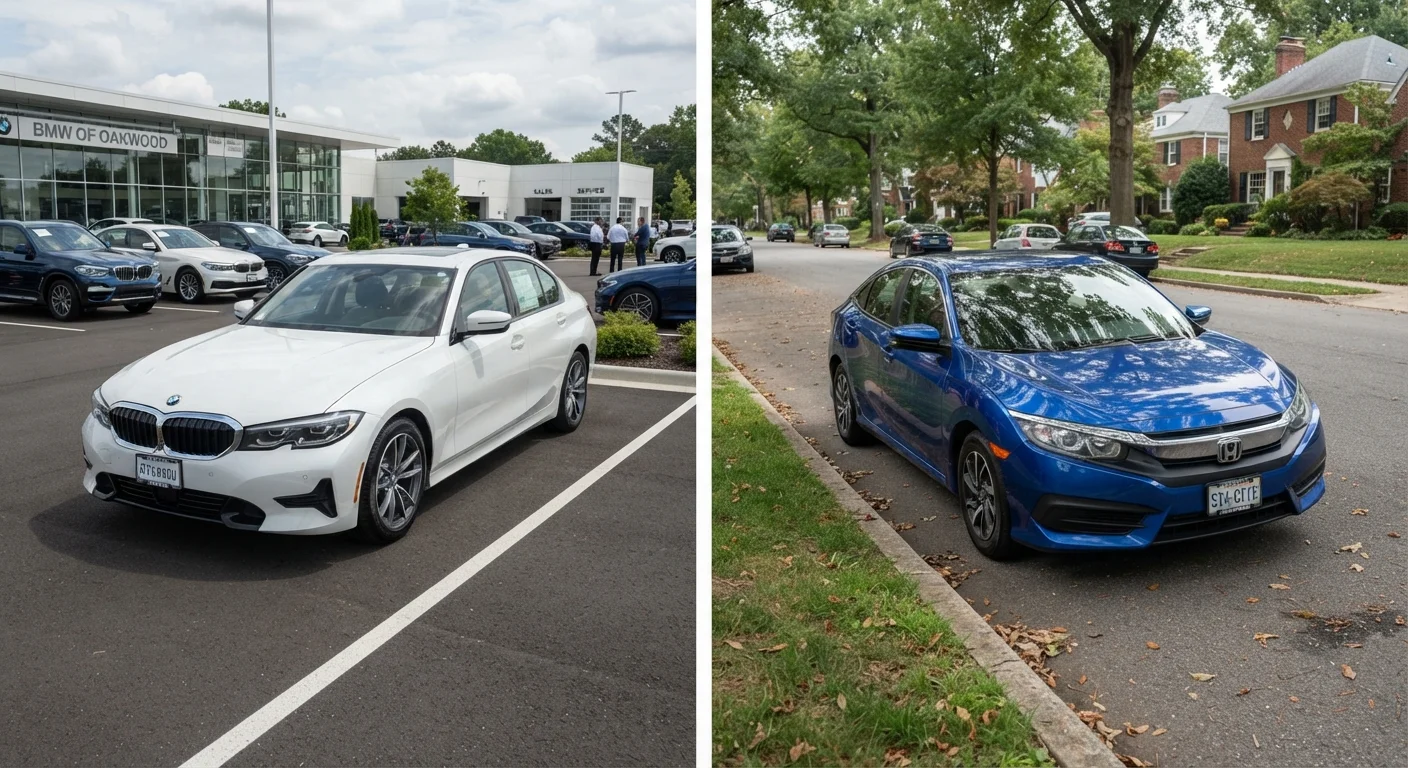
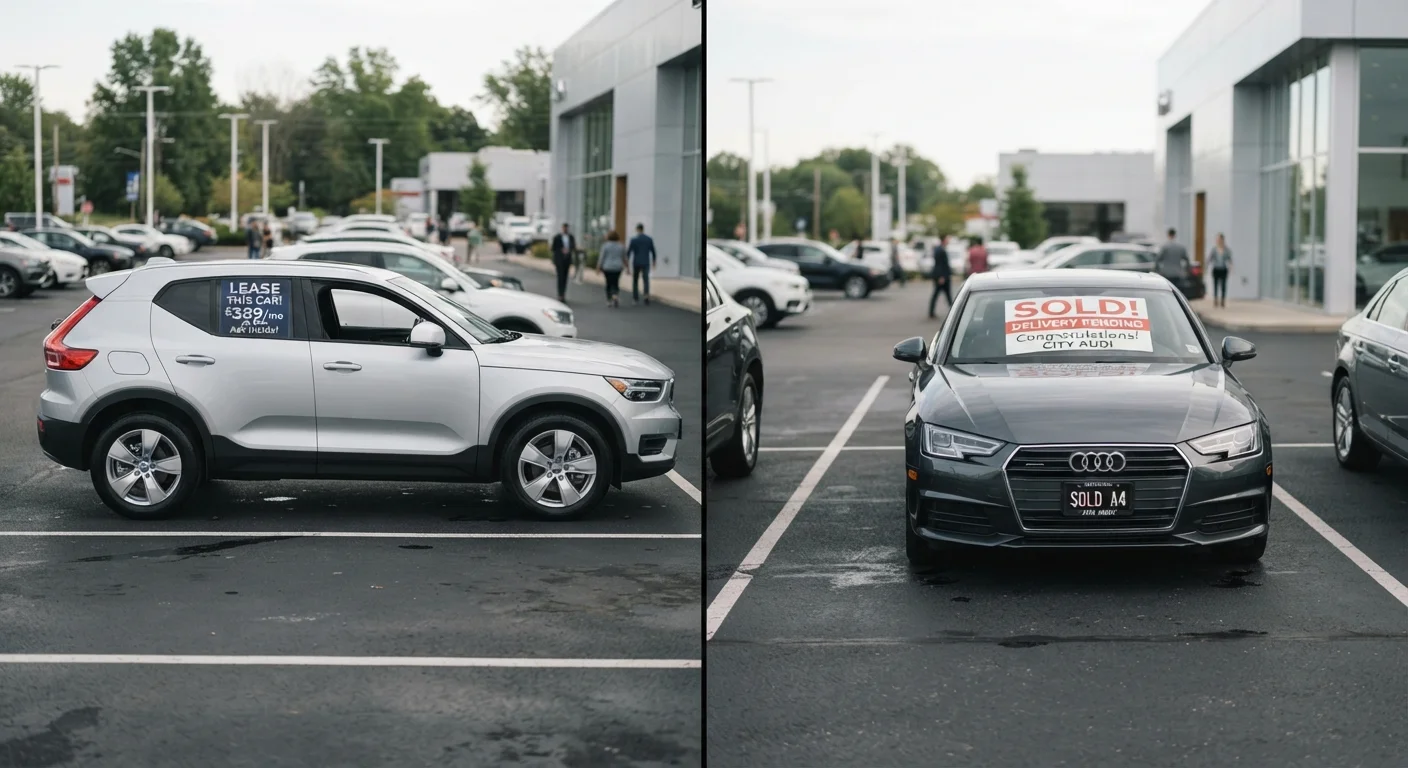
When you lease, you're paying for the vehicle's depreciation during the lease term - typically two to three years - plus financing charges and fees. You don't own the car; you return it at the end of the term. Think of it as a long-term rental with structured rules around mileage and condition.
Understanding the financing side of buying is worth its own attention. See our overview of dealer vs. outside financing options for a closer look at how auto loans are structured.
Monthly Payments and Upfront Costs
Lease payments are almost always lower than loan payments for the same vehicle. That's because you're financing depreciation rather than the full purchase price. On a $40,000 vehicle, a 36-month lease might carry monthly payments 30-40% lower than a comparable 60-month purchase loan.
However, leases typically require a down payment (called a capitalized cost reduction), first and last month's payment, acquisition fees, and a security deposit at signing. These upfront costs can add up to several thousand dollars, making the "lower payment" picture less clear at the outset.
Buying carries higher monthly payments and often a larger down payment, but you're building equity - a financial stake in a depreciating asset that still holds resale value.
| Leasing | Buying | |
|---|---|---|
| Monthly payment | Lower | Higher |
| Upfront costs | Moderate (fees, first payment) | Variable (down payment + fees) |
| Ownership at end of term | None - car returned | Full ownership |
| Mileage flexibility | Restricted (penalties apply) | Unlimited |
| Ability to modify vehicle | Not permitted | Unrestricted |
| Long-term total cost (5-10 yrs) | Generally higher | Generally lower |
| Early exit flexibility | Costly penalties | Sell or trade anytime |
The Long-Term Cost Picture
Over a decade, the financial gap between leasing and buying becomes significant. A driver who leases in successive three-year cycles never stops making payments. A buyer who finances a vehicle and keeps it for eight years will have several payment-free years after the loan is settled.
Depreciation is the key variable. New vehicles can lose 15-25% of their value in the first year and roughly 50% over three years. Lease payments are essentially a structured way to pay for that depreciation - and you walk away with no asset at the end.
~50%
Typical 3-year depreciation on a new vehicle
Industry estimates suggest most new cars lose around half their value within three years, which is what lease payments are structured around.
11.5 years
Average age of vehicles on U.S. roads
According to S&P Global Mobility data, the average age of light vehicles in operation in the U.S. has been rising, reflecting the value drivers get from holding vehicles long-term.
For a full accounting of what ownership actually costs beyond the loan payment, our guide on the ongoing costs of owning a car covers insurance, maintenance, fuel, and registration in detail.
Restrictions, Fees, and Fine Print
Leases come with constraints that buyers don't face. The most important are:
- Mileage caps: Most leases allow 10,000-15,000 miles per year. Exceeding the limit triggers per-mile charges - commonly $0.15-$0.30 per mile - that can run into hundreds or thousands of dollars at turn-in.
- Wear-and-tear standards: Leasing companies define what counts as acceptable wear. Scratches, tire wear, or interior damage beyond that standard generate fees at lease end.
- Early termination penalties: Getting out of a lease before the term ends is costly. Early termination fees can approach what you'd owe for the remaining payments.
Lease Mileage Overages Add Up Fast
If you regularly drive more than the lease's annual mileage allowance, the per-mile overage fees at turn-in can easily exceed $1,000-$2,000 on a typical lease. Before signing, calculate your actual average annual mileage honestly - and consider whether a higher mileage allowance upfront is worth negotiating. Once you're over the limit, there's no way to undo it.
Buyers face none of these restrictions. You can drive as many miles as you want, customize the vehicle, and sell or trade it at any point without penalty.
Which Drivers Tend to Benefit From Each Path
Leasing tends to work best for drivers who want a new vehicle every few years, keep annual mileage under 12,000-13,000, and prefer predictable costs during the lease term. It can also suit those who use a vehicle primarily for business purposes, as lease payments may be partially deductible - consult a tax professional to understand how that applies to your situation.
Buying tends to work better for higher-mileage drivers, those who plan to keep a vehicle well past its loan payoff, and anyone who wants flexibility - to sell, trade, or modify the car on their own terms. If you're comparing approaches to buying new vs. used, the long-term cost logic is similar: the longer you own a vehicle, the more the purchase model typically pays off.
This article provides general financial and automotive information for educational purposes only. For guidance tailored to your personal financial situation, consult a qualified financial adviser or tax professional.