The Depreciation Reality
Depreciation is the single biggest financial factor separating new from used. A new vehicle can lose roughly 20% of its value within the first year and close to 50% over five years, according to general industry data. That loss happens whether you drive 5,000 miles or 20,000.
When you buy used, you let the original owner absorb that early drop. A two- or three-year-old vehicle with moderate mileage can deliver most of the same practical utility at a meaningfully lower price. The catch is that you're also inheriting any wear or deferred maintenance from that period.
~20%
Value lost in year one
Industry data consistently shows new vehicles lose roughly 20% of their value within the first 12 months of ownership.
~50%
Depreciation over five years
Many vehicles depreciate by around half their original value over a five-year period, though rates vary by make and model.
3 yrs / 36k mi
Common bumper-to-bumper warranty
Many major manufacturers offer a 3-year or 36,000-mile bumper-to-bumper warranty as a baseline on new vehicles, though terms differ.
Understanding the full cost picture matters as much as the sticker price. See what ownership actually costs over time for a clearer sense of what you'll spend after the purchase.
Financing, Insurance, and Total Cost
New car buyers often qualify for lower interest rates - sometimes manufacturer-subsidized - which can make monthly payments more manageable on paper. But because the loan principal is higher, total interest paid over the life of the loan can still exceed what a used-car buyer pays at a higher rate on a smaller amount.
Insurance costs also differ. New vehicles typically cost more to insure because replacement parts and repair costs are higher. Comprehensive and collision coverage on a newer model will carry higher premiums than on a comparable older vehicle, all else being equal.
| Criterion | New Car | Used Car |
|---|---|---|
| Purchase price | Higher | Lower |
| Depreciation exposure | Steep in year 1-3 | Curve already absorbed |
| Typical financing rate | Often lower | Often higher |
| Insurance cost | Generally higher | Generally lower |
| Warranty coverage | Full factory warranty | None or limited (CPO varies) |
| Ownership history | None | Unknown without report |
| Technology & safety features | Latest available | Depends on model year |
| Near-term maintenance risk | Low | Moderate to higher |
If you're weighing whether to buy at all versus leasing, the financial structure is quite different - leasing vs. buying involves its own set of trade-offs worth examining separately.
Reliability, Warranty, and the Unknown History Problem
New cars come with a clean mechanical slate and a factory warranty - typically a 3-year/36,000-mile bumper-to-bumper and a 5-year/60,000-mile powertrain warranty, though specifics vary by manufacturer. That coverage matters if something goes wrong early.
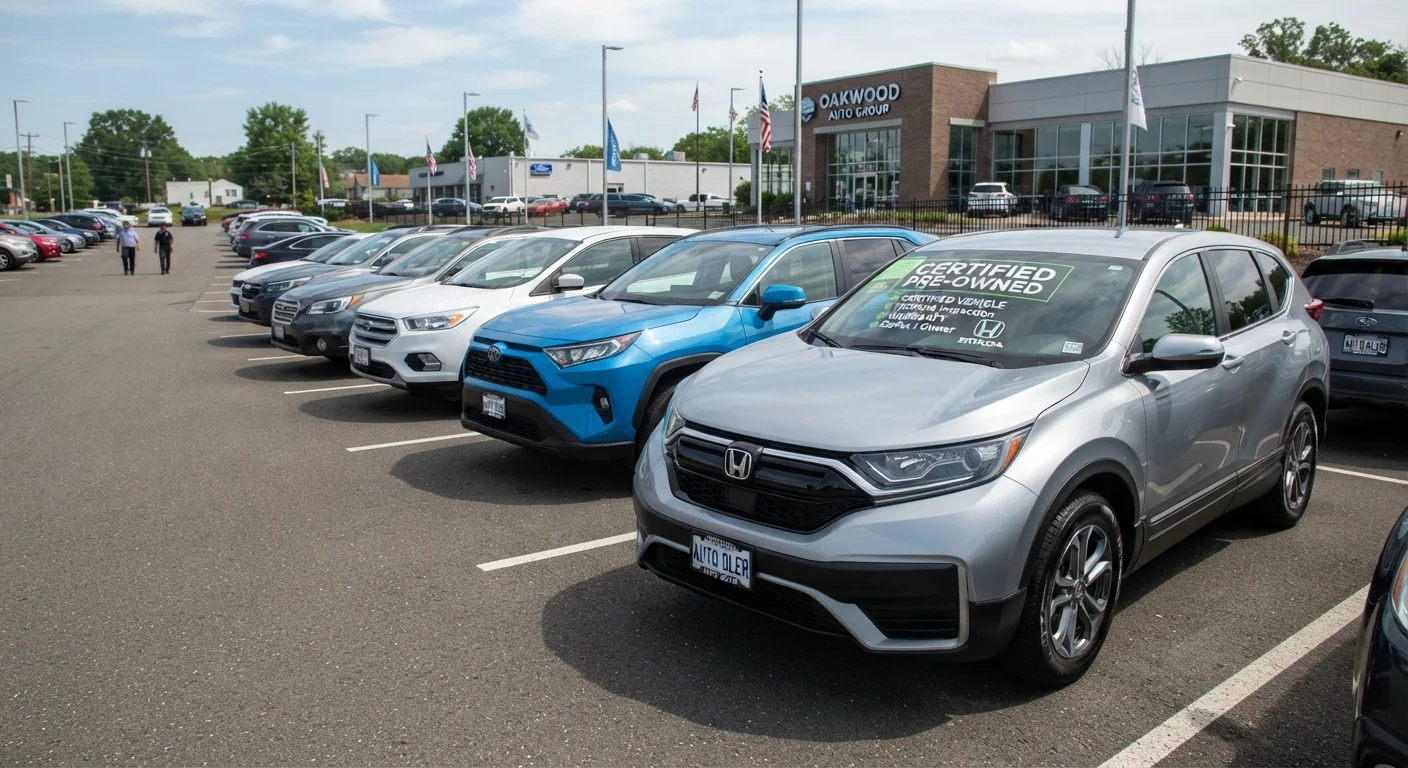
Used cars don't come with that guarantee unless you pursue a certified pre-owned option. CPO programs vary significantly by manufacturer - a label alone doesn't tell you what's included. A standard used vehicle should always be checked with a vehicle history report (such as from services that aggregate title, accident, and odometer data) and an independent pre-purchase inspection by a qualified mechanic before any money changes hands.
If you're buying from a private seller rather than a dealer, the due diligence requirements go up. Private sellers and dealerships each carry different risks that are worth thinking through before you commit to either route.
When you do pursue a used vehicle, knowing which questions to ask protects you. The right questions can surface hidden problems early and help you avoid costly surprises after purchase.
Pre-Purchase Inspection Is Non-Negotiable
Before buying any used vehicle, have an independent mechanic - one not affiliated with the seller - perform a thorough inspection. This typically costs between $100 and $200 and can reveal issues that neither a test drive nor a vehicle history report will catch. Skipping this step is one of the most common and costly mistakes used-car buyers make.