Why the Sticker Price Is Just the Starting Line
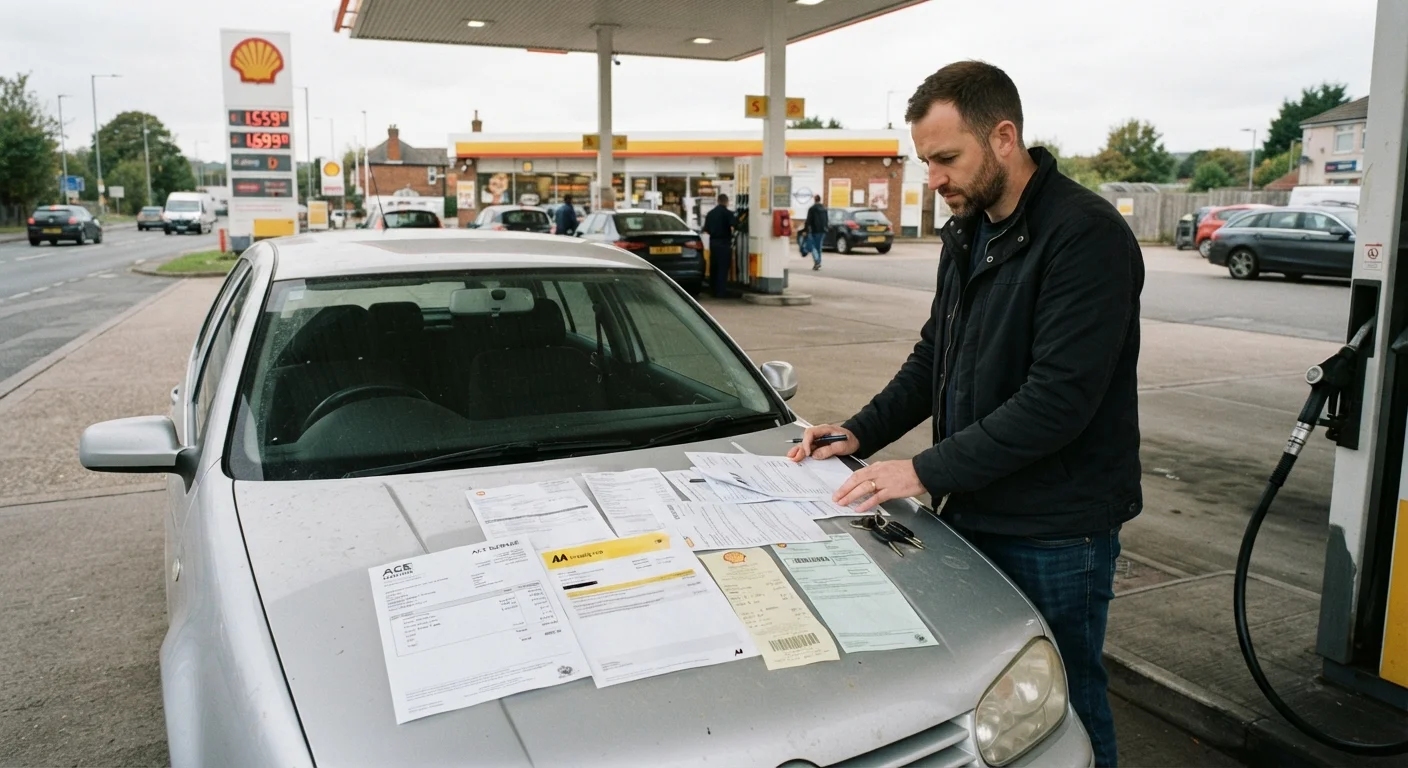
When most people budget for a vehicle, they anchor on two numbers: the sale price and the monthly loan payment. Both are real costs - but together, they leave out a substantial portion of what ownership actually demands from your wallet each year.
Automotive industry research consistently shows that the total annual cost of owning and operating a typical sedan or SUV runs well into the thousands beyond loan repayment alone. According to data tracked by organizations like AAA, the average annual cost of vehicle ownership in the U.S. - factoring in depreciation, fuel, insurance, maintenance, fees, and finance charges - has regularly exceeded $10,000 for new vehicles in recent years. That figure varies considerably by vehicle type, driving habits, and location, but the direction is clear: recurring costs are substantial.
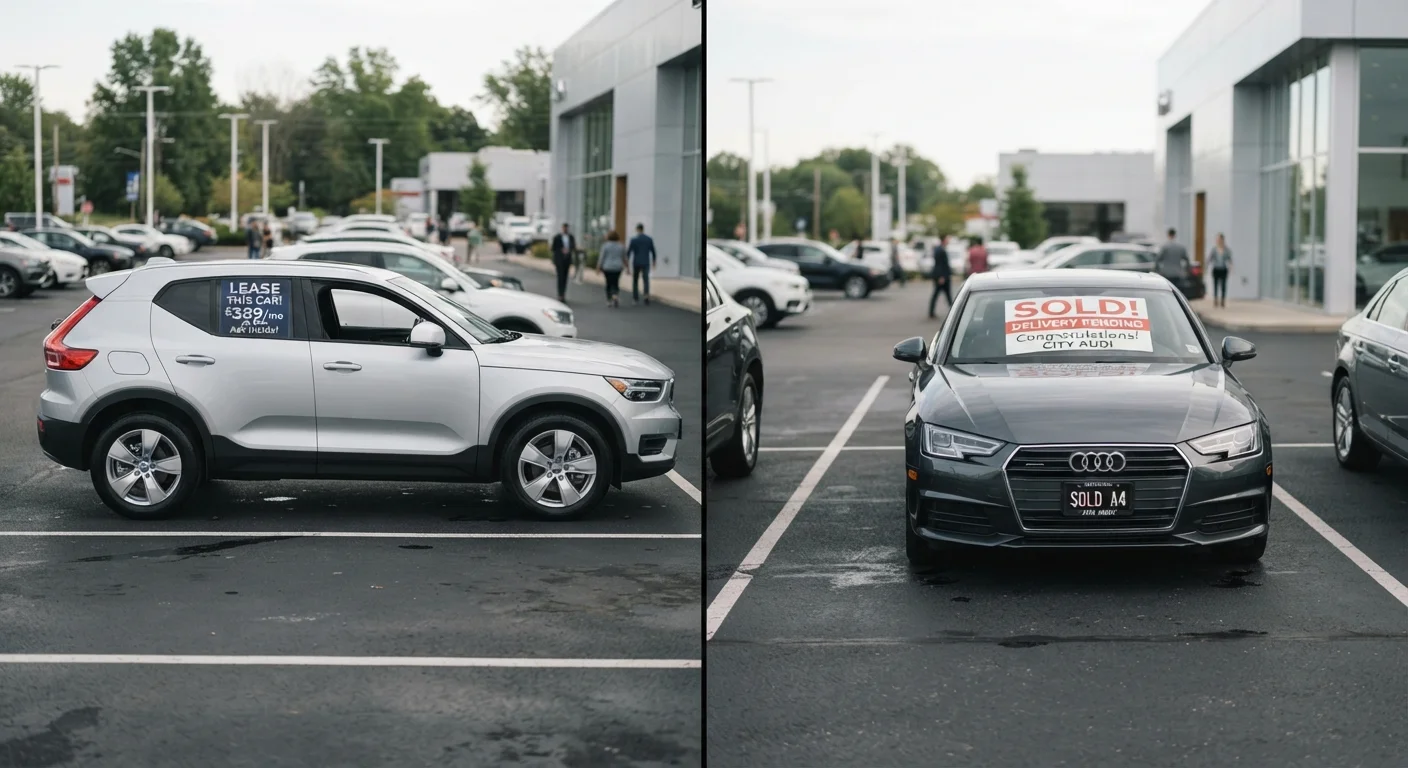
Understanding those costs upfront is the single most useful thing a buyer can do before signing anything. If you're also weighing whether to buy or lease, the full financial comparison of leasing vs. buying lays out how those structures differ over time.
The Major Cost Categories Every Owner Faces
Breaking ownership costs into categories makes them easier to plan for - and harder to underestimate.
$10,000+
Average annual new vehicle ownership cost
AAA's annual Your Driving Costs studies have consistently found total new vehicle ownership costs exceeding $10,000 per year when depreciation, insurance, fuel, and maintenance are included.
~20%
Typical first-year depreciation on a new car
Most new vehicles lose approximately 15-25% of their value within the first 12 months, making depreciation the single largest cost for many new-car buyers.
15,000
Average annual miles driven per U.S. driver
The Federal Highway Administration has reported average annual vehicle miles traveled per licensed driver in the U.S. at approximately 15,000, a key variable in fuel and wear cost estimates.
Depreciation
For new vehicles, depreciation is typically the largest single cost. Most new cars lose roughly 20% of their value within the first year and around 50% over five years, though this varies by make, model, and market conditions. This cost is often invisible because it doesn't require a monthly check - but it's real and substantial when you eventually sell or trade in.
Insurance
Auto insurance is mandatory in nearly every U.S. state and fluctuates based on the driver's record, vehicle type, location, and coverage level. Comprehensive and collision coverage on a newer vehicle adds meaningful cost compared to minimum liability alone. Premiums should be factored in before purchase, not after.
Fuel
Fuel costs depend on how much you drive, local gas prices, and the vehicle's fuel economy rating. A truck averaging 18 MPG driven 15,000 miles annually will cost significantly more to fuel than a compact sedan averaging 35 MPG - a difference that compounds over years of ownership.
Maintenance and Repairs
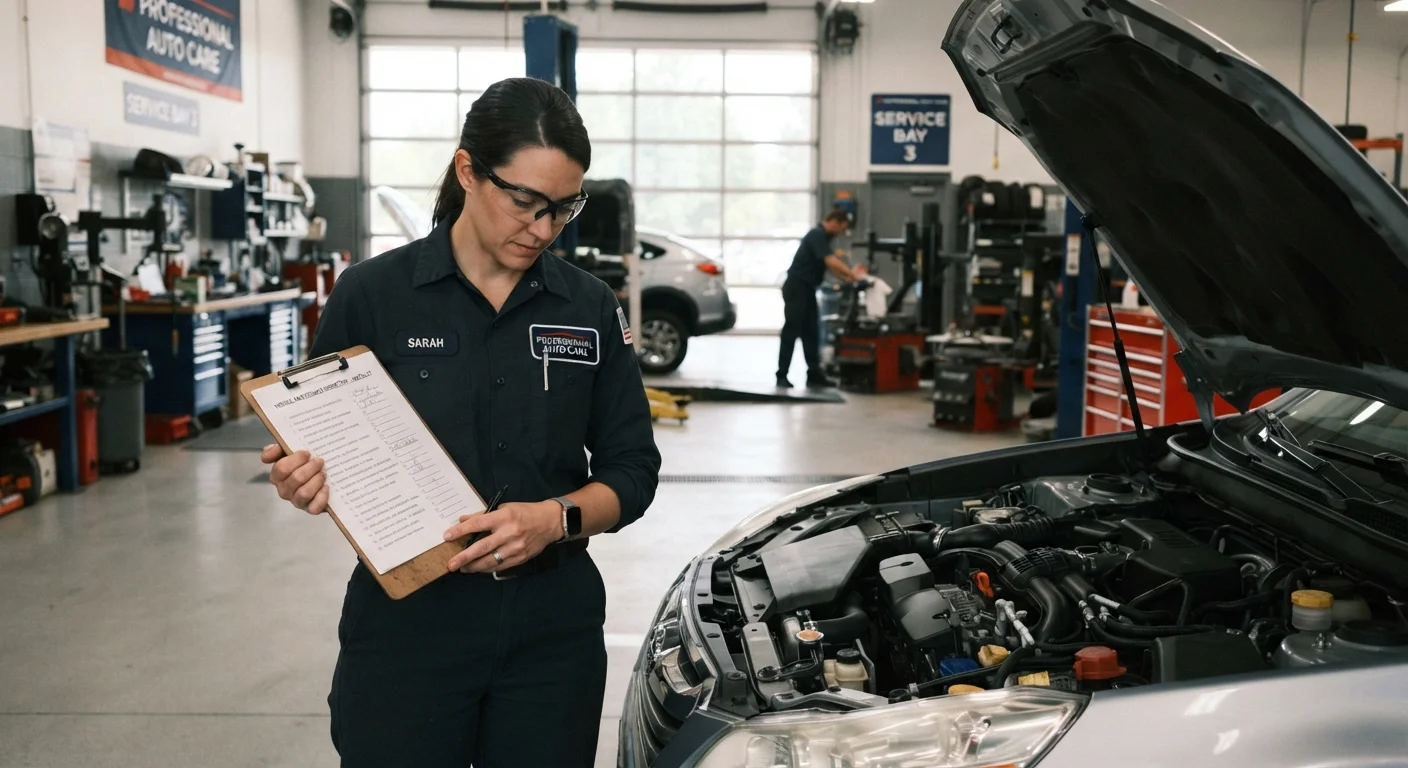
Oil changes, tire rotations, brake service, filters, and fluid replacements are scheduled, predictable expenses. Unscheduled repairs - a failed alternator, a worn transmission - are not. Staying current on scheduled maintenance reduces the likelihood and cost of surprise repairs while preserving resale value.
Registration, Taxes, and Fees
Annual registration fees, property taxes (in states that assess them on vehicles), and periodic state inspection costs add up quietly. These vary widely by state and vehicle value but are non-negotiable line items in the ownership budget.
Don't Overlook Financing Costs
The interest paid over a 60- or 72-month auto loan can add several thousand dollars to the total cost of a vehicle, depending on the rate and loan amount. Before focusing on monthly payment size, it's worth calculating the total amount paid over the life of the loan. A longer loan term lowers monthly payments but increases total interest paid - a trade-off worth understanding clearly before signing.
The Case for Ownership - And Its Real Limits
Vehicle ownership isn't purely a financial burden. It carries genuine practical advantages that matter for millions of households.
Unrestricted mobility on your own schedule
Ownership means no timetables, no mileage caps, and the freedom to travel wherever and whenever you choose - a practical necessity in areas with limited public transit.
Builds equity over time
Unlike a lease, a purchased vehicle is an asset you own outright once the loan is paid. It can be sold, traded, or kept indefinitely, giving you control a lessee doesn't have.
No mileage or modification restrictions
Owners can drive as many miles as needed and make modifications without penalty - a significant advantage for high-mileage commuters or drivers with specific needs.
Potentially lower cost past the loan payoff
Once a vehicle is paid off, monthly transportation costs drop significantly. A well-maintained vehicle driven for several years after payoff often delivers strong cost-per-mile value.
That said, ownership comes with financial drawbacks that are worth naming plainly.
Depreciation erodes value immediately
New vehicles lose value the moment they leave the lot. This is a real financial loss even if it doesn't show up as a monthly bill - it affects resale value and total cost of ownership significantly.
Insurance costs are ongoing and unavoidable
Full-coverage insurance on a financed vehicle is typically required by lenders, and premiums can be substantial - especially for younger drivers, high-value vehicles, or those in high-density areas.
Repair costs are unpredictable
Even well-maintained vehicles experience unexpected mechanical failures. A single major repair - transmission, engine, or electrical system - can cost thousands of dollars without warning.
Financing adds significant total expense
When a vehicle is financed over a typical 60- or 72-month term, interest charges can add thousands of dollars to the total cost paid - an often-underestimated component of the purchase.
Fuel costs fluctuate and compound over years
Gas prices are volatile, and a vehicle with poor fuel economy driven over 100,000 miles can cost tens of thousands of dollars more in fuel than an efficient alternative.
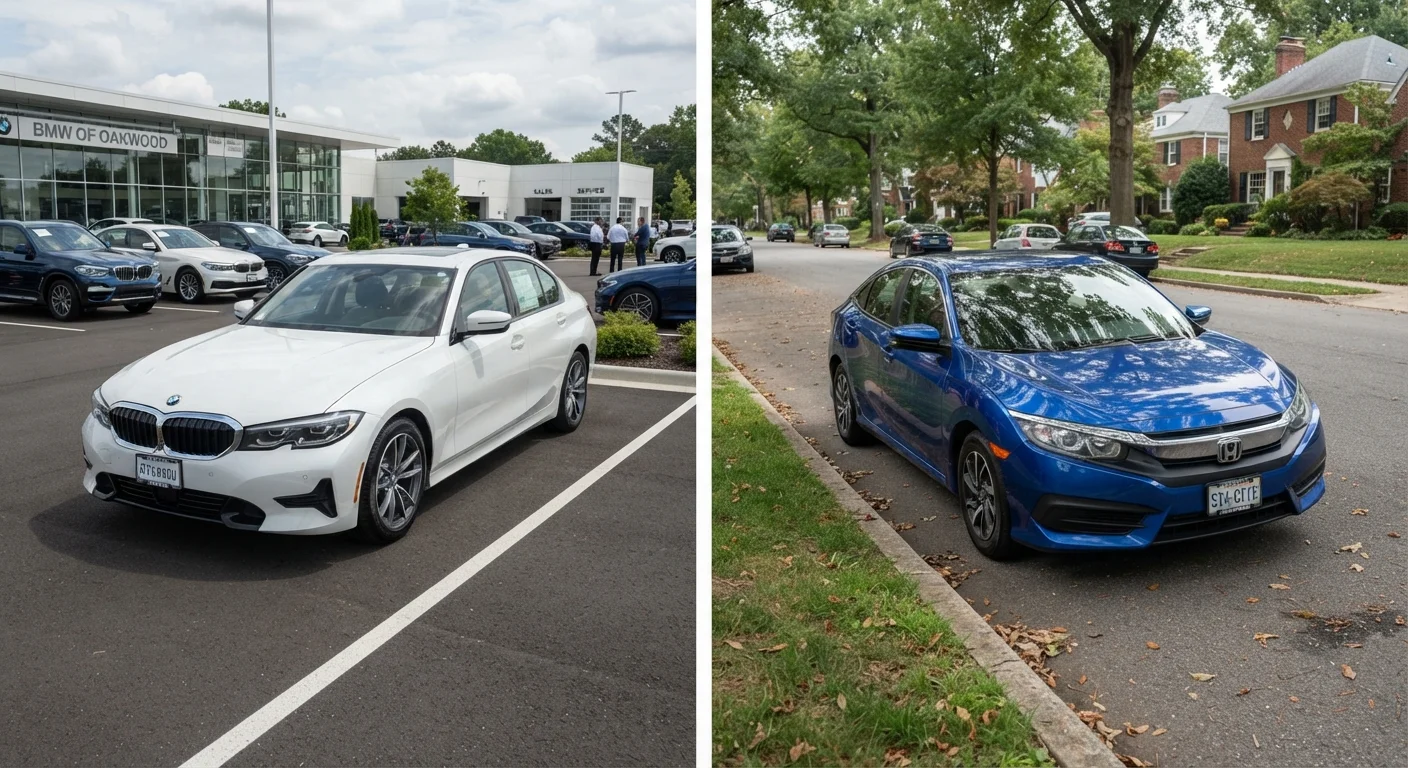
For buyers choosing between new and used, those trade-offs look different depending on the path. The real trade-offs between new and used vehicles are worth examining before committing to either.
Building a Realistic Ownership Budget
A useful rule of thumb: budget for monthly ownership costs - not just the loan payment - before deciding what you can afford. That means estimating insurance, a fuel allowance based on your typical mileage, a monthly maintenance reserve (typically $75-$150 for most vehicles), and registration costs prorated monthly.
If those numbers push the total well beyond what's comfortable, the vehicle may be priced beyond your realistic range even if the loan payment looks manageable. The ongoing maintenance needs of any vehicle you're considering should also be researched before purchase - some vehicles carry significantly higher parts and labor costs than others.
Vehicle ownership involves many of the same planning principles as homeownership, where buyers similarly underestimate recurring costs. The parallels are instructive: the real costs of owning a home beyond the mortgage mirror what vehicle buyers encounter when the sticker price fades and the monthly reality sets in.
This article is for general informational purposes only. Cost figures vary by vehicle, location, insurer, and individual circumstances. Consult a qualified financial professional for guidance specific to your situation.