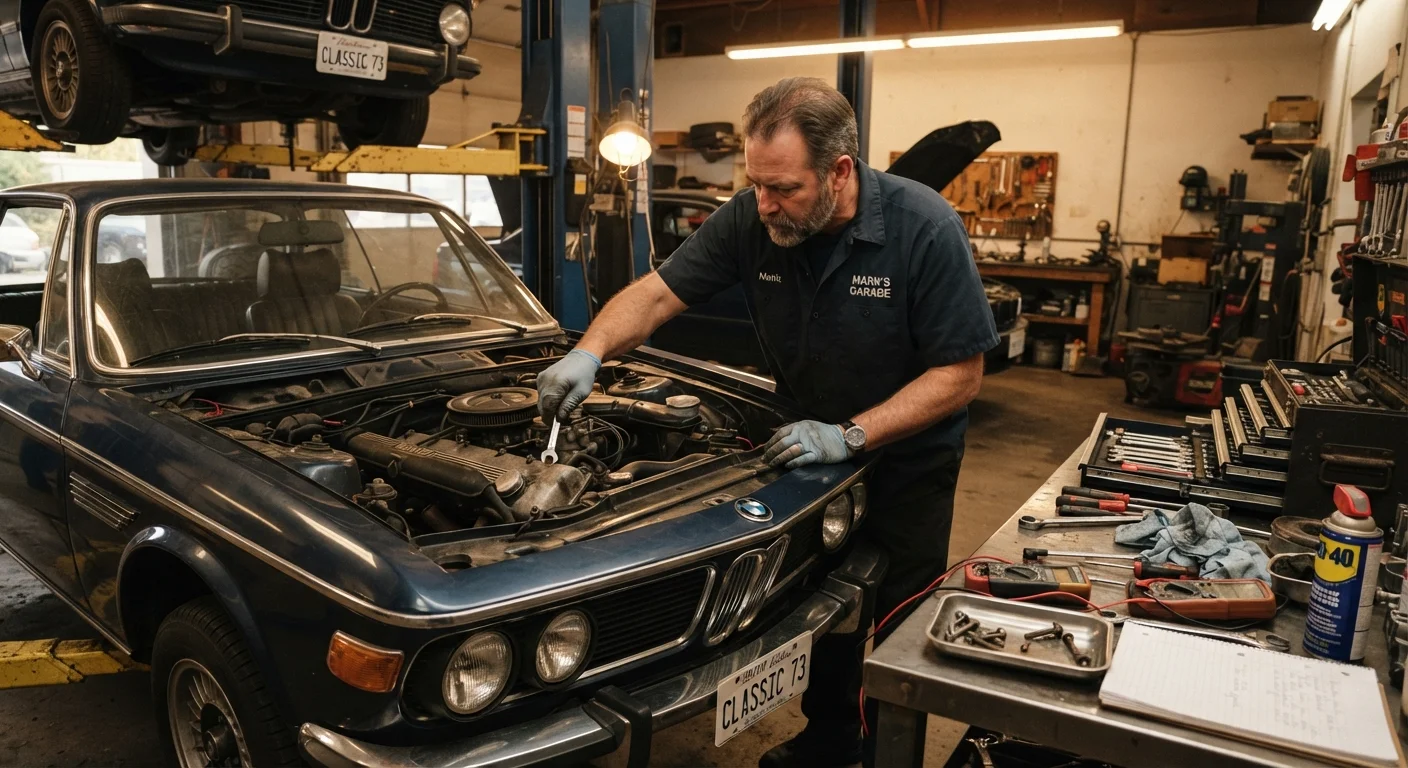

Where the 3,000-Mile Rule Came From
The 3,000-mile oil change recommendation dates to an era of older engine technology and conventional mineral-based motor oils. Engines of that period had looser tolerances, and the oil formulations available degraded more quickly under heat and friction. Quick-lube shops popularized the guideline aggressively through the 1980s and 1990s, and it stuck in the public consciousness long after the engineering moved on.
Modern engines are machined to much tighter specifications. Additive packages in today's oils - whether conventional or synthetic - are engineered to resist breakdown far longer than those available decades ago. The automotive industry and oil chemists broadly agree that the 3,000-mile figure is no longer a sound general recommendation for the vast majority of passenger vehicles on US roads today.
For a broader look at what happens when oil changes and other maintenance items are deferred too long, see our article on what skipping routine maintenance actually costs.
Common Myths About Oil Changes - Corrected
Misinformation about oil changes is remarkably persistent. The myth-and-fact pairs below address the most common ones drivers encounter.
Myth
You should change your oil every 3,000 miles, no matter what.
Fact
Most modern vehicles running synthetic oil can go 7,500 to 15,000 miles between changes, as specified by the manufacturer.
The 3,000-mile figure predates modern engine tolerances and oil chemistry. Following it rigidly with a vehicle designed for longer intervals doesn't improve engine protection - it simply increases cost and generates unnecessary used oil waste. Always defer to the interval listed in your owner's manual for your specific engine and oil type.
Myth
Dark oil always means it's dirty and needs to be changed immediately.
Fact
Motor oil naturally darkens as it circulates and picks up combustion byproducts - this is normal and doesn't necessarily indicate degradation.
Engine oil is designed to suspend contaminants and carry them to the filter. Darkening is evidence the oil is doing its job. A milky or foamy appearance, on the other hand, can indicate coolant contamination - a condition that warrants prompt inspection by a mechanic. Relying on color alone as a change trigger is not a reliable method.
Myth
Switching to synthetic oil after using conventional oil will damage your engine.
Fact
Modern full synthetic and conventional oils are fully compatible and can be mixed without harming a properly functioning engine.
This myth likely originated from early synthetic formulations that had compatibility issues with older seal materials. Current synthetic oils meet industry and OEM specifications and can be used in any engine that accepts the correct viscosity grade. If your vehicle's manufacturer recommends synthetic, using it is straightforward and beneficial - there's no required break-in period with conventional oil first.
Myth
Once you start using synthetic oil, you can never go back to conventional.
Fact
You can switch between synthetic and conventional oil freely, as long as you use the viscosity grade your manufacturer specifies.
There is no chemical or mechanical lock-in from using synthetic oil. The practical reason most drivers stick with synthetic once they start is performance and interval length - not a technical requirement. The most important variable when selecting motor oil is always the viscosity grade (such as 5W-30 or 0W-20) specified in the owner's manual for your engine.
Myth
If you're not driving many miles, you don't need to change your oil as often.
Fact
Oil degrades over time due to heat cycling and moisture accumulation, even in low-mileage vehicles. Most manufacturers recommend changing oil at least once per year regardless of mileage.
Short trips are particularly hard on oil because the engine doesn't fully warm up, allowing moisture and fuel vapors to accumulate in the crankcase without burning off. A vehicle driven only a few thousand miles annually can still benefit from an annual oil change. Check your owner's manual for a time-based interval alongside the mileage-based one - most manufacturers publish both.
What Actually Determines Your Interval
Several real factors govern how quickly motor oil loses its protective properties:
- Oil type: Full synthetic oil is engineered to last significantly longer than conventional oil. Many manufacturers specify intervals of 7,500 to 15,000 miles for vehicles running full synthetic, while conventional oil typically performs reliably to around 5,000-7,500 miles under normal conditions.
- Driving conditions: Short trips under five miles, frequent stop-and-go driving, towing, extreme heat or cold, and dusty environments all accelerate oil degradation. Many manufacturers label these "severe" or "special operating conditions" in their maintenance schedules and recommend shorter intervals when they apply.
- Engine design: Turbocharged engines run hotter and place greater thermal stress on oil, often making adherence to the manufacturer's interval more - not less - important.
- Oil monitoring systems: Many vehicles built in the last fifteen years include an oil life monitoring system that calculates degradation based on actual driving data rather than a fixed mileage trigger. These systems are generally reliable guides - but they don't replace checking oil level manually between changes.
"Severe" Driving Conditions Apply to More Drivers Than You'd Think
Frequent short trips, city stop-and-go traffic, towing, and operating in very hot or dusty environments all qualify as severe conditions under most manufacturer definitions. If your typical driving matches any of these, you may need to follow the shorter interval listed in your owner's manual's severe-duty schedule rather than the standard one. Check that section specifically - it's easy to overlook.
Understanding how engine oil fits into the full picture of under-hood fluids is worthwhile. Our driver's guide to under-hood fluids explains what each fluid does and how to spot when it needs attention.
How to Find the Right Interval for Your Vehicle
The single most reliable source is your vehicle's owner's manual. Manufacturers publish specific oil change intervals based on their own engine testing, and those figures account for the oil viscosity and type your engine is designed to use. Following the manufacturer's schedule - not a generic rule of thumb - is the straightforward, evidence-based approach.
7,500-15,000 mi
Typical synthetic oil change interval
Many major automakers specify this range for vehicles using full synthetic oil under normal driving conditions, as documented in their owner's manuals.
~1 year
Time-based interval for low-mileage vehicles
Regardless of mileage, most manufacturers recommend changing oil at least annually to prevent degradation from moisture and heat cycling.
If your vehicle has an oil life monitoring system, use it as intended, but don't let it substitute for occasional visual checks of oil level and color on the dipstick. Dark brown or black oil isn't necessarily degraded, but milky or gritty oil signals a problem that warrants prompt attention from a qualified mechanic.
Drivers with high-mileage vehicles should note that oil consumption and engine wear can shift maintenance priorities after the 100,000-mile mark. Our article on maintaining a high-mileage vehicle covers what changes and why. For a complete picture of scheduled maintenance across your vehicle's life, see the long-term case for keeping up with scheduled maintenance.
Your Owner's Manual Is the Authority
No universal rule - including anything in this article - overrides the maintenance schedule your vehicle's manufacturer published for your specific engine and oil type. That schedule is based on engineering data from the company that designed your engine. If you've lost your manual, most automakers make them available as free downloads on their official websites or through their customer service lines.