Why Battery Warnings Matter Before You're Stranded
A dead battery is one of the most common reasons drivers call for roadside assistance - and one of the most preventable. Unlike a blown tire or a snapped belt, a failing battery rarely quits without giving you signals first. The problem is that most drivers don't recognize those signals until it's too late.
Most conventional lead-acid batteries have a service life of roughly three to five years, depending on climate, driving habits, and how the vehicle is maintained. Heat is particularly hard on batteries - it accelerates internal chemical breakdown - while extreme cold reduces the battery's ability to deliver sufficient starting power. Either way, age and environment conspire against you over time.
Knowing what to look for lets you act on your schedule, not your battery's. Pair this awareness with a seasonal maintenance routine and you significantly reduce the odds of an inconvenient failure.
Engine cranks slowly or hesitates before starting
This is often the first sign drivers notice. When you turn the key or press the start button, the engine takes longer than usual to turn over - a labored, sluggish sound rather than a crisp start. The battery is responsible for delivering the burst of power needed to run the starter motor, and when it can no longer do that efficiently, cranking slows down. Don't write this off as a cold-morning quirk. If it happens repeatedly, have the battery tested.
A slow, labored crank is rarely a quirk - it's your battery asking for attention.
Lights and electronics seem dimmer or weaker than usual
Your vehicle's electrical systems - headlights, interior lights, power windows, infotainment display - all draw from the same battery. When the battery weakens, these systems may perform noticeably less well, especially before the engine is running and the alternator takes over. Headlights that seem dimmer at idle, or power windows that move more slowly than they used to, can both point to a battery losing capacity.
Dimming headlights at idle are a straightforward indicator of battery capacity loss.
You've needed a jump-start more than once recently
One jump-start after leaving your lights on is just bad luck. Needing a jump-start two or more times in a short period - especially when you haven't left anything on - points to a battery that can no longer hold a sufficient charge. A healthy battery, once charged by the alternator during normal driving, should retain that charge for days. If yours doesn't, it's time for a load test and likely a replacement.
Repeated jump-starts without an obvious cause signal a battery that can no longer hold a charge.
Visible corrosion or buildup on the battery terminals
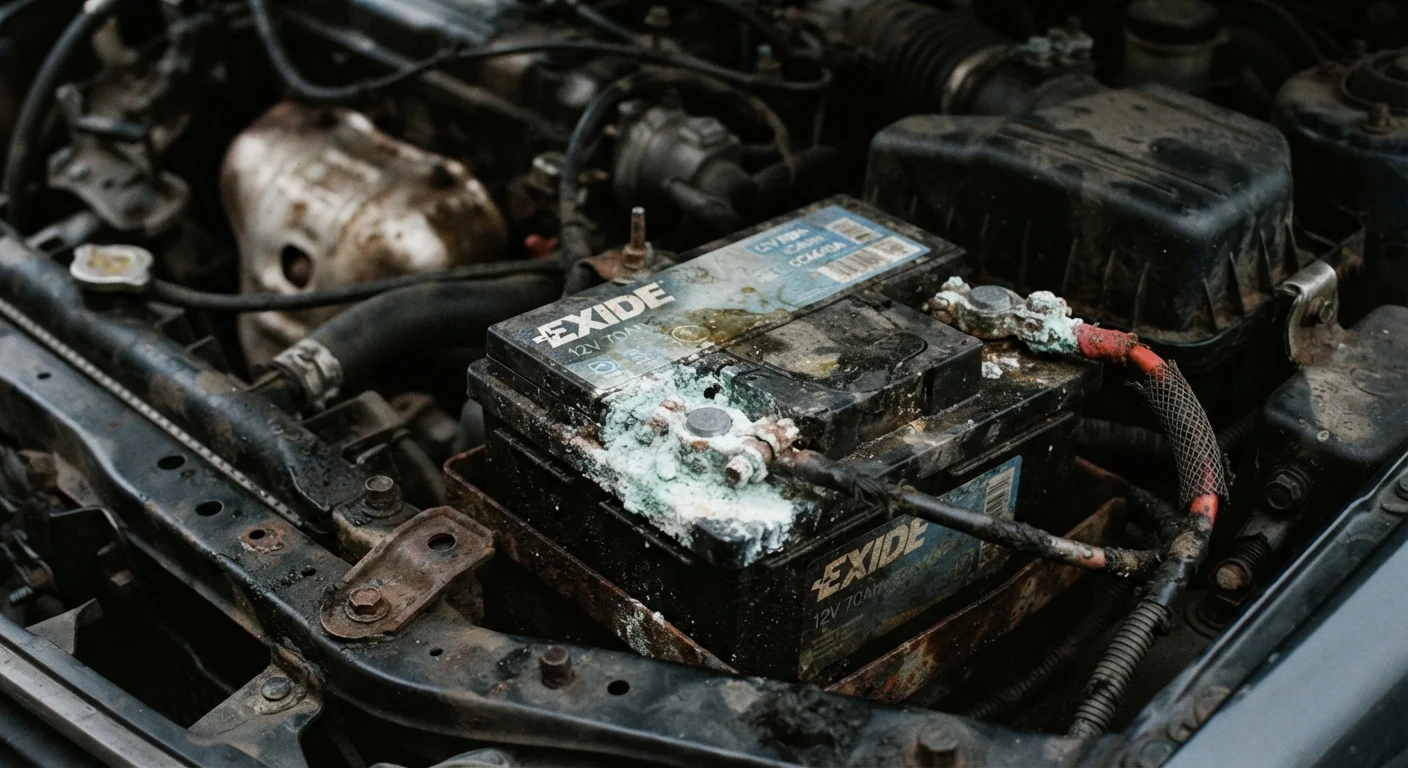
The white, blue, or greenish powder that accumulates around battery terminals is a byproduct of battery acid interaction with metal. Some minor surface corrosion is common over time, but heavy buildup can interfere with the electrical connection and reduce charging efficiency. Beyond that, visible cracks in the battery casing, swelling of the battery sides, or a rotten-egg smell (indicating a leaking battery) are all serious flags that require prompt attention from a mechanic.
Heavy terminal corrosion or a swollen battery case warrants immediate professional inspection.
The battery warning light illuminates on the dashboard
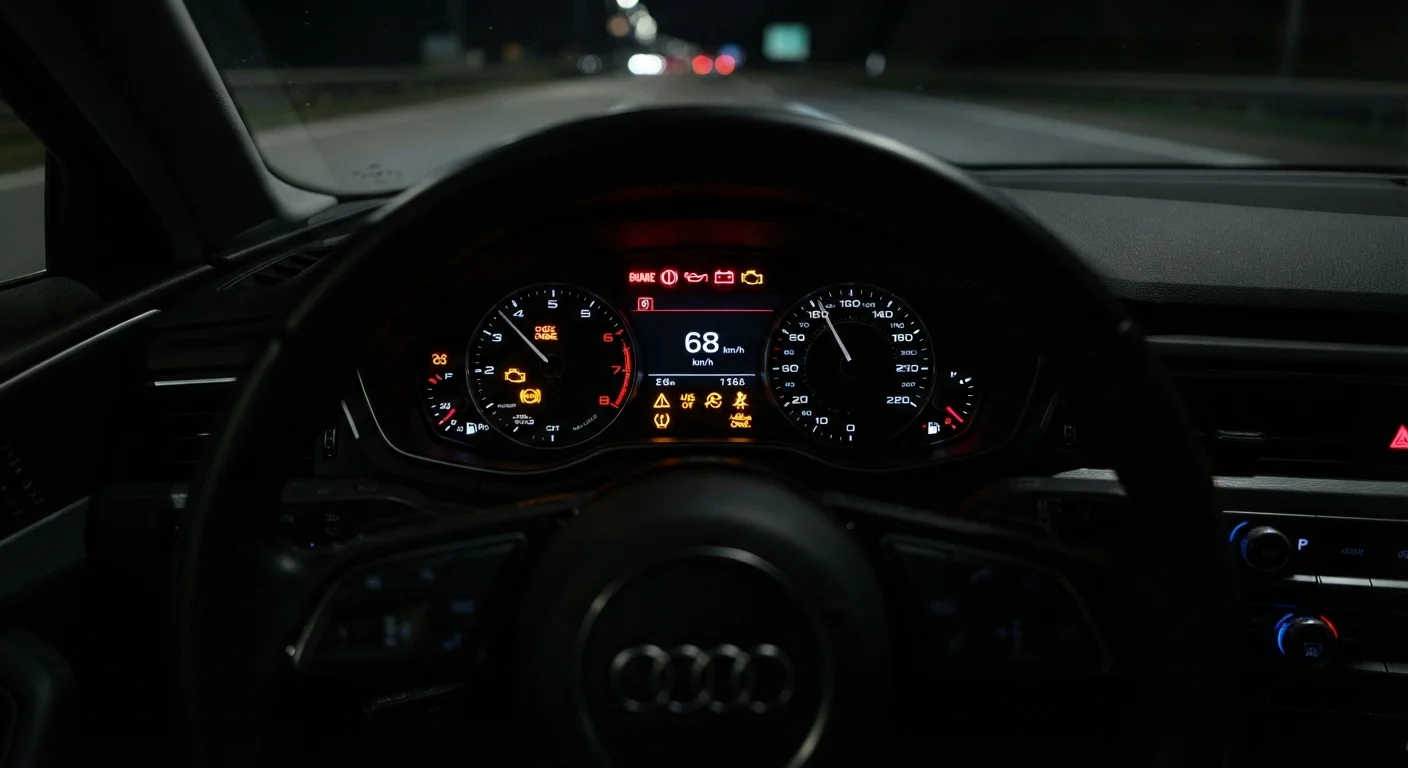
Most vehicles display a battery-shaped warning icon when the charging system detects a problem. This light doesn't always mean the battery itself is failing - it can also indicate an alternator issue or a loose connection - but it should never be ignored. If this light comes on while driving, it means the battery is not being recharged adequately and you may have limited time before the vehicle loses power. Pull over safely and seek assistance rather than risking a full electrical shutdown on the road.
A battery warning light while driving means the charging system needs immediate diagnosis.
Your battery is three or more years old
Age alone is a legitimate warning sign. Even a battery showing no obvious symptoms can be quietly losing capacity as it approaches the end of its rated service life. If your battery is three years old or more, it's worth including a load test in your next routine service visit - especially before winter, when cold temperatures place the greatest demand on a battery's starting power. Proactive testing costs very little compared to being stranded.
A battery over three years old deserves a load test at your next service, no symptoms required.
What to Do When You Spot These Signs
If you recognize two or more of these warning signs, the smartest move is a professional battery load test. Most auto shops and many national parts retailers offer this service at little or no cost. A load test checks how well the battery holds voltage under real starting conditions - it's far more reliable than a simple voltage reading alone.
Schedule a load test proactively
You don't have to wait for symptoms to worsen. Ask for a battery load test during any routine oil change or tire rotation - it takes only a few minutes and gives you a clear picture of remaining battery health. If your battery is approaching four years old, make this a standard part of your annual checkup.
If your battery passes a load test but you're still experiencing electrical gremlins, the issue may lie with the alternator - the component that recharges the battery while the engine runs. A failing alternator can mimic battery symptoms almost exactly. Ask the shop to test the charging system as a whole, not just the battery in isolation.
Also worth noting: dashboard warning lights can signal battery or charging issues before any physical symptom appears. Familiarize yourself with what those symbols mean - our guide on decoding dashboard warning lights is a useful reference. And if you're heading out on a long trip, a quick pre-trip vehicle check should always include a look at your battery's condition and terminal connections.