Why a Two-Minute Check Matters More Than You Think
Most vehicle problems that strand drivers or cause crashes don't appear without warning - they show early signs that a brief inspection would catch. A slow tire leak, a burnt-out brake light, or a low oil level won't announce themselves while you're driving. They just quietly worsen until they become a genuine emergency.
This checklist is designed for everyday driving, not just road trips. The full process takes 5 to 15 minutes depending on thoroughness. For short, routine local trips, a quick exterior glance and cabin check is reasonable. For longer drives or adverse weather, move through every group systematically.
For context on how this walk-around fits into broader vehicle care, see our complete car maintenance guide - a plain-language resource covering everything from fluids to brakes.
Tire Pressure Gauge
Accurately measures tire PSI so you can compare against the manufacturer's recommended specification.
Tread Depth Coin (Quarter or Penny)
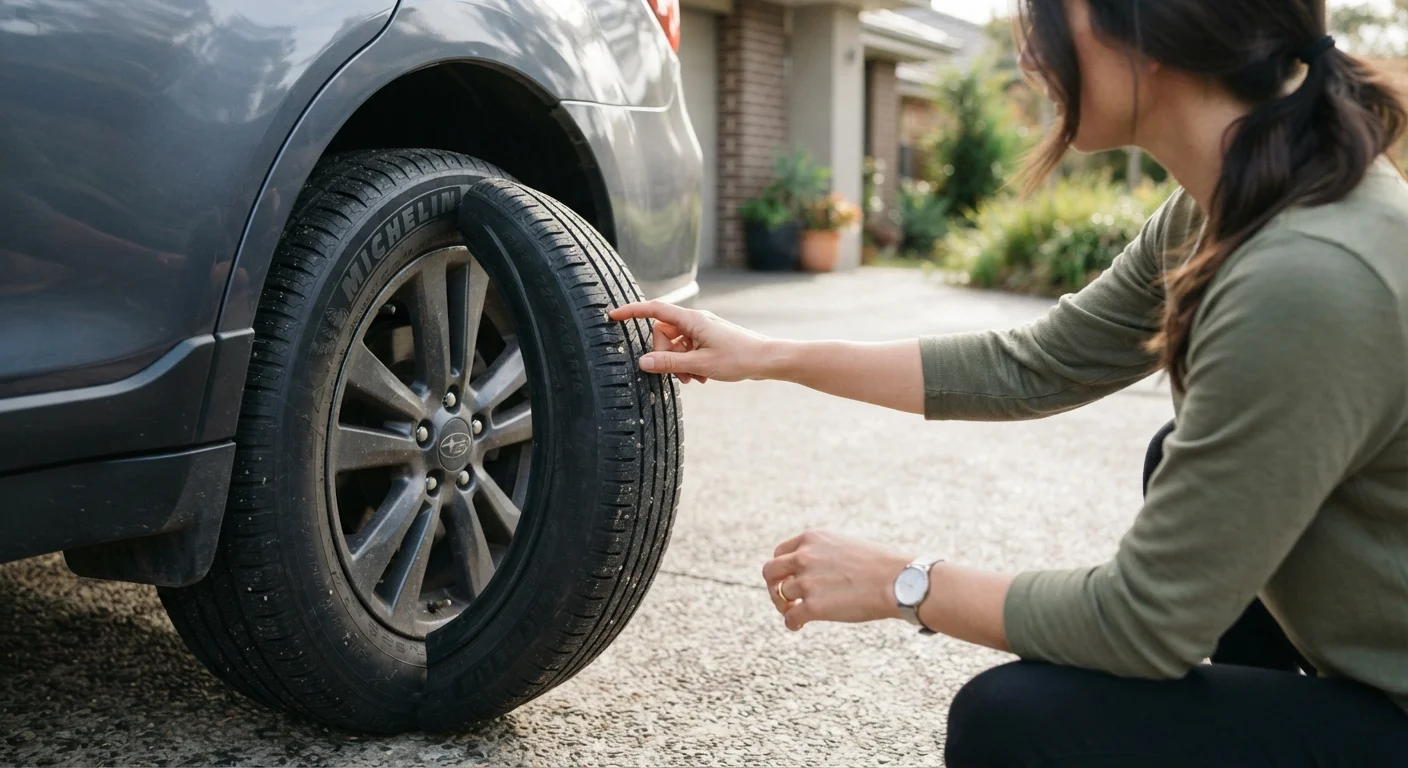
A quick, no-cost method for estimating whether your tire tread has worn to an unsafe level.
Flashlight or Headlamp
Illuminates under-hood components and low areas around the vehicle in low-light conditions.
Clean Lint-Free Cloth
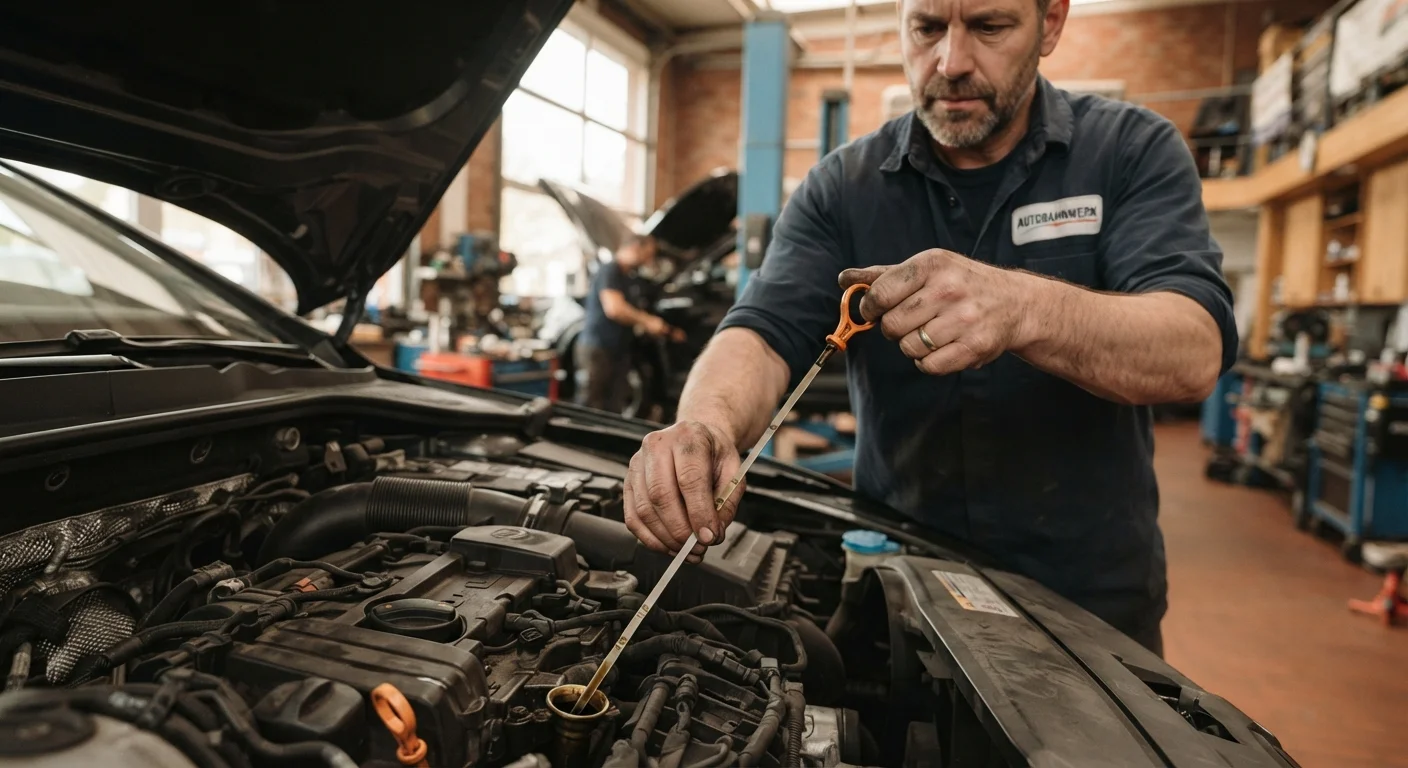
Used to wipe oil and coolant dipsticks clean before taking a reading.
Basic Emergency Kit
Includes jumper cables, a reflective triangle or flare, and a basic first-aid kit for roadside situations.
How to Work Through the Checklist
Move through the four groups in order: exterior, lights, under the hood, then cabin. This sequence mirrors a logical physical path from outside to inside and reduces backtracking.
Exterior and tires first. You're looking for anything that would make the vehicle unsafe to move - a flat, an object behind a rear tire, or a fluid puddle underneath. Tire pressure is easy to overlook visually; use a gauge whenever you're unsure. If your tires are showing wear or you're heading into wet conditions, road traction guidance is worth reviewing before you leave.
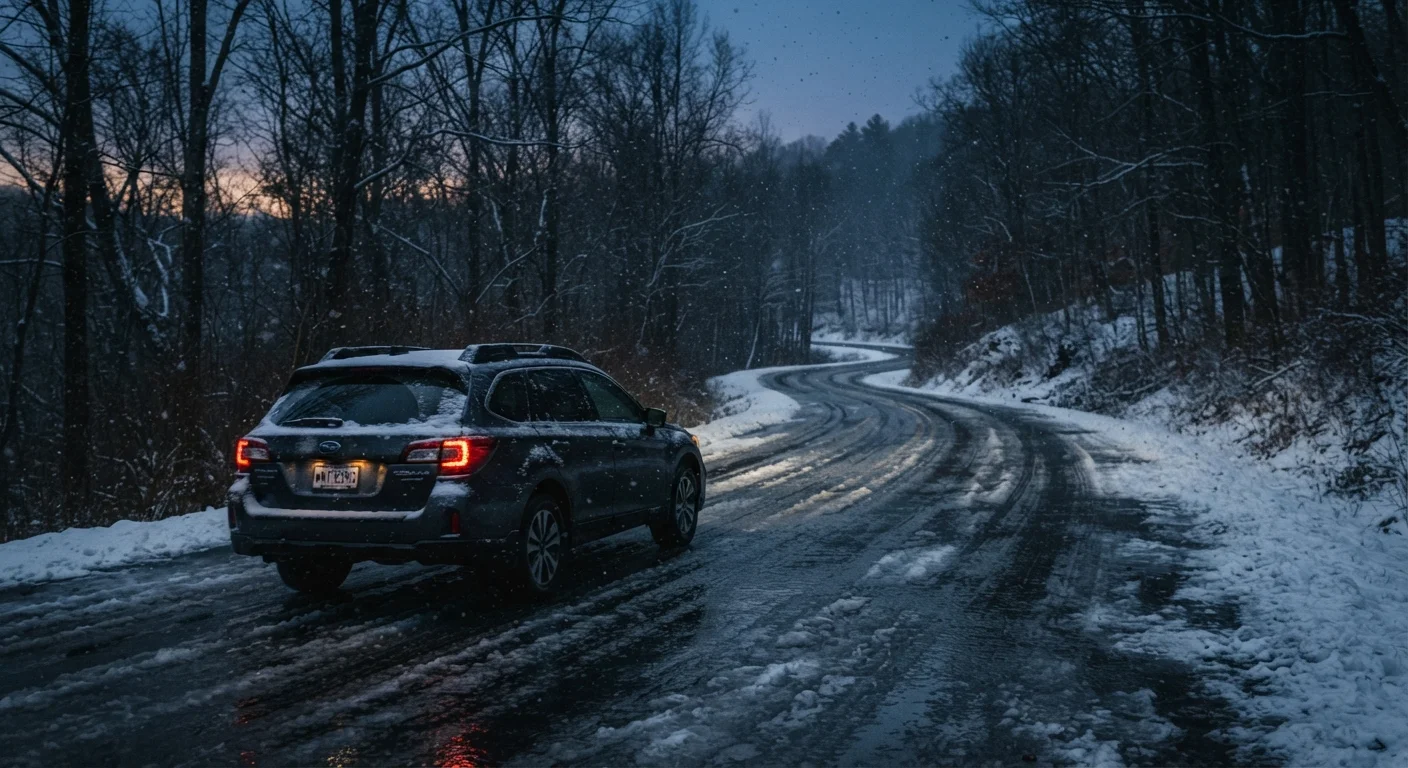
Lights require a helper or a workaround. You can't verify brake lights alone from the driver's seat. Use a helper, a garage wall reflection, or a camera phone propped behind the vehicle. Functional brake lights are not optional - they're a legal requirement in all US states and a critical communication signal for drivers behind you. For night trips specifically, working headlights take on even greater importance; see our night driving safety guidance for more on visibility habits.
Under the hood is mostly a level-check exercise. You don't need mechanical expertise to read a dipstick or look at a coolant reservoir. What you do need is to know when something looks wrong enough to call a mechanic. Milky oil, for instance, can indicate coolant contamination - a serious engine concern. Treat anything unusual as a reason to get a professional opinion before driving.
Dashboard Lights Are Not Optional Warnings
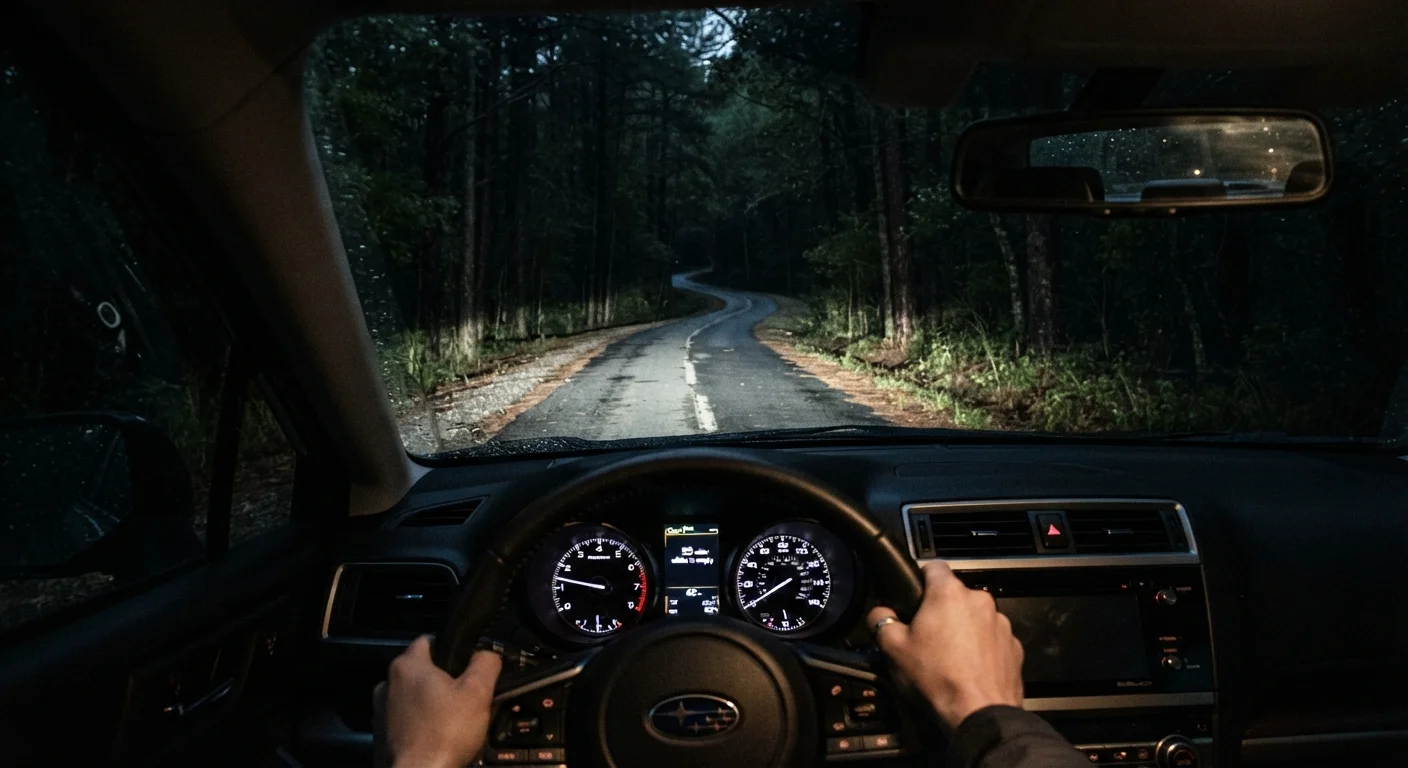
If a warning light stays on after startup - especially the check engine, brake, oil pressure, or battery light - do not assume it will resolve on its own. Some indicate conditions that can cause sudden mechanical failure or create a safety hazard. If you're uncertain, consult a qualified mechanic before driving any significant distance.
Brake Fluid Drops Deserve Immediate Attention
A noticeably low brake fluid level is not something to monitor and revisit later. It can signal a leak in the braking system or severely worn brake pads. Either situation can compromise your ability to stop safely. Have a licensed mechanic inspect the braking system before using the vehicle if you suspect a problem.
Cabin checks are the final gate. Mirror adjustment and warning lights take less than 60 seconds and directly affect how safely you operate the vehicle. Adjusting mirrors after you're already in motion is a distraction risk. On blind spots specifically - a function of mirror placement and vehicle geometry - our blind spot guide covers the mechanics of where these zones form and how to account for them.
Exterior Walk-Around
Lights & Signals
Under the Hood
Inside the Cabin
Never Open a Hot Radiator Cap
Coolant systems operate under pressure and can reach temperatures well above the boiling point of water. Opening a radiator cap when the engine is hot can result in scalding fluid ejecting without warning. Always allow the engine to cool fully - at least 30 minutes - before inspecting the coolant system directly.
Keeping the Habit: When to Check More Often
The full checklist is worthwhile before any trip where conditions or distance are outside your normal routine. That includes highway driving, trips in unfamiliar terrain, cold starts after the vehicle has sat for several days, and any drive during extreme weather.
For ongoing maintenance beyond the pre-trip walk-around, a seasonal maintenance calendar helps you stay ahead of issues that build up over months rather than days - battery performance in winter, coolant condition in summer, and tire rotation schedules year-round. Battery behavior in particular often degrades gradually; early warning signs of battery decline are worth knowing before you're stranded.
A pre-trip habit doesn't require mechanical expertise - just consistency and a willingness to act on what you find rather than ignore it.
This article is for general informational purposes only. Always consult a qualified mechanic for diagnosis, repair, or when you're uncertain about your vehicle's condition.