How Menu Calorie Counts Are Actually Calculated
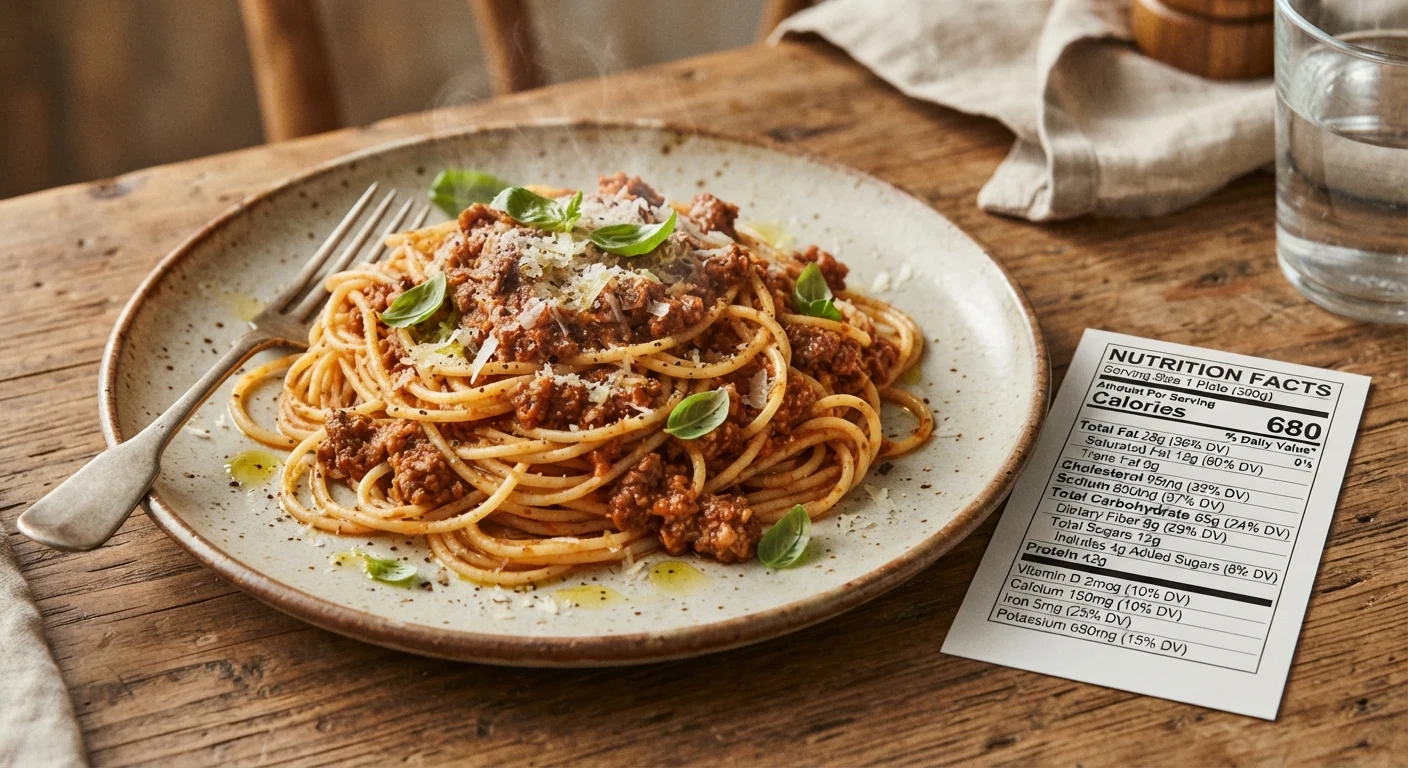
When a chain restaurant posts a calorie count next to a menu item, that number typically comes from one of two methods: laboratory analysis of a standardized recipe, or nutrient database calculations based on ingredient weights. Both approaches start from a theoretical ideal - a dish prepared exactly as specified, with precisely measured ingredients. The problem is that real kitchens don't operate like chemistry labs.
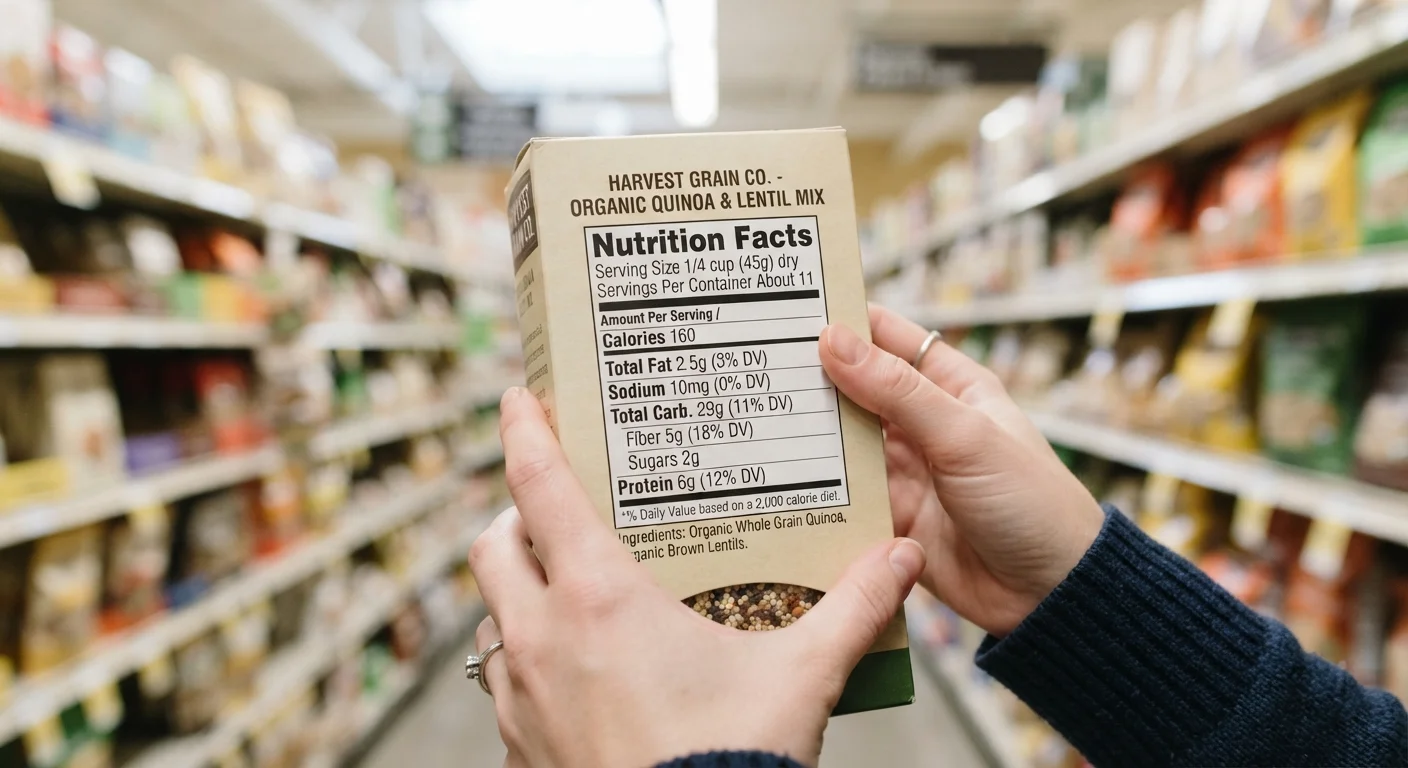
Under U.S. Food and Drug Administration rules, chain restaurants with 20 or more locations are required to post calorie information, but the regulation allows for reasonable variation. The FDA has acknowledged that menu labeling is meant to help consumers make informed comparisons, not to serve as a guarantee of exact caloric content. For a deeper look at how to interpret nutrition numbers generally, see our plain-language guide to nutrition labels.
~18%
Average calorie undercount in restaurant meals
A study published in the Journal of the American Academy of Nutrition and Dietetics found restaurant meals averaged about 18% more calories than stated on menus.
20+
Locations triggering FDA menu labeling
Under FDA rules, only chain restaurants operating 20 or more U.S. locations are required to post calorie information on menus.
Common Myths About Restaurant Nutrition Labels
Misunderstandings about menu calorie counts are widespread - and they can lead to either false confidence or unnecessary anxiety. Here are some of the most persistent ones, corrected with what the evidence actually shows.
Myth
The calorie number on a menu is a precise measurement of what's on my plate.
Fact
Menu calories are estimates based on standardized recipes, not measurements of your individual serving.
Calorie figures are calculated from a theoretical recipe - ingredient amounts multiplied by their nutrient values - or from a single lab analysis of one prepared version. Neither method captures the natural variation that happens across hundreds of kitchens and thousands of daily servings. Research has found that actual calories in restaurant meals can differ from stated values by a notable margin, with some studies finding certain items running higher than labeled. The posted number is a useful reference, not a guarantee.
Myth
If a restaurant posts calorie counts, it's legally required to be accurate to within a small margin.
Fact
FDA menu labeling rules require reasonable accuracy based on a documented method, not a strict numerical tolerance.
The FDA standard for menu labeling is rooted in whether a restaurant used a valid, defensible method - such as a nutrient database or lab analysis - to arrive at the posted figure. There is no regulation specifying that the actual dish must fall within, say, 10% of the label. The intent of the law is to give consumers a reliable basis for comparison between items, not to certify the exact calorie content of every individual plate served.
Myth
Independent restaurants are more accurate about calories because they have simpler menus.
Fact
Independent restaurants with no menu labeling requirement often haven't calculated calories at all, making comparisons unreliable.
Federal menu labeling rules apply only to chains with 20 or more U.S. locations. Independent restaurants are generally not required to post calorie information, and many don't calculate it. When an independent restaurant does provide calorie estimates - on a website or printed menu - those figures may be based on rough ingredient estimates rather than rigorous analysis. Fewer items on a menu doesn't translate to greater nutritional precision. See our related coverage on persistent nutrition myths for more examples of common misunderstandings.
Myth
Ordering the same dish repeatedly means I'm consuming a consistent number of calories each time.
Fact
The same dish at the same restaurant can vary in calories from visit to visit depending on who prepares it and how.
Preparation differences between cooks - how much oil hits the pan, how generously a sauce is ladled, whether a portion is eyeballed or weighed - introduce real variability even when the recipe is the same. Across different locations of the same chain, ingredient sourcing, equipment calibration, and local adaptations add further variation. Consistency in ordering a dish doesn't mean consistency in what you're actually eating nutritionally.
What Drives the Gap Between Label and Plate
Several real-world factors widen the distance between posted numbers and what arrives at your table.
- Cook-to-cook variation: Even trained line cooks use different amounts of oil, butter, or sauce depending on habit, speed, or eyeballing versus weighing.
- Portion drift: A restaurant may gradually increase serving sizes over time - a phenomenon well documented in the research literature - without updating its published calorie data.
- Ingredient substitutions: When a supplier changes, the nutritional profile of an ingredient can shift without any visible change to the dish.
- Add-ons and customizations: Dressings on the side, extra cheese, or a different bread all alter totals in ways the standard label can't capture.
Low-Calorie Labels Don't Always Mean Low-Calorie Plates
Items marketed as lighter options - salads, grain bowls, or "lite" entrées - can still exceed their posted calorie counts significantly if dressings, toppings, or sauces are applied generously. Don't assume a lower listed number means greater accuracy. The same variability applies across the menu.
None of this means calorie counts are useless. They provide a meaningful ballpark for comparing options and making broadly healthier choices. It just means they're better treated as a range than a precise number. If this topic connects to broader eating habits, our article on eating patterns that quietly undermine nutrition offers useful context.
Using Nutrition Information Wisely While Dining Out
Knowing the limitations of menu labels actually makes them more useful, not less. Here's how to put that knowledge to work:
- Treat the number as an anchor, not a ceiling. Assume actual calories could land 10-20% higher or lower and adjust your overall day accordingly rather than tracking to the digit.
- Watch for high-variability items. Dishes with heavy sauces, melted cheese, or fried elements tend to vary more than simply grilled or steamed options, because the added fats are harder to standardize.
- Compare within a menu, not across restaurants. Calorie counts are most reliable as relative comparisons - the 600-calorie item versus the 900-calorie item at the same chain - rather than as absolute figures against another restaurant's numbers.
- Ask about preparation if it matters. Staff can often tell you whether a dish is cooked with butter or oil, or whether a sauce is added during cooking or at service.
For those managing dietary restrictions alongside these concerns, navigating restaurant communication adds another layer - our piece on communicating food allergies at restaurants covers that ground. And if you want a framework for building nutritious meals without calorie fixation, building a balanced plate without counting every calorie offers a practical starting point.
This article is for general informational purposes only and is not a substitute for personalized nutrition or medical advice. Consult a registered dietitian or qualified healthcare professional for guidance specific to your health needs.