What Nutrition Actually Means
Nutrition is the science of how the food you eat provides your body with what it needs to function - energy to move, material to build and repair cells, and compounds that regulate everything from mood to immune response. When people talk about "eating well," they're really talking about consistently giving your body those materials in useful amounts.
It's worth separating nutrition from dieting. Dieting usually refers to short-term changes aimed at a specific outcome. Nutrition is the broader, ongoing picture of what you eat day to day and what that does inside your body. Understanding the basics of nutrition puts you in a position to make food choices you actually understand - rather than just following rules someone else set.
Macronutrients
The three nutrients your body needs in large amounts - carbohydrates, proteins, and fats - because they provide energy (measured in calories) and serve as the building blocks for body tissue.
Micronutrients
Vitamins and minerals that your body needs in much smaller amounts than macronutrients, but that are still essential for processes like immune function, bone health, and nerve signaling.
Dietary fiber
A type of carbohydrate found in plant foods that your body can't fully digest. It slows digestion, supports gut health, and helps you feel satisfied after eating.
% Daily Value (%DV)
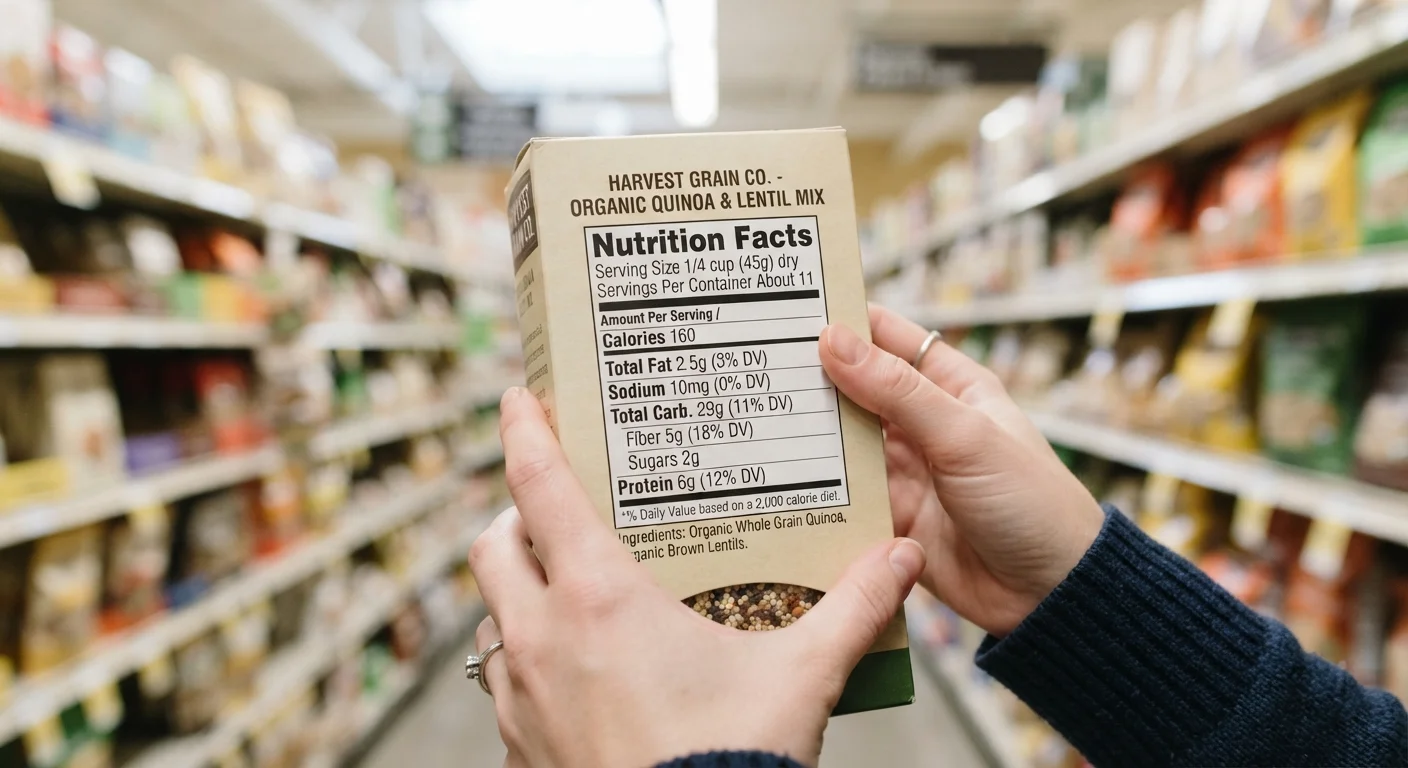
A number on nutrition labels showing how much of a nutrient one serving provides relative to a general daily target. It's a quick way to gauge whether a food is high or low in a given nutrient.
Whole food
A food that is minimally processed and close to its natural state - such as an apple, oats, or a chicken breast - as opposed to a food that has been heavily refined or had many ingredients added.
Antioxidants
Compounds found naturally in many fruits and vegetables that help protect cells from damage. Vitamins C and E are well-known examples, though many plant compounds also function this way.
The Six Essential Nutrients
Scientists classify the substances your body needs from food into six categories. Each plays a distinct role, and none can fully substitute for another.
- Carbohydrates - Your body's primary and most readily available energy source. Found in grains, fruits, legumes, and vegetables. Fiber, a type of carbohydrate, aids digestion and helps you feel full.
- Proteins - Made of amino acids, proteins are used to build and repair tissues, make enzymes and hormones, and support immune function. Sources include meat, fish, eggs, dairy, beans, and tofu.
- Fats - Often misunderstood, dietary fats are essential for absorbing certain vitamins, protecting organs, and producing hormones. Unsaturated fats (found in olive oil, avocados, and nuts) are generally considered more beneficial than saturated or trans fats.
- Vitamins - Organic compounds your body needs in small amounts for processes like blood clotting (vitamin K), immune defense (vitamin C), and bone health (vitamin D). Most come from a varied diet of whole foods.
- Minerals - Inorganic elements like calcium, iron, potassium, and magnesium that support bone strength, fluid balance, nerve function, and more.
- Water - Often overlooked, water is involved in nearly every bodily process, from digestion to temperature regulation. It's the nutrient most people need more of, consistently.
An easy way to remember water intake
Your urine color is a simple hydration indicator - pale yellow generally suggests adequate hydration, while dark yellow may indicate you need more fluids. Plain water is the best choice for hydration throughout the day. Most adults need roughly 8 cups daily, though needs vary with activity level, climate, and health status.
Food Groups and Why They Matter
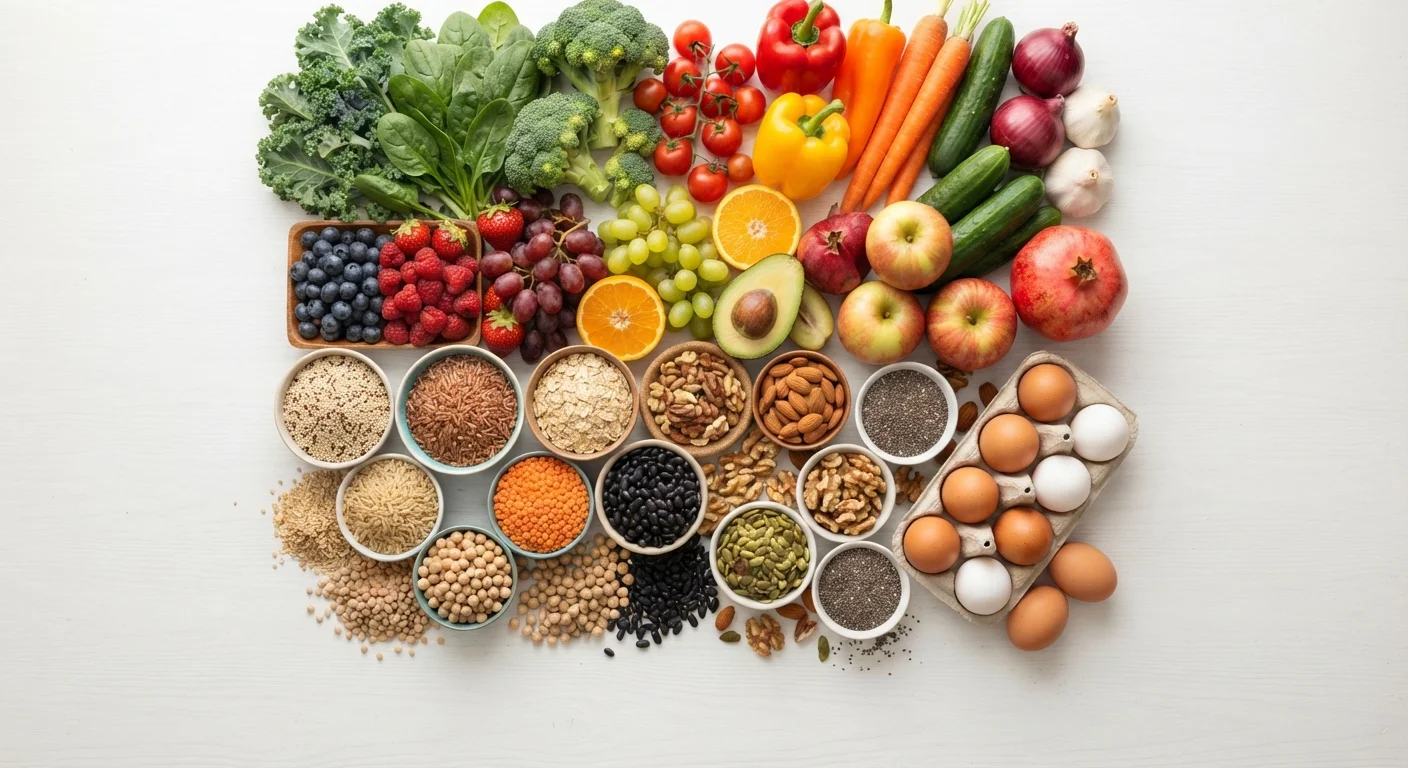
Food groups are a practical organizing system that helps ensure your diet covers the full range of nutrients. No single food - or even single food group - provides everything your body needs, which is exactly why variety is the foundation of sound nutrition.
The main food groups recognized by U.S. dietary guidelines include:
- Vegetables - Rich in vitamins, minerals, fiber, and plant compounds that support many body systems. Aim for a range of colors, since different pigments often reflect different nutrients.
- Fruits - Provide vitamins (especially vitamin C), natural sugars for quick energy, and antioxidants. Whole fruit is preferable to juice since it retains fiber.
- Grains - Whole grains (like oats, brown rice, and whole wheat) retain the fiber and nutrients that refined grains lose during processing.
- Protein foods - Includes meat, seafood, poultry, eggs, nuts, seeds, and legumes. Variety within this group matters for different amino acid profiles and micronutrient content.
- Dairy and fortified alternatives - Primarily valued for calcium, vitamin D, and protein. Plant-based alternatives vary widely, so check labels for fortification.
Understanding what's actually on a food package helps you make sense of these groups in real life. Our guide to reading nutrition labels explains each section clearly.
Plant-based diets can cover all nutrients
A well-planned plant-based diet can meet all essential nutrient needs, but it does require more intentional planning - particularly for vitamin B12, iron, omega-3 fatty acids, and calcium. If you eat little or no animal products, a registered dietitian can help you identify and fill potential gaps safely.
How to Start Eating More Balanced
You don't need a complete dietary overhaul to improve your nutrition. Small, consistent changes are both more sustainable and more effective than dramatic short-term restrictions.
A few practical starting points:
- Build meals around a structure. A simple template - half the plate as vegetables, a quarter as a protein source, a quarter as a whole grain - covers most nutritional bases without overthinking.
- Add before you subtract. Rather than immediately cutting foods you enjoy, try adding more vegetables, legumes, or water first. Crowding in nutritious foods naturally shifts overall patterns.
- Cook more at home when possible. Home cooking gives you direct control over ingredients. Even basic skills make a big difference - the cooking basics hub is a good place to build those fundamentals.
- Pay attention to patterns, not single meals. One meal doesn't define your nutrition. What you eat across days and weeks matters far more than any individual choice.
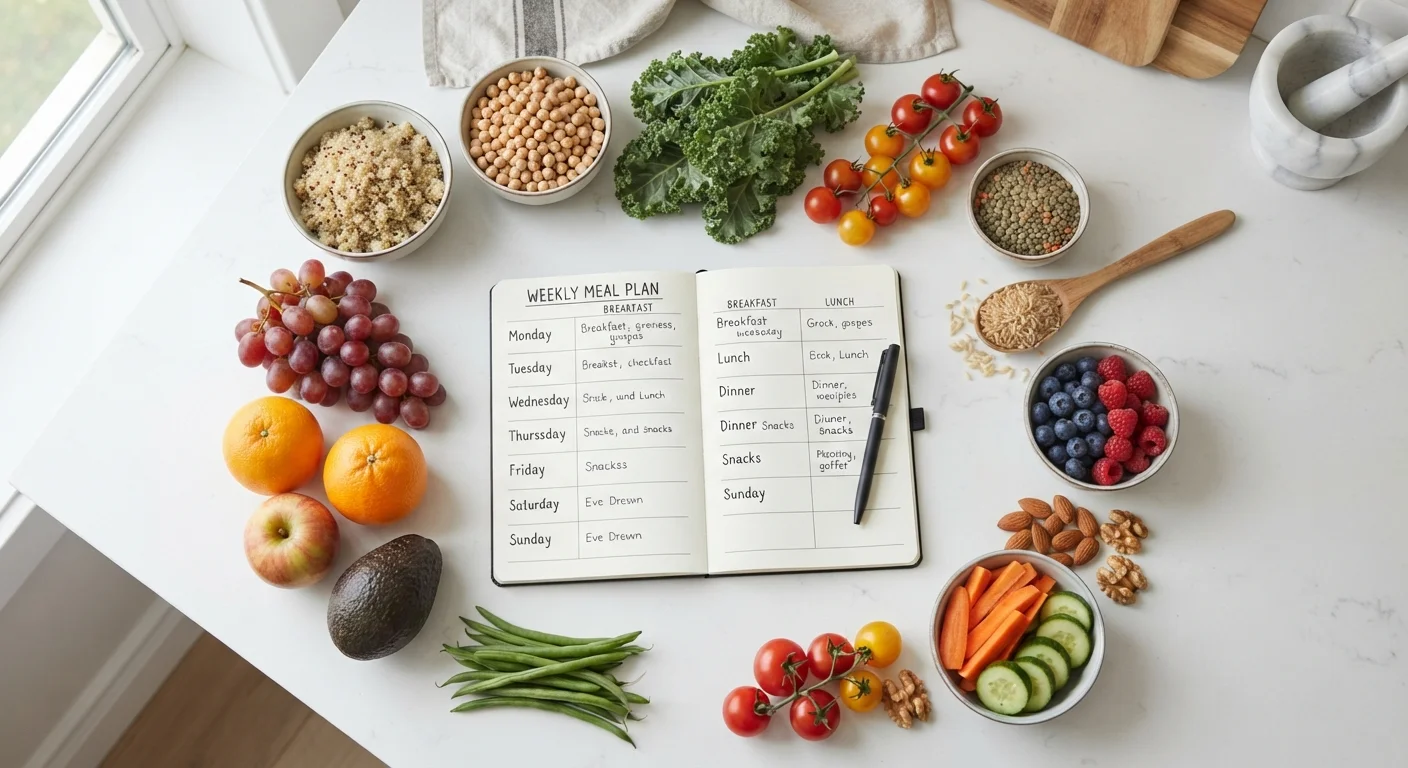
When you're ready to take a more structured look at your habits, a weekly eating audit can help you identify gaps without guesswork. And if you want to plan ahead, a weekly meal planning checklist makes it easier to stay consistent.
This article is for general informational and educational purposes only and is not medical or nutritional advice. For guidance specific to your health needs, consult a qualified healthcare professional or registered dietitian.