The Three-Filter Test: Safety, Permits, and Reversibility
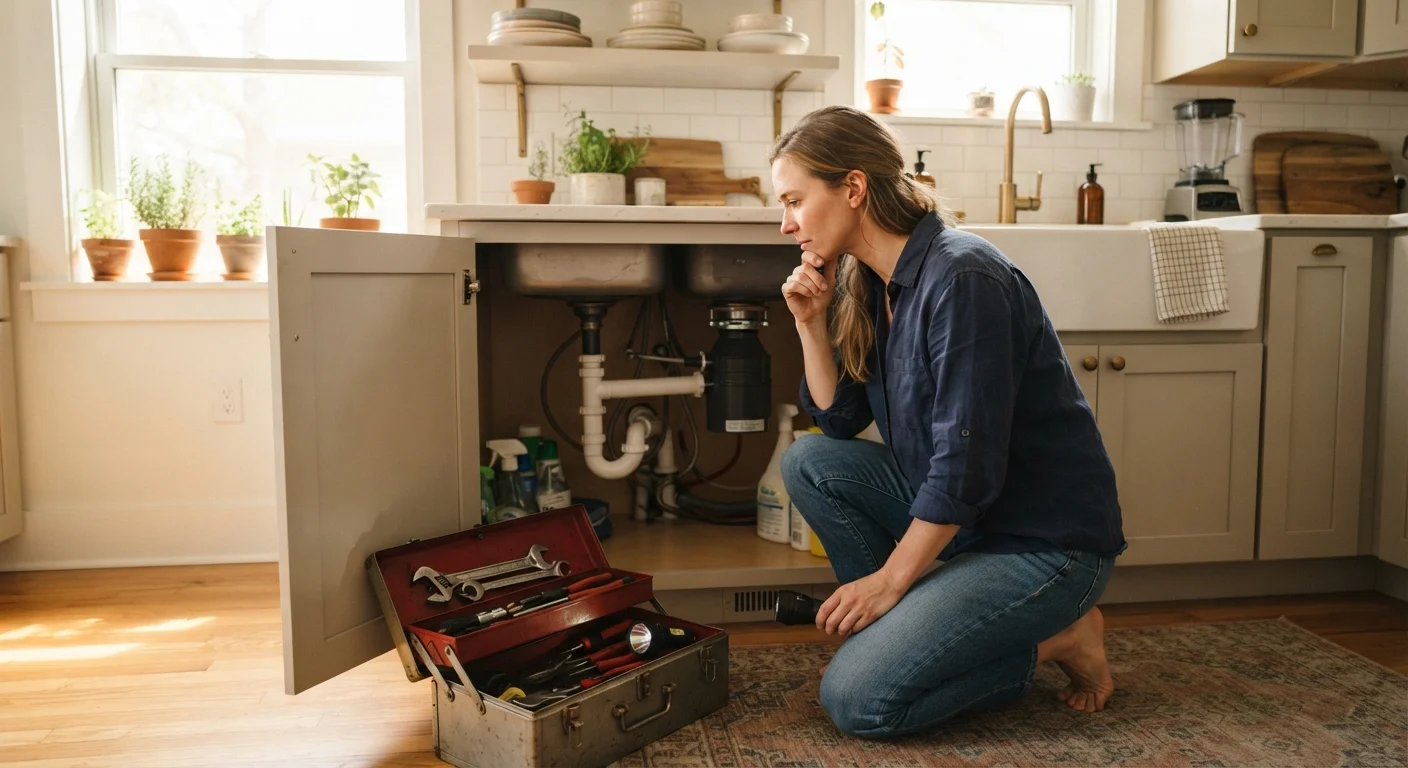
Before picking up a tool or dialing a contractor, run every repair through three questions: Could a mistake here injure someone or damage the home's structure? Does this job legally require a permit or a licensed trade? And if something goes wrong, how hard is it to undo?
If the answer to the first two is yes, or if the third answer is "very hard," you're almost certainly in professional territory. These filters catch the most dangerous DIY overreaches before they become expensive emergencies. For a broader look at keeping your home systems in good shape year-round, see the annual home maintenance calendar.
Start With a Professional Consultation
If you're unsure whether a repair is within your skill level, consider scheduling a paid consultation with a licensed contractor before starting. Many will walk through the scope with you, explain what permits are needed, and tell you honestly which portions are safe to DIY. This small upfront cost can prevent costly mistakes and give you a realistic picture of the project.
Jobs That Typically Belong to Licensed Professionals
Certain categories of home repair carry risks significant enough that most US states require licensed contractors by law - and for good reason.
- Electrical panel work, new circuits, and wiring: Faulty wiring is a leading cause of residential fires. Any work beyond replacing a switch or outlet cover should involve a licensed electrician. Never attempt to work on a panel, add a subpanel, or run new wiring without verifying local permit requirements first.
- Gas line installation or repair: A gas leak can cause explosions or carbon monoxide poisoning. Gas work is regulated in every state and must be performed by licensed plumbers or gas fitters.
- Structural modifications: Removing or altering load-bearing walls, beams, or foundations changes how your home distributes weight. An engineer's stamp is often required, and errors can be catastrophic.
- Roof replacement: Beyond the fall risk, improperly installed roofing can void manufacturer warranties and leave your home vulnerable to water damage.
- HVAC system installation: Refrigerant handling is federally regulated under EPA Section 608. Installing or recharging HVAC systems without certification is illegal.
Understanding which projects require official approval before work begins is equally important. Permits and when they're required covers this in detail.
Unpermitted Work Can Have Lasting Consequences
Completing regulated work without the required permits can make it difficult to sell your home, as unpermitted improvements often surface during buyer inspections. It can also affect your homeowner's insurance coverage and expose you to liability if the work causes injury or damage. Always check with your local building department before starting major repairs.
Repairs Most Homeowners Can Confidently Handle
A wide range of maintenance and repair tasks are genuinely appropriate for capable homeowners with basic tools and patience. The common thread: low stakes, no permit requirement, and reversible outcomes.
| Task Type | DIY | Licensed Pro | |
|---|---|---|---|
| Painting (interior/exterior) | Generally appropriate | Not required | |
| Electrical panel / new circuits | Not appropriate | Required by law | |
| Gas line work | Not appropriate | Required by law | |
| Drywall patching | Generally appropriate | Not required | |
| Structural wall removal | Not appropriate | Required - permit needed | |
| Toilet / faucet replacement | Generally appropriate | Not required | |
| Roof replacement | High risk - not advised | Strongly recommended | |
| Caulking / weatherstripping | Generally appropriate | Not required |
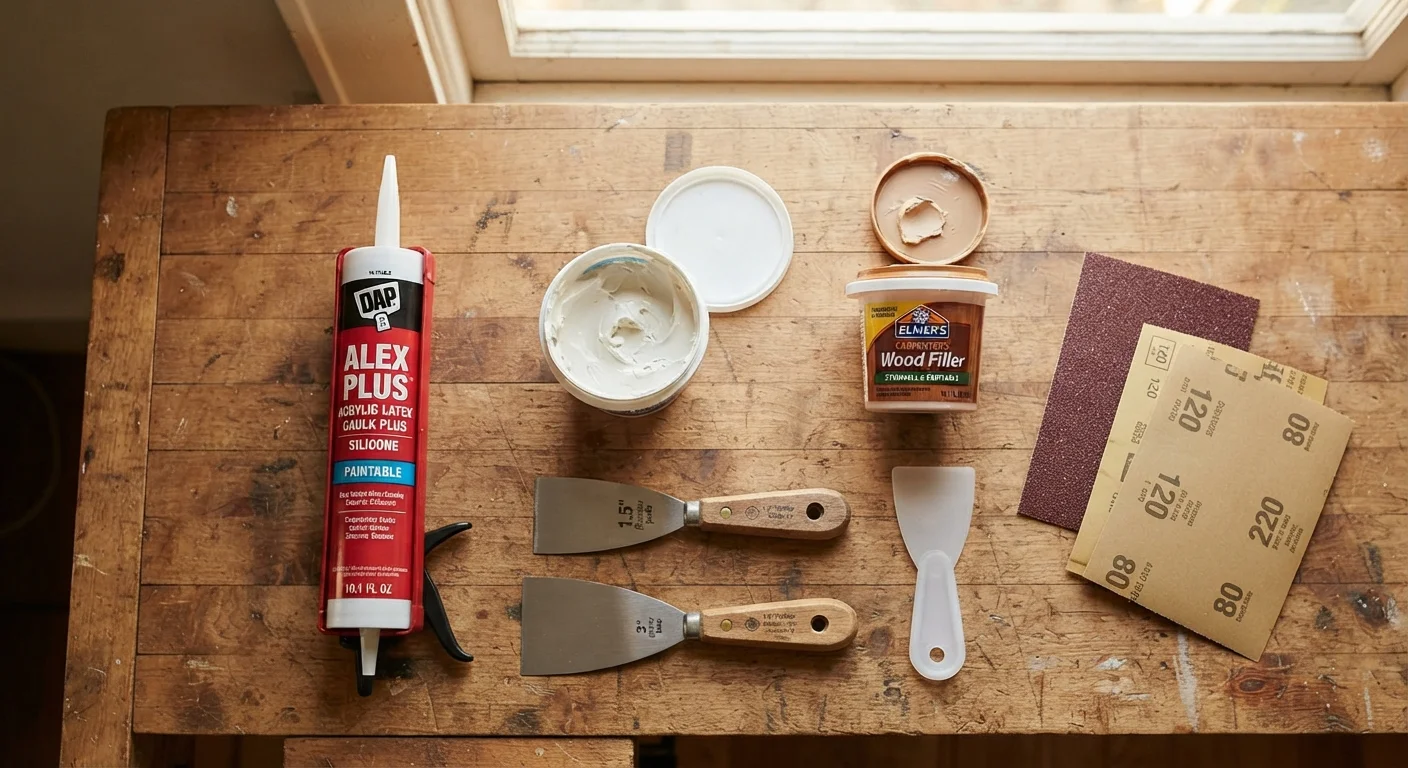
Tasks like painting interior walls, replacing light fixtures (with power off and within existing wiring), fixing squeaky floors, patching drywall, recaulking a tub, or replacing a toilet's fill valve are well within reach for most people. For guidance on choosing the right patching material for different surfaces, caulk, spackle, and wood filler each serve distinct purposes - using the wrong one can make repairs worse.
The real cost of DIY isn't just labor savings - it includes the time you spend, any tools you need to purchase, and the possibility of a redo. DIY doesn't always save money, and knowing when it doesn't is part of making a smart decision.
Planning Larger Projects: When DIY Becomes a Hybrid Approach
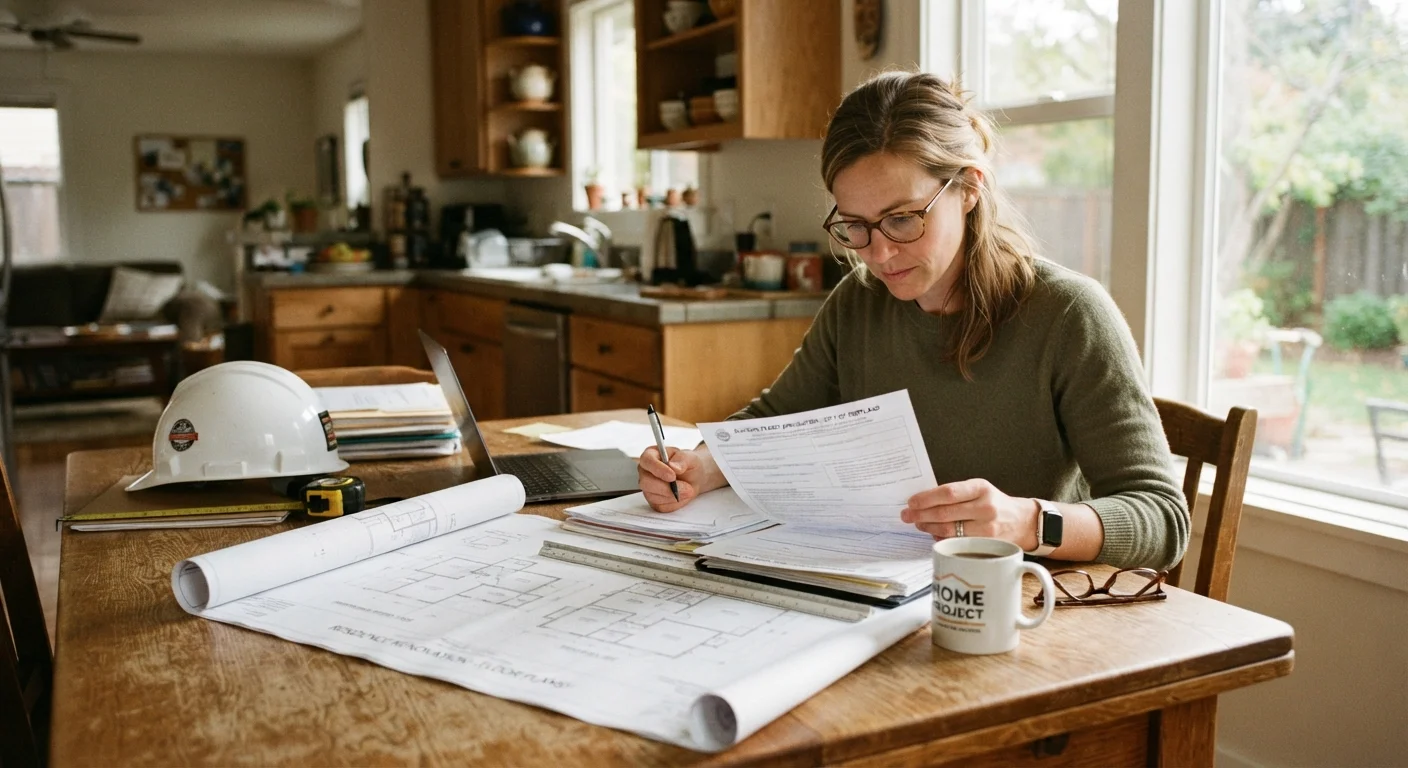
Many renovations don't fall cleanly into one category. A bathroom remodel, for example, might include demolition and painting that a homeowner handles, while plumbing rough-in and electrical work go to licensed trades. This hybrid approach is common and often practical - but it requires careful coordination.
Before any significant project begins, work through the planning fundamentals: budget buffers, contractor vetting, permit timelines, and scope definition. The renovation planning checklist is a useful starting point. Taking on work that belongs in a licensed scope - even to save money - can void your homeowner's insurance coverage if a claim arises from that work.
When the scope is unclear, a paid consultation with a licensed contractor (typically $100-$300) can clarify exactly which portions are safe to DIY and which require professional involvement. That's money well spent before committing to either path.
This article provides general educational information for homeowners and does not constitute legal, financial, or professional contracting advice. Requirements vary by state and municipality. Always verify local codes and licensing requirements before beginning any repair or renovation work.